v2.webp)



- Lago Sandoval: This lake lies outside the park, in the Tambopata National Reserve near Puerto Maldonado, and is reached by a 3 km forest walk and a short paddle in a dugout canoe. Giant otters sometimes work the lake, and the palm swamp (aguajal) around it is full of macaws and hoatzin.
- Heath River (Río Heath) Pampas: Marks the southern border with Bolivia. This is the only patch of Amazon savanna in Peru, home to maned wolf, marsh deer and capybara. Reaching it takes a multi-day river trip, so book with a lodge in advance.
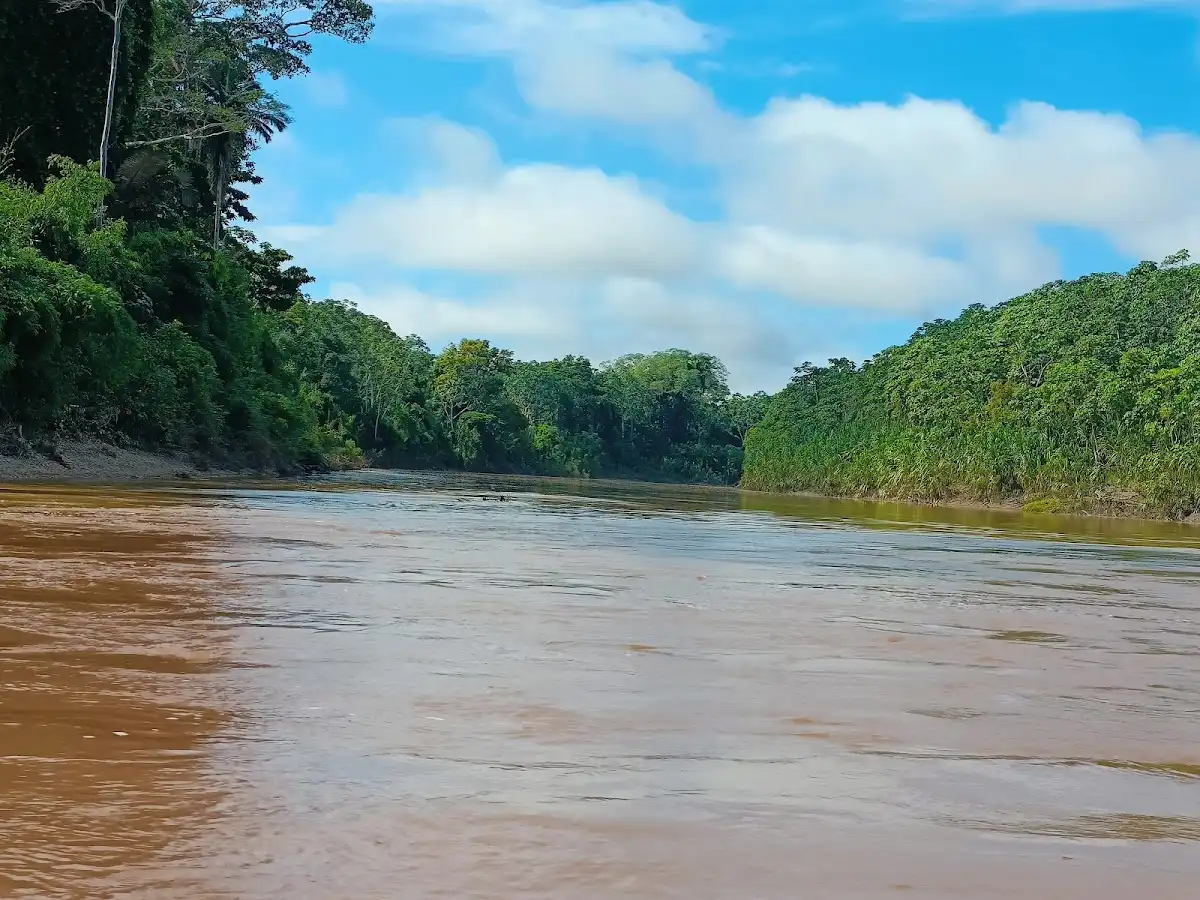
- Tambopata River Corridor: Boats run upriver along the park’s northern flank, past sandbars with caiman basking and capuchin monkeys in the riverside trees. Expect long, slow days with the engine humming.
- Clay Licks (Collpas): At dawn, flocks of parrots and macaws crowd riverbank
- Lago Sandoval: This lake lies outside the park, in the Tambopata National Reserve near Puerto Maldonado, and is reached by a 3 km forest walk and a short paddle in a dugout canoe. Giant otters sometimes work the lake, and the palm swamp (aguajal) around it is full of macaws and hoatzin.
- Heath River (Río Heath) Pampas: Marks the southern border with Bolivia. This is the only patch of Amazon savanna in Peru, home to maned wolf, marsh deer and capybara. Reaching it takes a multi-day river trip, so book with a lodge in advance.
- Tambopata River Corridor: Boats run upriver along the park’s northern flank, past sandbars with caiman basking and capuchin monkeys in the riverside trees. Expect long, slow days with the engine humming.
- Clay Licks (Collpas): At dawn, flocks of parrots and macaws crowd riverbank clay to eat mineral-rich soil. The noise is loud and the colors are sharp, with red-and-green macaws a regular sight.
- Giant Otter Family Groups: Bahuaja-Sonene shelters one of the healthier populations of this endangered species in Peru. Families of several animals hunt oxbow lakes, squealing loudly as they surface with fish.
- Harpy Eagle Territory: Deep in the forest, this huge raptor nests in tall emergent trees. Sightings are rare and depend on a local guide who knows active nesting areas.
- Jaguar and Tapir Trails: Muddy banks and forest paths show fresh tracks of tapir, peccary and the occasional jaguar. Seeing the animals is a long shot, but reading the tracks with a guide is a thrill in itself.
Spotted a mistake or missing something? Contact us.

Best of Tambopata 3 nights by JunglePro

Pacaya Samiria Mystical 3 Days

Best of Tambopata 2 nights by JunglePro

4 Day Tambopata Jungle Tour with Local Guide

Sandoval Lake Full Day Tour in Tambopata

Fishing for Piranhas in Lake Yacumama

Tambopata 3 Day Amazon Tour: Macaws, Caimans & Jungle

Night walk and search for tarantula sloths

Tambopata Eco Jungle 3 Days Tour: (Nature and Wildlife)

 Best Backpacking
.jpg) Hi, I’m Johan (Netherlands 🇳🇱), the creator of TakeYourBackpack. Over the past 3 decades, I’ve backpacked through 90+ countries across six continents, gaining extensive experience with independent travel, long-term trips, and overland routes.
Hi, I’m Johan (Netherlands 🇳🇱), the creator of TakeYourBackpack. Over the past 3 decades, I’ve backpacked through 90+ countries across six continents, gaining extensive experience with independent travel, long-term trips, and overland routes.