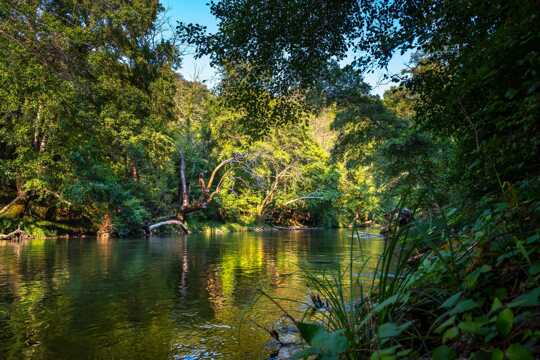
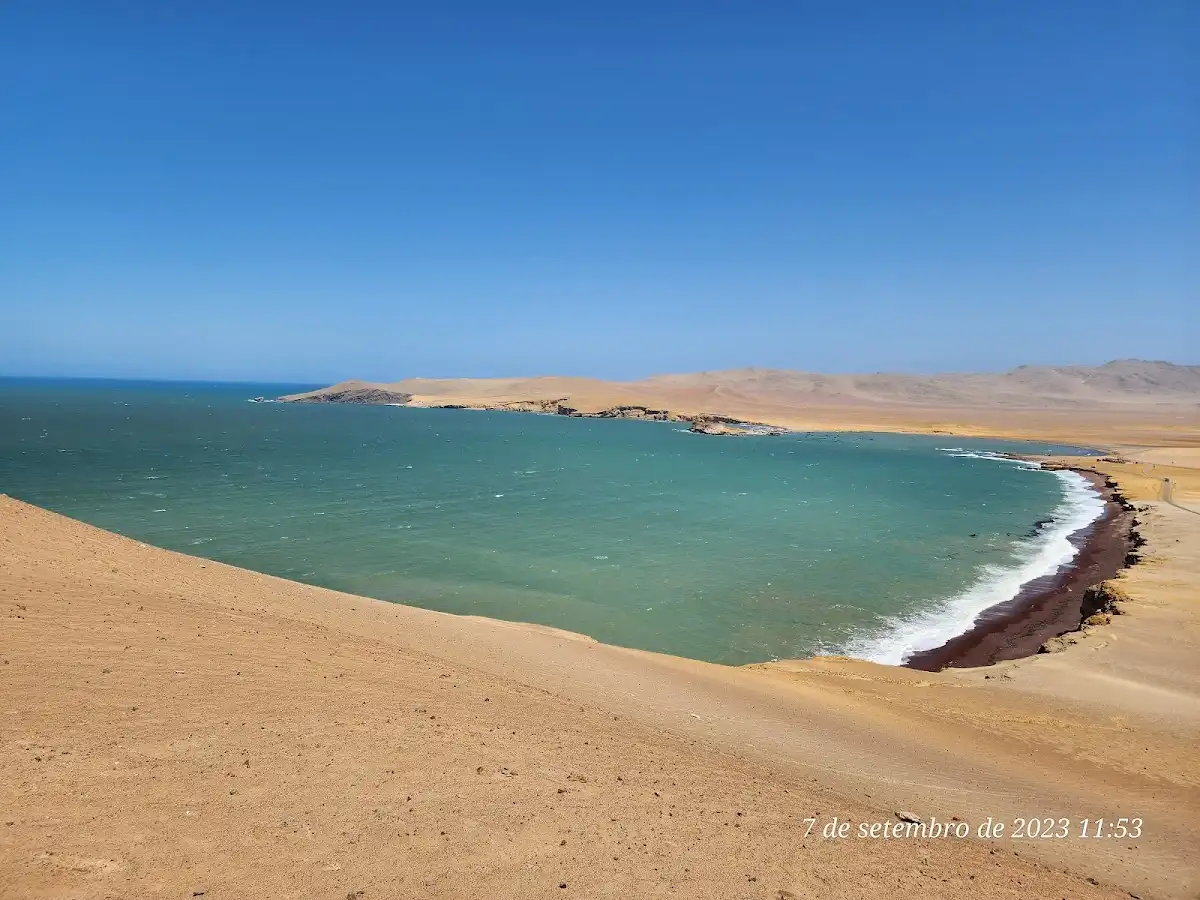
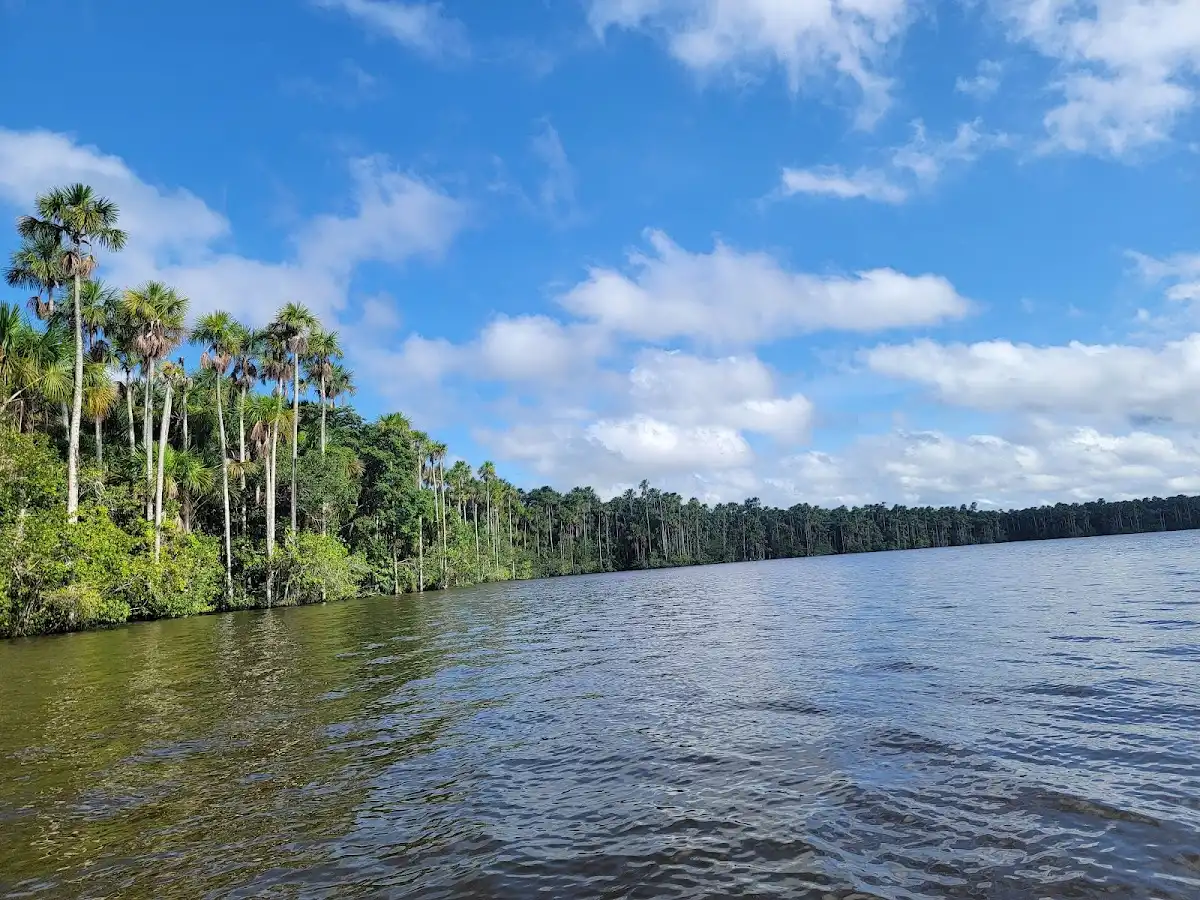
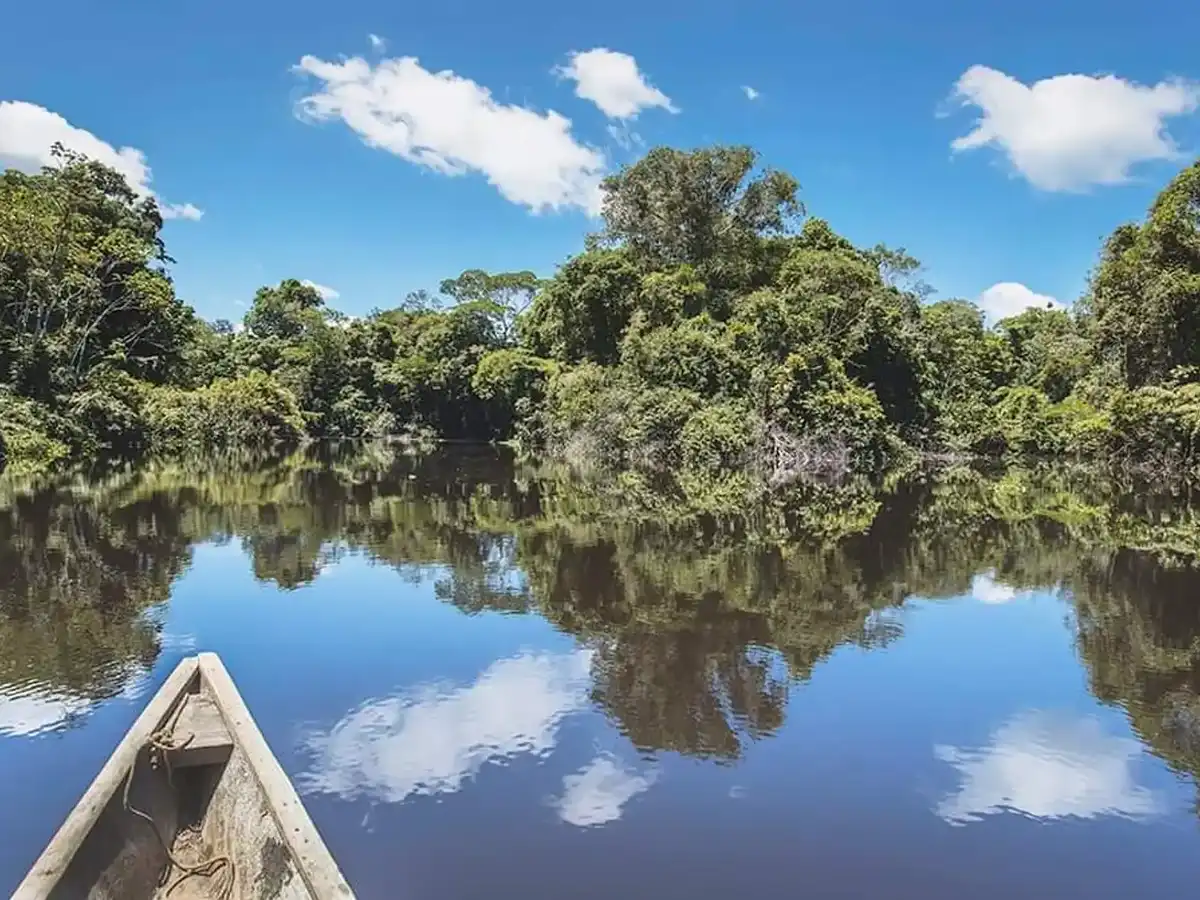
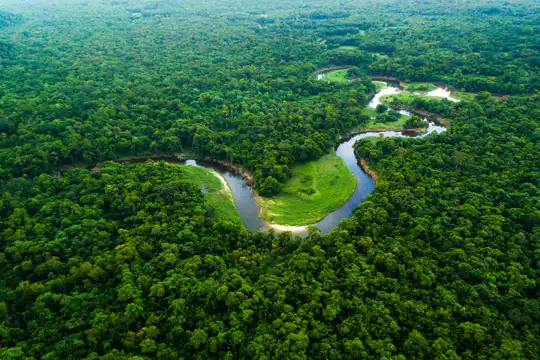
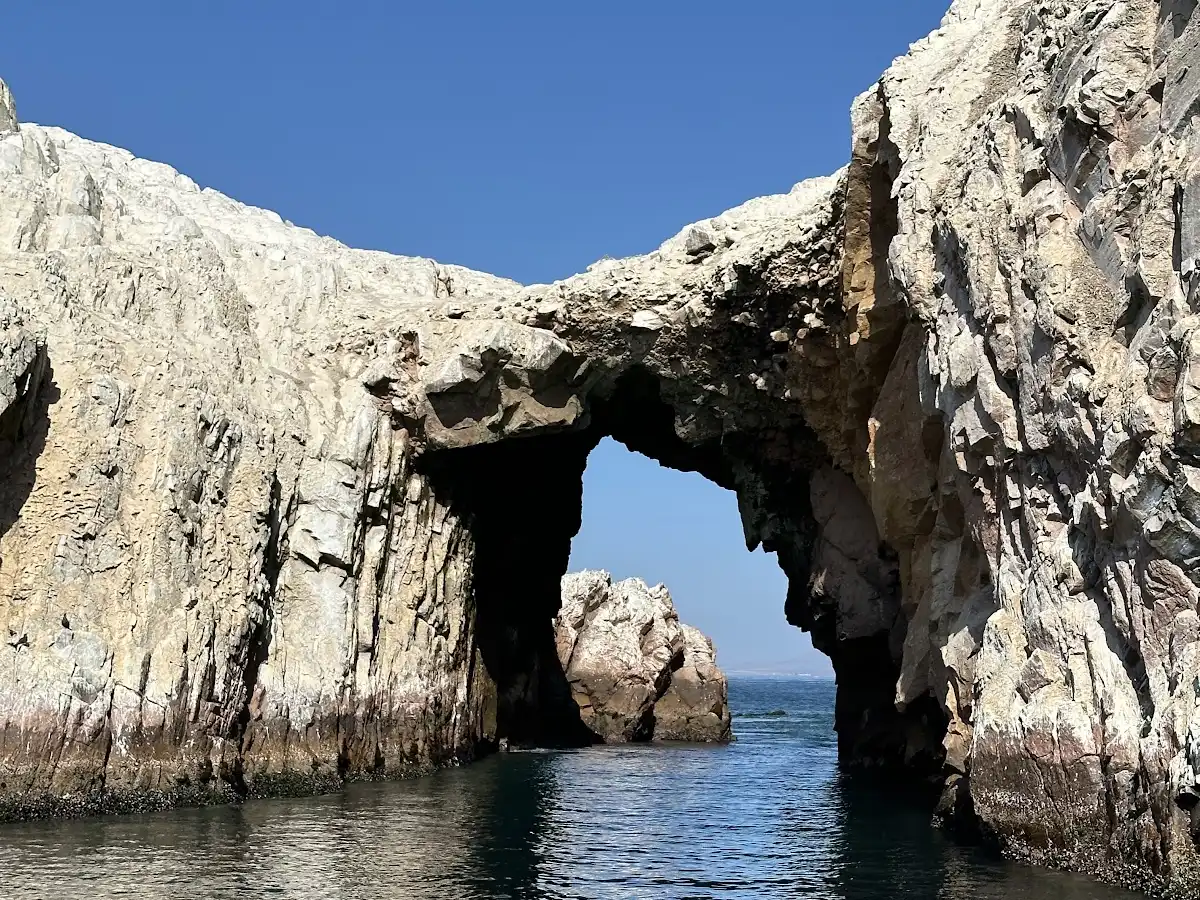
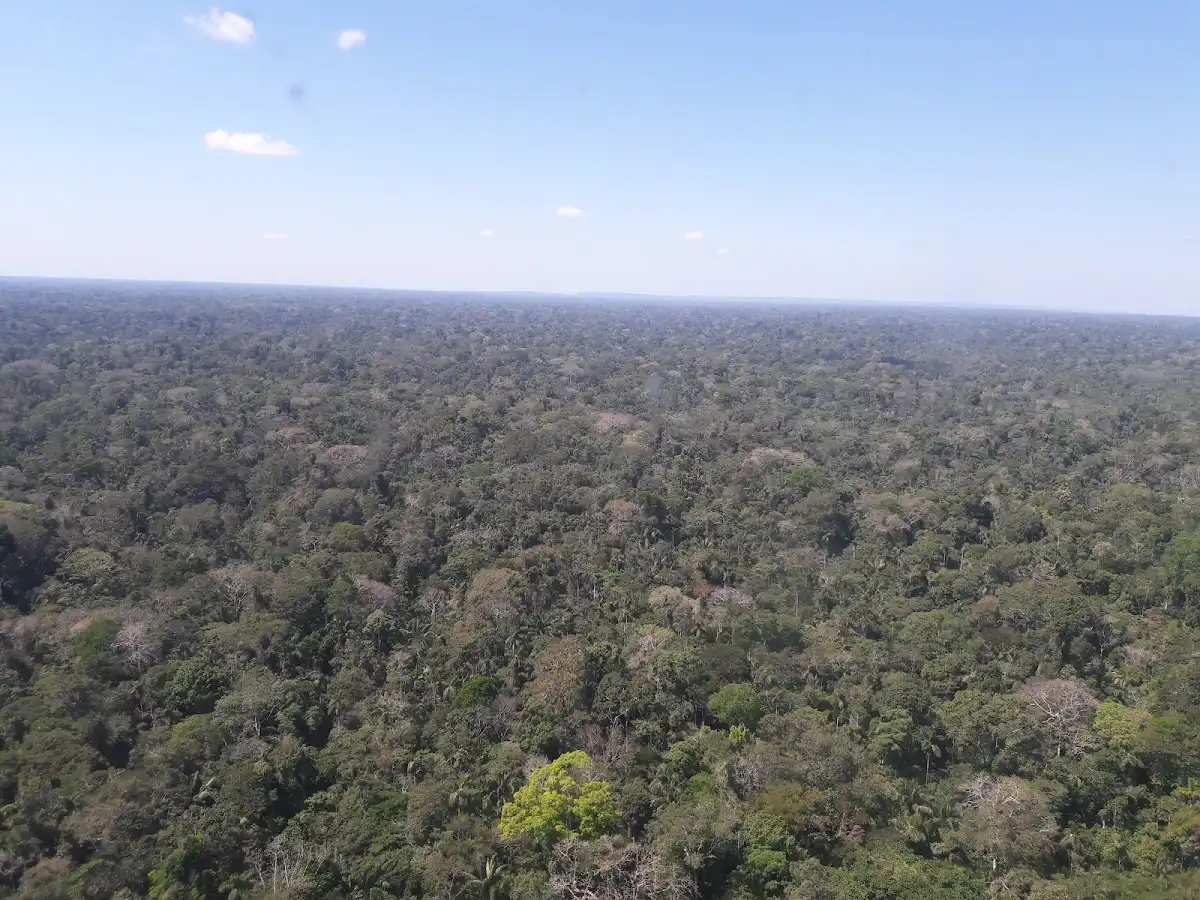
How many parks to visit: Three parks in two to three weeks is the number I recommend, one from each type: a high Andean park, an Amazon park and a coastal one. Peru’s distances and altitude punish rushing, and every extra stop adds a travel day that burns money and energy. Two parks in 10 days also works well. Four or more means you spend more hours on buses and in airports than on trails, and you pay for entry fees and gear transfers without really seeing anything.
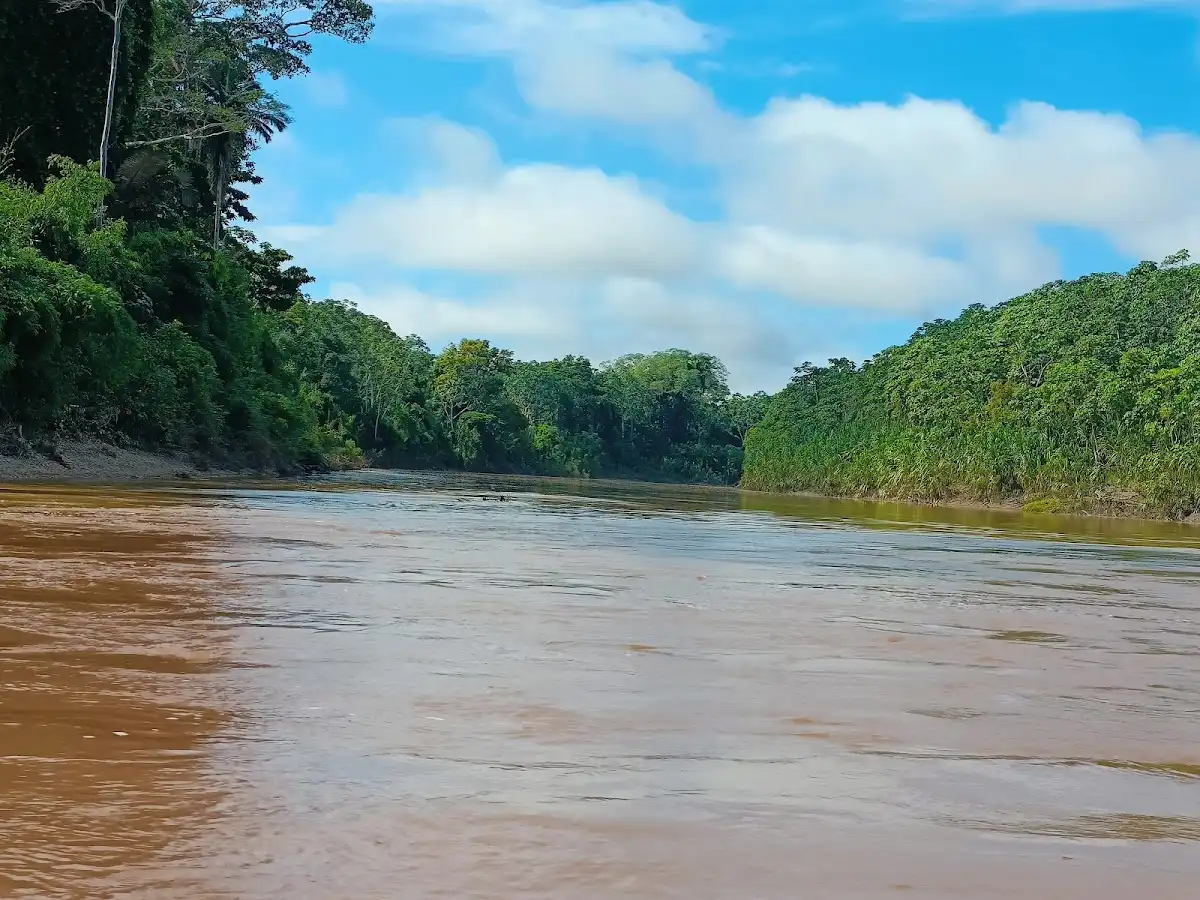
Choosing by travel style: Hikers and mountaineers should put the Andes first: independent access, cheap local transport and the widest range of trails. Wildlife seekers need the Amazon, where birds, monkeys and caimans reward a guide’s trained eye, and where a lodge or licensed operator is usually the only realistic way in. Travelers …
read more 👉 How many parks to visit: Three parks in two to three weeks is the number I recommend, one from each type: a high Andean park, an Amazon park and a coastal one. Peru’s distances and altitude punish rushing, and every extra stop adds a travel day that burns money and energy. Two parks in 10 days also works well. Four or more means you spend more hours on buses and in airports than on trails, and you pay for entry fees and gear transfers without really seeing anything.
Choosing by travel style: Hikers and mountaineers should put the Andes first: independent access, cheap local transport and the widest range of trails. Wildlife seekers need the Amazon, where birds, monkeys and caimans reward a guide’s trained eye, and where a lodge or licensed operator is usually the only realistic way in. Travelers short on time or on a tight budget, or those easing into the country, should choose the coast, which is flat, sea-level and reachable by a few hours’ bus from Lima. If you can afford only one jungle trip, prioritize quality over price. A cheap operator with a poor guide wastes the whole point of going.
What it actually costs: Entry fees are the smallest line. Expect roughly S/10 to 30 (US$3 to 8) per day at coastal and some lowland sites, and about S/30 to 65 (US$8 to 18) for multi-day Andean entry tickets. Everything else adds up quickly. Independent Andean travel runs around US$35 to 60 a day, including a hostel bed, local buses, food and fees. Add a day guide at US$40 to 80, or a multi-day trek with cook and muleteer at US$60 to 120 a day all-inclusive. The Amazon is the expensive end: most lodges and guided trips cost US$80 to 200 a day all-inclusive, plus US$60 to 120 for flights or boat transfers. Coastal travel sits around US$30 to 50 a day, with boat tours at S/40 to 100 (US$11 to 27) per person.
Costs and delays that catch travelers out: Cash is the first trap. Ticket booths and village shops frequently do not take cards, and ATMs may be a long way off, so carry soles in small notes. Permits are the second: some areas require advance booking, and last-minute Amazon trips often cost 30 percent more or simply sell out in July and August. Unlicensed jungle guides are cheaper but can leave you without insurance, proper safety gear or legal access, so check an operator’s registration before paying. Delays are the third. Strikes, landslides and flight cancellations are routine, particularly January to March, so keep a one-day buffer before any flight home and avoid scheduling long road legs on your last day.
Safety on the trail: Altitude sickness is the leading problem. Headache, nausea and poor sleep above 3,500 meters are common, so ascend gradually, drink plenty of water and descend if symptoms worsen. Ask a doctor about acetazolamide before you go. Hypothermia is another danger: weather above 4,000 meters can swing from sun to sleet within an hour, so waterproofs and a warm layer are not optional. In the Amazon, check yellow fever vaccination requirements and malaria advice for your area, and use insect repellent with DEET. Never swim in rivers without a guide. On night buses, keep valuables on your person, not in overhead racks.
Cultural respect: Many park boundaries overlap with community land. Pay local entrance fees where asked, ask before photographing people, and carry out all of your trash, since rural collection is limited. Coca leaves are part of daily life in the Andes, so accept an offered handful graciously. Never try to contact or approach isolated Amazon peoples, and avoid any tour that promises it. Carry a copy of your passport, because police and ranger checkpoints do ask for ID.
v2.webp)




 Best Backpacking
.jpg) Hi, I’m Johan (Netherlands 🇳🇱), the creator of TakeYourBackpack. Over the past 3 decades, I’ve backpacked through 90+ countries across six continents, gaining extensive experience with independent travel, long-term trips, and overland routes.
Hi, I’m Johan (Netherlands 🇳🇱), the creator of TakeYourBackpack. Over the past 3 decades, I’ve backpacked through 90+ countries across six continents, gaining extensive experience with independent travel, long-term trips, and overland routes.