×

Philippines🇵🇭 | festivalsAti-Atihan Festivalblackened faces, Kalibo, tribal street revelry | things to do and best time to go

Explore Cotabato CityExplore Pahiyas Festival

Backpacking in Ati-Atihan
🏆 Top pickfestival ranked #2
By Johan Kruseman 🇳🇱 | Updated May 8, 2026

Ten years ago, Ati-Atihan felt raw and almost feral: barefoot kids drumming on paint cans, locals smearing soot on your face, brass bands blasting until your ribs shook. Today it’s more organized, more stages and sponsors, but the core chaos still punches through if you lean into it. The festival erupts in Kalibo, on Panay Island in the central Philippines, and it turns the whole town into a marching, chanting maze for about a week each January.

Ati-Atihan is part Catholic devotion, part street rave, part tribal parade. Think pounding drums, trumpets, and endless “Hala Bira!” chants instead of polished EDM. You’ll see families, hardcore devotees, drunk uncles, and backpackers all jammed together, moving as one noisy river. It’s sweaty, crowded, and not remotely “chill,” but that’s the point. If you can handle the crush and the late nights, it’s one of those festivals that still lets you join the parade instead of just watching from behind a barrier.

Discover everything you want to know in the 📖 Philippines Travel Guide.
Loading the map 🌍
CLICK TO FILTER
city
town
unique site
national park
hike
beach
attraction
festival
region
SHOW COUNTRY’S BESTSHOW ALL

✨ Why go?
Ranked #2 festival in Philippines
The unique appeal for travelers

Backpackers flock to the Ati-Atihan Festival in the Philippines for a jolt of social energy that’s hard to find elsewhere. This isn’t just a party; it’s a temporary community where locals and travelers unite, drumming and dancing in vibrant celebration. You’ll feel the pulse of the culture as you immerse yourself in the colorful parades and traditional rituals.

Planning your route around this festival isn’t just smart; it’s essential. It offers a unique chance to experience Filipino culture in its rawest form, all while keeping your budget intact. Compared to similar events worldwide, the affordability of food, lodging, and activities here is a steal.

Integrating the festival into your longer travel plans adds a layer of excitement. It’s a perfect pit stop between island-hopping adventures … read more 👉
Backpackers flock to the Ati-Atihan Festival in the Philippines for a jolt of social energy that’s hard to find elsewhere. This isn’t just a party; it’s a temporary community where locals and travelers unite, drumming and dancing in vibrant celebration. You’ll feel the pulse of the culture as you immerse yourself in the colorful parades and traditional rituals.

Planning your route around this festival isn’t just smart; it’s essential. It offers a unique chance to experience Filipino culture in its rawest form, all while keeping your budget intact. Compared to similar events worldwide, the affordability of food, lodging, and activities here is a steal.

Integrating the festival into your longer travel plans adds a layer of excitement. It’s a perfect pit stop between island-hopping adventures or a trek through the stunning landscapes of the Philippines. Don’t miss out on this vibrant experience; it’s a highlight that fuels your journey and enriches your travels.
Get the complete Travel Guide for Philippines
Everything organized for offline planning — routes, highlights, costs & tips

See what’s inside 👉

Get the Travel Guide -

💡 HighlightsDon't-miss highlights and experiences

  1. Sadsad (street dancing) — The raw, joyful core of Ati-Atihan: huge groups of dancers moving through the streets in sync, pounding the pavement and inviting everyone to join. It’s messy, loud, and unpolished in the best way—real people celebrating together rather than a staged show.
  2. Drums and percussion rhythm — Constant, hypnotic drumming sets the pace and keeps energy high all day. That relentless beat is what makes the festival feel like a single living thing; it pulls you along whether you’re watching, dancing, or just passing by.
  3. Costumes and body paint — Elaborate, improvised outfits and traditional body paint (a cultural homage rooted in the festival’s history) give every contingent a signature look. You’ll see wild creativity—recycled materials, bright feathers, hand-painted motifs—so
read more 👉
  1. Sadsad (street dancing) — The raw, joyful core of Ati-Atihan: huge groups of dancers moving through the streets in sync, pounding the pavement and inviting everyone to join. It’s messy, loud, and unpolished in the best way—real people celebrating together rather than a staged show.
  2. Drums and percussion rhythm — Constant, hypnotic drumming sets the pace and keeps energy high all day. That relentless beat is what makes the festival feel like a single living thing; it pulls you along whether you’re watching, dancing, or just passing by.
  3. Costumes and body paint — Elaborate, improvised outfits and traditional body paint (a cultural homage rooted in the festival’s history) give every contingent a signature look. You’ll see wild creativity—recycled materials, bright feathers, hand-painted motifs—so no two groups look the same.
  4. Devotion to Santo Niño mixed with indigenous roots — Ati-Atihan blends Catholic procession and prayers for the Santo Niño with older indigenous traditions. That mix of faith and folklore gives the festival real depth: it’s both a party and a communal act of thanksgiving.
  5. Street food, night revelry, and local warmth — The food stalls, impromptu parties, and open-door vibe are as important as the spectacles. Eating grilled seafood, sharing drinks with locals, and watching events spill into the night are how the festival becomes a living, breathable experience.
Personal favorite: Sadsad (the street dancing)—nothing beats losing yourself in the crowd and dancing to those drums.
Spotted a mistake or missing something? Contact us.

Things to do near Ati-Atihan Festival

Ratings based on Tripadvisor reviews. When you book through this link, you support our work at no extra cost to you.

🌤️ When to go?When is the celebration of Ati-Atihan Festival?


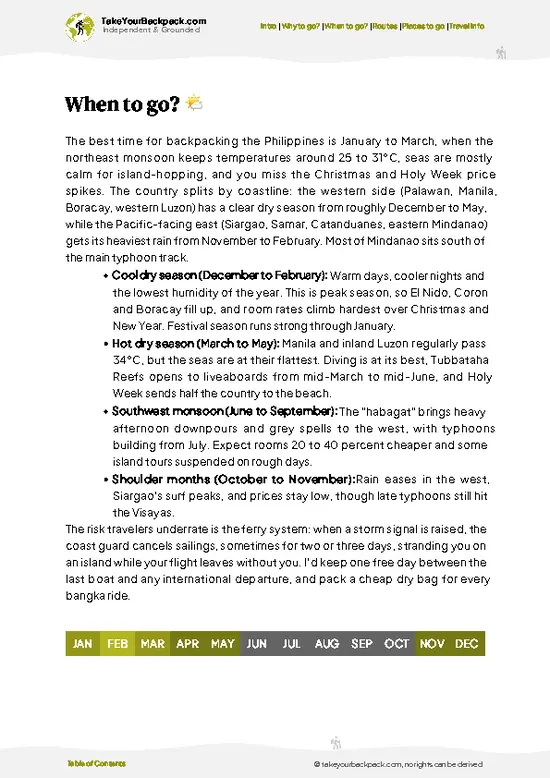
  • Topic: Weather – January is the sweet spot. The dry season means less mud and more dancing, with temperatures hovering around 26°C to 30°C (79°F to 86°F). Avoid the rainy months (June to November) when downpours can drown the party and your gear.

  • Topic: Temperature – Expect warm days and cooler nights. Daytime highs reach 30°C (86°F), but evenings dip to about 22°C (72°F), so pack light layers to stay comfortable during those late-night street jams.

  • Topic: Daylight Hours – Around 11 to 12 hours of daylight in January, giving you plenty of time to soak in the festival’s energy from dawn till dusk without rushing.

  • Topic: Crowds – Peak festival days (second Sunday of January) pack the streets. If you want the vibe without the shoulder-to-shoulder crush, arrive early in the week or stay
read more 👉

  • Topic: Weather – January is the sweet spot. The dry season means less mud and more dancing, with temperatures hovering around 26°C to 30°C (79°F to 86°F). Avoid the rainy months (June to November) when downpours can drown the party and your gear.

  • Topic: Temperature – Expect warm days and cooler nights. Daytime highs reach 30°C (86°F), but evenings dip to about 22°C (72°F), so pack light layers to stay comfortable during those late-night street jams.

  • Topic: Daylight Hours – Around 11 to 12 hours of daylight in January, giving you plenty of time to soak in the festival’s energy from dawn till dusk without rushing.

  • Topic: Crowds – Peak festival days (second Sunday of January) pack the streets. If you want the vibe without the shoulder-to-shoulder crush, arrive early in the week or stay late to catch the tail-end celebrations.

  • Topic: Seasonal Activities – January’s Ati-Atihan coincides with other local fiestas and cultural events, so timing your visit here means you’re diving into a full-on cultural immersion, not just a one-day spectacle.

  • Topic: Price Fluctuations – Expect accommodation and transport prices to spike during the festival weekend. Booking early or aiming for days just before or after can save you serious pesos and stress.


Pro-tip: Lock in your trip for early January, before the main weekend crush, to catch the festival’s raw energy without the inflated costs or packed crowds.


source: climatestotravel.comJANJanuary: excellent for travelingFEBFebruary: not recommended for travelingMARMarch: not recommended for travelingAPRApril: not recommended for travelingMAYMay: not recommended for travelingJUNJune: not recommended for travelingJULJuly: not recommended for travelingAUGAugust: not recommended for travelingSEPSeptember: not recommended for travelingOCTOctober: not recommended for travelingNOVNovember: not recommended for travelingDECDecember: not recommended for traveling

✈️ The backpacker research shortcutPhilippines Travel Guide

An offline-friendly backpacking guide with optimized travel routes, ranked highlights, transport advice, and the best areas to stay.
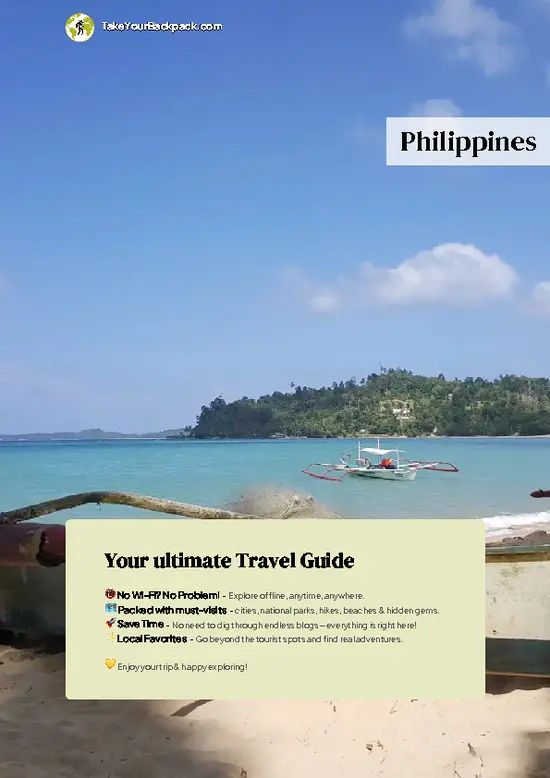
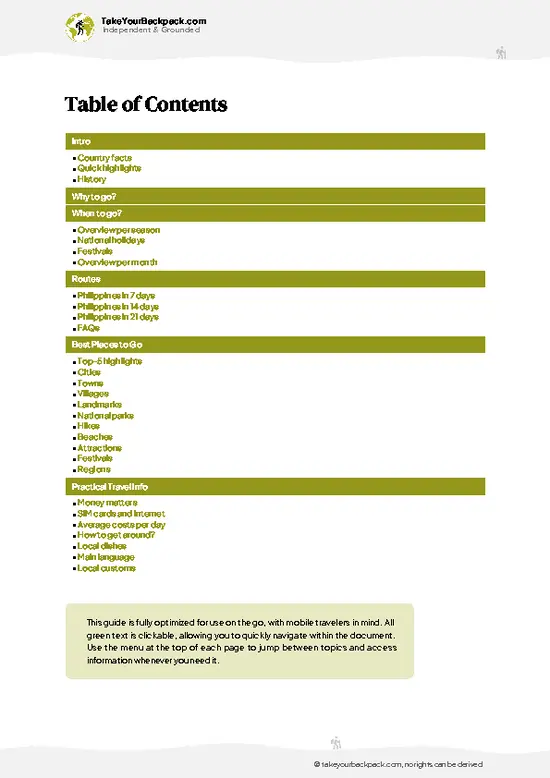
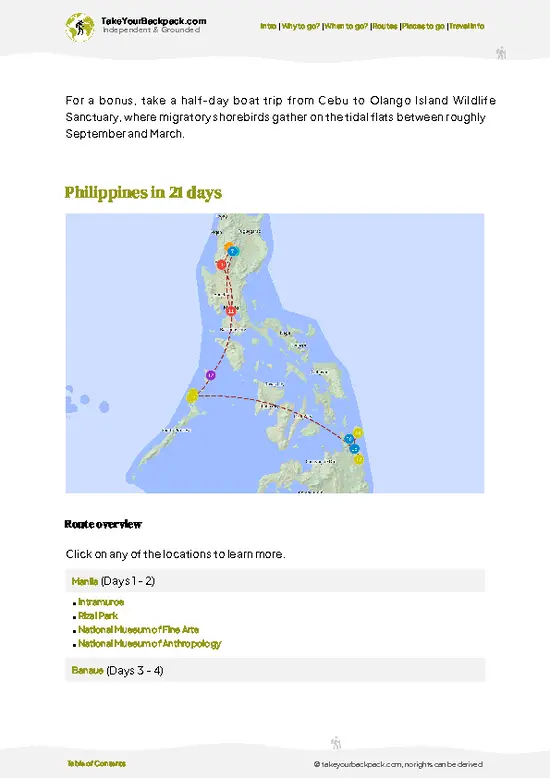
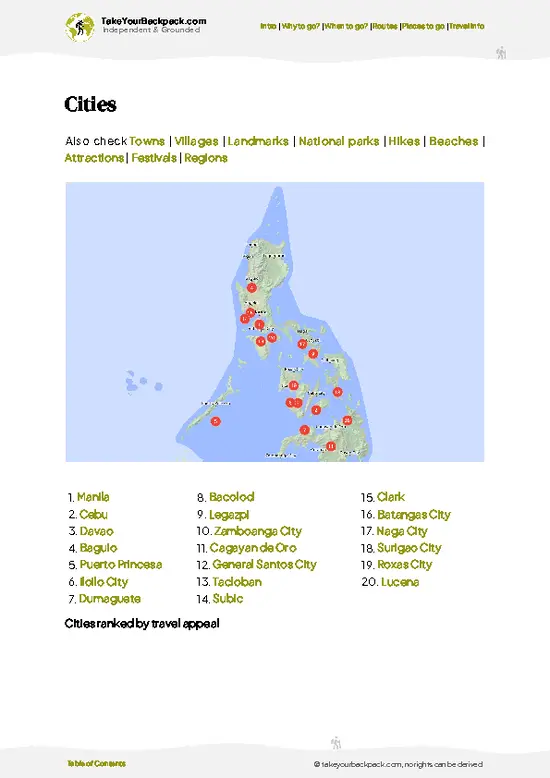
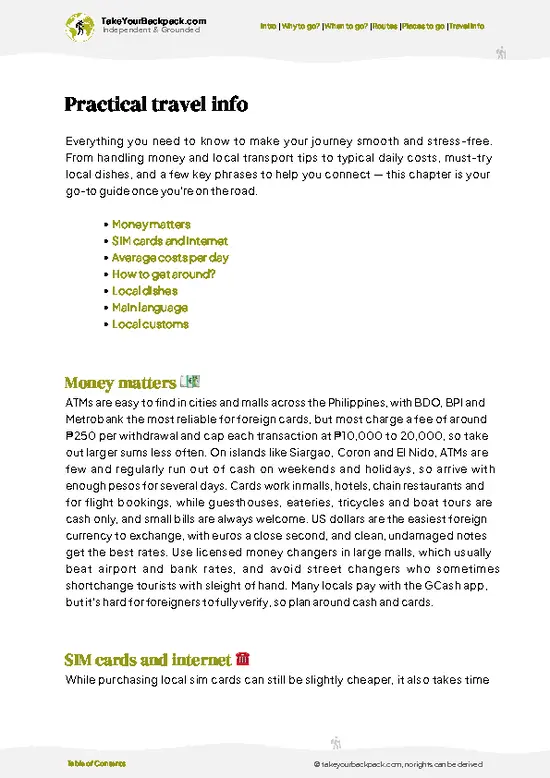
example page 0 from our offline Travel Guide for Philippinesexample page 1 from our offline Travel Guide for Philippinesexample page 2 from our offline Travel Guide for Philippinesexample page 3 from our offline Travel Guide for Philippinesexample page 4 from our offline Travel Guide for Philippinesexample page 5 from our offline Travel Guide for Philippinesexample page 6 from our offline Travel Guide for Philippinesexample page 7 from our offline Travel Guide for Philippines
The digital guide (505 pages) contains:
144 highlights, ranked by travel appeal
Optimized 7, 14 & 21-day travel routes
Cities, national parks, beaches, historical sites, ...
How to get around
Offline-friendly for travel without Wi-Fi
👉 Click to see all 30+ guide features

📅 Plan smarter in minutes, not weeks
Month by month travel advice
Festivals & national holidays
Budget expectations

🗺️ Go to the right places, skip the overrated ones
Honest pros & cons of destinations
Top hikes, parks & viewpoints
Lesser-known places most travelers miss
Clear “worth it vs skip it” guidance

🛏️ Travel smoothly without rookie mistakes
Best areas to stay
Transport systems explained simply
Common scams & safety advice
SIM cards, money & practical tips

🌍 Understand the country, not just visit it
Culture & traditions
52 Essential phrases & customs
Festivals worth planning around
Traveler-friendly historical context
Insights that make places more meaningful

📱 Built for real travel conditions
Fully downloadable PDF
Works completely offline
Optimized for phone use
Useful in remote areas & buses
Everything in one place
Save weeks of stressful planning
Get instant access to the full guide directly. 30-day money-back guarantee.


Sent to your inbox immediately after payment • 100% Secure Checkout
Best Backpacking Travel Advisor 2025 tourism awardBest Backpacking
Travel Advisor
2025
What others say about Take Your Backpack Guides:
⭐⭐⭐⭐⭐
Fantastic, amazing amount of information!
⭐⭐⭐⭐⭐
My goodness this is amazing, it's what I've been looking for hats off too you!
⭐⭐⭐⭐⭐
I think this is absolutely BRILLIANT
⭐⭐⭐⭐
Very complete and informative. It's still missing places, but I gotta to commend you
⭐⭐⭐⭐⭐
This is truly amazing, thank you, can't wait to explore it with my kids!
⭐⭐⭐⭐⭐
Awesome resource, thank you!
⭐⭐⭐⭐⭐
This is amazing! Can't wait to explore the ones I haven't seen
⭐⭐⭐⭐
I love this! Well done, great idea.
⭐⭐⭐⭐⭐
Thanks for taking the time to make this gem!
⭐⭐⭐⭐⭐
This might be the best website I've ever seen.
⭐⭐⭐⭐⭐
Congratulations, and thank you so much for your work; it's incredibly valuable.
⭐⭐⭐⭐
In all seriousness I think you did a great job pointing out the important spots
⭐⭐⭐⭐⭐
10/10 very good
⭐⭐⭐⭐⭐
As someone who's only just starting to visit regularly this is awesome, thank you.
⭐⭐⭐⭐
Thank you very much! I'm going to visit my dad, it's going to be very useful!
⭐⭐⭐⭐⭐
This is really cool! We'll be travelling for the first time and this definitely come in handy.
⭐⭐⭐⭐⭐
You are now our minister of culture, congratulations 👨‍💼
⭐⭐⭐⭐⭐
Just wanted to tell you that this is a pearl! Going to follow your recommendations.
⭐⭐⭐⭐⭐
This is so cool. I'll definitely be using the resource for my travels soon.
⭐⭐⭐⭐⭐
This is very impressive! Good work.
⭐⭐⭐⭐⭐
This is an amazing and informative site. Very well done!

🛏️ Where to stay?Where staying makes the most sense

When you’re gearing up for the Ati-Atihan Festival in the Philippines, the right base can make all the difference. Head to Kalibo, the festival’s heart. This bustling town is alive with energy, especially during the festivities. You’ll find a mix of budget-friendly accommodations that cater to solo travelers and backpackers.

Stay close to the main square for easy access to the parades and street parties. The atmosphere is electric, and you’ll meet fellow adventurers eager to share stories and tips. Safety is a priority here, especially in the crowded areas, so stick to well-lit streets at night … read more 👉
When you’re gearing up for the Ati-Atihan Festival in the Philippines, the right base can make all the difference. Head to Kalibo, the festival’s heart. This bustling town is alive with energy, especially during the festivities. You’ll find a mix of budget-friendly accommodations that cater to solo travelers and backpackers.

Stay close to the main square for easy access to the parades and street parties. The atmosphere is electric, and you’ll meet fellow adventurers eager to share stories and tips. Safety is a priority here, especially in the crowded areas, so stick to well-lit streets at night and keep your belongings close.

Another solid option is nearby Malay, where you can find a more laid-back vibe. It’s a short ride from Kalibo, and you can enjoy the beach during downtime. The local hostels often organize group outings, making it easy to bond with other travelers.

Don’t overlook the importance of location. Being near the action means you can recharge quickly and dive back into the festivities. Prioritize social spaces where you can connect, share a laugh, and soak in the vibrant culture. That’s where the real magic happens.

👛 Costs (as of 6 October 2025)What things cost and how to budget

The Ati-Atihan Festival in the Philippines is a vibrant celebration, but navigating the costs can be tricky. Here’s how to budget effectively so you can focus on the experience rather than the expenses.
  • Festival Tickets: Entry to the festival is generally free, but some special events or activities may charge a fee. Expect to pay around €5-€15 ($5-$15) for access to exclusive performances or areas. Keep an eye out for local guides offering tours that can enhance your experience for about €20-€50 ($20-$50).
  • Accommodation: Options range from budget hostels to mid-range hotels. Dormitory beds can be found for €10-€20 ($10-$20) per night, while private rooms in guesthouses typically cost €25-€50 ($25-$50). Book early, as places fill up fast during the festival.
  • Local Transport: Getting around is
read more 👉
The Ati-Atihan Festival in the Philippines is a vibrant celebration, but navigating the costs can be tricky. Here’s how to budget effectively so you can focus on the experience rather than the expenses.
  • Festival Tickets: Entry to the festival is generally free, but some special events or activities may charge a fee. Expect to pay around €5-€15 ($5-$15) for access to exclusive performances or areas. Keep an eye out for local guides offering tours that can enhance your experience for about €20-€50 ($20-$50).
  • Accommodation: Options range from budget hostels to mid-range hotels. Dormitory beds can be found for €10-€20 ($10-$20) per night, while private rooms in guesthouses typically cost €25-€50 ($25-$50). Book early, as places fill up fast during the festival.
  • Local Transport: Getting around is relatively cheap. Jeepneys and tricycles are the main modes of transport. A jeepney ride costs about €0.20-€0.50 ($0.20-$0.50), while tricycle fares range from €0.50-€2 ($0.50-$2) depending on distance. Budget around €5-€10 ($5-$10) for a day of travel.
  • Food & Drinks: Street food is a highlight and incredibly affordable. You can grab a meal for €1-€3 ($1-$3). Dining at local restaurants will set you back about €5-€10 ($5-$10) per meal. Don’t forget to try the local delicacies! Budget around €10-€20 ($10-$20) per day for food and drinks.
  • Miscellaneous Expenses: This includes souvenirs, tips, and unexpected costs. Set aside €10-€30 ($10-$30) for this category. Local crafts and trinkets can be tempting, so keep your budget flexible.

By planning ahead and being mindful of these costs, you’ll preserve your energy and budget for the moments that truly matter at the Ati-Atihan Festival.
⚠️ Prices can change and everyone travels differently, so take this as a rough guide. Hope it helps you plan your adventure!

🍲 FoodEating & Drinking in Ati-Atihan

At the **Ati-Atihan Festival**, food is as vibrant as the festivities. You’ll find stalls overflowing with **local specialties** that pulse with flavor. Dive into **kare-kare**, a rich peanut stew, or savor the crispy delight of **lechon**, roasted pork that crackles with every bite. Don’t miss **binatog**, a warm corn dish topped with coconut and sugar—perfect for a quick energy boost as you dance through the streets.

For drinks, grab a refreshing **buko juice** straight from the coconut. It’s hydrating and a must-have in the tropical heat. If you’re feeling adventurous, try **tuba**, a local fermented coconut drink that packs a punch.

Festival etiquette is all about **sharing**. Don’t be surprised if someone offers you a taste of their dish; it’s a sign of camaraderie. Lines can get long, … read more 👉
At the **Ati-Atihan Festival**, food is as vibrant as the festivities. You’ll find stalls overflowing with **local specialties** that pulse with flavor. Dive into **kare-kare**, a rich peanut stew, or savor the crispy delight of **lechon**, roasted pork that crackles with every bite. Don’t miss **binatog**, a warm corn dish topped with coconut and sugar—perfect for a quick energy boost as you dance through the streets.

For drinks, grab a refreshing **buko juice** straight from the coconut. It’s hydrating and a must-have in the tropical heat. If you’re feeling adventurous, try **tuba**, a local fermented coconut drink that packs a punch.

Festival etiquette is all about **sharing**. Don’t be surprised if someone offers you a taste of their dish; it’s a sign of camaraderie. Lines can get long, so be patient and enjoy the atmosphere. Cash is king here; many stalls won’t accept cards, so stock up before diving in.

Serving sizes can vary, so don’t hesitate to ask for smaller portions to sample more. This festival isn’t just about eating; it’s about experiencing the heart of Filipino culture, one bite at a time.

Other Filipino festivals near Ati-Atihan

Explore more nearby:

  • Sinulog—Cebu City, Santo Niño devotion, rhythmic procession| 118 km away
  • Pahiyas Festival—decorated houses, Lucban, rice harvest| 406 km away
  • Higantes Festival—giant papier-mâché figures, Angono, folk satire| 439 km away

👉 Discover all festivals

Or checkout all Philippines has to offer (think cities, towns, villages, national parks, hikes, beaches, festivals)
Country photo of Philippines

We 💚 feedbackIs it worth it?

The Ati-Atihan Festival is a riot of color and sound, where you’ll feel the pulse of Filipino culture in every drumbeat and dance. It’s a wild celebration that pulls you in, making you part of something bigger. But brace yourself for the crowds; they can be overwhelming. Plan your escape routes and stay hydrated. That way, you’ll keep your energy up for the moments that truly matter.

✈️ When did I visit Philippines?
Philippines being one of my favorites, due to the people and their mentality. I visited it first in 2010 and came back in January 2016 as part of my 1.5 year world trip.

✍️ Help improve this page!
The information on this page is based on my own backpacking experience in Philippines, supplemented with up-to-date research and feedback from other travelers. Travel details can change, so if you notice anything outdated or incomplete, feel free to let me know.


🙋‍♂️ Give feedback

👋 Meet the founderWho’s Behind Take Your Backpack?

Johan, backpacker and founder of TakeYourBackpackHi, I’m Johan (Netherlands 🇳🇱), the creator of TakeYourBackpack. Over the past decade, I’ve backpacked through 80+ countries across six continents, gaining extensive experience with independent travel, long-term trips, and overland routes.

This site is built on a combination of firsthand travel experience and carefully curated insights from other backpackers. Many guides are based on places I’ve personally visited, while others bring together tips, observations, and practical advice shared by trusted travelers I’ve met along the way.

The goal is to provide realistic, experience-driven guidance — not generic itineraries — so you can explore destinations with better context, clearer expectations, and more confidence.

Get full country guide •
Instant download • 144 highlights • Full Offline guide