×

Philippines🇵🇭 | best festivalsYour Guide to the 10 Best festivals in Philippines

In the Philippines, festivals are more than just events; they’re vibrant expressions of culture, history, and community spirit. Each region boasts its own unique celebrations, often tied to local traditions and seasonal cycles. For backpackers, this means a rich tapestry of experiences, from the lively Sinulog in Cebu to the colorful Pahiyas in Quezon.

Timing is crucial; festivals can draw massive crowds, impacting your budget and safety. Choosing the right festival not only enhances your cultural immersion but also dictates the vibe of your trip. Smaller, local festivals often offer a more intimate experience, while larger events can be overwhelming yet exhilarating.

Travel logistics vary widely across the archipelago, affecting ease of movement and accommodation options. Understanding these nuances allows you to navigate your journey with confidence, ensuring that your festival experience in the Philippines is both memorable and authentic.

By Johan Kruseman 🇳🇱 | Updated May 24, 2026
Explore the best regions in Philippines

Why go?Why These festival Stand Out

Festivals in the Philippines are a vibrant tapestry of cultural expression, deeply rooted in the nation’s history and community spirit. Unlike many countries, where festivals may focus on singular themes, Philippine festivals celebrate a mosaic of traditions, from indigenous rituals to Spanish colonial influences. This blend creates a unique atmosphere, where the past and present collide in colorful parades, lively dances, and communal feasts.

Timing is crucial. Most festivals occur during the dry season, from January to May, when the weather is more predictable. However, this peak season also attracts larger crowds, which can dilute the immersive experience. Travelers must weigh the excitement of joining throngs of locals against the potential for a less intimate connection to the culture. … read more 👉
Festivals in the Philippines are a vibrant tapestry of cultural expression, deeply rooted in the nation’s history and community spirit. Unlike many countries, where festivals may focus on singular themes, Philippine festivals celebrate a mosaic of traditions, from indigenous rituals to Spanish colonial influences. This blend creates a unique atmosphere, where the past and present collide in colorful parades, lively dances, and communal feasts.

Timing is crucial. Most festivals occur during the dry season, from January to May, when the weather is more predictable. However, this peak season also attracts larger crowds, which can dilute the immersive experience. Travelers must weigh the excitement of joining throngs of locals against the potential for a less intimate connection to the culture. For those seeking deeper engagement, visiting during off-peak times may offer a more authentic glimpse into local life, albeit with fewer organized festivities.

Geographically, the Philippines is an archipelago, which means accessibility can be a challenge. Some festivals are held on remote islands, requiring additional travel time. This trade-off can lead to a richer exploration of local customs but may also stretch budgets and itineraries. The logistical hurdles of island-hopping can be daunting, yet they often reward the traveler with a sense of discovery and connection to the land.

Climatically, the tropical environment can be both a blessing and a curse. While the warm weather enhances the festive spirit, it can also lead to unexpected rain showers. Understanding these climatic nuances is essential for planning. Ultimately, the festivals of the Philippines offer a dynamic cultural experience, but travelers must navigate the trade-offs of time, comfort, and cost to truly appreciate the depth of what these celebrations represent.
How the List Was Created
The list of best festivals in Philippines is created based on energy, traditions, crowd experience, activities, and overall excitement. If you feel a festival is missing in this list, please let us know.

When to go?Timing Your Visit for the Best Experience

Seasonality and Festivals


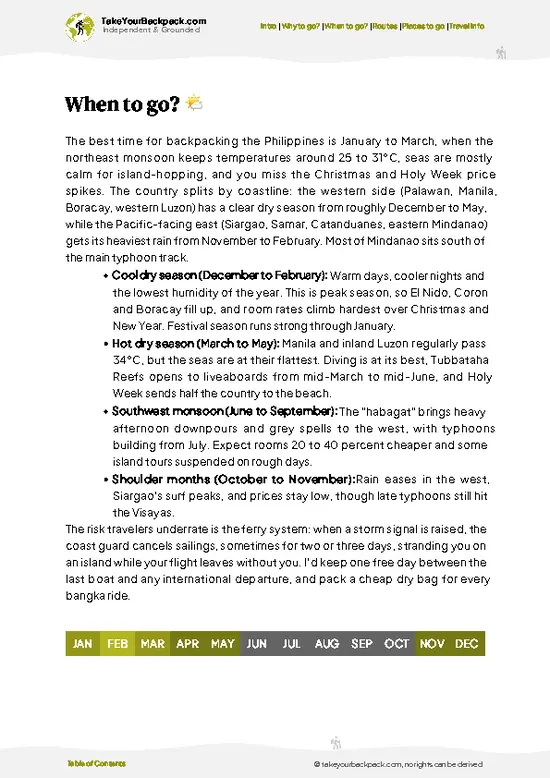
The Philippines thrives on its festivals, with timing playing a crucial role in the experience. Generally, the dry season, from November to April, is when most major festivals occur. This period offers pleasant weather, making it ideal for outdoor celebrations. However, it also attracts larger crowds and higher costs.

Optimal Months


January is a prime month for festivals, with vibrant celebrations marking the New Year and various cultural events. February and March follow suit, offering a mix of festivities and milder weather. April can be sweltering, but it’s also when some of the most colorful festivals take place.

Shoulder Seasons


Visiting during the shoulder months of May and October can provide a different experience. May still has some festivals, but … read more 👉

Seasonality and Festivals


The Philippines thrives on its festivals, with timing playing a crucial role in the experience. Generally, the dry season, from November to April, is when most major festivals occur. This period offers pleasant weather, making it ideal for outdoor celebrations. However, it also attracts larger crowds and higher costs.

Optimal Months


January is a prime month for festivals, with vibrant celebrations marking the New Year and various cultural events. February and March follow suit, offering a mix of festivities and milder weather. April can be sweltering, but it’s also when some of the most colorful festivals take place.

Shoulder Seasons


Visiting during the shoulder months of May and October can provide a different experience. May still has some festivals, but the heat can be intense, and the crowds are thinner. October, on the other hand, is quieter, with fewer events, but it offers a chance to engage more authentically with local culture.

Peak Periods


The peak festival season can lead to inflated prices for accommodations and travel. Expect bustling streets and packed venues, which can dilute the local atmosphere. If the goal is to soak in the culture without the tourist rush, consider timing visits for off-peak months.

Trade-Offs


Choosing when to visit involves weighing the energy of peak celebrations against the tranquility of quieter times. High-energy festivals come with the excitement of crowds, but they can also mean less personal interaction with locals. Conversely, quieter periods may offer deeper cultural insights but lack the vibrant spectacle that defines Filipino festivals. Understanding these dynamics is essential for planning a trip that aligns with personal preferences and desired experiences.

festival hoppingHow to Combine festivals Into One Trip

Festival Routing Logic


To maximize your festival experience in the Philippines, start by clustering events regionally. The country is divided into three main island groups: Luzon, Visayas, and Mindanao. Begin in Luzon, where festivals like the Panagbenga in Baguio and the Pahiyas in Lucban occur early in the year. This sets a solid foundation for your trip.

Next, head to the Visayas. The Sinulog in Cebu is a must, typically held in January. From there, you can easily hop to the Ati-Atihan in Kalibo, which usually follows shortly after. This regional clustering minimizes travel time and maximizes festival immersion.

Timing and Pacing


Plan for at least two to three days per festival to soak in the atmosphere without feeling rushed. This allows for exploration of local culture and cuisine, … read more 👉

Festival Routing Logic


To maximize your festival experience in the Philippines, start by clustering events regionally. The country is divided into three main island groups: Luzon, Visayas, and Mindanao. Begin in Luzon, where festivals like the Panagbenga in Baguio and the Pahiyas in Lucban occur early in the year. This sets a solid foundation for your trip.

Next, head to the Visayas. The Sinulog in Cebu is a must, typically held in January. From there, you can easily hop to the Ati-Atihan in Kalibo, which usually follows shortly after. This regional clustering minimizes travel time and maximizes festival immersion.

Timing and Pacing


Plan for at least two to three days per festival to soak in the atmosphere without feeling rushed. This allows for exploration of local culture and cuisine, which are integral to the experience. Avoid the common mistake of trying to cram too many events into a short timeframe. It’s tempting to chase every festival, but this often leads to burnout and missed opportunities for genuine engagement.

Trade-Offs and Constraints


Consider the trade-offs between speed and depth of experience. Rushing from one festival to another may save time but can dilute the richness of each event. Budget constraints also play a role; while some festivals are free, others may require accommodation and travel expenses that can add up quickly. Prioritize comfort by booking accommodations in advance, especially during peak festival seasons.

Flexibility and Strategic Planning


Maintain flexibility in your itinerary. Weather and local conditions can impact festival schedules. Having a few backup options allows for spontaneous adventures. Ultimately, the goal is to balance energy levels, crowd sizes, and travel logistics to create a rewarding festival journey through the Philippines.

The ListHighly Recommended festivals of Philippines

1 Sinulog

Cebu City, Santo Niño devotion, rhythmic procession

Follow the crowd in Cebu as dancers in bright costumes honor the Santo Niño with synchronized steps and religious pageantry.

2 Ati-Atihan Festival

blackened faces, Kalibo, tribal street revelry

Move with the beat as Kalibo’s participants, painted in soot, dance through the streets in a rhythmic homage to indigenous roots.

3 MassKara Festival

smiling masks, street dancing, Bacolod plazas

Join crowds in Bacolod as performers in elaborate masks fill the streets with music, movement, and bursts of color at every turn.

4 Dinagyang Festival

warrior costumes, Iloilo City, drumbeats

Experience Iloilo’s citywide celebration where tribes in striking regalia compete in high-energy performances echoing indigenous traditions.

5 Panagbenga

flower floats, Baguio City, street dancing

Stroll Baguio’s avenues lined with floral floats and watch choreographed dances that mark the city’s annual tribute to blooming season.

6 Kadayawan Festival

Davao harvest, floral floats, indigenous pageantry

Immerse yourself in Davao’s multi-ethnic celebration, where bountiful harvests and floral displays meet tribal performances and street revelry.

7 Pahiyas Festival

decorated houses, Lucban, rice harvest

Walk past homes adorned with colorful rice wafers and farm produce, celebrating Lucban’s gratitude for a successful harvest.

8 Moriones Festival

Roman centurion masks, Holy Week, Marinduque

Watch locals in hand-carved helmets roam Marinduque, reenacting biblical tales and creating a surreal atmosphere during the Lenten season.

9 Higantes Festival

giant papier-mâché figures, Angono, folk satire

See towering effigies parade through Angono, reflecting local humor and artistry in a playful display rooted in social commentary.

10 Pintados-Kasadyaan Festival

body paint, Leyte heritage, ritual parades

Witness painted dancers reenact ancient Visayan tattooing and rituals, blending folk beliefs with lively processions through Leyte’s streets.

11 Kaamulan Festival

indigenous gatherings, Bukidnon, tribal rituals

Attend a convergence of Bukidnon’s ethnic groups, where traditional ceremonies, music, and dances reveal deep-rooted customs.

12 Lanzones Festival

tropical fruit harvest, Mambajao, Camiguin Island

Celebrate the lanzones harvest on Camiguin with fruit-themed parades, street performances, and communal feasts in a small island setting.

13 Sandugo Festival

blood compact reenactment, Bohol, colonial history

Observe Boholanos restage the historic blood pact, blending Spanish-era narratives with community dances and cultural showcases.

14 T’nalak Festival

woven cloth, T’boli culture, South Cotabato

Admire intricate T’boli textiles and join in festivities that highlight indigenous craftsmanship, music, and regional pride.

15 Ibalong Festival

epic heroes, Bicol mythology, street theater

Follow costumed characters as they bring Bicol’s legendary tales to life with dramatic performances and myth-inspired pageantry.

16 Paraw Regatta Festival

sailboat race, Iloilo Strait, painted sails

Catch a fleet of vividly decorated paraws racing across the water, blending maritime tradition with festive shoreside activities.

17 Baguio Arts Festival

contemporary art, Cordillera creativity, public installations

Explore Baguio’s open-air galleries and interactive exhibits, where local artists transform public spaces with innovative works.

18 Mango Festival

Zambales, fruit displays, local delicacies

Sample mango-inspired treats and watch creative floats as Zambales townspeople highlight their prized crop with culinary events and contests.

19 Tabak Festival

giant sword replicas, Tabaco City, blacksmithing

Discover Tabaco’s blade-making legacy as locals parade oversized swords and showcase metalwork skills alongside lively street events.

20 Pattaradday Festival

ethnic unity, Isabela, multi-group parade

Join Isabela’s diverse communities as they march together, highlighting shared heritage through coordinated dances and colorful costumes.

Think you know Philippines?

Prove you’re a true local — uncover 10 lesser-known festivals in Philippines that locals tend to keep to themselves.
Loading the map 🌍

Expert viewTips and Advice from Travelers

Festivals in the Philippines are a vibrant tapestry of culture, tradition, and community spirit. With over 7,000 islands, the archipelago hosts a staggering number of festivals throughout the year. If you’re planning to dive into this colorful world, aim for three to five festivals to truly soak in the atmosphere without feeling rushed. This allows you to balance your time, budget, and comfort while still experiencing the essence of Filipino culture.

Timing is everything. Most festivals occur between January and May, with a peak in February and March. This is when the weather is generally more forgiving, making it easier to navigate the islands. However, this is also when crowds swell. If you want to avoid the throngs, consider attending lesser-known festivals that occur during the off-peak … read more 👉
Festivals in the Philippines are a vibrant tapestry of culture, tradition, and community spirit. With over 7,000 islands, the archipelago hosts a staggering number of festivals throughout the year. If you’re planning to dive into this colorful world, aim for three to five festivals to truly soak in the atmosphere without feeling rushed. This allows you to balance your time, budget, and comfort while still experiencing the essence of Filipino culture.

Timing is everything. Most festivals occur between January and May, with a peak in February and March. This is when the weather is generally more forgiving, making it easier to navigate the islands. However, this is also when crowds swell. If you want to avoid the throngs, consider attending lesser-known festivals that occur during the off-peak months. You might sacrifice some of the grandiosity, but you’ll gain an authentic experience that feels more intimate and less commercialized.

When it comes to budget, be prepared for a range of expenses. Major festivals like Sinulog or Ati-Atihan can be pricey, especially if you want to stay close to the action. Accommodations can spike, and food vendors often charge a premium. On the flip side, smaller festivals can offer a more wallet-friendly experience. You might find local homestays or guesthouses that provide a more authentic feel at a fraction of the cost. Just remember, the trade-off here is comfort; you may not have all the amenities, but you’ll be closer to the heart of the festivities.

Crowd management is another crucial factor. Major festivals attract thousands, which can lead to logistical nightmares. If you’re not a fan of large crowds, consider timing your visit for the day before or after the main event. You’ll still catch the spirit of the festival but with fewer people around. This approach allows you to engage with locals and perhaps even participate in smaller, community-led events that are often overlooked by tourists. The trade-off? You might miss the grand parade, but you’ll gain stories and connections that are far more enriching.

Safety is paramount. While the Philippines is generally safe for travelers, large gatherings can attract petty crime. Keep your belongings secure and be aware of your surroundings. If you’re venturing into rural areas for festivals, ensure you have a reliable means of transportation. Public transport can be unreliable, and while it’s an adventure in itself, it can also lead to missed events. The trade-off here is between the thrill of spontaneity and the security of planning ahead.

Cultural considerations are vital. Each festival has its unique customs and traditions, often tied to local history or religious beliefs. Participate respectfully, and don’t hesitate to ask locals about the significance of certain rituals. This not only enriches your experience but also shows respect for their culture. However, be mindful of your presence; some events are deeply personal for the community. The trade-off is between being an observer and becoming part of the experience. Engage, but don’t overshadow.

As you plan your festival itinerary, consider the regional variations. The Visayas region is known for its lively street dancing and colorful costumes, while Luzon offers more solemn, religious observances. Mind the travel constraints; getting from one island to another can be time-consuming. Factor in travel time when scheduling your festival visits. The trade-off here is between seeing more festivals and fully immersing yourself in fewer, more meaningful experiences.

Lastly, don’t underestimate the power of local cuisine during these festivals. Food is a central part of the celebration, and trying local dishes can be a highlight of your trip. Street food is often the best way to experience authentic flavors, but be cautious about hygiene. If you’re unsure, opt for stalls that are busy; they’re more likely to serve fresh food. The trade-off is between the adventurous spirit of trying everything and the safety of sticking to well-known options.

In summary, the festivals of the Philippines offer a rich tapestry of experiences that can be both exhilarating and overwhelming. By carefully selecting which festivals to attend and being mindful of the trade-offs involved, you can create a trip that resonates deeply with the local culture while still being enjoyable and manageable. Embrace the chaos, savor the flavors, and immerse yourself in the vibrant spirit of the Philippines.

✈️ The backpacker research shortcutPhilippines Travel Guide

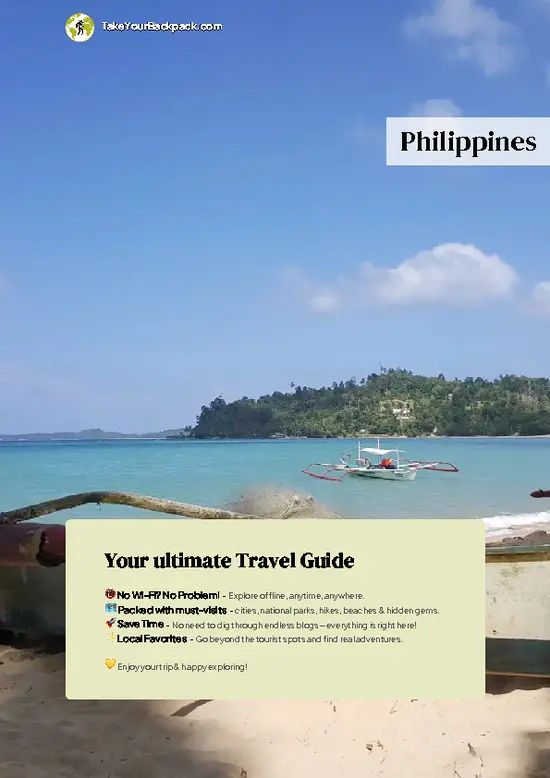
An offline-friendly backpacking guide with optimized travel routes, ranked highlights, transport advice, and the best areas to stay.
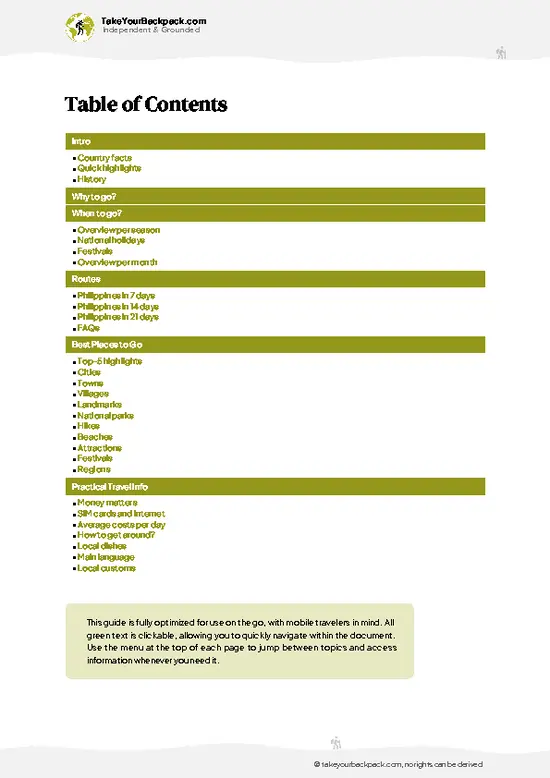
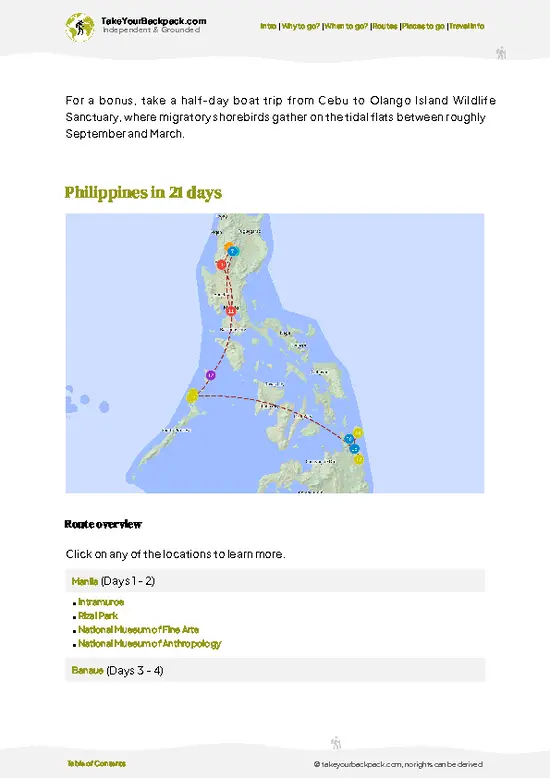
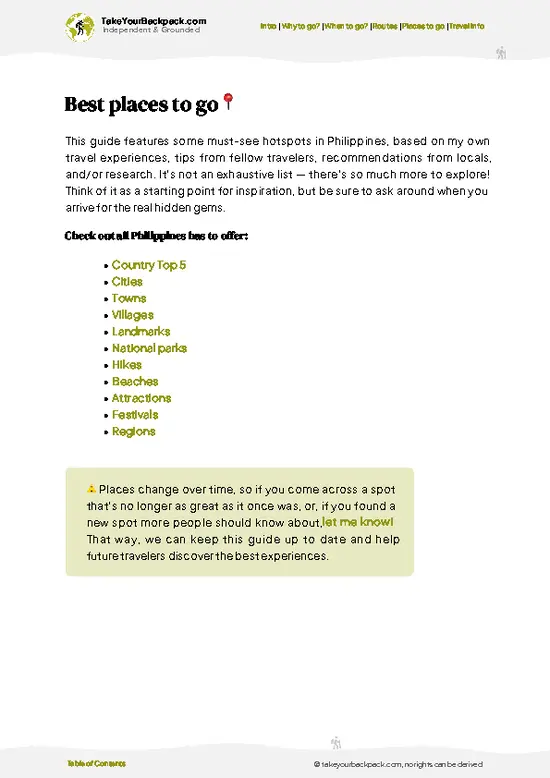
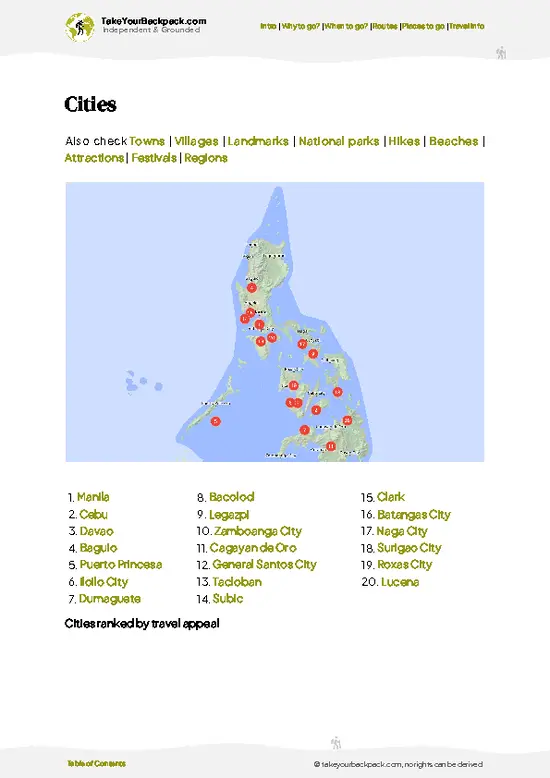
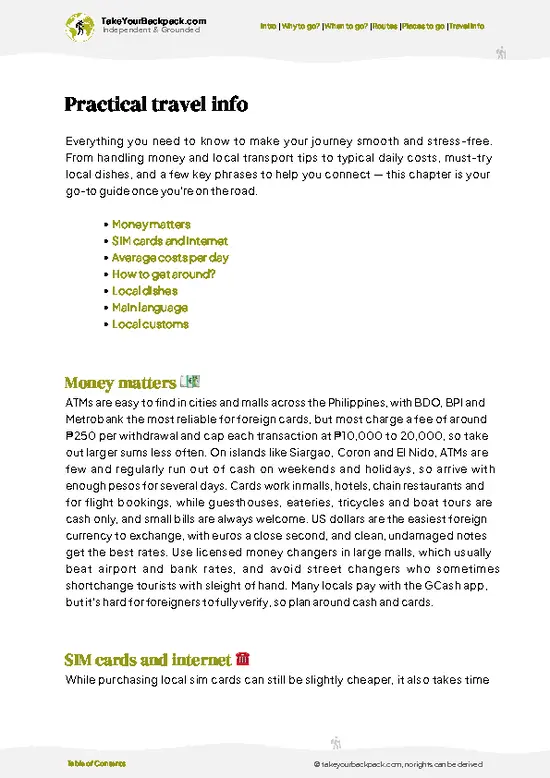
example page 0 from our offline Travel Guide for Philippinesexample page 1 from our offline Travel Guide for Philippinesexample page 2 from our offline Travel Guide for Philippinesexample page 3 from our offline Travel Guide for Philippinesexample page 4 from our offline Travel Guide for Philippinesexample page 5 from our offline Travel Guide for Philippinesexample page 6 from our offline Travel Guide for Philippinesexample page 7 from our offline Travel Guide for Philippines
The digital guide (505 pages) contains:
144 highlights, ranked by travel appeal
Optimized 7, 14 & 21-day travel routes
Cities, national parks, beaches, historical sites, ...
How to get around
Offline-friendly for travel without Wi-Fi
👉 Click to see all 30+ guide features

📅 Plan smarter in minutes, not weeks
Month by month travel advice
Festivals & national holidays
Budget expectations

🗺️ Go to the right places, skip the overrated ones
Honest pros & cons of destinations
Top hikes, parks & viewpoints
Lesser-known places most travelers miss
Clear “worth it vs skip it” guidance

🛏️ Travel smoothly without rookie mistakes
Best areas to stay
Transport systems explained simply
Common scams & safety advice
SIM cards, money & practical tips

🌍 Understand the country, not just visit it
Culture & traditions
52 Essential phrases & customs
Festivals worth planning around
Traveler-friendly historical context
Insights that make places more meaningful

📱 Built for real travel conditions
Fully downloadable PDF
Works completely offline
Optimized for phone use
Useful in remote areas & buses
Everything in one place
Save weeks of stressful planning
Get instant access to the full guide directly. 30-day money-back guarantee.


Sent to your inbox immediately after payment • 100% Secure Checkout
Best Backpacking Travel Advisor 2025 tourism awardBest Backpacking
Travel Advisor
2025
What others say about Take Your Backpack Guides:
⭐⭐⭐⭐⭐
Fantastic, amazing amount of information!
⭐⭐⭐⭐⭐
My goodness this is amazing, it's what I've been looking for hats off too you!
⭐⭐⭐⭐⭐
I think this is absolutely BRILLIANT
⭐⭐⭐⭐
Very complete and informative. It's still missing places, but I gotta to commend you
⭐⭐⭐⭐⭐
This is truly amazing, thank you, can't wait to explore it with my kids!
⭐⭐⭐⭐⭐
Awesome resource, thank you!
⭐⭐⭐⭐⭐
This is amazing! Can't wait to explore the ones I haven't seen
⭐⭐⭐⭐
I love this! Well done, great idea.
⭐⭐⭐⭐⭐
Thanks for taking the time to make this gem!
⭐⭐⭐⭐⭐
This might be the best website I've ever seen.
⭐⭐⭐⭐⭐
Congratulations, and thank you so much for your work; it's incredibly valuable.
⭐⭐⭐⭐
In all seriousness I think you did a great job pointing out the important spots
⭐⭐⭐⭐⭐
10/10 very good
⭐⭐⭐⭐⭐
As someone who's only just starting to visit regularly this is awesome, thank you.
⭐⭐⭐⭐
Thank you very much! I'm going to visit my dad, it's going to be very useful!
⭐⭐⭐⭐⭐
This is really cool! We'll be travelling for the first time and this definitely come in handy.
⭐⭐⭐⭐⭐
You are now our minister of culture, congratulations 👨‍💼
⭐⭐⭐⭐⭐
Just wanted to tell you that this is a pearl! Going to follow your recommendations.
⭐⭐⭐⭐⭐
This is so cool. I'll definitely be using the resource for my travels soon.
⭐⭐⭐⭐⭐
This is very impressive! Good work.
⭐⭐⭐⭐⭐
This is an amazing and informative site. Very well done!

🛏️ Where to stay?Accommodation Highlights

Yes — hostels and budget guesthouses are widespread across the Philippines, concentrated in Manila (Ermita/Malate) and Makati, Cebu (Fuente Osmeña/IT Park), Boracay (Station 2), El Nido, Coron, Siargao (General Luna) and Panglao/Tagbilaran in Bohol, which cover the main transport hubs and island gateways you’ll use.
Ermita/Malate offers cheap transport and nightlife but is noisy and touristy; Makati is safer with better transit and higher prices; Cebu city gives fast ferries and budget eats though parts feel busy at night; Boracay Station 2 is best for beaches and nightlife but crowded and pricier (Stations 1/3 are quieter); El Nido and Coron are ideal for island-hopping with social hostels … read more 👉
Yes — hostels and budget guesthouses are widespread across the Philippines, concentrated in Manila (Ermita/Malate) and Makati, Cebu (Fuente Osmeña/IT Park), Boracay (Station 2), El Nido, Coron, Siargao (General Luna) and Panglao/Tagbilaran in Bohol, which cover the main transport hubs and island gateways you’ll use.
Ermita/Malate offers cheap transport and nightlife but is noisy and touristy; Makati is safer with better transit and higher prices; Cebu city gives fast ferries and budget eats though parts feel busy at night; Boracay Station 2 is best for beaches and nightlife but crowded and pricier (Stations 1/3 are quieter); El Nido and Coron are ideal for island-hopping with social hostels but have limited late-night services and seasonal crowds; Siargao’s General Luna is the surf-and-party hub with laid-back safety but high-season congestion; Panglao/Tagbilaran suit budget divers and quieter nights while requiring more planning for inter-island travel.

If you enjoy meeting fellow travelers, consider choosing hostels with high ratings for atmosphere. On the other hand, if you prefer having your own space, a hotel might be a better option.

PhilippinesSee More of Philippines

👋 Meet the founderWho’s Behind Take Your Backpack?

Johan, backpacker and founder of TakeYourBackpackHi, I’m Johan (Netherlands 🇳🇱), the creator of TakeYourBackpack. Over the past decade, I’ve backpacked through 80+ countries across six continents, gaining extensive experience with independent travel, long-term trips, and overland routes.

This site is built on a combination of firsthand travel experience and carefully curated insights from other backpackers. Many guides are based on places I’ve personally visited, while others bring together tips, observations, and practical advice shared by trusted travelers I’ve met along the way.

The goal is to provide realistic, experience-driven guidance — not generic itineraries — so you can explore destinations with better context, clearer expectations, and more confidence.

Get full country guide •
Instant download • 144 highlights • Full Offline guide