×

Philippines🇵🇭 | regionsBatanes’ Sabtang IslandIvatan villages, limestone cliffs, centuries-old churches | things to do and best time to go

Explore Batanes IslandsExplore Bohol

Backpacking in Batanes’ Sabtang Island
👌 Worth visitingregion ranked #10
By Johan Kruseman 🇳🇱 | Updated July 30, 2026

Most people realize this on the boat ride back: Sabtang is the one place in Batanes where you actually wish you’d stayed the night instead of doing the rushed day tour everyone sells you.

Sabtang Island sits just off Batan Island at the far northern tip of the Philippines, almost closer to Taiwan than to Luzon. For backpackers, it’s small, raw, and very real: stone Ivatan houses, wind that can shove you sideways, and coves that feel like the edge of the map. It’s cheaper than you’d expect for somewhere this remote, but transport is rigid—early-morning faluwa boats, hired tricycles, almost no spontaneity once you miss a ride. Compared with Basco on Batan (more cafes, more Instagram), Sabtang is quieter, more village-life than “tour.” Fewer options, fewer comforts, way more sense that you’re a guest in someone’s home, not a customer in a theme park.

Discover everything you want to know in the 📖 Philippines Travel Guide.
Loading the map 🌍
CLICK TO FILTER
cities
towns
landmarks
national parks
hikes
beaches
attractions
festivals
regions
SHOW COUNTRY’S BESTSHOW ALL

✨ Why go?
Ranked #10 region in Philippines
Why visitors keep coming back

Batanes, especially Sabtang Island, is a backpacker’s paradise for a reason. First off, the variety of landscapes here is jaw-dropping. You’ve got rugged cliffs, rolling hills, and pristine beaches all within a stone’s throw. This means you can soak in multiple experiences without the hassle of constant relocation.

Transport is surprisingly flexible. You can hop on a local boat or rent a bike to explore at your own pace. This freedom lets you dive deep into the culture—visit traditional Ivatan houses, savor local dishes, and chat with the warm-hearted locals.

The beauty of slow travel shines here. You’re not just ticking off boxes; you’re immersing yourself in the rhythm of island life. Each sunset feels earned, each meal savored. So, if you’re after a trip that balances nature and culture, Sabtang Island is where you want to be.
Want to include Batanes’ Sabtang Island in your Philippines route?
Create a personalized Philippines itinerary that includes Batanes’ Sabtang Island and the places that fit your trip — based on your travel style, budget, and available time. Get your route in seconds.

Generate my trip

💡 HighlightsMust-see experiences and standout moments

  1. Chavayan Village (traditional Ivatan stone houses)
    The picture-perfect row of low stone houses with cogon roofs — many still lived in — is the image people think of when they imagine Sabtang. Walk the narrow cobbled lanes, talk to homeowners, and you’ll see how the architecture, stone walls and vakul (woven headgear) evolved to survive the wind and rain. Personal favorite — nothing beats waking up in one of these houses and hearing the sea.
  2. Savidug Village & cliff viewpoint
    A quieter counterpart to Chavayan with its own cluster of ancient stone homes perched above the ocean. The tiny cliff top lookout gives a sweeping view of the channel between Sabtang and Batan — raw, immediate and impossible to fake. Great for late afternoon light and low crowds.
  3. Morong Beach and the coastal cliffs
read more 👉
  1. Chavayan Village (traditional Ivatan stone houses)
    The picture-perfect row of low stone houses with cogon roofs — many still lived in — is the image people think of when they imagine Sabtang. Walk the narrow cobbled lanes, talk to homeowners, and you’ll see how the architecture, stone walls and vakul (woven headgear) evolved to survive the wind and rain. Personal favorite — nothing beats waking up in one of these houses and hearing the sea.
  2. Savidug Village & cliff viewpoint
    A quieter counterpart to Chavayan with its own cluster of ancient stone homes perched above the ocean. The tiny cliff top lookout gives a sweeping view of the channel between Sabtang and Batan — raw, immediate and impossible to fake. Great for late afternoon light and low crowds.
  3. Morong Beach and the coastal cliffs
    Not your tropical postcard beach — Morong is dramatic: boulders, pounding surf, layered cliffs and wind-carved rock. The coastal walk here is pure geology and mood. Photographers love the textures; locals come here to fish and clear their heads.
  4. Nakabuang Arch (natural coastal arch) — hidden gem
    A lovely natural rock arch jutting out from the shore near Morong. It’s small but photogenic and you can often get closer at low tide for different angles. Fewer day-trippers push this far, so it still feels like a discovery.
  5. Sabtang Lighthouse
    A modest coastal light station that’s perfect for sunset silhouettes and long-distance sea views. It’s not a flashy tourist attraction — more a place to stand and watch the weather roll across the Pacific. Quiet, windy and very Sabtang.
  6. Homestay in a stone cottage (Chavayan or Savidug)
    Staying overnight in an actual Ivatan stone house is the best way to understand island life: communal cooking, shared stories, simple comforts and thatched roofs. It’s an authentic, affordable cultural stay you won’t easily replicate elsewhere.
  7. Ivatan weaving and vakul-making sessions — hidden gem
    Small, hands-on demonstrations hosted by elderly local weavers in village homes. You’ll see the double-weave technique and the making of vakul (women’s protective headgear) and vuyavuy (men’s hats). It’s intimate, practical and rooted in necessity — not staged for tourists.
  8. Sabtang coastal road & cliff walks
    The short loop road that connects villages is a highlight in itself: sudden lookout points, stone fences, grazing goats and dramatic drops to the sea. Walk a stretch instead of staying in the vehicle — you’ll notice small shrines, field patterns and daily rhythms most tours drive past.
  9. Savidug back-lanes and community life — hidden gem
    Wander the alleys away from the main viewpoint and you’ll find communal yards, kids playing, small gardens and unhurried conversations. Photogenic, human and quietly educational — it’s where local life happens, not a postcard.
  10. Stone walls, cobbled paths and agricultural landscapes
    The island’s pervasive low stone walls, braided into fields and yards, are a cultural landscape carved out of necessity. Spend time simply tracing these walls from village to field — they tell the story of weather, land use and how Ivatan communities adapt to one of the roughest climates in the Philippines.
Spotted a mistake or missing something? Contact us.

Things to do near Batanes’ Sabtang Island

Ratings based on Tripadvisor reviews. When you book through this link, you support our work at no extra cost to you.

⌛️ 5 daysA smart one-week plan

Day 1: Sabtang Island

Start your adventure by hopping on a boat from Batan Island to Sabtang Island. The ride takes about 30 minutes, and it’s your first taste of the region’s stunning seascapes. This initial journey sets the tone for your trip. The boats run in the morning, so aim for the first one to maximize your day. Once you land, explore the charming village of Savidug, where traditional stone houses dot the landscape.

Day 2: Sabtang Island

Dedicate this day to the island’s breathtaking beaches. Head to Morong Beach early to catch the sunrise. The soft sands and turquoise waters are a perfect backdrop for a morning swim. Afterward, trek to Nakabuang Beach, where you can marvel at the iconic rock formations. The transport here is limited, so plan your return to Savidug in the afternoon … read more 👉
Day 1: Sabtang Island

Start your adventure by hopping on a boat from Batan Island to Sabtang Island. The ride takes about 30 minutes, and it’s your first taste of the region’s stunning seascapes. This initial journey sets the tone for your trip. The boats run in the morning, so aim for the first one to maximize your day. Once you land, explore the charming village of Savidug, where traditional stone houses dot the landscape.

Day 2: Sabtang Island

Dedicate this day to the island’s breathtaking beaches. Head to Morong Beach early to catch the sunrise. The soft sands and turquoise waters are a perfect backdrop for a morning swim. Afterward, trek to Nakabuang Beach, where you can marvel at the iconic rock formations. The transport here is limited, so plan your return to Savidug in the afternoon to avoid missing the last boat back.

Day 3: Sabtang Island

Today, dive deeper into local culture. Visit the Sabtang Lighthouse and the nearby traditional Ivatan houses. The pace is leisurely, allowing you to soak in the island’s history. This day is about connecting with the locals and understanding their way of life.

Day 4: Off-Path Reward

Take a detour to the nearby island of Batan. Rent a kayak and paddle around the coastline. This off-path adventure gives you a unique perspective of the islands and a chance to spot marine life. It’s a refreshing break from the structured transport system.

Day 5: Sabtang Island

Wrap up your trip with a final visit to the local markets. Stock up on handmade crafts and local delicacies. This day is about savoring the last moments and reflecting on your journey.

The must-do day? Day 2. The combination of stunning beaches and the chance to connect with nature makes it the highlight of your trip. Don’t miss it!
Turn your Batanes’ Sabtang Island visit into an Philippines adventure
Build a complete Philippines route with Batanes’ Sabtang Island, hidden gems, must-see destinations, and realistic travel times included.

Generate my trip

🌤️ When to go?Seasonal considerations and timing


  • Topic: Weather – The best window is from March to May. That’s when the skies clear, and the infamous Batanes winds calm down just enough to keep the boats running smoothly. Avoid June to November; typhoon season isn’t just a buzzkill—it can strand you for days.

  • Topic: Temperature – Expect a cool 22-28°C (72-82°F) during the dry months. It’s a refreshing break from the usual tropical heat, perfect for hiking and exploring without melting into your gear.

  • Topic: Daylight Hours – Around 12 hours of daylight year-round, but the dry season’s clearer skies mean you get more usable light for those epic cliffside views and village strolls.

  • Topic: Crowds – Peak season (March-May) draws more tourists, but Batanes still feels like a secret. Arrive early in the season or late April to dodge the
read more 👉

  • Topic: Weather – The best window is from March to May. That’s when the skies clear, and the infamous Batanes winds calm down just enough to keep the boats running smoothly. Avoid June to November; typhoon season isn’t just a buzzkill—it can strand you for days.

  • Topic: Temperature – Expect a cool 22-28°C (72-82°F) during the dry months. It’s a refreshing break from the usual tropical heat, perfect for hiking and exploring without melting into your gear.

  • Topic: Daylight Hours – Around 12 hours of daylight year-round, but the dry season’s clearer skies mean you get more usable light for those epic cliffside views and village strolls.

  • Topic: Crowds – Peak season (March-May) draws more tourists, but Batanes still feels like a secret. Arrive early in the season or late April to dodge the weekend rush and snap photos without photobombers.

  • Topic: Seasonal Activities – The dry months unlock outdoor adventures: island hopping, cycling, and cultural festivals like the Vakul-Kanayi Festival in April. Rainy season shuts most of this down.

  • Topic: Price Fluctuations – Flights and homestays spike in peak season. Book at least two months ahead to lock in rates. Off-season offers deals but risks cancellations and rough seas.


Pro-tip: Book your boat rides early in the morning during the dry season—calm seas and soft light make for the smoothest, most scenic crossings.


source: climatestotravel.comJANJanuary: fair for travelingFEBFebruary: good for travelingMARMarch: excellent for travelingAPRApril: excellent for travelingMAYMay: excellent for travelingJUNJune: below average for travelingJULJuly: below average for travelingAUGAugust: below average for travelingSEPSeptember: below average for travelingOCTOctober: below average for travelingNOVNovember: below average for travelingDECDecember: fair for traveling
philippines-region-batanes-sabtang-island
© Google |

✈️ The backpacker research shortcutPhilippines Travel Guide

An offline-friendly backpacking guide with optimized travel routes, ranked highlights, transport advice, and the best areas to stay.
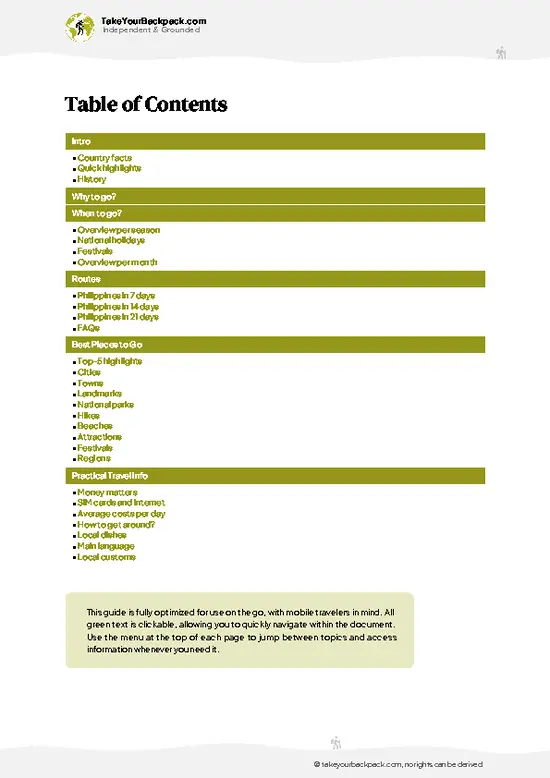
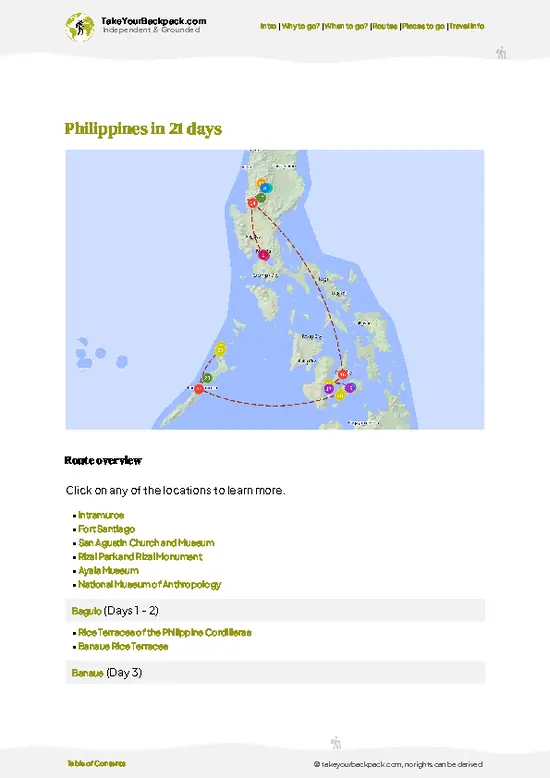
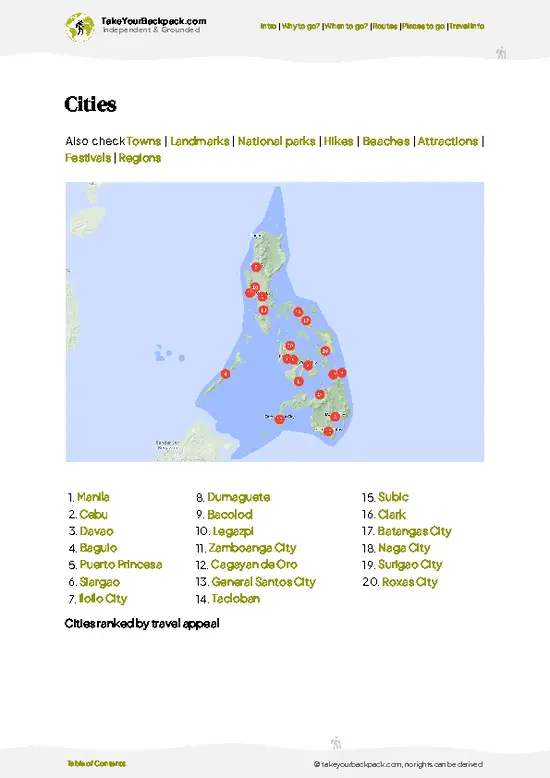
example page 0 from our offline Travel Guide for Philippines
example page 1 from our offline Travel Guide for Philippines
example page 2 from our offline Travel Guide for Philippines
example page 3 from our offline Travel Guide for Philippines
example page 4 from our offline Travel Guide for Philippines
example page 5 from our offline Travel Guide for Philippines
example page 6 from our offline Travel Guide for Philippines
example page 7 from our offline Travel Guide for Philippines
The digital guide (503 pages) contains:
144 highlights, ranked by travel appeal
Optimized 7, 14 & 21-day travel routes
Cities, national parks, landmarks, beaches
How to get around
Offline-friendly for travel without Wi-Fi
👉 Click to see all 30+ guide features

📅 Plan smarter in minutes, not weeks
Month by month travel advice
Festivals & national holidays
Budget expectations

🗺️ Go to the right places, skip the overrated ones
Honest pros & cons of destinations
Top hikes, parks & viewpoints
Lesser-known places most travelers miss
Clear “worth it vs skip it” guidance

🛏️ Travel smoothly without rookie mistakes
Best areas to stay
Transport systems explained simply
Common scams & safety advice
SIM cards, money & practical tips

🌍 Understand the country, not just visit it
Culture & traditions
52 Essential phrases & customs
Festivals worth planning around
Traveler-friendly historical context
Insights that make places more meaningful

📱 Built for real travel conditions
Fully downloadable PDF
Works completely offline
Optimized for phone use
Useful in remote areas & buses
Everything in one place
Save weeks of stressful planning
Get instant access to your full guide. 30‑day money-back guarantee.


By proceeding you agree to our terms.
Sent to your inbox immediately after payment • 100% Secure Checkout
Best Backpacking Travel Advisor 2025 tourism awardBest Backpacking
Travel Advisor
2025
What others say about Take Your Backpack Guides:
⭐⭐⭐⭐⭐
Fantastic, amazing amount of information!
⭐⭐⭐⭐⭐
My goodness this is amazing, it's what I've been looking for hats off too you!
⭐⭐⭐⭐⭐
I think this is absolutely BRILLIANT
⭐⭐⭐⭐
Very complete and informative. It's still missing places, but I gotta to commend you
⭐⭐⭐⭐⭐
This is truly amazing, thank you, can't wait to explore it with my kids!
⭐⭐⭐⭐⭐
Awesome resource, thank you!
⭐⭐⭐⭐⭐
This is amazing! Can't wait to explore the ones I haven't seen
⭐⭐⭐⭐
I love this! Well done, great idea.
⭐⭐⭐⭐⭐
Thanks for taking the time to make this gem!
⭐⭐⭐⭐⭐
This might be the best website I've ever seen.
⭐⭐⭐⭐⭐
Congratulations, and thank you so much for your work; it's incredibly valuable.
⭐⭐⭐⭐
In all seriousness I think you did a great job pointing out the important spots
⭐⭐⭐⭐⭐
10/10 very good
⭐⭐⭐⭐⭐
As someone who's only just starting to visit regularly this is awesome, thank you.
⭐⭐⭐⭐
Thank you very much! I'm going to visit my dad, it's going to be very useful!
⭐⭐⭐⭐⭐
This is really cool! We'll be travelling for the first time and this definitely come in handy.
⭐⭐⭐⭐⭐
You are now our minister of culture, congratulations 👨‍💼
⭐⭐⭐⭐⭐
Just wanted to tell you that this is a pearl! Going to follow your recommendations.
⭐⭐⭐⭐⭐
This is so cool. I'll definitely be using the resource for my travels soon.
⭐⭐⭐⭐⭐
This is very impressive! Good work.
⭐⭐⭐⭐⭐
This is an amazing and informative site. Very well done!

🛏️ Where to stay?Best areas to stay in Philippines

When you hit Sabtang Island in Batanes, you’ll want to set up camp in the right spots. First up, the village of Savidug. It’s a tight-knit community where locals greet you like family. You’ll find a mix of budget-friendly options and a chance to share stories with fellow travelers over fresh seafood.

Next, consider Chavayan. This place is postcard-perfect, with traditional stone houses and stunning coastal views. It’s quieter, giving you a chance to soak in the scenery and connect with locals. Plus, the sunsets here? Worth every minute you spend.

Lastly, don’t overlook the area around the Sabtang … read more 👉
When you hit Sabtang Island in Batanes, you’ll want to set up camp in the right spots. First up, the village of Savidug. It’s a tight-knit community where locals greet you like family. You’ll find a mix of budget-friendly options and a chance to share stories with fellow travelers over fresh seafood.

Next, consider Chavayan. This place is postcard-perfect, with traditional stone houses and stunning coastal views. It’s quieter, giving you a chance to soak in the scenery and connect with locals. Plus, the sunsets here? Worth every minute you spend.

Lastly, don’t overlook the area around the Sabtang Port. It’s bustling with activity, making it easy to meet other backpackers. You’ll have quick access to boat tours and local eateries, so you can dive into the culture without breaking the bank.

Choose wisely between these spots, and you’ll find the balance of comfort, social vibes, and budget-friendly fun.

🚌 Getting aroundTransportation options and practical tips

Sabtang Island is a realm where time feels fluid, not rigid. The rhythm here is dictated by the tides and the whims of the wind, not by strict schedules. You’ll find yourself in a dance of spontaneity, where the next boat might leave when it’s full, or when the sun decides to peek through the clouds. This isn’t a place for the clock-watchers; it’s for those who embrace the unexpected. The locals move with an easy grace, and you’ll want to do the same. So, let’s break down your transport options to navigate this enchanting island without losing your cool or your budget.


  • Bangka (Boat): The primary mode of transport between Batanes and Sabtang. Expect to pay around PHP 200-300 for a one-way trip. Boats usually leave at 6:30 AM and 1:00 PM, but check for the latest updates. The ride takes about
read more 👉
Sabtang Island is a realm where time feels fluid, not rigid. The rhythm here is dictated by the tides and the whims of the wind, not by strict schedules. You’ll find yourself in a dance of spontaneity, where the next boat might leave when it’s full, or when the sun decides to peek through the clouds. This isn’t a place for the clock-watchers; it’s for those who embrace the unexpected. The locals move with an easy grace, and you’ll want to do the same. So, let’s break down your transport options to navigate this enchanting island without losing your cool or your budget.


  • Bangka (Boat): The primary mode of transport between Batanes and Sabtang. Expect to pay around PHP 200-300 for a one-way trip. Boats usually leave at 6:30 AM and 1:00 PM, but check for the latest updates. The ride takes about 30-45 minutes, and while it can be a bit bumpy, the views of the turquoise waters are worth it.


  • Tricycle: Once on Sabtang, tricycles are your best bet for getting around. Fares range from PHP 20-50 depending on your destination. They’re comfortable enough for short rides, and you can negotiate for longer trips. Just hop in and enjoy the local scenery as you zip through the island.


  • Walking: Embrace your inner explorer! Many of Sabtang’s highlights are within walking distance. Strolling through the villages and along the coastline is free and offers a chance to connect with the locals. Just be prepared for some uneven terrain and wear sturdy shoes.


  • Motorbike Rentals: If you’re feeling adventurous, renting a motorbike can cost around PHP 500 for a day. This gives you the freedom to explore at your own pace. Just remember to bring your helmet and a valid license.


For a smooth experience, always check the boat schedules the day before. Locals often have the inside scoop on the best times to travel, so don’t hesitate to ask. Embrace the flow, and you’ll find that the journey is just as rewarding as the destination.

🍲 FoodLocal Flavors for Backpackers

On **Sabtang Island**, the food scene is a delightful dive into local culture. Start with the **lambanog**, a potent coconut spirit that packs a punch. Pair it with **uvod**, a savory dish made from fresh, local fish wrapped in banana leaves. The aroma of grilled seafood wafts through the air, especially at the local markets where vendors serve up **kinilaw**—raw fish marinated in vinegar and spices.

For a casual bite, find a **kubo** (a traditional hut) where locals gather. Here, you can savor **pancit**—stir-fried noodles that are a staple at any gathering. Don’t miss the **buko pie**, a sweet coconut dessert that’s a must-try.

Dining here is relaxed; locals often share tables, so don’t hesitate to join in. Just remember to say “**salamat**” (thank you) after your meal. Eating with your … read more 👉
On **Sabtang Island**, the food scene is a delightful dive into local culture. Start with the **lambanog**, a potent coconut spirit that packs a punch. Pair it with **uvod**, a savory dish made from fresh, local fish wrapped in banana leaves. The aroma of grilled seafood wafts through the air, especially at the local markets where vendors serve up **kinilaw**—raw fish marinated in vinegar and spices.

For a casual bite, find a **kubo** (a traditional hut) where locals gather. Here, you can savor **pancit**—stir-fried noodles that are a staple at any gathering. Don’t miss the **buko pie**, a sweet coconut dessert that’s a must-try.

Dining here is relaxed; locals often share tables, so don’t hesitate to join in. Just remember to say “**salamat**” (thank you) after your meal. Eating with your hands is common, especially with dishes like **sinigang**—a sour soup that warms the soul. Embrace the flavors, and you’ll feel like a true islander.

Other Filipino regions near Batanes’ Sabtang Island

Explore more nearby:


💡 Not sure where to go next?
Create a personalized itinerary for Philippines including Batanes’ Sabtang Island and the places that fit your trip.

Generate my itinerary

👉 Discover all regions

Or checkout all Philippines has to offer (think cities, towns, villages, national parks, hikes, beaches, festivals)
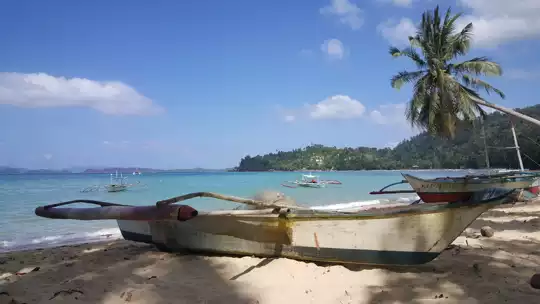
Country photo of Philippines

We 💚 feedbackIs it worth it?

Sabtang Island is a slice of paradise where the landscapes feel untouched and the people genuinely welcome you. The stunning rock formations and traditional stone houses are worth every minute of the journey. But here’s the kicker: getting there takes time and effort. Ferries can be unpredictable, so be ready for a bit of a wait. Embrace it; the reward is a tranquil escape that feels like your own secret.

✈️ When did I visit Philippines?
Philippines being one of my favorites, due to the people and their mentality. I visited it first in 2010 and came back in January 2016 as part of my 1.5 year world trip.

✍️ Help improve this page!
The information on this page is based on my own backpacking experience in Philippines, supplemented with up-to-date research and feedback from other travelers. Travel details can change, so if you notice anything outdated or incomplete, feel free to let me know.


🙋‍♂️ Give feedback

👋 Meet the founderWho’s Behind Take Your Backpack?

Johan, backpacker and founder of TakeYourBackpackHi, I’m Johan (Netherlands 🇳🇱), the creator of TakeYourBackpack. Over the past decade, I’ve backpacked through 80+ countries across six continents, gaining extensive experience with independent travel, long-term trips, and overland routes.

This site is built on a combination of firsthand travel experience and carefully curated insights from other backpackers. Many guides are based on places I’ve personally visited, while others bring together tips, observations, and practical advice shared by trusted travelers I’ve met along the way.

The goal is to provide realistic, experience-driven guidance — not generic itineraries — so you can explore destinations with better context, clearer expectations, and more confidence.

Get full country guide •
Instant download • 144 highlights • Full Offline guide