×

Philippines🇵🇭 | festivalsDinamulag FestivalZambales, fruit displays, local delicacies | things to do and best time to go

Explore Kaamulan FestivalExplore Kadayawan Festival

Backpacking in Dinamulag
👀 For curious travelersfestival ranked #18
By Johan Kruseman 🇳🇱 | Updated October 15, 2026

Most write-ups sell Mango Festival as a nonstop party, but here’s the twist: a lot of the best moments are slow, sweaty, and hyper-local, more like a town reunion than a rave. Held in Zambales province on Luzon’s west coast, it’s a mango harvest celebration with parades, beauty pageants, street food, and small-band pop and dance covers blasting from tinny speakers. Backpackers get cheap eats, friendly chaos, and a few rowdy nights, but not a polished music-fest experience or strict schedule.

Discover everything you want to know in the 📖 Philippines Travel Guide.


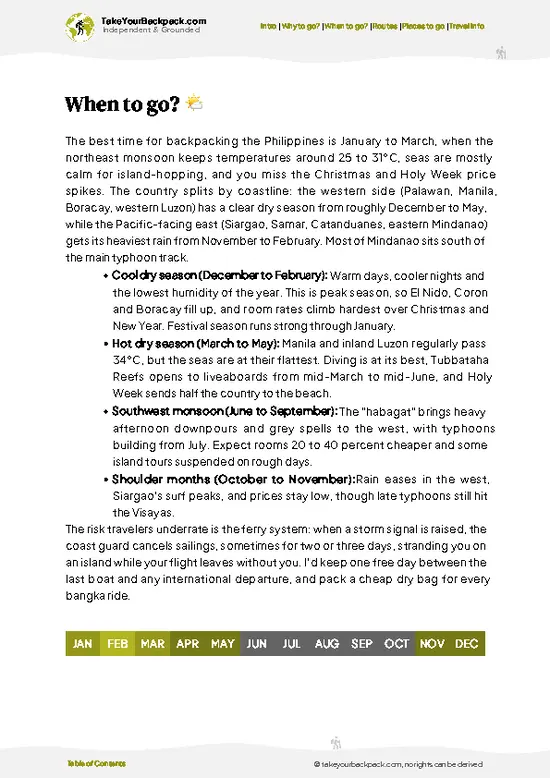
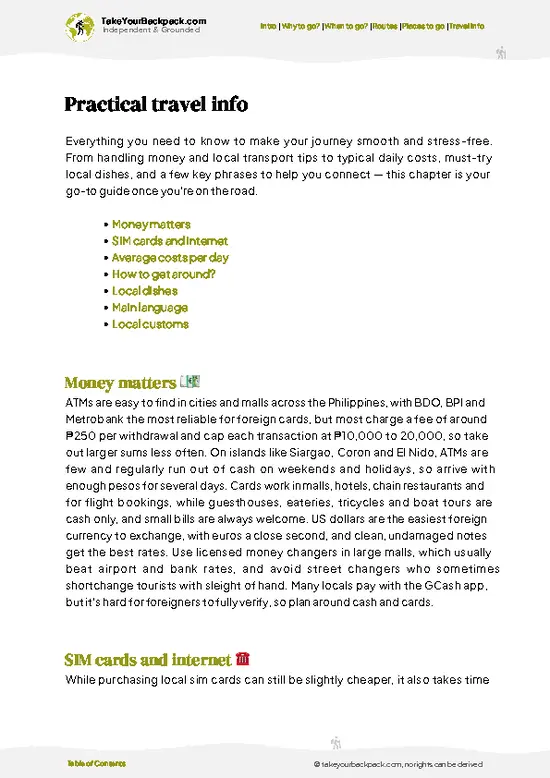
example page 0 from our offline Travel Guide for Philippines
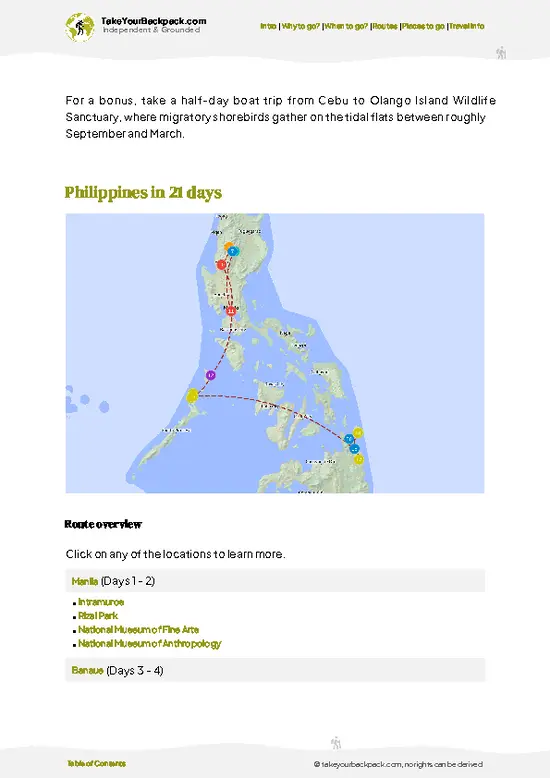
example page 1 from our offline Travel Guide for Philippines
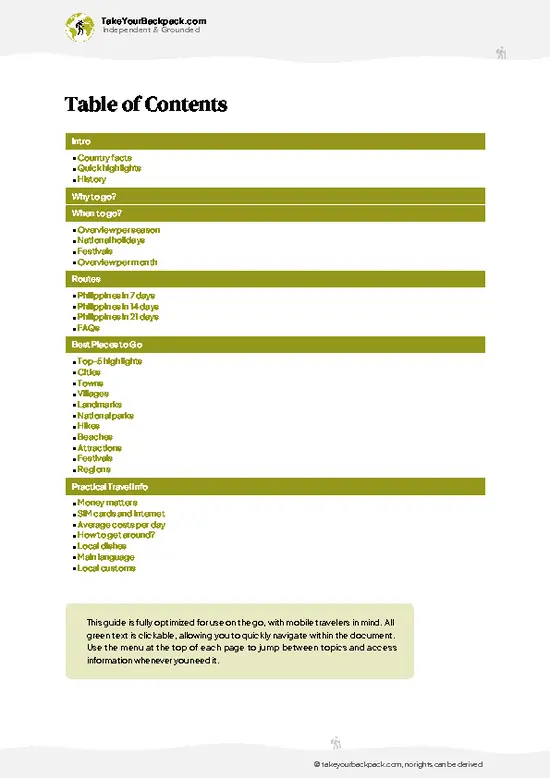
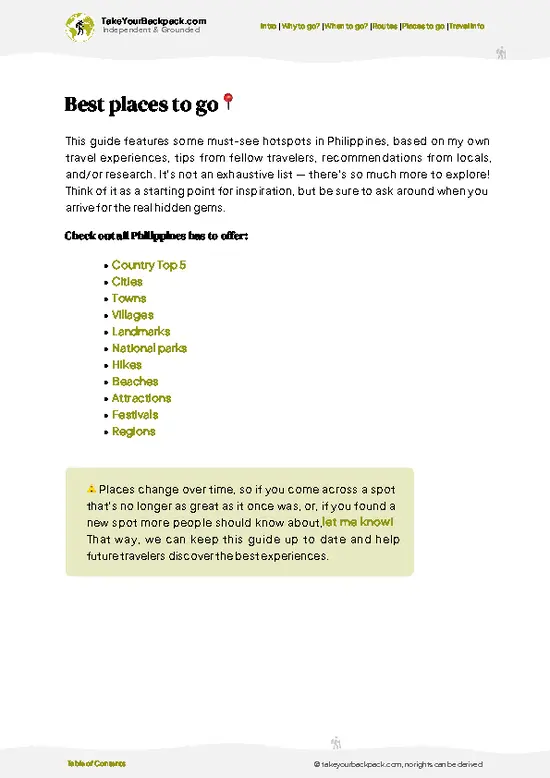
example page 2 from our offline Travel Guide for Philippines
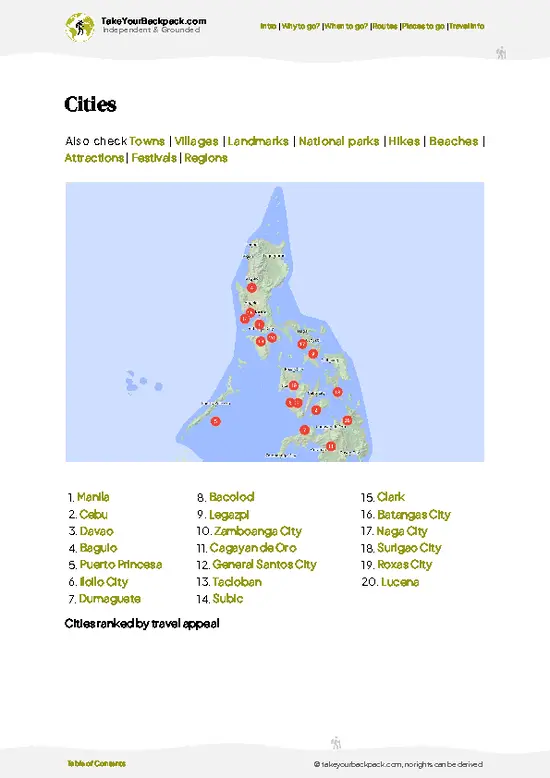
example page 3 from our offline Travel Guide for Philippines
example page 4 from our offline Travel Guide for Philippines
example page 5 from our offline Travel Guide for Philippines
example page 6 from our offline Travel Guide for Philippines
example page 7 from our offline Travel Guide for Philippines
Loading the map 🌍
CLICK TO FILTER
cities
towns
villages
landmarks
national parks
hikes
beaches
attractions
festivals
regions
SHOW COUNTRY’S BESTSHOW ALL

✨ Why go?
Ranked #18 festival in Philippines
Why visitors keep coming back

Backpackers flock to the Mango Festival in the Philippines for a burst of social energy and a taste of temporary community. This isn’t just a festival; it’s a vibrant celebration of culture, where you can dive into local traditions and savor the sweetest mangoes on the planet. The affordability of the event compared to similar festivals makes it a no-brainer for budget-conscious travelers.

Planning your route around this festival isn’t just about the mangoes; it’s about weaving the festival into your broader travel narrative. You’ll meet fellow adventurers, share stories, and create memories that last long after the last mango is eaten. Plus, the festival acts as a perfect pit stop, energizing you for the next leg of your journey. Embrace the chaos, soak in the flavors, and let the festival fuel your exploration!

💡 HighlightsEssential experiences to have while celebrating the Dinamulag

  • Mango tasting alley and creative mango cuisine — Rows of stalls serving every mango version you can imagine: fresh slices of the sweet local varieties, mango shakes, dried mango snacks, and clever mash-ups (mango salsa, mango pies, even mango-based cocktails). What makes it special is the sheer variety and the low-risk way to try local takes on mango — bite-sized samples, street-food prices, and friendly vendors willing to chat about their recipe hacks.
  • Orchard and harvest tours — Guided walks through mango groves where you see how the fruit is grown, harvested, and sorted; sometimes you get to pick your own. It’s a quiet, earthy contrast to the bustle of the festival and a real taste of place — plus the photo ops at golden-hour among the trees are unbeatable. Personal favorite: I love
… read more 👉
  • Mango tasting alley and creative mango cuisine — Rows of stalls serving every mango version you can imagine: fresh slices of the sweet local varieties, mango shakes, dried mango snacks, and clever mash-ups (mango salsa, mango pies, even mango-based cocktails). What makes it special is the sheer variety and the low-risk way to try local takes on mango — bite-sized samples, street-food prices, and friendly vendors willing to chat about their recipe hacks.
  • Orchard and harvest tours — Guided walks through mango groves where you see how the fruit is grown, harvested, and sorted; sometimes you get to pick your own. It’s a quiet, earthy contrast to the bustle of the festival and a real taste of place — plus the photo ops at golden-hour among the trees are unbeatable. Personal favorite: I love ending a tour with a sunset snack under the trees — simple, sticky, and absolutely unforgettable.
  • Mango-eating contests and fun competitions — Raw, loud, and joyful: timed-eating, seed-spitting, and creative dessert contests that draw big crowds. These events capture the festival’s playful vibe and are perfect for spectators — people cheer, kids laugh, and the local pride is on full display.
  • Folk performances and street dancing — Local dance troupes, cultural shows, and parades that weave mango-themed costumes and stories into traditional moves. It’s not just spectacle; it’s how communities celebrate harvest, history, and identity — colorful, rhythmic, and full of local flavor you won’t find on a regular tourist route.
  • Night market, live music, and farm-to-table pop-ups — As evening falls the festival shifts to chilled bands, acoustic sets, and pop-up dinners that spotlight mango in savory courses. The vibe is communal and low-key: grab a plate, find a bench, and listen to local musicians while the air smells like grilled food and ripe fruit — a great way to wind down after a day of tasting and touring.
Spotted a mistake or missing something? Contact us.

🌤️ When to go?When is the celebration of Dinamulag Festival?

  • Topic: Weather - The Mango Festival hits its stride in April, when the Philippines is dry and hot. Expect highs around 33°C (91°F), perfect for outdoor celebrations but pack sun protection to avoid burnout.
  • Topic: Temperature - April’s heat can be relentless. Nights cool to about 24°C (75°F), offering a brief, refreshing break. Dress light but bring layers for evening comfort.
  • Topic: Daylight Hours - Long days with roughly 12.5 hours of daylight give you plenty of time to soak in the festival’s energy and explore local spots before dark.
  • Topic: Crowds - Peak festival time means crowds swell. Arrive early to secure budget accommodations and avoid the crush during main events.
  • Topic: Seasonal Activities - April aligns with mango harvest season, so you’ll catch fresh fruit markets and related
… read more 👉
  • Topic: Weather - The Mango Festival hits its stride in April, when the Philippines is dry and hot. Expect highs around 33°C (91°F), perfect for outdoor celebrations but pack sun protection to avoid burnout.
  • Topic: Temperature - April’s heat can be relentless. Nights cool to about 24°C (75°F), offering a brief, refreshing break. Dress light but bring layers for evening comfort.
  • Topic: Daylight Hours - Long days with roughly 12.5 hours of daylight give you plenty of time to soak in the festival’s energy and explore local spots before dark.
  • Topic: Crowds - Peak festival time means crowds swell. Arrive early to secure budget accommodations and avoid the crush during main events.
  • Topic: Seasonal Activities - April aligns with mango harvest season, so you’ll catch fresh fruit markets and related cultural events that vanish outside this window.
  • Topic: Price Fluctuations - Expect prices to spike on lodging and transport during the festival. Booking ahead saves cash and stress, letting you spend on experiences instead.
Pro-tip: Time your visit for early April to dodge the thickest crowds and highest prices while still catching the festival’s full flavor.


source: climatestotravel.comJANJanuary: not recommended for travelingFEBFebruary: not recommended for travelingMARMarch: not recommended for travelingAPRApril: excellent for travelingMAYMay: not recommended for travelingJUNJune: not recommended for travelingJULJuly: not recommended for travelingAUGAugust: not recommended for travelingSEPSeptember: not recommended for travelingOCTOctober: not recommended for travelingNOVNovember: not recommended for travelingDECDecember: not recommended for traveling

✈️ The backpacker research shortcutPhilippines Travel Guide

An offline-friendly backpacking guide with optimized travel routes, ranked highlights, transport advice, and the best areas to stay.
example page 0 from our offline Travel Guide for Philippines
example page 1 from our offline Travel Guide for Philippines
example page 2 from our offline Travel Guide for Philippines
example page 3 from our offline Travel Guide for Philippines
example page 4 from our offline Travel Guide for Philippines
example page 5 from our offline Travel Guide for Philippines
example page 6 from our offline Travel Guide for Philippines
example page 7 from our offline Travel Guide for Philippines
The digital guide (517 pages) contains:
✅ 151 highlights, ranked by travel appeal
✅ Optimized 7, 14 & 21-day travel routes
✅ Cities, national parks, landmarks, beaches
✅ How to get around
✅ Offline-friendly for travel without Wi-Fi
👉 Click to see all 30+ guide features

📅 Plan smarter in minutes, not weeks
✅ Month by month travel advice
✅ Festivals & national holidays
✅ Budget expectations

🗺️ Go to the right places, skip the overrated ones
✅ Honest pros & cons of destinations
✅ Top hikes, parks & viewpoints
✅ Lesser-known places most travelers miss
✅ Clear “worth it vs skip it” guidance

🛏️ Travel smoothly without rookie mistakes
✅ Best areas to stay
✅ Transport systems explained simply
✅ Common scams & safety advice
✅ SIM cards, money & practical tips

🌍 Understand the country, not just visit it
✅ Culture & traditions
✅ 52 Essential phrases & customs
✅ Festivals worth planning around
✅ Traveler-friendly historical context
✅ Insights that make places more meaningful

📱 Built for real travel conditions
✅ Fully downloadable PDF
✅ Works completely offline
✅ Optimized for phone use
✅ Useful in remote areas & buses
✅ Everything in one place
Stop searching, start planning
Get instant access to your full guide. 30‑day money-back guarantee.
+ Add another guide for just

By proceeding you agree to our terms.
Sent to your inbox immediately after payment • 100% Secure Checkout
Best Backpacking Travel Advisor 2025 tourism awardBest Backpacking
Travel Advisor
2025
What others say about Take Your Backpack Guides:
⭐⭐⭐⭐⭐
Fantastic, amazing amount of information!
⭐⭐⭐⭐⭐
My goodness this is amazing, it's what I've been looking for hats off too you!
⭐⭐⭐⭐⭐
I think this is absolutely BRILLIANT
⭐⭐⭐⭐
Very complete and informative. It's still missing places, but I gotta to commend you
⭐⭐⭐⭐⭐
This is truly amazing, thank you, can't wait to explore it with my kids!
⭐⭐⭐⭐⭐
Awesome resource, thank you!
⭐⭐⭐⭐⭐
This is amazing! Can't wait to explore the ones I haven't seen
⭐⭐⭐⭐
I love this! Well done, great idea.
⭐⭐⭐⭐⭐
Thanks for taking the time to make this gem!
⭐⭐⭐⭐⭐
This might be the best website I've ever seen.
⭐⭐⭐⭐⭐
Congratulations, and thank you so much for your work; it's incredibly valuable.
⭐⭐⭐⭐
In all seriousness I think you did a great job pointing out the important spots
⭐⭐⭐⭐⭐
10/10 very good
⭐⭐⭐⭐⭐
As someone who's only just starting to visit regularly this is awesome, thank you.
⭐⭐⭐⭐
Thank you very much! I'm going to visit my dad, it's going to be very useful!
⭐⭐⭐⭐⭐
This is really cool! We'll be travelling for the first time and this definitely come in handy.
⭐⭐⭐⭐⭐
You are now our minister of culture, congratulations 👨‍💼
⭐⭐⭐⭐⭐
Just wanted to tell you that this is a pearl! Going to follow your recommendations.
⭐⭐⭐⭐⭐
This is so cool. I'll definitely be using the resource for my travels soon.
⭐⭐⭐⭐⭐
This is very impressive! Good work.
⭐⭐⭐⭐⭐
This is an amazing and informative site. Very well done!

🛏️ Where to stay?Best areas and accommodation options

For the Mango Festival in the Philippines, your best bet is to stay in the heart of the action—around the festival grounds in the bustling town of Guimaras. This area buzzes with energy, making it easy to meet fellow travelers. Look for spots near the local markets; they’re not just convenient but also a feast for the senses, with street food that’ll fuel your adventures.

Consider the coastal areas, too. They offer a laid-back vibe, perfect for unwinding after a day of festivities. Plus, you’ll find plenty of budget-friendly options that encourage socializing.

Safety is key, so stick to well-lit … read more 👉
For the Mango Festival in the Philippines, your best bet is to stay in the heart of the action—around the festival grounds in the bustling town of Guimaras. This area buzzes with energy, making it easy to meet fellow travelers. Look for spots near the local markets; they’re not just convenient but also a feast for the senses, with street food that’ll fuel your adventures.

Consider the coastal areas, too. They offer a laid-back vibe, perfect for unwinding after a day of festivities. Plus, you’ll find plenty of budget-friendly options that encourage socializing.

Safety is key, so stick to well-lit areas and popular hangouts. The camaraderie among backpackers here is palpable; you’ll swap stories over mango shakes and plan your next escapade.

Avoid the tourist traps that jack up prices. Instead, dive into the local scene. This is where you’ll find the real magic of the festival—and save your energy and budget for the moments that truly matter.

👛 Costs (as of 15 October 2026)Money, prices, and spending tips

The Mango Festival in the Philippines is a vibrant celebration of all things mango, but navigating the costs can be tricky. Here’s a breakdown to keep your budget intact and your energy high.
  • Festival Tickets: Expect to pay around $5 to $10 for entry. This gets you into the main events, but some special activities may have additional fees. Keep an eye out for package deals that might offer more bang for your buck.
  • Accommodation: Prices vary widely. Budget hostels can start at $10 per night, while mid-range hotels hover around $30 to $60. If you want a touch of luxury, expect to pay $100 or more. Book early to snag the best deals, especially during festival season.
  • Local Transport: Getting around can be affordable. Jeepneys and tricycles are common, costing about $0.50 to $2 per ride. If you prefer
… read more 👉
The Mango Festival in the Philippines is a vibrant celebration of all things mango, but navigating the costs can be tricky. Here’s a breakdown to keep your budget intact and your energy high.
  • Festival Tickets: Expect to pay around $5 to $10 for entry. This gets you into the main events, but some special activities may have additional fees. Keep an eye out for package deals that might offer more bang for your buck.
  • Accommodation: Prices vary widely. Budget hostels can start at $10 per night, while mid-range hotels hover around $30 to $60. If you want a touch of luxury, expect to pay $100 or more. Book early to snag the best deals, especially during festival season.
  • Local Transport: Getting around can be affordable. Jeepneys and tricycles are common, costing about $0.50 to $2 per ride. If you prefer more comfort, consider renting a scooter for around $5 to $10 a day. Just remember to factor in gas and insurance.
  • Food & Drinks: Street food is a highlight, with meals ranging from $1 to $5. Restaurants will set you back $5 to $15 for a decent meal. Don’t forget to try the mango shakes! Budget around $10 to $20 per day for food and drinks to keep your energy up.
  • Miscellaneous Expenses: This includes souvenirs, festival merchandise, and any unexpected costs. Set aside about $20 to $50 for extras. It’s always good to have a buffer for those spontaneous moments that make travel memorable.

Stay sharp, plan ahead, and you’ll keep your adventure both thrilling and wallet-friendly.
⚠️ Prices can change and everyone travels differently, so take this as a rough guide. Hope it helps you plan your adventure!

🍲 FoodWhat to Eat & Drink

At the Mango Festival in the Philippines, your taste buds are in for a wild ride. Picture stalls overflowing with mango-based delights: from sweet, sticky mango sticky rice to refreshing mango shakes that practically scream summer. Don’t miss the mango float, a creamy dessert that’s a festival staple.

For authenticity, dive into the local specialties like mango salsa paired with grilled seafood. The vibrant flavors will transport you straight to the heart of Filipino culture.

Be prepared for some quirks: sharing is the name of the game here. Grab a few friends and sample different dishes together; it’s all about community. Lines can get long, so don’t hesitate to chat with fellow festival-goers while you wait. Cash is king, so stash some pesos for those mouthwatering treats. Serving sizes … read more 👉
At the Mango Festival in the Philippines, your taste buds are in for a wild ride. Picture stalls overflowing with mango-based delights: from sweet, sticky mango sticky rice to refreshing mango shakes that practically scream summer. Don’t miss the mango float, a creamy dessert that’s a festival staple.

For authenticity, dive into the local specialties like mango salsa paired with grilled seafood. The vibrant flavors will transport you straight to the heart of Filipino culture.

Be prepared for some quirks: sharing is the name of the game here. Grab a few friends and sample different dishes together; it’s all about community. Lines can get long, so don’t hesitate to chat with fellow festival-goers while you wait. Cash is king, so stash some pesos for those mouthwatering treats. Serving sizes are generous, so pace yourself—there’s plenty to savor!

FAQTraveler FAQ

The Mango Festival in the Philippines typically takes place in May, lasting around 3 days. It coincides with the peak mango season to celebrate the fruit's harvest.
Attending the Mango Festival is generally free of charge, as it is a public event with street fairs and cultural shows. However, some specific activities or food stalls may have small fees ranging from 50 to 200 PHP.
No, you do not need tickets in advance for the Mango Festival. Most events are open to the public, but arriving early is recommended to secure good spots for popular shows and parades.
⚠️ Things can change over time, so always validate details locally before you go.

Other Filipino festivals near Dinamulag

Explore more nearby:

  • Panagbenga—flower floats, Baguio City, street dancing| 136 km away
  • Baguio Arts Festival—contemporary art, Cordillera creativity, public installations| 137 km away
  • Higantes Festival—giant papier-mâché figures, Angono, folk satire| 154 km away

💡 Not sure where to go next?
Create a personalized itinerary for Philippines including Dinamulag and the places that fit your trip.

Generate my itinerary

👉 Discover all festivals

Or checkout all Philippines has to offer (think cities, towns, villages, national parks, hikes, beaches, festivals)
Country photo of Philippines

We 💚 feedbackKey takeaways before you go

The Mango Festival is a sensory explosion—ripe, juicy mangoes everywhere, and the locals’ energy is contagious. You’ll savor flavors and connect with the community in a way that’s hard to replicate. But be ready for crowds; it can feel like a mango stampede. Plan your downtime wisely to recharge and truly enjoy the experience. Embrace the chaos; it’s part of the adventure!

✈️ When did I visit Philippines?
Philippines being one of my favorites, due to the people and their mentality. I visited it first in 2010 and came back in January 2016 as part of my 1.5 year world trip.

✍️ Help improve this page!
The information on this page is based on my own backpacking experience in Philippines, supplemented with up-to-date research and feedback from other travelers. Travel details can change, so if you notice anything outdated or incomplete, feel free to let me know.


🙋‍♂️ Give feedback

👋 Meet the founderWho’s Behind Take Your Backpack?

Johan, backpacker and founder of TakeYourBackpackHi, I’m Johan (Netherlands 🇳🇱), the creator of TakeYourBackpack. Over the past 3 decades, I’ve backpacked through 90+ countries across six continents, gaining extensive experience with independent travel, long-term trips, and overland routes.

This site is built on a combination of firsthand travel experience and carefully curated insights from other backpackers. Many guides are based on places I’ve personally visited, while others bring together tips, observations, and practical advice shared by trusted travelers I’ve met along the way.

The goal is to provide realistic, experience-driven guidance — not generic itineraries — so you can explore destinations with better context, clearer expectations, and more confidence.