×

Philippines🇵🇭 | national parksMount Iglit-Baco National Parktamaraw habitat, grassy ridges, upland rivers | things to do and best time to go

Explore Aliwagwag Protected LandscapeExplore Mount Kalatungan Range Natural Park

Backpacking in Mount Iglit-Baco
👌 Worth visitingnational park ranked #19
By Johan Kruseman 🇳🇱 | Updated April 27, 2026

Most people only realize after leaving that Mount Iglit-Baco is where you can hike in real quiet and still see rare wildlife without paying Palawan prices. The park sits on Mindoro Island in the central Philippines, in the interior of Occidental and Oriental Mindoro. Trails are grassy, rolling, and exposed rather than dramatic, but you’re here for tamaraw, big skies, and simple camps, not postcard peaks. Access is slower and more local than Banaue or Mount Pulag, with rough roads, basic guides, and low entrance fees that add up once you factor in mandatory guiding and transport. Crowds are light, facilities are bare-bones, and nights feel more like a community homestay than a national-park resort, which I like, but anyone expecting the polish of Puerto Princesa Subterranean River or the limestone drama of El Nido will call it underwhelming.

Discover everything you want to know in the 📖 Philippines Travel Guide.
Loading the map 🌍
CLICK TO FILTER
city
town
unique site
national park
hike
beach
attraction
festival
region
SHOW COUNTRY’S BESTSHOW ALL

✨ Why go?
Ranked #19 national park in Philippines
Why visitors keep coming back

Backpackers flock to Mount Iglit-Baco National Park for its blend of independent exploration and budget-friendly options. The park offers camping spots and nearby hostels that keep costs low while providing a base for adventure. With a variety of trails, from easy walks to challenging hikes, it caters to all skill levels. This park is particularly suited for self-guided travelers; the well-marked paths allow you to set your own pace without the constraints of a tour. Avoid the tourist traps and embrace the freedom to discover the park’s beauty on your terms.
Get the complete Travel Guide for Philippines
Everything organized for offline planning — routes, highlights, costs & tips

See what’s inside 👉

Get the Travel Guide -

💡 HighlightsKey sights and experiences for travelers

  • Tamaraw viewing areas (the park’s raison d’être): Home to the tamaraw, the tiny endemic water buffalo that this park was set up to protect — seeing one (even just a silhouette at dusk) is a proper goosebump moment. Rangers run monitored viewing zones and community patrols, so it’s a rare wildlife encounter that actually matters. (Personal favorite: nothing beats watching tamaraws graze as the light softens.)
  • Mount Baco summit: A rugged, less-trodden climb with a rocky crest and broad views over Mindoro’s interior; it’s the reward for a serious day on your feet. Expect steep sections, open ridgelines and huge panoramas on a clear day — perfect if you like quiet, remote summits.
  • Mount Iglit grasslands and ridgelines: The park’s rolling savanna-like plateaus are beautiful in low light — big
read more 👉
  • Tamaraw viewing areas (the park’s raison d’être): Home to the tamaraw, the tiny endemic water buffalo that this park was set up to protect — seeing one (even just a silhouette at dusk) is a proper goosebump moment. Rangers run monitored viewing zones and community patrols, so it’s a rare wildlife encounter that actually matters. (Personal favorite: nothing beats watching tamaraws graze as the light softens.)
  • Mount Baco summit: A rugged, less-trodden climb with a rocky crest and broad views over Mindoro’s interior; it’s the reward for a serious day on your feet. Expect steep sections, open ridgelines and huge panoramas on a clear day — perfect if you like quiet, remote summits.
  • Mount Iglit grasslands and ridgelines: The park’s rolling savanna-like plateaus are beautiful in low light — big open skies, tall grasses, and long sunset/sunrise colors. Great for easy wandering, photos, and spotting wildlife moving between forest patches.
  • Endemic birds and wildlife (birding hotspots): Beyond tamaraws there are several Mindoro endemics — think specialty pigeons and forest birds — plus a healthy mix of mammals and reptiles. Bring binocs and a field guide; early mornings yield the most activity.
  • Mangyan villages and cultural encounters: Small Indigenous Mangyan communities live around the park; respectful visits or a homestay give you real insight into local life, traditional crafts, and community-led conservation efforts. It’s low-key and human, not touristy.
  • Montane and lowland forest patches: Pockets of dense forest provide a sharp contrast to the grasslands — cooler air, endemic plants, and the usual chorus of tropical insects and birds. Short forest hikes here are shady and surprisingly rich.
  • Clear streams and seasonal cascades: Not headline-making waterfalls, but plenty of clean rivers and seasonal falls to cool off in after a hike. They’re perfect for a quiet break, a dip, or a simple picnic surrounded by nature.
Spotted a mistake or missing something? Contact us.

Things to do near Mount Iglit-Baco National Park

Ratings based on Tripadvisor reviews. When you book through this link, you support our work at no extra cost to you.

🌤️ When to go?Seasonal considerations and timing


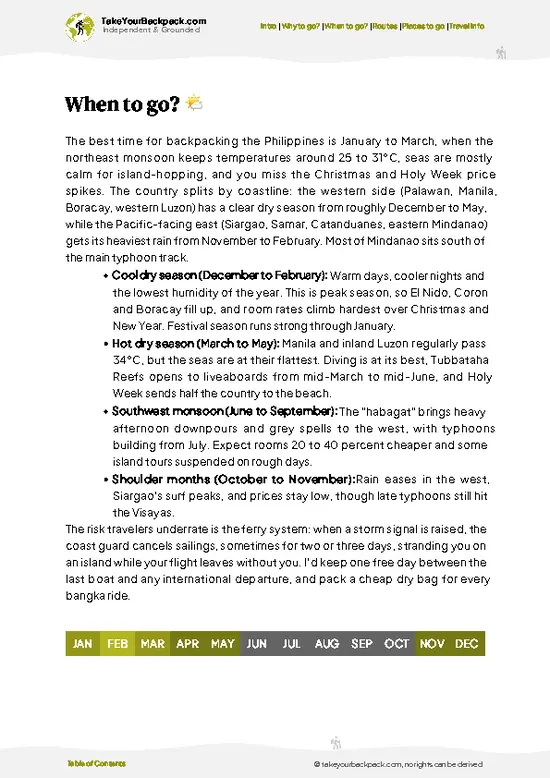
  • Weather: The dry season from November to May is your best bet. Rainfall drops significantly, making trails less slippery and river crossings safer.

  • Temperature: Expect daytime highs around 28-32°C (82-90°F), cooling to 18-22°C (64-72°F) at night. Avoid the hot, humid summer months of March to May if you’re sensitive to heat.

  • Daylight Hours: Roughly 11-12 hours of daylight year-round, but the dry season offers clearer skies, so you get more usable daylight for trekking.

  • Crowds: This park is off the beaten path, so crowds are minimal year-round. Still, weekends and local holidays can bring small groups, so plan weekdays for solitude.

  • Seasonal Activities: Wildlife spotting peaks in the dry season when animals gather near water sources. The wet season can make some trails impassable.
read more 👉

  • Weather: The dry season from November to May is your best bet. Rainfall drops significantly, making trails less slippery and river crossings safer.

  • Temperature: Expect daytime highs around 28-32°C (82-90°F), cooling to 18-22°C (64-72°F) at night. Avoid the hot, humid summer months of March to May if you’re sensitive to heat.

  • Daylight Hours: Roughly 11-12 hours of daylight year-round, but the dry season offers clearer skies, so you get more usable daylight for trekking.

  • Crowds: This park is off the beaten path, so crowds are minimal year-round. Still, weekends and local holidays can bring small groups, so plan weekdays for solitude.

  • Seasonal Activities: Wildlife spotting peaks in the dry season when animals gather near water sources. The wet season can make some trails impassable.

  • Price Fluctuations: Local guides and accommodations may charge more during peak dry months, but the difference is modest compared to the hassle of trekking in rain.


Pro-tip: Aim for late November or early December—cooler, dry, and just before the holiday rush—so you save energy for the park, not the weather or crowds.


source: climatestotravel.comJANJanuary: excellent for travelingFEBFebruary: excellent for travelingMARMarch: good for travelingAPRApril: fair for travelingMAYMay: fair for travelingJUNJune: below average for travelingJULJuly: below average for travelingAUGAugust: below average for travelingSEPSeptember: below average for travelingOCTOctober: fair for travelingNOVNovember: highly recommended for travelingDECDecember: excellent for traveling
when-to-go

✈️ The backpacker research shortcutPhilippines Travel Guide

An offline-friendly backpacking guide with optimized travel routes, ranked highlights, transport advice, and the best areas to stay.
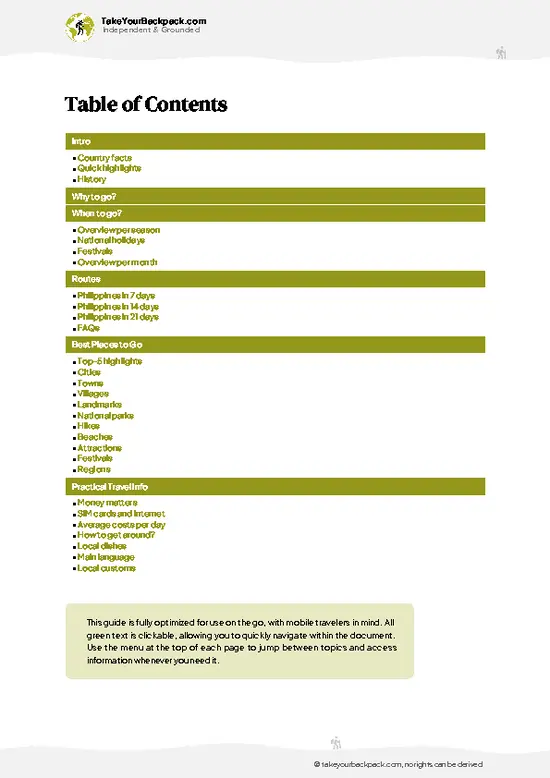
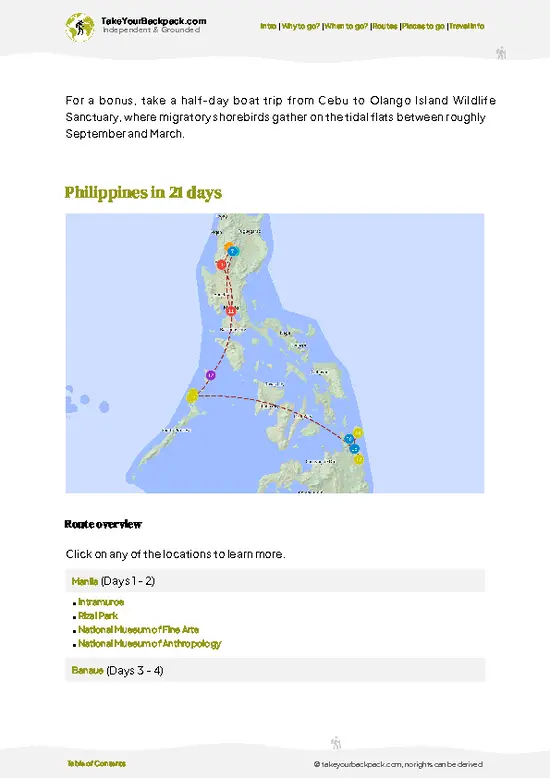
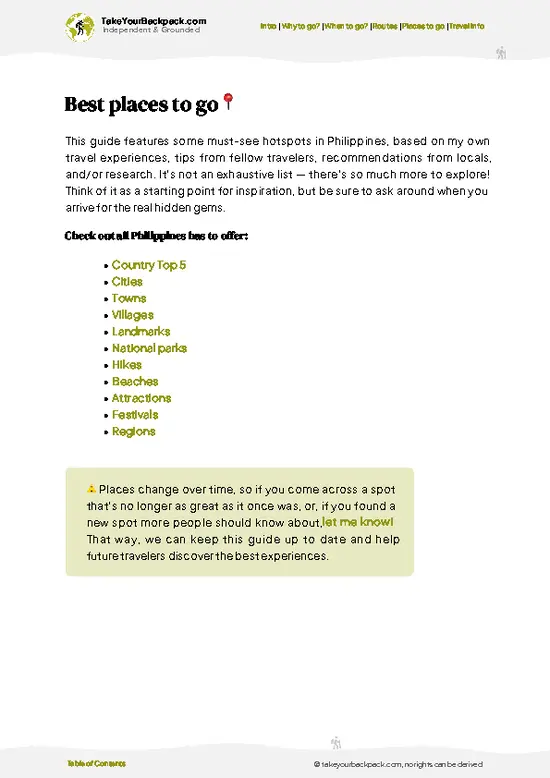
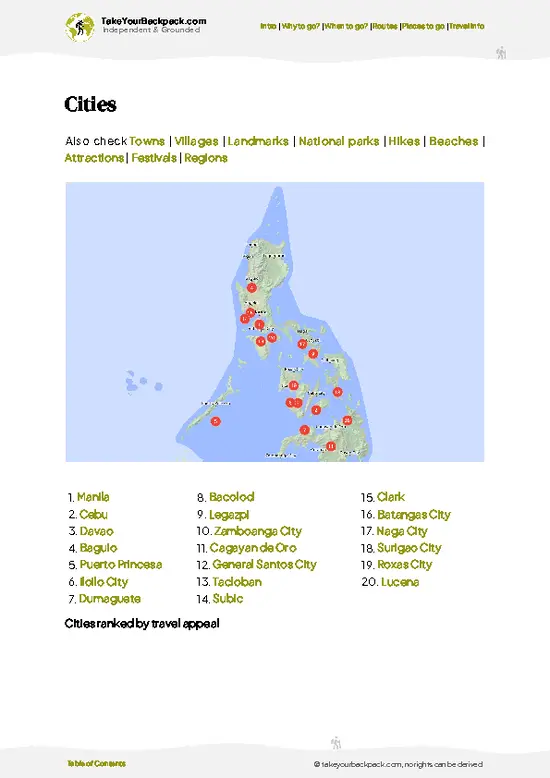
example page 0 from our offline Travel Guide for Philippinesexample page 1 from our offline Travel Guide for Philippinesexample page 2 from our offline Travel Guide for Philippinesexample page 3 from our offline Travel Guide for Philippinesexample page 4 from our offline Travel Guide for Philippinesexample page 5 from our offline Travel Guide for Philippinesexample page 6 from our offline Travel Guide for Philippinesexample page 7 from our offline Travel Guide for Philippines
The digital guide (505 pages) contains:
144 highlights, ranked by travel appeal
Optimized 7, 14 & 21-day travel routes
Cities, national parks, beaches, historical sites, ...
How to get around
Offline-friendly for travel without Wi-Fi
👉 Click to see all 30+ guide features

📅 Plan smarter in minutes, not weeks
Month by month travel advice
Festivals & national holidays
Budget expectations

🗺️ Go to the right places, skip the overrated ones
Honest pros & cons of destinations
Top hikes, parks & viewpoints
Lesser-known places most travelers miss
Clear “worth it vs skip it” guidance

🛏️ Travel smoothly without rookie mistakes
Best areas to stay
Transport systems explained simply
Common scams & safety advice
SIM cards, money & practical tips

🌍 Understand the country, not just visit it
Culture & traditions
52 Essential phrases & customs
Festivals worth planning around
Traveler-friendly historical context
Insights that make places more meaningful

📱 Built for real travel conditions
Fully downloadable PDF
Works completely offline
Optimized for phone use
Useful in remote areas & buses
Everything in one place
Save weeks of stressful planning
Get instant access to the full guide directly. 30-day money-back guarantee.


Sent to your inbox immediately after payment • 100% Secure Checkout
Best Backpacking Travel Advisor 2025 tourism awardBest Backpacking
Travel Advisor
2025
What others say about Take Your Backpack Guides:
⭐⭐⭐⭐⭐
Fantastic, amazing amount of information!
⭐⭐⭐⭐⭐
My goodness this is amazing, it's what I've been looking for hats off too you!
⭐⭐⭐⭐⭐
I think this is absolutely BRILLIANT
⭐⭐⭐⭐
Very complete and informative. It's still missing places, but I gotta to commend you
⭐⭐⭐⭐⭐
This is truly amazing, thank you, can't wait to explore it with my kids!
⭐⭐⭐⭐⭐
Awesome resource, thank you!
⭐⭐⭐⭐⭐
This is amazing! Can't wait to explore the ones I haven't seen
⭐⭐⭐⭐
I love this! Well done, great idea.
⭐⭐⭐⭐⭐
Thanks for taking the time to make this gem!
⭐⭐⭐⭐⭐
This might be the best website I've ever seen.
⭐⭐⭐⭐⭐
Congratulations, and thank you so much for your work; it's incredibly valuable.
⭐⭐⭐⭐
In all seriousness I think you did a great job pointing out the important spots
⭐⭐⭐⭐⭐
10/10 very good
⭐⭐⭐⭐⭐
As someone who's only just starting to visit regularly this is awesome, thank you.
⭐⭐⭐⭐
Thank you very much! I'm going to visit my dad, it's going to be very useful!
⭐⭐⭐⭐⭐
This is really cool! We'll be travelling for the first time and this definitely come in handy.
⭐⭐⭐⭐⭐
You are now our minister of culture, congratulations 👨‍💼
⭐⭐⭐⭐⭐
Just wanted to tell you that this is a pearl! Going to follow your recommendations.
⭐⭐⭐⭐⭐
This is so cool. I'll definitely be using the resource for my travels soon.
⭐⭐⭐⭐⭐
This is very impressive! Good work.
⭐⭐⭐⭐⭐
This is an amazing and informative site. Very well done!

🛏️ Where to stay?Best areas to stay in Philippines

Mount Iglit-Baco National Park doesn’t offer many accommodations within its boundaries, so your best bet is to stay in nearby towns like San Jose or Sablayan. Both towns have budget-friendly guesthouses and hostels that cater to backpackers.

In San Jose, check out places like the San Jose Eco Lodge for a cozy vibe. Sablayan has options like the Sablayan Tourist Inn, which is simple but comfortable.

Be prepared for limited amenities. Bring your own food supplies and water, as dining options can be sparse. This way, you’ll save energy and funds for the real adventure—exploring the park’s stunning landscapes.

👛 Costs (as of 25 September 2025)Travel costs and budget guide for Mount Iglit-Baco

Visiting Mount Iglit-Baco National Park in the Philippines requires some planning, especially when it comes to costs. Here’s what you need to know to avoid surprises.

Entrance fees typically range from $1 to $5 per person. This is a small price for access to the park’s natural beauty. However, if you’re planning to camp, expect to pay an additional fee of around $10 to $15 per night for a designated camping area.

Guided tours are highly recommended for a richer experience. These can cost anywhere from $30 to $100, depending on the length of the tour and the number of participants. A local guide not only enhances your understanding of the area but also ensures your safety.

Transportation is another factor. If you’re coming from nearby towns, jeepney fares can range from $2 to $5. Hiring … read more 👉
Visiting Mount Iglit-Baco National Park in the Philippines requires some planning, especially when it comes to costs. Here’s what you need to know to avoid surprises.

Entrance fees typically range from $1 to $5 per person. This is a small price for access to the park’s natural beauty. However, if you’re planning to camp, expect to pay an additional fee of around $10 to $15 per night for a designated camping area.

Guided tours are highly recommended for a richer experience. These can cost anywhere from $30 to $100, depending on the length of the tour and the number of participants. A local guide not only enhances your understanding of the area but also ensures your safety.

Transportation is another factor. If you’re coming from nearby towns, jeepney fares can range from $2 to $5. Hiring a private vehicle will set you back around $30 to $50, but it offers more flexibility.

Food options are limited within the park. Budget around $5 to $15 per meal if you’re eating at local eateries. Bringing your own supplies can save you money and allow for more flexibility.

Lastly, consider the cost of permits for activities like trekking or birdwatching, which can add another $5 to $20.

In summary, budgeting around $50 to $150 per day should cover most expenses, depending on your choices. This range allows for a comfortable experience without breaking the bank. Plan wisely, and you’ll have the energy and resources to enjoy the park’s true essence.
⚠️ Prices can change and everyone travels differently, so take this as a rough guide. Hope it helps you plan your adventure!

🥾 TrailsExploring Mount Iglit-Baco: trails, terrain, and views

Mount Iglit-Baco National Park is a hidden gem in the Philippines, perfect for those looking to escape the hustle and bustle. The park features stunning landscapes, with lush forests, rugged mountains, and breathtaking views. It’s a playground for nature lovers, offering a chance to spot unique wildlife like the endangered tamaraw, a small buffalo species found only in Mindoro. The terrain is a mix of steep climbs and gentle slopes, making it a bit of a workout but totally doable for most hikers.

One of the standout trails is the Mount Iglit Trail. Here are some details about it:
  • Category: Length
  • Explanation:
read more 👉
Mount Iglit-Baco National Park is a hidden gem in the Philippines, perfect for those looking to escape the hustle and bustle. The park features stunning landscapes, with lush forests, rugged mountains, and breathtaking views. It’s a playground for nature lovers, offering a chance to spot unique wildlife like the endangered tamaraw, a small buffalo species found only in Mindoro. The terrain is a mix of steep climbs and gentle slopes, making it a bit of a workout but totally doable for most hikers.

One of the standout trails is the Mount Iglit Trail. Here are some details about it:
  • Category: Length
  • Explanation: Approximately 8 kilometers one way
  • Category: Estimated Duration
  • Explanation: 5-7 hours, depending on your pace
  • Category: Difficulty Level
  • Explanation: Moderate to challenging
  • Category: Key Features
  • Explanation: Panoramic views, diverse flora, and potential wildlife sightings
  • Category: Terrain
  • Explanation: Varied, with rocky paths and some steep sections

Getting to the park is pretty straightforward. You can catch a bus from Manila to Calapan, then hop on a jeepney or tricycle to the park entrance. It’s not overly crowded, especially compared to more popular spots, so you can enjoy a bit of solitude if you time it right. Just keep in mind that there’s usually a small entrance fee, so bring some cash along. Overall, it’s a fantastic spot for budget travelers looking for adventure without breaking the bank.
⚠️ Hiking info can sometimes be outdated or inaccurate. Before you hit the trail, check the latest conditions with locals. If you do spot anything that's off, I'd love to hear from you, so I can update it for fellow travelers.

🛡️ SafetyTraveler Safety Guide

Mount Iglit-Baco National Park offers a generally accessible experience, but a few practical considerations can enhance your trip. Weather can shift quickly; pack layers to adapt. The trails vary in steepness, so good footwear is essential for grip and comfort. Navigation is straightforward, but always carry a map or GPS. Wildlife is present, including snakes; keep a respectful distance and don’t provoke. Lastly, hydrate well and pace yourself, especially on warmer days. These small preparations will help you focus on the beauty around you.

Other Filipino national parks near Mount Iglit-Baco

Explore more nearby:


👉 Discover all national parks

Or checkout all Philippines has to offer (think cities, towns, villages, national parks, hikes, beaches, festivals)
Country photo of Philippines

We 💚 feedbackFinal thoughts on exploring Mount Iglit-Baco

Mount Iglit-Baco National Park is a treasure for those seeking solitude and stunning biodiversity. You’ll find unique wildlife and lush landscapes that feel untouched. Just be ready for the humidity; it can sap your energy fast. Pack wisely, and you’ll savor every moment.

✈️ When did I visit Philippines?
Philippines being one of my favorites, due to the people and their mentality. I visited it first in 2010 and came back in January 2016 as part of my 1.5 year world trip.

✍️ Help improve this page!
The information on this page is based on my own backpacking experience in Philippines, supplemented with up-to-date research and feedback from other travelers. Travel details can change, so if you notice anything outdated or incomplete, feel free to let me know.


🙋‍♂️ Give feedback

👋 Meet the founderWho’s Behind Take Your Backpack?

Johan, backpacker and founder of TakeYourBackpackHi, I’m Johan (Netherlands 🇳🇱), the creator of TakeYourBackpack. Over the past decade, I’ve backpacked through 80+ countries across six continents, gaining extensive experience with independent travel, long-term trips, and overland routes.

This site is built on a combination of firsthand travel experience and carefully curated insights from other backpackers. Many guides are based on places I’ve personally visited, while others bring together tips, observations, and practical advice shared by trusted travelers I’ve met along the way.

The goal is to provide realistic, experience-driven guidance — not generic itineraries — so you can explore destinations with better context, clearer expectations, and more confidence.

Get full country guide •
Instant download • 144 highlights • Full Offline guide