
×

Philippines🇵🇭 | national parksAliwagwag Protected Landscapetiered waterfalls, river crossings, forested slopes | things to do and best time to go

Explore Rajah Sikatuna Protected LandscapeExplore Mount Iglit-Baco National Park

Backpacking in Aliwagwag Protected Landscape
👍 Recommendednational park ranked #13
By Johan Kruseman 🇳🇱 | Updated October 13, 2026

Many travelers assume Aliwagwag Protected Landscape is just a quick roadside waterfall stop; it’s actually a broader river-and-forest system that rewards slow, on-foot exploring more than selfie sprints. Tucked in Cateel, Davao Oriental on Mindanao’s east coast, it’s a low-key alternative to the Philippines’ headline parks. You get layered cascades, short but punchy hikes, birdlife if you’re patient, and usually modest entrance fees, but access is long, public transport patchy, and camping or true budget stays limited compared with Mount Apo or Mount Hamiguitan. Expect more concrete view decks than wild jungle, yet far fewer crowds.

Discover everything you want to know in the 📖 Philippines Travel Guide.


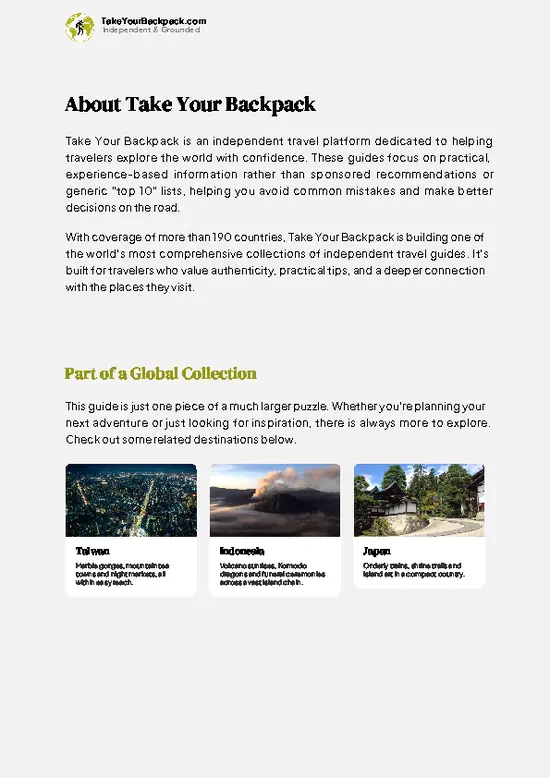
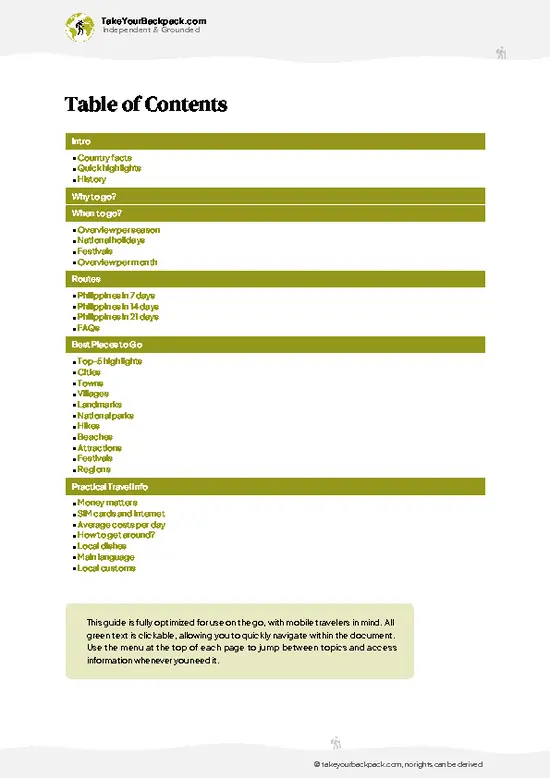
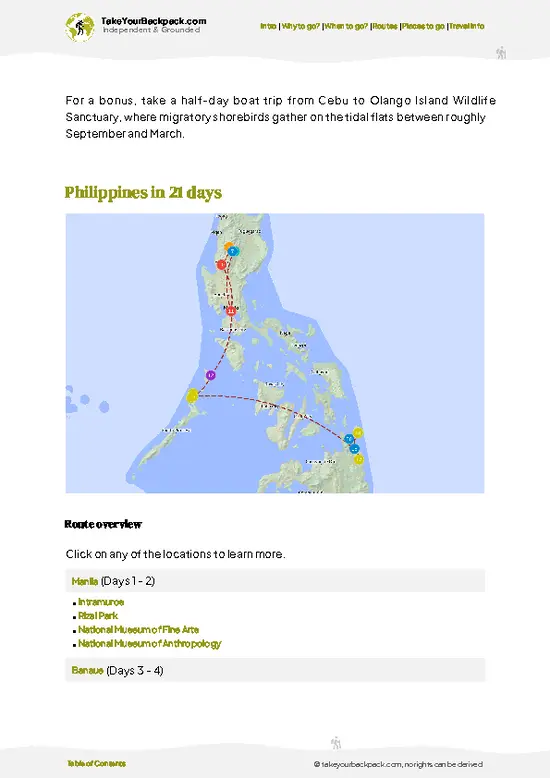
example page 0 from our offline Travel Guide for Philippines
example page 1 from our offline Travel Guide for Philippines
example page 2 from our offline Travel Guide for Philippines
example page 3 from our offline Travel Guide for Philippines
example page 4 from our offline Travel Guide for Philippines
example page 5 from our offline Travel Guide for Philippines
example page 6 from our offline Travel Guide for Philippines
example page 7 from our offline Travel Guide for Philippines
Loading the map 🌍
CLICK TO FILTER
cities
towns
villages
landmarks
national parks
hikes
beaches
attractions
festivals
regions
SHOW COUNTRY’S BESTSHOW ALL

✨ Why go?
Ranked #13 national park in Philippines
Why visitors keep coming back

Backpackers flock to Aliwagwag Protected Landscape for its blend of independent exploration and budget-friendly options. You’ll find campsites and hostels nearby, making it easy to stretch your funds while soaking in the scenery. The variety of trails caters to all levels, from leisurely walks to more challenging hikes, allowing you to tailor your adventure. This park is particularly suited for self-guided travelers; the well-marked paths let you roam without the constraints of a tour group. Just keep an eye on the weather and trail conditions, as they can change quickly. Embrace the freedom, but stay prepared to make the most of your experience.

💡 HighlightsMust-see experiences and standout moments

  • Aliwagwag Falls — The headline attraction: a broad, multi-tiered cascade that pours into a string of natural pools. You can walk close, take photos from several vantage points, and cool off in the lower basins. (Personal favorite — nothing beats that sound of water and shade after a dusty jeepney ride.)
  • Upper Tiers Trek — A short but satisfying hike above the main fall to quieter, higher cascades and shallow plunge pools. Fewer people, more mossy rocks and good spots for a picnic or a photographer’s detail shot.
  • River Gorge and Rapids — The Aliwagwag River carves a scenic channel with riffles, rock formations and pebble banks. Great for wandering, listening to fast water, and spotting insect life along the water’s edge.
  • Old-growth Forest Trails — Patches of mature forest shield the trails
… read more 👉
  • Aliwagwag Falls — The headline attraction: a broad, multi-tiered cascade that pours into a string of natural pools. You can walk close, take photos from several vantage points, and cool off in the lower basins. (Personal favorite — nothing beats that sound of water and shade after a dusty jeepney ride.)
  • Upper Tiers Trek — A short but satisfying hike above the main fall to quieter, higher cascades and shallow plunge pools. Fewer people, more mossy rocks and good spots for a picnic or a photographer’s detail shot.
  • River Gorge and Rapids — The Aliwagwag River carves a scenic channel with riffles, rock formations and pebble banks. Great for wandering, listening to fast water, and spotting insect life along the water’s edge.
  • Old-growth Forest Trails — Patches of mature forest shield the trails in cool shade and host orchids, ferns, and lots of understory life. The trails are easy to moderate and feel surprisingly remote at times.
  • Birding and Butterflies — The mix of riverine and forest habitat attracts a healthy roster of birds and butterflies. Bring binoculars early in the morning; you’ll likely hear and see several colorful species if you’re patient.
  • Local Village and Cultural Stops — Small nearby communities offer a chance to learn about local agroforestry, try simple home-cooked food, and buy handmade crafts. It’s low-key but makes the visit feel rooted instead of purely scenic.
  • Scenic Road Viewpoints — Several pullouts along the access road give panoramic views of the valley, ridgelines and the waterfall’s approach. Perfect for sunrise/sunset photos or a quick stretch on a long travel day.
Spotted a mistake or missing something? Contact us.

🌤️ When to go?Best time to explore Aliwagwag Protected Landscape

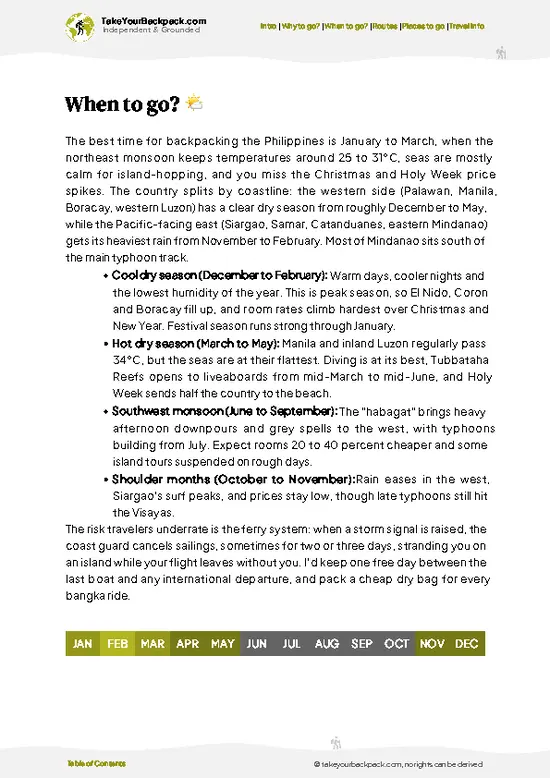
  • Weather: The dry season from November to May is your best bet. Rainfall drops significantly, which means trails stay manageable and river crossings less risky. Avoid June to October when heavy monsoon rains can turn paths into mud traps and increase flash flood risks.
  • Temperature: Daytime temps hover between 24-30°C (75-86°F), comfortable for hiking. Nights can dip to 18°C (64°F), so pack a light jacket. The cooler months (December to February) offer relief from the tropical heat but expect early morning chill.
  • Daylight Hours: Expect roughly 11 to 12 hours of daylight year-round, with sunrise around 5:30-6:00 AM and sunset near 5:30-6:00 PM. Start early to maximize your trekking time and avoid afternoon heat or sudden showers.
  • Crowds: The park sees fewer visitors than more famous Philippine
… read more 👉
  • Weather: The dry season from November to May is your best bet. Rainfall drops significantly, which means trails stay manageable and river crossings less risky. Avoid June to October when heavy monsoon rains can turn paths into mud traps and increase flash flood risks.
  • Temperature: Daytime temps hover between 24-30°C (75-86°F), comfortable for hiking. Nights can dip to 18°C (64°F), so pack a light jacket. The cooler months (December to February) offer relief from the tropical heat but expect early morning chill.
  • Daylight Hours: Expect roughly 11 to 12 hours of daylight year-round, with sunrise around 5:30-6:00 AM and sunset near 5:30-6:00 PM. Start early to maximize your trekking time and avoid afternoon heat or sudden showers.
  • Crowds: The park sees fewer visitors than more famous Philippine spots, but weekends and holidays still bring locals. Weekdays during the dry season offer the quietest experience.
  • Seasonal Activities: Dry months favor waterfall visits and river trekking. Avoid the wet season when trails can close or become dangerous. Some local festivals align with the dry season, adding cultural depth if timed right.
  • Price Fluctuations: Accommodation and guide fees stay relatively stable year-round, but expect slight increases during peak dry season and holidays. Booking ahead during these times can save you from last-minute price hikes.
Pro-tip: Aim for late November or early December—dry trails, manageable crowds, and cooler temps combine for the most efficient and enjoyable backpacking window.


source: climatestotravel.comJANJanuary: excellent for travelingFEBFebruary: excellent for travelingMARMarch: excellent for travelingAPRApril: excellent for travelingMAYMay: highly recommended for travelingJUNJune: fair for travelingJULJuly: below average for travelingAUGAugust: below average for travelingSEPSeptember: fair for travelingOCTOctober: fair for travelingNOVNovember: excellent for travelingDECDecember: excellent for traveling
when-to-go

✈️ The backpacker research shortcutPhilippines Travel Guide

An offline-friendly backpacking guide with optimized travel routes, ranked highlights, transport advice, and the best areas to stay.
example page 0 from our offline Travel Guide for Philippines
example page 1 from our offline Travel Guide for Philippines
example page 2 from our offline Travel Guide for Philippines
example page 3 from our offline Travel Guide for Philippines
example page 4 from our offline Travel Guide for Philippines
example page 5 from our offline Travel Guide for Philippines
example page 6 from our offline Travel Guide for Philippines
example page 7 from our offline Travel Guide for Philippines
The digital guide (517 pages) contains:
✅ 151 highlights, ranked by travel appeal
✅ Optimized 7, 14 & 21-day travel routes
✅ Cities, national parks, landmarks, beaches
✅ How to get around
✅ Offline-friendly for travel without Wi-Fi
👉 Click to see all 30+ guide features

📅 Plan smarter in minutes, not weeks
✅ Month by month travel advice
✅ Festivals & national holidays
✅ Budget expectations

🗺️ Go to the right places, skip the overrated ones
✅ Honest pros & cons of destinations
✅ Top hikes, parks & viewpoints
✅ Lesser-known places most travelers miss
✅ Clear “worth it vs skip it” guidance

🛏️ Travel smoothly without rookie mistakes
✅ Best areas to stay
✅ Transport systems explained simply
✅ Common scams & safety advice
✅ SIM cards, money & practical tips

🌍 Understand the country, not just visit it
✅ Culture & traditions
✅ 52 Essential phrases & customs
✅ Festivals worth planning around
✅ Traveler-friendly historical context
✅ Insights that make places more meaningful

📱 Built for real travel conditions
✅ Fully downloadable PDF
✅ Works completely offline
✅ Optimized for phone use
✅ Useful in remote areas & buses
✅ Everything in one place
Stop searching, start planning
Get instant access to your full guide. 30‑day money-back guarantee.
+ Add another guide for just

By proceeding you agree to our terms.
Sent to your inbox immediately after payment • 100% Secure Checkout
Best Backpacking Travel Advisor 2025 tourism awardBest Backpacking
Travel Advisor
2025
What others say about Take Your Backpack Guides:
⭐⭐⭐⭐⭐
Fantastic, amazing amount of information!
⭐⭐⭐⭐⭐
My goodness this is amazing, it's what I've been looking for hats off too you!
⭐⭐⭐⭐⭐
I think this is absolutely BRILLIANT
⭐⭐⭐⭐
Very complete and informative. It's still missing places, but I gotta to commend you
⭐⭐⭐⭐⭐
This is truly amazing, thank you, can't wait to explore it with my kids!
⭐⭐⭐⭐⭐
Awesome resource, thank you!
⭐⭐⭐⭐⭐
This is amazing! Can't wait to explore the ones I haven't seen
⭐⭐⭐⭐
I love this! Well done, great idea.
⭐⭐⭐⭐⭐
Thanks for taking the time to make this gem!
⭐⭐⭐⭐⭐
This might be the best website I've ever seen.
⭐⭐⭐⭐⭐
Congratulations, and thank you so much for your work; it's incredibly valuable.
⭐⭐⭐⭐
In all seriousness I think you did a great job pointing out the important spots
⭐⭐⭐⭐⭐
10/10 very good
⭐⭐⭐⭐⭐
As someone who's only just starting to visit regularly this is awesome, thank you.
⭐⭐⭐⭐
Thank you very much! I'm going to visit my dad, it's going to be very useful!
⭐⭐⭐⭐⭐
This is really cool! We'll be travelling for the first time and this definitely come in handy.
⭐⭐⭐⭐⭐
You are now our minister of culture, congratulations 👨‍💼
⭐⭐⭐⭐⭐
Just wanted to tell you that this is a pearl! Going to follow your recommendations.
⭐⭐⭐⭐⭐
This is so cool. I'll definitely be using the resource for my travels soon.
⭐⭐⭐⭐⭐
This is very impressive! Good work.
⭐⭐⭐⭐⭐
This is an amazing and informative site. Very well done!

🛏️ Where to stay?Choosing the right base

For backpackers heading to the ’Aliwagwag Protected Landscape’, options are limited within the park itself. There aren’t designated accommodations right inside the park, but don’t let that deter you. Nearby, the town of Cateel offers a few budget-friendly guesthouses and hostels. Look for places like the Cateel Inn or local homestays, which provide a cozy atmosphere and a chance to connect with locals.

If you’re willing to venture a bit further, the city of Davao is about a two-hour drive away. It has a wider range of accommodations, from hostels to budget hotels. Just keep in mind that transportation … read more 👉
For backpackers heading to the ’Aliwagwag Protected Landscape’, options are limited within the park itself. There aren’t designated accommodations right inside the park, but don’t let that deter you. Nearby, the town of Cateel offers a few budget-friendly guesthouses and hostels. Look for places like the Cateel Inn or local homestays, which provide a cozy atmosphere and a chance to connect with locals.

If you’re willing to venture a bit further, the city of Davao is about a two-hour drive away. It has a wider range of accommodations, from hostels to budget hotels. Just keep in mind that transportation can add up, so plan your trips wisely. Prioritize staying close to the park for easy access to its stunning waterfalls and trails, and save your energy for the adventures ahead.

👛 Costs (as of 13 October 2026)Travel costs and budget guide for Aliwagwag Protected Landscape

Visiting Aliwagwag Protected Landscape in the Philippines comes with some costs that you should be aware of. Entrance fees typically range from $1 to $2 per person. This is a small price for the natural beauty you’ll encounter.

If you plan to hire a local guide, expect to pay around $10 to $20 for a half-day tour. Guides can enhance your experience by sharing insights about the flora and fauna.

Transportation costs can vary. If you’re coming from nearby towns, a tricycle ride might set you back about $5 to $10. If you’re traveling from Davao City, a bus ticket will cost around $5 to $7.

Food options near the park are generally affordable. Local eateries offer meals for about $3 to $7. If you prefer to pack your own food, consider the cost of groceries, which can be quite reasonable.

… read more 👉
Visiting Aliwagwag Protected Landscape in the Philippines comes with some costs that you should be aware of. Entrance fees typically range from $1 to $2 per person. This is a small price for the natural beauty you’ll encounter.

If you plan to hire a local guide, expect to pay around $10 to $20 for a half-day tour. Guides can enhance your experience by sharing insights about the flora and fauna.

Transportation costs can vary. If you’re coming from nearby towns, a tricycle ride might set you back about $5 to $10. If you’re traveling from Davao City, a bus ticket will cost around $5 to $7.

Food options near the park are generally affordable. Local eateries offer meals for about $3 to $7. If you prefer to pack your own food, consider the cost of groceries, which can be quite reasonable.

Be mindful of additional costs like parking fees if you’re driving. These can range from $1 to $3.

Plan for these expenses to avoid surprises. Knowing the costs upfront helps you focus on enjoying the stunning landscapes and rich biodiversity without worrying about your budget.
⚠️ Prices can change and everyone travels differently, so take this as a rough guide. Hope it helps you plan your adventure!

🥾 TrailsScenic routes and wildlife spotting in Aliwagwag Protected Landscape

The hiking opportunities in ’Aliwagwag Protected Landscape’ are pretty amazing, especially if you’re into lush scenery and waterfalls. The park is known for its stunning waterfalls, with the Aliwagwag Falls being the star of the show—just picture cascading water spilling over multiple tiers, surrounded by vibrant greenery. The terrain can vary quite a bit, with some areas being rocky and steep, while others are more forgiving, making it a mixed bag for hikers. Wildlife is abundant too; keep your eyes peeled for colorful birds and maybe even some monkeys swinging through the trees.

There are designated … read more 👉
The hiking opportunities in ’Aliwagwag Protected Landscape’ are pretty amazing, especially if you’re into lush scenery and waterfalls. The park is known for its stunning waterfalls, with the Aliwagwag Falls being the star of the show—just picture cascading water spilling over multiple tiers, surrounded by vibrant greenery. The terrain can vary quite a bit, with some areas being rocky and steep, while others are more forgiving, making it a mixed bag for hikers. Wildlife is abundant too; keep your eyes peeled for colorful birds and maybe even some monkeys swinging through the trees.

There are designated trails that you can explore, like the Aliwagwag Falls Trail:
  • Length: 4 km
  • Estimated Duration: 2-3 hours
  • Difficulty Level: Moderate
  • Key Features: Stunning views of the falls, diverse plant life, and chances to spot local wildlife.
  • Terrain: A mix of dirt paths and rocky sections, with some steep inclines.

Getting to the park is pretty straightforward. You can catch a bus from Davao City to Cateel, and from there, a short tricycle ride will get you to the entrance. It can get a bit crowded, especially on weekends or holidays, so if you want a quieter experience, aim for a weekday visit. As for the entrance fee, it’s usually quite affordable, but it’s a good idea to check ahead just in case they’ve updated their rates.
⚠️ Hiking info can sometimes be outdated or inaccurate. Before you hit the trail, check the latest conditions with locals. If you do spot anything that's off, I'd love to hear from you, so I can update it for fellow travelers.

🛡️ SafetyStaying Safe: What Travelers Should Know

The ‘Aliwagwag Protected Landscape’ is generally accessible, but a few realities can catch you off guard. Weather can shift quickly; afternoon rains are common, so start early to avoid getting soaked. The terrain varies from gentle slopes to steeper sections, especially near the waterfalls. Good footwear is essential for grip on wet rocks.

Wildlife is present, but encounters are rare. If you do spot a monitor lizard or a snake, keep your distance and let them be.

Preparation is key. Bring enough water and snacks, as options on the trail are limited. Respect trail etiquette—yield to those climbing up and keep noise to a minimum to enjoy the serene environment.

FAQCommon questions from travelers

2 to 3 days are sufficient to explore Aliwagwag Protected Landscape thoroughly, including hiking, visiting waterfalls, and enjoying nature. This allows time to experience the main attractions without rushing. Longer stays are possible for deeper exploration or relaxation.
Yes, you can visit Aliwagwag Protected Landscape without a car. Public transportation options like jeepneys or tricycles are available from nearby towns, but expect some walking or hiking to reach certain spots. Renting a motorcycle is also a common alternative for more flexibility.
Yes, an entrance fee and permits are required to visit Aliwagwag Protected Landscape. The entrance fee is typically around 50 to 100 PHP per person, and permits for trekking or camping may be needed, especially for organized tours or overnight stays. Fees help support conservation efforts.
⚠️ Things can change over time, so always validate details locally before you go.

Other Filipino national parks near Aliwagwag Protected Landscape

Explore more nearby:


💡 Not sure where to go next?
Create a personalized itinerary for Philippines including Aliwagwag Protected Landscape and the places that fit your trip.

Generate my itinerary

👉 Discover all national parks

Or checkout all Philippines has to offer (think cities, towns, villages, national parks, hikes, beaches, festivals)
Country photo of Philippines

We 💚 feedbackKey takeaways before you go

Aliwagwag Protected Landscape is a slice of paradise, with its cascading waterfalls and lush greenery that feels untouched. But be ready for the humidity; it can sap your energy fast. Hydrate well and take breaks. The beauty here is worth the effort, but don’t underestimate the climate—it’s part of the experience.

✈️ When did I visit Philippines?
Philippines being one of my favorites, due to the people and their mentality. I visited it first in 2010 and came back in January 2016 as part of my 1.5 year world trip.

✍️ Help improve this page!
The information on this page is based on my own backpacking experience in Philippines, supplemented with up-to-date research and feedback from other travelers. Travel details can change, so if you notice anything outdated or incomplete, feel free to let me know.


🙋‍♂️ Give feedback

👋 Meet the founderWho’s Behind Take Your Backpack?

Johan, backpacker and founder of TakeYourBackpackHi, I’m Johan (Netherlands 🇳🇱), the creator of TakeYourBackpack. Over the past 3 decades, I’ve backpacked through 90+ countries across six continents, gaining extensive experience with independent travel, long-term trips, and overland routes.

This site is built on a combination of firsthand travel experience and carefully curated insights from other backpackers. Many guides are based on places I’ve personally visited, while others bring together tips, observations, and practical advice shared by trusted travelers I’ve met along the way.

The goal is to provide realistic, experience-driven guidance — not generic itineraries — so you can explore destinations with better context, clearer expectations, and more confidence.