×

Philippines🇵🇭 | festivalsSandugo Festivalblood compact reenactment, Bohol, colonial history | things to do and best time to go

Explore Ibalong FestivalExplore T’nalak Festival

Backpacking in Sandugo
👌 Worth visitingfestival ranked #13
By Johan Kruseman 🇳🇱 | Updated May 11, 2026

Most people realize too late that Sandugo Festival is basically a one-stop crash course in Visayan culture, so you can skip chasing a dozen smaller fiestas and still get the same hit of color, chaos, and drumlines. Held in Tagbilaran City on Bohol Island in the central Philippines, Sandugo celebrates the historic “blood compact” with street parades, tribal dance competitions, and loud, drum-heavy pop and festival music. You’ll see locals, students, and domestic tourists more than foreign backpackers, which keeps prices sane but crowds dense. It runs roughly through July, with peak events mid-month. Worth it if you like movement, noise, and cultural pageantry more than quiet sunsets.

Discover everything you want to know in the 📖 Philippines Travel Guide.
Loading the map 🌍
CLICK TO FILTER
city
town
unique site
national park
hike
beach
attraction
festival
region
SHOW COUNTRY’S BESTSHOW ALL

✨ Why go?
Ranked #13 festival in Philippines
What sets this place apart

Backpackers flock to the Sandugo Festival in the Philippines for its social energy and the chance to dive into a temporary community. This vibrant celebration of history and culture offers a unique cultural immersion that’s hard to find elsewhere. You’ll connect with locals and fellow travelers, sharing stories and laughter amidst colorful parades and traditional dances. Plus, it’s remarkably affordable compared to similar events around the globe, allowing you to stretch your budget for other adventures. Planning your route around this festival not only enriches your experience but also seamlessly fits into longer travel plans, making every moment count on your journey.
Get the complete Travel Guide for Philippines
Everything organized for offline planning — routes, highlights, costs & tips

See what’s inside 👉

Get the Travel Guide -

💡 HighlightsWhat this place is best known for

  1. Sandugo Blood Compact Reenactment — The ritual at the heart of the festival: a dramatized retelling of the 16th-century blood compact between native leaders and foreign visitors. It’s not just theatre — it’s a living symbol of trust and local identity, performed with costumes, solemn ceremony, and a historic vibe that reminds you why the whole town gathers in the first place.
  2. Street Dancing and Costume Parade — Colorful, loud, communal and absolutely watchable from the curb (no expensive ticket required). Barangays and cultural groups compete with tribal-inspired choreography, percussion, and wild handmade costumes. It’s kinetic, photo-friendly, and full of local spirit — personal favorite for the sheer energy and easy ways to join the crowd.
  3. Grand Floats and Civic Parades — Expect creatively
read more 👉
  1. Sandugo Blood Compact Reenactment — The ritual at the heart of the festival: a dramatized retelling of the 16th-century blood compact between native leaders and foreign visitors. It’s not just theatre — it’s a living symbol of trust and local identity, performed with costumes, solemn ceremony, and a historic vibe that reminds you why the whole town gathers in the first place.
  2. Street Dancing and Costume Parade — Colorful, loud, communal and absolutely watchable from the curb (no expensive ticket required). Barangays and cultural groups compete with tribal-inspired choreography, percussion, and wild handmade costumes. It’s kinetic, photo-friendly, and full of local spirit — personal favorite for the sheer energy and easy ways to join the crowd.
  3. Grand Floats and Civic Parades — Expect creatively decorated floats, community banners, and small theatrical tableaux that showcase local crafts and themes. These processions highlight the island’s artisanship and friendly rivalry between neighborhoods; you get a close look at how the community expresses pride without any pretense.
  4. Street Food, Night Bazaars and Pasalubong Stalls — The festival turns the sidewalks into a low-cost food crawl: grilled seafood, local snacks, sweets and souvenir stalls selling regional treats and handicrafts. It’s where you eat cheaply, try something new, and walk away with small, authentic mementos — perfect for budget travelers.
  5. Cultural Nights, Concerts and Heritage Exhibits — Evenings mix live music, folk performances and pop concerts with quieter heritage displays about the sandugo story. The contrast — solemn history by day, loose community concerts by night — is what gives the festival texture: respectful, but also plenty of fun.
Spotted a mistake or missing something? Contact us.

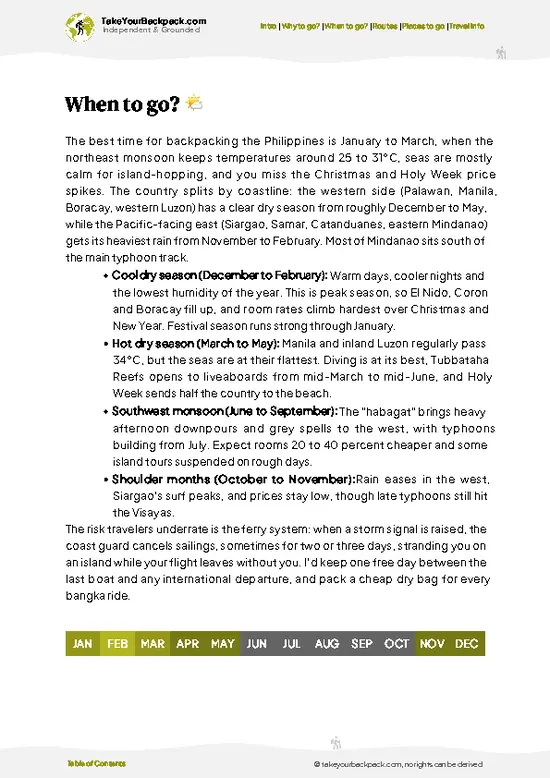
🌤️ When to go?When is the celebration of Sandugo Festival?


  • Topic: Weather – The Sandugo Festival happens in July, right in the middle of the Philippine rainy season. Expect frequent showers and high humidity, with temperatures hovering around 27-31°C (80-88°F). Pack a lightweight rain jacket and quick-dry gear to keep moving without slowing down.

  • Topic: Temperature – Days are warm and sticky, nights slightly cooler but still above 24°C (75°F). Hydration and breathable clothing are non-negotiable to stay sharp during long festival days.

  • Topic: Daylight Hours – You get roughly 12 hours of daylight, enough to dive into daytime parades and evening street parties without feeling rushed.

  • Topic: Crowds – July draws locals and tourists alike, swelling the town’s population. This means vibrant energy but also packed accommodations and longer lines.
read more 👉

  • Topic: Weather – The Sandugo Festival happens in July, right in the middle of the Philippine rainy season. Expect frequent showers and high humidity, with temperatures hovering around 27-31°C (80-88°F). Pack a lightweight rain jacket and quick-dry gear to keep moving without slowing down.

  • Topic: Temperature – Days are warm and sticky, nights slightly cooler but still above 24°C (75°F). Hydration and breathable clothing are non-negotiable to stay sharp during long festival days.

  • Topic: Daylight Hours – You get roughly 12 hours of daylight, enough to dive into daytime parades and evening street parties without feeling rushed.

  • Topic: Crowds – July draws locals and tourists alike, swelling the town’s population. This means vibrant energy but also packed accommodations and longer lines. Early booking is your best defense.

  • Topic: Seasonal Activities – Beyond the festival, July’s lush surroundings invite hikes and river adventures, but trails can be slippery. Plan your outdoor moves carefully to avoid wasting energy on avoidable slips or delays.

  • Topic: Price Fluctuations – Festival season spikes prices on lodging and transport. Lock in your budget by booking weeks ahead and consider guesthouses over hotels to keep costs lean.


Pro-tip: Arrive a day early to acclimate and secure your spot—jumping straight into the festival chaos without a buffer is a rookie move that drains both stamina and wallet.


source: climatestotravel.comJANJanuary: not recommended for travelingFEBFebruary: not recommended for travelingMARMarch: not recommended for travelingAPRApril: not recommended for travelingMAYMay: not recommended for travelingJUNJune: not recommended for travelingJULJuly: excellent for travelingAUGAugust: not recommended for travelingSEPSeptember: not recommended for travelingOCTOctober: not recommended for travelingNOVNovember: not recommended for travelingDECDecember: not recommended for traveling

✈️ The backpacker research shortcutPhilippines Travel Guide

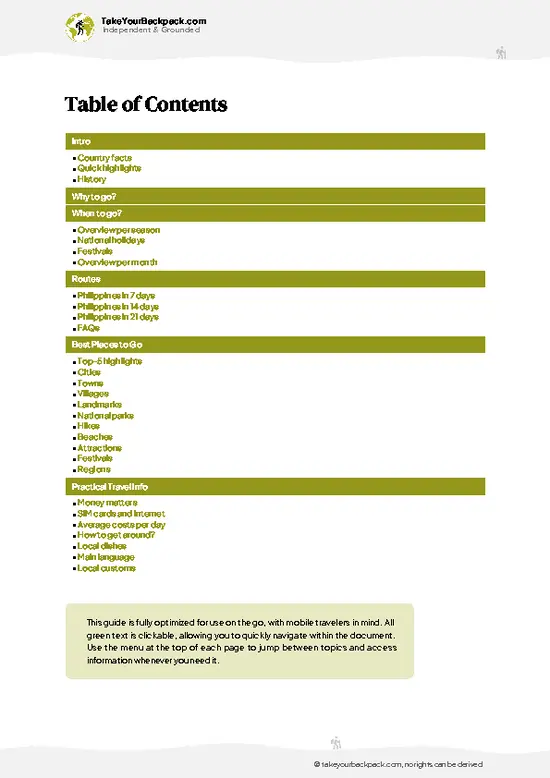
An offline-friendly backpacking guide with optimized travel routes, ranked highlights, transport advice, and the best areas to stay.
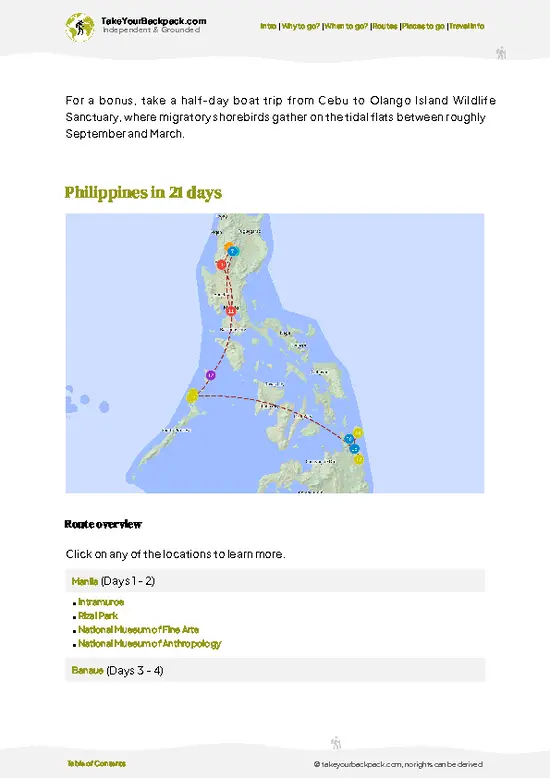
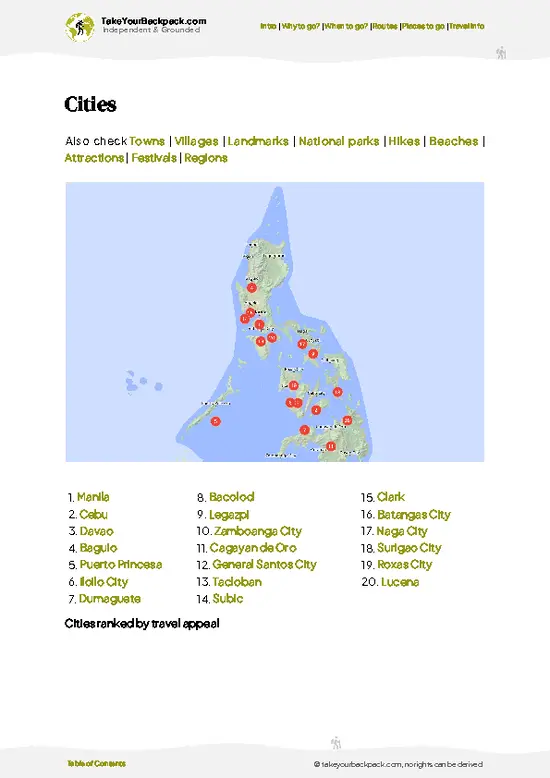
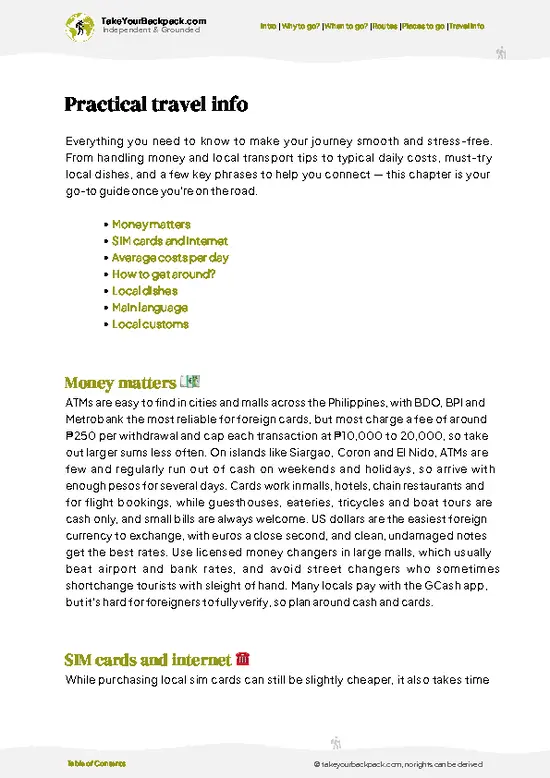
example page 0 from our offline Travel Guide for Philippinesexample page 1 from our offline Travel Guide for Philippinesexample page 2 from our offline Travel Guide for Philippinesexample page 3 from our offline Travel Guide for Philippinesexample page 4 from our offline Travel Guide for Philippinesexample page 5 from our offline Travel Guide for Philippinesexample page 6 from our offline Travel Guide for Philippinesexample page 7 from our offline Travel Guide for Philippines
The digital guide (505 pages) contains:
144 highlights, ranked by travel appeal
Optimized 7, 14 & 21-day travel routes
Cities, national parks, beaches, historical sites, ...
How to get around
Offline-friendly for travel without Wi-Fi
👉 Click to see all 30+ guide features

📅 Plan smarter in minutes, not weeks
Month by month travel advice
Festivals & national holidays
Budget expectations

🗺️ Go to the right places, skip the overrated ones
Honest pros & cons of destinations
Top hikes, parks & viewpoints
Lesser-known places most travelers miss
Clear “worth it vs skip it” guidance

🛏️ Travel smoothly without rookie mistakes
Best areas to stay
Transport systems explained simply
Common scams & safety advice
SIM cards, money & practical tips

🌍 Understand the country, not just visit it
Culture & traditions
52 Essential phrases & customs
Festivals worth planning around
Traveler-friendly historical context
Insights that make places more meaningful

📱 Built for real travel conditions
Fully downloadable PDF
Works completely offline
Optimized for phone use
Useful in remote areas & buses
Everything in one place
Save weeks of stressful planning
Get instant access to the full guide directly. 30-day money-back guarantee.


Sent to your inbox immediately after payment • 100% Secure Checkout
Best Backpacking Travel Advisor 2025 tourism awardBest Backpacking
Travel Advisor
2025
What others say about Take Your Backpack Guides:
⭐⭐⭐⭐⭐
Fantastic, amazing amount of information!
⭐⭐⭐⭐⭐
My goodness this is amazing, it's what I've been looking for hats off too you!
⭐⭐⭐⭐⭐
I think this is absolutely BRILLIANT
⭐⭐⭐⭐
Very complete and informative. It's still missing places, but I gotta to commend you
⭐⭐⭐⭐⭐
This is truly amazing, thank you, can't wait to explore it with my kids!
⭐⭐⭐⭐⭐
Awesome resource, thank you!
⭐⭐⭐⭐⭐
This is amazing! Can't wait to explore the ones I haven't seen
⭐⭐⭐⭐
I love this! Well done, great idea.
⭐⭐⭐⭐⭐
Thanks for taking the time to make this gem!
⭐⭐⭐⭐⭐
This might be the best website I've ever seen.
⭐⭐⭐⭐⭐
Congratulations, and thank you so much for your work; it's incredibly valuable.
⭐⭐⭐⭐
In all seriousness I think you did a great job pointing out the important spots
⭐⭐⭐⭐⭐
10/10 very good
⭐⭐⭐⭐⭐
As someone who's only just starting to visit regularly this is awesome, thank you.
⭐⭐⭐⭐
Thank you very much! I'm going to visit my dad, it's going to be very useful!
⭐⭐⭐⭐⭐
This is really cool! We'll be travelling for the first time and this definitely come in handy.
⭐⭐⭐⭐⭐
You are now our minister of culture, congratulations 👨‍💼
⭐⭐⭐⭐⭐
Just wanted to tell you that this is a pearl! Going to follow your recommendations.
⭐⭐⭐⭐⭐
This is so cool. I'll definitely be using the resource for my travels soon.
⭐⭐⭐⭐⭐
This is very impressive! Good work.
⭐⭐⭐⭐⭐
This is an amazing and informative site. Very well done!

🛏️ Where to stay?Best areas and accommodation options

For the Sandugo Festival, head to the heart of Tagbilaran City. This area buzzes with energy and camaraderie, perfect for solo backpackers and budget travelers. You’ll find a mix of affordable guesthouses and lively hostels where you can swap stories over a cold drink.

Stay close to the waterfront for easy access to festival events and local eateries. The vibrant atmosphere keeps you engaged, and the friendly locals make it feel safe.

Don’t overlook the nearby island of Panglao. It’s a quick ride away, offering stunning beaches and a laid-back vibe. You can recharge after festival festivities … read more 👉
For the Sandugo Festival, head to the heart of Tagbilaran City. This area buzzes with energy and camaraderie, perfect for solo backpackers and budget travelers. You’ll find a mix of affordable guesthouses and lively hostels where you can swap stories over a cold drink.

Stay close to the waterfront for easy access to festival events and local eateries. The vibrant atmosphere keeps you engaged, and the friendly locals make it feel safe.

Don’t overlook the nearby island of Panglao. It’s a quick ride away, offering stunning beaches and a laid-back vibe. You can recharge after festival festivities while still being close enough to dive back into the action. Prioritize social spaces; they’re where the real adventure begins.

👛 Costs (as of 9 October 2025)Money, prices, and spending tips

The Sandugo Festival in the Philippines is a vibrant celebration, but navigating costs can be tricky. Here’s a breakdown to keep your budget in check and your energy focused on the fun.
  • Festival Tickets: Entry to the Sandugo Festival is typically free, but some special events or activities may charge a fee. Expect to pay around $5 to $15 for premium experiences, like cultural shows or workshops. Keep an eye out for any ticketed events that might pop up.
  • Accommodation: Options range from budget hostels to mid-range hotels. Dormitory beds start at about $10 per night, while private rooms can go from $25 to $50. If you want a bit more comfort, expect to pay $60 to $100 for nicer hotels. Book early to snag the best deals.
  • Local Transport: Getting around is affordable. Jeepneys and tricycles are the
read more 👉
The Sandugo Festival in the Philippines is a vibrant celebration, but navigating costs can be tricky. Here’s a breakdown to keep your budget in check and your energy focused on the fun.
  • Festival Tickets: Entry to the Sandugo Festival is typically free, but some special events or activities may charge a fee. Expect to pay around $5 to $15 for premium experiences, like cultural shows or workshops. Keep an eye out for any ticketed events that might pop up.
  • Accommodation: Options range from budget hostels to mid-range hotels. Dormitory beds start at about $10 per night, while private rooms can go from $25 to $50. If you want a bit more comfort, expect to pay $60 to $100 for nicer hotels. Book early to snag the best deals.
  • Local Transport: Getting around is affordable. Jeepneys and tricycles are the main modes of transport. A jeepney ride costs around $0.25, while tricycle fares range from $1 to $3 depending on distance. Budget around $5 to $10 per day for local transport if you plan to explore.
  • Food & Drinks: Street food is a must-try and incredibly cheap. You can grab a meal for as little as $1 to $3. Dining at local restaurants will set you back about $5 to $15 per meal. If you’re craving something more upscale, expect to pay $20 or more. Budget around $15 to $30 daily for food and drinks.
  • Miscellaneous Expenses: This includes souvenirs, tips, and any unexpected costs. Set aside about $10 to $20 for small purchases and spontaneous experiences. It’s always good to have a buffer for those moments that catch you off guard.

Stay aware of these costs, and you’ll keep your adventure smooth and your wallet happy. Focus on the festival’s energy, not the hidden expenses.
⚠️ Prices can change and everyone travels differently, so take this as a rough guide. Hope it helps you plan your adventure!

🍲 FoodLocal Flavors for Backpackers

At the **Sandugo Festival**, food is a vibrant celebration of local flavors. Dive into **lechon**, that crispy-skinned roasted pig, which is a must-try. Pair it with **pancit**, a savory noodle dish that’s perfect for sharing. Don’t miss out on **puto**, those fluffy rice cakes that add a sweet touch to your meal.

As you wander through the stalls, grab a **buko juice**—fresh coconut water that’s as refreshing as it gets. The atmosphere buzzes with laughter and chatter, so be ready to share your food. Lines can get long, especially for the popular dishes, so patience is key. Cash is king here; many stalls don’t accept cards, so stock up before you dive in. Embrace the chaos, savor the bites, and let the festival fuel your adventure!

Other Filipino festivals near Sandugo

Explore more nearby:


👉 Discover all festivals

Or checkout all Philippines has to offer (think cities, towns, villages, national parks, hikes, beaches, festivals)
Country photo of Philippines

We 💚 feedbackWhat to keep in mind

The Sandugo Festival is a vibrant celebration of culture and history that pulses with life. You’ll feel the energy in every dance and drumbeat. But be ready for the heat; it can be relentless. Hydrate often and pace yourself. Embrace the challenge, and you’ll savor every moment of this unforgettable experience.

✈️ When did I visit Philippines?
Philippines being one of my favorites, due to the people and their mentality. I visited it first in 2010 and came back in January 2016 as part of my 1.5 year world trip.

✍️ Help improve this page!
The information on this page is based on my own backpacking experience in Philippines, supplemented with up-to-date research and feedback from other travelers. Travel details can change, so if you notice anything outdated or incomplete, feel free to let me know.


🙋‍♂️ Give feedback

👋 Meet the founderWho’s Behind Take Your Backpack?

Johan, backpacker and founder of TakeYourBackpackHi, I’m Johan (Netherlands 🇳🇱), the creator of TakeYourBackpack. Over the past decade, I’ve backpacked through 80+ countries across six continents, gaining extensive experience with independent travel, long-term trips, and overland routes.

This site is built on a combination of firsthand travel experience and carefully curated insights from other backpackers. Many guides are based on places I’ve personally visited, while others bring together tips, observations, and practical advice shared by trusted travelers I’ve met along the way.

The goal is to provide realistic, experience-driven guidance — not generic itineraries — so you can explore destinations with better context, clearer expectations, and more confidence.

Get full country guide •
Instant download • 144 highlights • Full Offline guide