×

Philippines🇵🇭 | citiesSurigao Cityisland ferries, pebble beaches, mining town | things to do and best time to go

Explore Roxas CityExplore General Santos City

Backpacking in Surigao City
👍 Recommendedcity ranked #18
By Johan Kruseman 🇳🇱 | Updated June 1, 2026

You land in Surigao City and hit your first fork: burn cash on a fast hop to Siargao’s surf breaks, or slow down here and trade waves for waterfalls, island-hopping, and real Mindanao port-city life. That choice matters because time here feels cheap but transport delays are not. Surigao City, at the northeastern tip of Mindanao, is a scruffy, sea-breezy gateway town: cheap food, chaotic tricycles, friendly but not touristy, safer than its Mindanao reputation suggests, less polished than Siargao yet more “real Philippines” than most backpacker bubbles.

Discover everything you want to know in the 📖 Philippines Travel Guide.
Loading the map 🌍
CLICK TO FILTER
cities
towns
landmarks
national parks
hikes
beaches
attractions
festivals
regions
SHOW COUNTRY’S BESTSHOW ALL

✨ Why go?
Ranked #18 city in Philippines
The unique appeal for travelers

Surigao City is a strategic basecamp for backpackers exploring the Philippines. It offers a blend of affordable hostels and local eateries that keep your budget in check while satisfying your cravings. The city is walkable, making it easy to navigate between attractions and soak in the local vibe. Nightlife here is laid-back yet lively, perfect for unwinding after a day of adventure. Plus, it’s a gateway to stunning day trips, allowing you to maximize your time without overspending. Whether you’re looking for a quick stop or a launching pad for exploration, Surigao City delivers a high-value experience that fits seamlessly into your travel route.
Want to include Surigao City in your Philippines route?
Create a personalized Philippines itinerary that includes Surigao City and the places that fit your trip — based on your travel style, budget, and available time. Get your route in seconds.

Generate my trip

💡 HighlightsEssential experiences to have while visiting Surigao City

  • Mabua Pebble Beach — A local favorite for a quick nature hit: round pebble shoreline, dramatic rock outcrops and coconut trees. Great for sunset photos and a short, very Surigao coastline walk without leaving the city limits.
  • Lipata Ferry Terminal & Bayfront — More than a transport hub: lively fish unloading, commuter boats, and a gritty seaside atmosphere that gives you a real feel for Surigao’s seafaring life. It’s also where you watch ferries to nearby islands come and go.
  • Surigao Public Market (Fish Market) — Chaos turned cultural: heaps of fresh seafood, local produce and the best place to sample cheap, hyper-fresh eats. Bring small bills and a willingness to haggle; it’s food anthropology in action.
  • Surigao City Museum — Small but useful for context: displays on local history, maritime
read more 👉
  • Mabua Pebble Beach — A local favorite for a quick nature hit: round pebble shoreline, dramatic rock outcrops and coconut trees. Great for sunset photos and a short, very Surigao coastline walk without leaving the city limits.
  • Lipata Ferry Terminal & Bayfront — More than a transport hub: lively fish unloading, commuter boats, and a gritty seaside atmosphere that gives you a real feel for Surigao’s seafaring life. It’s also where you watch ferries to nearby islands come and go.
  • Surigao Public Market (Fish Market) — Chaos turned cultural: heaps of fresh seafood, local produce and the best place to sample cheap, hyper-fresh eats. Bring small bills and a willingness to haggle; it’s food anthropology in action.
  • Surigao City Museum — Small but useful for context: displays on local history, maritime heritage and artifacts that explain why Surigao developed as a trading and mining gateway. A short visit makes the rest of the city click into place.
  • Plaza Rizal / City Hall area — The civic heart where people meet, vendors sell snacks and you can catch parades or festival staging (like Bonok-Bonok). It’s a compact slice of everyday Surigaonon life and good for people-watching.
  • Bonbon Beach — A quieter sandy stretch inside city bounds that’s popular with locals for swimming and picnics. Cleaner and calmer than busier tourist beaches, it’s ideal for a lazy afternoon dip without a long drive.
  • Baywalk / Magsaysay Park — A short seaside promenade where locals stroll, exercise and eat street food. Not flashy, but excellent for sunsets, casual photos and catching the local rhythm after dark.
  • Bonok-Bonok Festival Staging Areas (seasonal) — If you’re in town during the festival (usually October), the parade routes and practice grounds inside the city are worth visiting to see traditional dances, costumes and community spirit up-close.
  • Surigao Cathedral (the main parish near the plaza) — The city’s primary church and a community anchor; architecture is straightforward but visiting gives a sense of local religious life and is often part of civic processions and festivities.
  • Seaside Eateries & Night Stalls — The cluster of small restaurants and seafood grills along the waterfront and near the market are a highlight in themselves. You’ll eat like a local, try specialties you won’t find in guidebooks and mix with Surigaonons after dark.
A few great day trips just
Spotted a mistake or missing something? Contact us.

🏘️ NeighborhoodsUnderstanding the local layout

Surigao City is a gateway to the stunning natural wonders of the Philippines, making it a strategic stop for backpackers. Here’s how the neighborhoods stack up:

Downtown Surigao: The heart of the city, this area buzzes with local markets and eateries. It’s affordable, walkable, and offers a mix of nightlife and quiet spots. Perfect for short stays, you can easily access transport to nearby islands.

San Juan: A laid-back vibe defines this neighborhood. It’s quieter, ideal for those looking to recharge. Accommodations are slightly pricier, but the peace is worth it. Great for longer stays, with easy access to local attractions.

Barangay Taft: A hidden treasure for budget travelers. This area is less touristy, offering cheap eats and local culture. Walkability is decent, but you’ll need to … read more 👉
Surigao City is a gateway to the stunning natural wonders of the Philippines, making it a strategic stop for backpackers. Here’s how the neighborhoods stack up:

Downtown Surigao: The heart of the city, this area buzzes with local markets and eateries. It’s affordable, walkable, and offers a mix of nightlife and quiet spots. Perfect for short stays, you can easily access transport to nearby islands.

San Juan: A laid-back vibe defines this neighborhood. It’s quieter, ideal for those looking to recharge. Accommodations are slightly pricier, but the peace is worth it. Great for longer stays, with easy access to local attractions.

Barangay Taft: A hidden treasure for budget travelers. This area is less touristy, offering cheap eats and local culture. Walkability is decent, but you’ll need to rely on tricycles for transport. Best for those wanting an authentic experience without breaking the bank.

⌛️ 1 dayA smart one-day plan

Surigao City, a gateway to the stunning Siargao and the enchanting Dinagat Islands, offers a unique blend of local culture and natural beauty. Start your day in the bustling downtown area, where you can grab a hearty breakfast at a local eatery. Try the “longsilog,” a savory breakfast combo that will fuel your adventures.

After breakfast, head to the Surigao City Cathedral, an architectural gem that reflects the city’s rich history. Spend some time wandering around the nearby Rizal Park, where locals gather, and you can soak in the vibrant atmosphere.

In the afternoon, make your way to the less-traveled area of Cantiasay, where you can explore the stunning rock formations and enjoy a quiet beach. This spot is often overlooked by tourists, but the tranquility and natural beauty are worth … read more 👉
Surigao City, a gateway to the stunning Siargao and the enchanting Dinagat Islands, offers a unique blend of local culture and natural beauty. Start your day in the bustling downtown area, where you can grab a hearty breakfast at a local eatery. Try the “longsilog,” a savory breakfast combo that will fuel your adventures.

After breakfast, head to the Surigao City Cathedral, an architectural gem that reflects the city’s rich history. Spend some time wandering around the nearby Rizal Park, where locals gather, and you can soak in the vibrant atmosphere.

In the afternoon, make your way to the less-traveled area of Cantiasay, where you can explore the stunning rock formations and enjoy a quiet beach. This spot is often overlooked by tourists, but the tranquility and natural beauty are worth the detour.

As evening approaches, return to the city center and indulge in a seafood feast at a local restaurant. The fresh catch of the day is a must-try. Wrap up your day by strolling along the waterfront, watching the sunset paint the sky, and reflecting on the day’s discoveries.
Turn your Surigao City visit into an Philippines adventure
Build a complete Philippines route with Surigao City, hidden gems, must-see destinations, and realistic travel times included.

Generate my trip

🌤️ When to go?When to go for the best experience


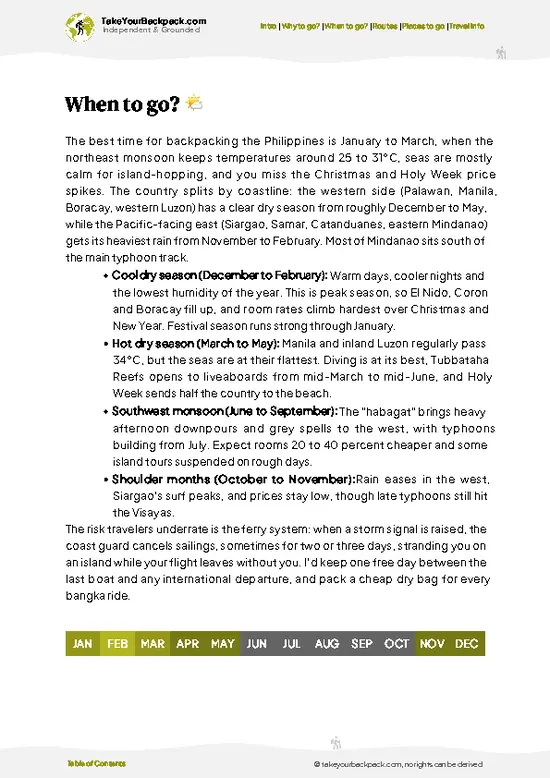
  • Topic: Weather – Surigao City’s dry season runs from November to May, offering mostly sunny skies and minimal rain. The wet season, June to October, brings heavy tropical showers and typhoons, which can disrupt plans and trail conditions.

  • Topic: Temperature – Expect a warm tropical climate year-round, averaging 27–32°C (81–90°F). The dry months feel more comfortable with less humidity, while the wet season can feel sticky and oppressive.

  • Topic: Daylight Hours – Daylight is fairly consistent, about 11.5 to 12.5 hours daily, so timing won’t affect how much you can explore each day.

  • Topic: Crowds – Peak tourist flow coincides with the dry season, especially around holidays like Christmas and Holy Week, which can hike prices and fill accommodations.

  • Topic: Seasonal Activities – The
read more 👉

  • Topic: Weather – Surigao City’s dry season runs from November to May, offering mostly sunny skies and minimal rain. The wet season, June to October, brings heavy tropical showers and typhoons, which can disrupt plans and trail conditions.

  • Topic: Temperature – Expect a warm tropical climate year-round, averaging 27–32°C (81–90°F). The dry months feel more comfortable with less humidity, while the wet season can feel sticky and oppressive.

  • Topic: Daylight Hours – Daylight is fairly consistent, about 11.5 to 12.5 hours daily, so timing won’t affect how much you can explore each day.

  • Topic: Crowds – Peak tourist flow coincides with the dry season, especially around holidays like Christmas and Holy Week, which can hike prices and fill accommodations.

  • Topic: Seasonal Activities – The dry season is prime for island hopping, diving, and beach time. The wet season limits water activities but can be great for budget travelers who don’t mind occasional rain.

  • Topic: Price Fluctuations – Expect higher prices and limited availability during dry season peaks. The wet season offers bargains but comes with the risk of weather delays.


Pro-tip: Aim for the shoulder months of November or May—weather is still favorable, crowds thin, and prices soften, giving you the best bang for your buck without sacrificing comfort.


source: climatestotravel.comJANJanuary: excellent for travelingFEBFebruary: excellent for travelingMARMarch: excellent for travelingAPRApril: excellent for travelingMAYMay: highly recommended for travelingJUNJune: fair for travelingJULJuly: fair for travelingAUGAugust: fair for travelingSEPSeptember: fair for travelingOCTOctober: fair for travelingNOVNovember: highly recommended for travelingDECDecember: excellent for traveling
when-to-go

✈️ The backpacker research shortcutPhilippines Travel Guide

An offline-friendly backpacking guide with optimized travel routes, ranked highlights, transport advice, and the best areas to stay.
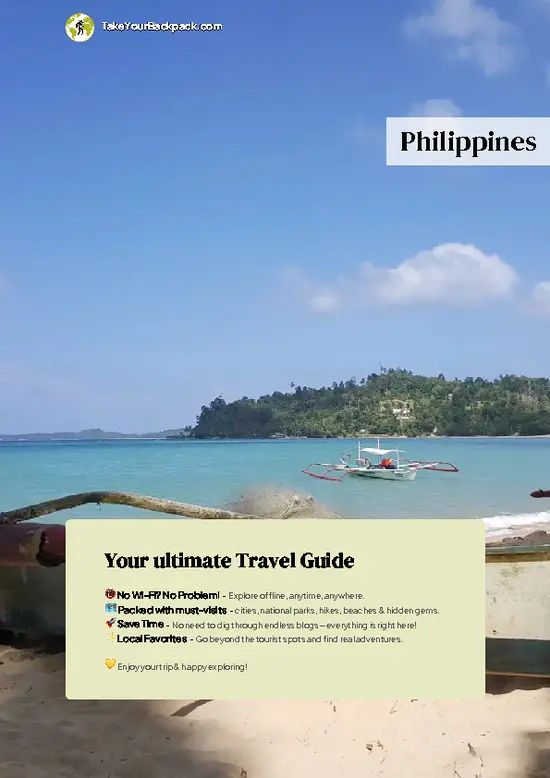
example page 0 from our offline Travel Guide for Philippines
example page 1 from our offline Travel Guide for Philippines
example page 2 from our offline Travel Guide for Philippines
example page 3 from our offline Travel Guide for Philippines
example page 4 from our offline Travel Guide for Philippines
example page 5 from our offline Travel Guide for Philippines
example page 6 from our offline Travel Guide for Philippines
example page 7 from our offline Travel Guide for Philippines
The digital guide (505 pages) contains:
144 highlights, ranked by travel appeal
Optimized 7, 14 & 21-day travel routes
Cities, national parks, landmarks, beaches
How to get around
Offline-friendly for travel without Wi-Fi
👉 Click to see all 30+ guide features

📅 Plan smarter in minutes, not weeks
Month by month travel advice
Festivals & national holidays
Budget expectations

🗺️ Go to the right places, skip the overrated ones
Honest pros & cons of destinations
Top hikes, parks & viewpoints
Lesser-known places most travelers miss
Clear “worth it vs skip it” guidance

🛏️ Travel smoothly without rookie mistakes
Best areas to stay
Transport systems explained simply
Common scams & safety advice
SIM cards, money & practical tips

🌍 Understand the country, not just visit it
Culture & traditions
52 Essential phrases & customs
Festivals worth planning around
Traveler-friendly historical context
Insights that make places more meaningful

📱 Built for real travel conditions
Fully downloadable PDF
Works completely offline
Optimized for phone use
Useful in remote areas & buses
Everything in one place
Save weeks of stressful planning
Get instant access to your full guide. 30‑day money-back guarantee.


By proceeding you agree to our terms.
Sent to your inbox immediately after payment • 100% Secure Checkout
Best Backpacking Travel Advisor 2025 tourism awardBest Backpacking
Travel Advisor
2025
What others say about Take Your Backpack Guides:
⭐⭐⭐⭐⭐
Fantastic, amazing amount of information!
⭐⭐⭐⭐⭐
My goodness this is amazing, it's what I've been looking for hats off too you!
⭐⭐⭐⭐⭐
I think this is absolutely BRILLIANT
⭐⭐⭐⭐
Very complete and informative. It's still missing places, but I gotta to commend you
⭐⭐⭐⭐⭐
This is truly amazing, thank you, can't wait to explore it with my kids!
⭐⭐⭐⭐⭐
Awesome resource, thank you!
⭐⭐⭐⭐⭐
This is amazing! Can't wait to explore the ones I haven't seen
⭐⭐⭐⭐
I love this! Well done, great idea.
⭐⭐⭐⭐⭐
Thanks for taking the time to make this gem!
⭐⭐⭐⭐⭐
This might be the best website I've ever seen.
⭐⭐⭐⭐⭐
Congratulations, and thank you so much for your work; it's incredibly valuable.
⭐⭐⭐⭐
In all seriousness I think you did a great job pointing out the important spots
⭐⭐⭐⭐⭐
10/10 very good
⭐⭐⭐⭐⭐
As someone who's only just starting to visit regularly this is awesome, thank you.
⭐⭐⭐⭐
Thank you very much! I'm going to visit my dad, it's going to be very useful!
⭐⭐⭐⭐⭐
This is really cool! We'll be travelling for the first time and this definitely come in handy.
⭐⭐⭐⭐⭐
You are now our minister of culture, congratulations 👨‍💼
⭐⭐⭐⭐⭐
Just wanted to tell you that this is a pearl! Going to follow your recommendations.
⭐⭐⭐⭐⭐
This is so cool. I'll definitely be using the resource for my travels soon.
⭐⭐⭐⭐⭐
This is very impressive! Good work.
⭐⭐⭐⭐⭐
This is an amazing and informative site. Very well done!

🛏️ Where to stay?How to pick the right area

In Surigao City, the sweet spot for backpackers is the downtown area near the port and the main market. This neighborhood nails the balance between safety and social buzz. It’s where budget travelers naturally converge, drawn by affordable guesthouses and hostels that foster easy connections with fellow adventurers. The vibe here is lively but not overwhelming—think local eateries, street vendors, and a steady flow of people without the chaos of heavy traffic or tourist traps. Compared to the quieter, more residential outskirts, downtown offers a clear trade-off: you sacrifice a bit of peace for … read more 👉
In Surigao City, the sweet spot for backpackers is the downtown area near the port and the main market. This neighborhood nails the balance between safety and social buzz. It’s where budget travelers naturally converge, drawn by affordable guesthouses and hostels that foster easy connections with fellow adventurers. The vibe here is lively but not overwhelming—think local eateries, street vendors, and a steady flow of people without the chaos of heavy traffic or tourist traps. Compared to the quieter, more residential outskirts, downtown offers a clear trade-off: you sacrifice a bit of peace for convenience and community. For solo travelers, this means more chances to swap stories and plan day trips without breaking the bank or feeling isolated.

🚌 Getting aroundMoving around without the hassle

Surigao City moves at its own rhythm—a blend of laid-back island time and the pulse of a working port town. It’s not about rigid timetables here; instead, you’ll find a dance between the predictable and the spontaneous. The city’s flow leans on local intuition, where schedules flex and the real clock is the sun and the tide. Understanding this flow is your first win: you’re not just getting from A to B, you’re syncing with the city’s heartbeat, choosing when to push for speed, when to save cash, and when to savor comfort.


  • Walking: The ultimate budget option. Surigao’s compact downtown means you can cover most key spots on foot in under 30 minutes. Zero cost, full control, and a chance to soak in the street life—though tropical heat can sap your energy midday.

  • Tricycles: The city’s unofficial
read more 👉
Surigao City moves at its own rhythm—a blend of laid-back island time and the pulse of a working port town. It’s not about rigid timetables here; instead, you’ll find a dance between the predictable and the spontaneous. The city’s flow leans on local intuition, where schedules flex and the real clock is the sun and the tide. Understanding this flow is your first win: you’re not just getting from A to B, you’re syncing with the city’s heartbeat, choosing when to push for speed, when to save cash, and when to savor comfort.


  • Walking: The ultimate budget option. Surigao’s compact downtown means you can cover most key spots on foot in under 30 minutes. Zero cost, full control, and a chance to soak in the street life—though tropical heat can sap your energy midday.

  • Tricycles: The city’s unofficial taxi. Fares start around 10 PHP for short hops, with flexible routes and near-constant availability. They’re slow in traffic but unbeatable for door-to-door convenience and a taste of local color.

  • Jeepneys: The backbone of budget transit. Runs from early morning until early evening, fares hover around 8-12 PHP. They’re cheap and frequent but expect crowding and stops on demand, so factor in extra time if you’re on a schedule.

  • Motorcycle Taxis (Habal-Habal): For when time is tight and roads get rough. Prices vary but generally double tricycle fares. They’re fast and nimble but less comfortable and riskier, ideal for solo travelers who prioritize speed over ease.

  • Ferries to Nearby Islands: Not city transit per se, but essential for exploring beyond Surigao. Schedules can be irregular, prices vary by destination, and comfort ranges from basic benches to air-conditioned cabins. Plan ahead if you want to avoid waiting hours dockside.

👛 Costs (as of 25 June 2026)Typical daily expenses

Backpacking in Surigao City, Philippines, offers a straightforward cost structure that rewards those who understand the trade-offs between time, money, and comfort. Here’s the breakdown of what you’re likely to spend daily as an independent traveler:
  • Dorm Accommodation (High Season): Expect to pay around $10 to $15 per night. High season pushes prices up slightly due to demand, but dorms remain basic—think fan rooms with shared bathrooms.
  • Dorm Accommodation (Off-Season): Prices drop to about $6 to $10 per night. Off-season means quieter hostels and a better chance to negotiate rates or snag a spot with air conditioning for a small premium.
  • Meals: Local eateries serve filling meals for $2 to $4 each. Street food and small carinderias (local canteens) keep costs low, but if you opt for occasional
read more 👉
Backpacking in Surigao City, Philippines, offers a straightforward cost structure that rewards those who understand the trade-offs between time, money, and comfort. Here’s the breakdown of what you’re likely to spend daily as an independent traveler:
  • Dorm Accommodation (High Season): Expect to pay around $10 to $15 per night. High season pushes prices up slightly due to demand, but dorms remain basic—think fan rooms with shared bathrooms.
  • Dorm Accommodation (Off-Season): Prices drop to about $6 to $10 per night. Off-season means quieter hostels and a better chance to negotiate rates or snag a spot with air conditioning for a small premium.
  • Meals: Local eateries serve filling meals for $2 to $4 each. Street food and small carinderias (local canteens) keep costs low, but if you opt for occasional Western-style cafes, expect to pay closer to $5 to $7 per meal.
  • Local Transport: Jeepneys and tricycles dominate, with fares typically between $0.20 and $0.50 per ride. Short hops around town are cheap but can add up if you’re hopping frequently.
  • City Transport Pass: Surigao City doesn’t have a formal city transport pass system. Budget around $1 to $2 daily if you plan multiple rides, or just pay per trip to keep it flexible.
  • Basic Activities/Entry Fees: Most local attractions, like beaches or small parks, charge minimal or no entry fees—usually under $2. Guided tours or island hopping can run $15 to $30, but these are optional splurges.
  • Miscellaneous Expenses: This includes bottled water, snacks, occasional laundry, and small personal items. Set aside about $2 to $5 daily to cover these.

Altogether, you’re looking at a daily budget roughly between $15 and $35. The lower end means embracing simplicity—dorm beds, local food, and walking or cheap rides. The higher end buys a bit more comfort or occasional tours. Surigao City’s charm is in its straightforward, no-frills approach, so your biggest trade-off is between spending a bit more for convenience or saving by leaning into local rhythms.
⚠️ Prices can change and everyone travels differently, so take this as a rough guide. Hope it helps you plan your adventure!

🚌 Day tripsEasy escapes and nearby places

Surigao City is a strategic launchpad for unforgettable day trips, offering a blend of adventure and culture without breaking the bank.

Bucas Grande Islands
Just a short boat ride away, Bucas Grande is a paradise for those who love lagoons and marine life. Spend the day exploring the enchanting Sohoton Cove, where you can swim in crystal-clear waters and kayak through mangroves. The trip typically takes about 30 minutes by boat, costing around PHP 1,500 for a round trip and entrance fees. The best time to visit is during the dry season from November to April. A common mistake? Underestimating the time needed to explore; plan to leave early to soak it all in.


Siargao Island
While Siargao is famous for surfing, it also offers stunning beaches and laid-back vibes. A day trip from Surigao … read more 👉
Surigao City is a strategic launchpad for unforgettable day trips, offering a blend of adventure and culture without breaking the bank.

Bucas Grande Islands
Just a short boat ride away, Bucas Grande is a paradise for those who love lagoons and marine life. Spend the day exploring the enchanting Sohoton Cove, where you can swim in crystal-clear waters and kayak through mangroves. The trip typically takes about 30 minutes by boat, costing around PHP 1,500 for a round trip and entrance fees. The best time to visit is during the dry season from November to April. A common mistake? Underestimating the time needed to explore; plan to leave early to soak it all in.


Siargao Island
While Siargao is famous for surfing, it also offers stunning beaches and laid-back vibes. A day trip from Surigao takes about 2 hours by ferry, costing around PHP 1,000. Spend your time lounging at Cloud 9 or exploring the rock pools at Magpupungko. The dry season is ideal, but be cautious of ferry schedules; they can be unpredictable. Many first-timers miss out on the local eateries, so don’t skip the chance to try fresh seafood.
👉 Explore Siargao Island

Samar Island Natural Park
For a taste of the wild, head to Samar Island Natural Park. It’s about a 2.5-hour drive, with transportation costs around PHP 500. The park offers hiking trails and breathtaking views of waterfalls and caves. Best visited during the cooler months, it’s a haven for nature lovers. A common oversight is not bringing enough water; the trails can be more challenging than they appear.
👉 Explore Samar Island Natural Park
Want to know what more Philippines offers?
The Philippines Travel Guide describes 144 highlights, from cities to national parks, from beaches to hikes

Get the Travel Guide -

🍲 FoodLocal Cuisine & Drinks

In Surigao City, **local cuisine** is a vibrant tapestry of flavors. Dive into **kinilaw**, a fresh ceviche made with local fish, marinated in vinegar and citrus. Pair it with **sinigang**, a tangy soup that warms the soul. Street food stalls buzz with energy, offering **fish balls** and **kwek-kwek** (quail eggs in orange batter) that are perfect for snacking while wandering.

As the sun sets, the **drinking culture** comes alive. Grab a cold **Red Horse** beer from a local vendor and join the lively crowd at open-air bars. Don’t skip the **tuba**, a local coconut wine, for a true taste of the region.

Remember, sharing food is a way to connect here, so don’t hesitate to join in on communal meals. Embrace the **casual vibe** and let the flavors guide your adventure.

🛡️ SafetyStaying Safe: What Travelers Should Know

Surigao City is generally safe, but a few areas require extra awareness, especially around the port and bus terminals where crowds gather. If you’re solo, stick to well-lit streets at night and avoid wandering too far from your accommodation.

Common scams are rare, but be cautious of overly friendly locals offering unsolicited help, especially with transportation. Always agree on fares upfront to avoid surprises. Everyday annoyances include occasional power outages, so keep a flashlight handy. Carry yourself confidently, and trust your instincts; this will help you navigate the city smoothly.

Other Filipino cities near Surigao City

Explore more nearby:

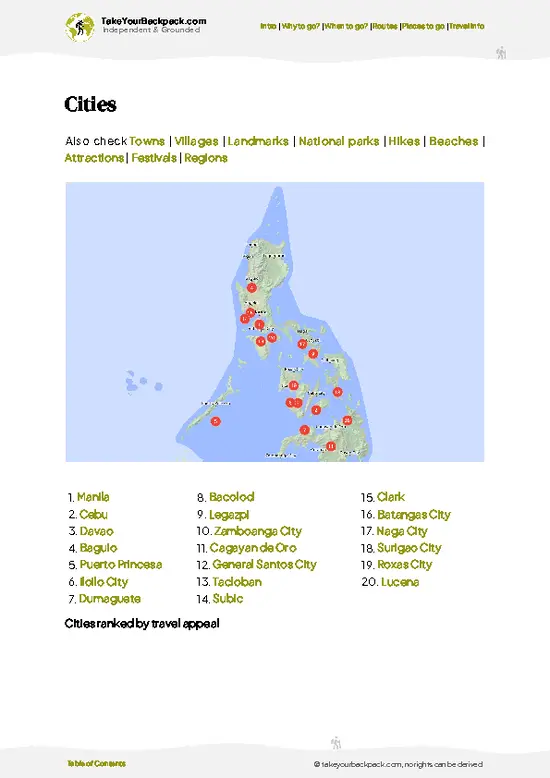
  • Siargao—surf breaks, island lagoons, coconut groves| 61 km away
  • Maasin—hilltop cathedral, river delta, rural markets| 86 km away
  • Butuan—archaeological sites, Agusan River, city museum| 89 km away

💡 Not sure where to go next?
Create a personalized itinerary for Philippines including Surigao City and the places that fit your trip.

Generate my itinerary

👉 Discover all cities

Or checkout all Philippines has to offer (think cities, towns, villages, national parks, hikes, beaches, festivals)
Country photo of Philippines

We 💚 feedbackParting advice and final tips

Surigao City is a gateway to stunning islands and rich culture. You’ll find vibrant local markets and friendly faces that make you feel at home. Just know that transportation can be a hassle; getting around might take longer than you’d like. Embrace the journey, and it’ll be worth every minute.

✈️ When did I visit Philippines?
Philippines being one of my favorites, due to the people and their mentality. I visited it first in 2010 and came back in January 2016 as part of my 1.5 year world trip.

✍️ Help improve this page!
The information on this page is based on my own backpacking experience in Philippines, supplemented with up-to-date research and feedback from other travelers. Travel details can change, so if you notice anything outdated or incomplete, feel free to let me know.


🙋‍♂️ Give feedback

👋 Meet the founderWho’s Behind Take Your Backpack?

Johan, backpacker and founder of TakeYourBackpackHi, I’m Johan (Netherlands 🇳🇱), the creator of TakeYourBackpack. Over the past decade, I’ve backpacked through 80+ countries across six continents, gaining extensive experience with independent travel, long-term trips, and overland routes.

This site is built on a combination of firsthand travel experience and carefully curated insights from other backpackers. Many guides are based on places I’ve personally visited, while others bring together tips, observations, and practical advice shared by trusted travelers I’ve met along the way.

The goal is to provide realistic, experience-driven guidance — not generic itineraries — so you can explore destinations with better context, clearer expectations, and more confidence.

Get full country guide •
Instant download • 144 highlights • Full Offline guide