×

Philippines🇵🇭 | best citiesYour Guide to the 10 Best cities in Philippines

In the Philippines, cities pulse with a unique blend of cultural richness and local vibe that shapes every traveler’s experience. Major hubs like Manila and Cebu offer vibrant nightlife and extensive transport connections, making them ideal for those seeking convenience and excitement. However, smaller urban centers such as Dumaguete or Vigan provide a more intimate glimpse into Filipino life, often at a lower cost and with a slower pace.

Timing is crucial; the dry season from November to April sees bustling activity, while the rainy months can dampen plans and affect safety. Choosing the right city impacts your budget, ease of travel, and level of cultural immersion. For backpackers and independent travelers, understanding these nuances is key to crafting a memorable journey through this archipelago. Each city tells its own story, and your choice will define the chapters of your adventure.

By Johan Kruseman 🇳🇱 | Updated September 4, 2026
Explore the best towns in Philippines

Why go?Why These city Stand Out

The cities of the Philippines are a vibrant mosaic of cultural diversity and historical depth, shaped by centuries of trade, colonization, and migration. Unlike many countries, the Philippines boasts over 7,000 islands, each contributing unique regional identities that influence urban life. This geographical layout means that cities often serve as cultural hubs, where local traditions blend with global influences, creating a rich tapestry of experiences.

However, this diversity comes with trade-offs. Travelers face choices between time and depth of exploration. While major cities like Manila and Cebu are well-connected, venturing into less accessible regions can reveal authentic experiences that are often overlooked. The challenge lies in balancing transport networks with the desire for immersive … read more 👉
The cities of the Philippines are a vibrant mosaic of cultural diversity and historical depth, shaped by centuries of trade, colonization, and migration. Unlike many countries, the Philippines boasts over 7,000 islands, each contributing unique regional identities that influence urban life. This geographical layout means that cities often serve as cultural hubs, where local traditions blend with global influences, creating a rich tapestry of experiences.

However, this diversity comes with trade-offs. Travelers face choices between time and depth of exploration. While major cities like Manila and Cebu are well-connected, venturing into less accessible regions can reveal authentic experiences that are often overlooked. The challenge lies in balancing transport networks with the desire for immersive encounters. A quick flight may save time, but it can also strip away the chance to engage with local cultures along the way.

The climatic conditions also play a role in shaping urban experiences. The Philippines has a tropical climate, leading to distinct wet and dry seasons that affect travel plans. Understanding these patterns is crucial for maximizing comfort and enjoyment. For instance, visiting during the dry season can enhance outdoor activities, while the wet season may offer fewer crowds but increased humidity.

Infrastructural factors further complicate the landscape. While urban centers have developed modern amenities, many rural areas still rely on traditional modes of transport. This disparity can impact accessibility, making it essential for travelers to weigh the convenience of urban settings against the allure of more remote destinations.

Ultimately, the cities of the Philippines offer a unique blend of historical richness and cultural vibrancy, but navigating these urban experiences requires conscious choices about time, money, and comfort. Understanding these trade-offs will lead to a more rewarding journey through this archipelago.
Behind the Scenes of Selection
The list of best cities in Philippines is created based on culture, vibe, attractions, transport ease, and local charm. If you feel a city is missing in this list, please let us know.

When to go?Timing Your Visit for the Best Experience

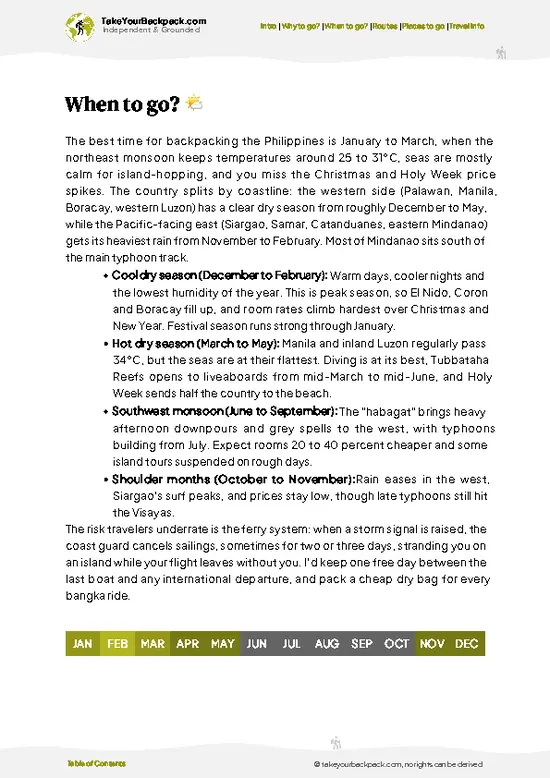
Seasonality in the Philippines significantly shapes the experience of visiting its cities. The country has a tropical climate, which means it generally has three main seasons: dry, wet, and cool. Understanding these patterns is crucial for making informed travel choices.

Dry Season, typically from November to April, is the most popular time to visit. Expect warm temperatures and lower humidity, making it ideal for exploring urban areas. However, this is also when crowds peak. Prices for accommodations and activities can soar. If the goal is to immerse in local culture, visiting during this time might mean missing out on quieter, more authentic experiences.

Shoulder Seasons occur just before and after the dry season, around October and May. These months offer a sweet spot. Crowds thin out, … read more 👉
Seasonality in the Philippines significantly shapes the experience of visiting its cities. The country has a tropical climate, which means it generally has three main seasons: dry, wet, and cool. Understanding these patterns is crucial for making informed travel choices.

Dry Season, typically from November to April, is the most popular time to visit. Expect warm temperatures and lower humidity, making it ideal for exploring urban areas. However, this is also when crowds peak. Prices for accommodations and activities can soar. If the goal is to immerse in local culture, visiting during this time might mean missing out on quieter, more authentic experiences.

Shoulder Seasons occur just before and after the dry season, around October and May. These months offer a sweet spot. Crowds thin out, and prices drop, but the weather can be unpredictable. Rain may still linger, especially in October. However, the trade-off is worth it for those seeking a more relaxed atmosphere while still enjoying decent weather.

Wet Season runs from June to September. This period brings heavy rainfall and high humidity. While it may deter some travelers, it also means fewer tourists and lower costs. Cultural events often take place during this time, providing a unique glimpse into local life. However, navigating cities can be challenging due to weather conditions.

Peak Periods around major holidays or festivals can lead to overwhelming crowds. While these events showcase vibrant local culture, they can also complicate travel plans. Balancing the desire to experience these celebrations with the reality of crowded streets and inflated prices is essential.

In summary, the best time to visit the cities of the Philippines hinges on personal priorities. Weighing the trade-offs between comfort, cost, and cultural experiences will lead to a more fulfilling journey.

city hoppingHow to Combine cities Into One Trip

Transport Networks
The Philippines is an archipelago, so understanding transport networks is crucial. Domestic flights are the quickest way to hop between major cities like Manila, Cebu, and Davao. Ferries connect many islands, but they can be slower and less reliable. Consider using a mix of both to maximize your time.

Regional Clustering
Group cities by region to minimize travel time. For instance, explore Luzon first—Manila, Baguio, and Vigan—before heading to the Visayas for Cebu and Iloilo. This clustering reduces backtracking and allows for a more fluid journey.

Optimal Sequencing
Start in Manila, where international flights land. From there, fly to Cebu, then to Davao. This sequence keeps you moving south, making the most of your time. Each leg should ideally take no more than … read more 👉
Transport Networks
The Philippines is an archipelago, so understanding transport networks is crucial. Domestic flights are the quickest way to hop between major cities like Manila, Cebu, and Davao. Ferries connect many islands, but they can be slower and less reliable. Consider using a mix of both to maximize your time.

Regional Clustering
Group cities by region to minimize travel time. For instance, explore Luzon first—Manila, Baguio, and Vigan—before heading to the Visayas for Cebu and Iloilo. This clustering reduces backtracking and allows for a more fluid journey.

Optimal Sequencing
Start in Manila, where international flights land. From there, fly to Cebu, then to Davao. This sequence keeps you moving south, making the most of your time. Each leg should ideally take no more than 1-2 hours by plane, allowing for quick transitions.

Time Needed per Stop
Allocate at least two full days for each major city. This gives you time to explore without feeling rushed. If you’re visiting smaller towns, one day may suffice, but be prepared for longer travel times.

Common Planning Mistakes
Many travelers underestimate travel times and overestimate what they can see in a day. Avoid cramming too many stops into a short period. It’s better to experience fewer places deeply than to skim the surface of many.

Trade-Offs and Constraints
Speed often sacrifices depth. If budget allows, opt for flights over buses to save time. However, buses can offer a more authentic experience. Flexibility is key; be ready to adjust plans based on local conditions. Prioritize what matters most to you—whether it’s comfort, budget, or the thrill of adventure.

The ListHighly Recommended cities of Philippines

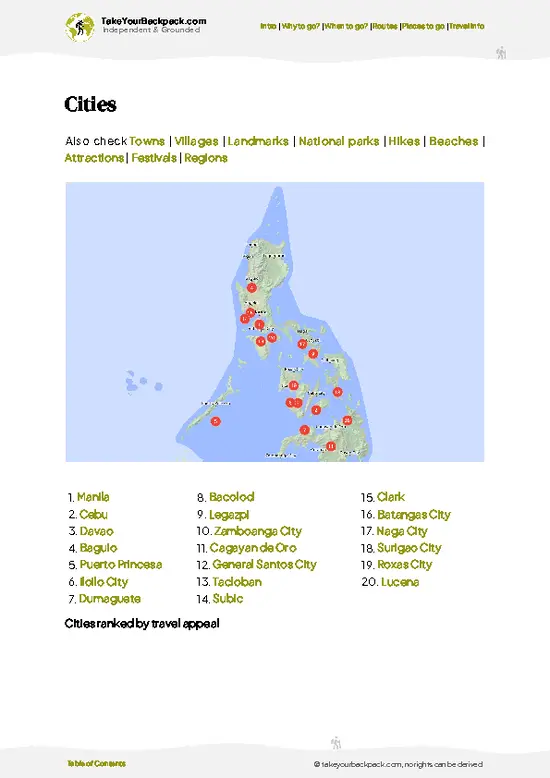
1 Manila

Intramuros walls, jeepney routes, colonial churches, street markets

Navigate layered neighborhoods where Spanish-era landmarks, dense traffic, and lively street life reveal the city’s complex urban character.

2 Cebu

heritage sites, urban markets, island hopping

Balance city energy with easy escapes to nearby islands, sample diverse street food, and explore centuries-old landmarks.

3 Davao

urban parks, durian stalls, mountain skyline

Relax in green spaces, try the city’s signature fruit, and look up to forested peaks from busy downtown streets.

4 Baguio

pine forests, hillside markets, cool climate

Experience crisp mountain air as you wander through bustling markets, sample local produce, and find quiet moments among pine-shaded parks.

5 Puerto Princesa

underground river, mangrove tours, bayfront

Venture into limestone caverns, paddle through mangrove forests, and end your day with fresh seafood along the city’s breezy waterfront.

6 Siargao

surf breaks, island lagoons, coconut groves

Ride out to remote beaches, watch surfers tackle Cloud 9, and drift between palm-lined roads and tranquil tidal pools.

7 Iloilo City

river esplanade, Spanish churches, seafood markets

Stroll riverside promenades, admire centuries-old architecture, and enjoy a steady flow of fresh seafood from coastal villages.

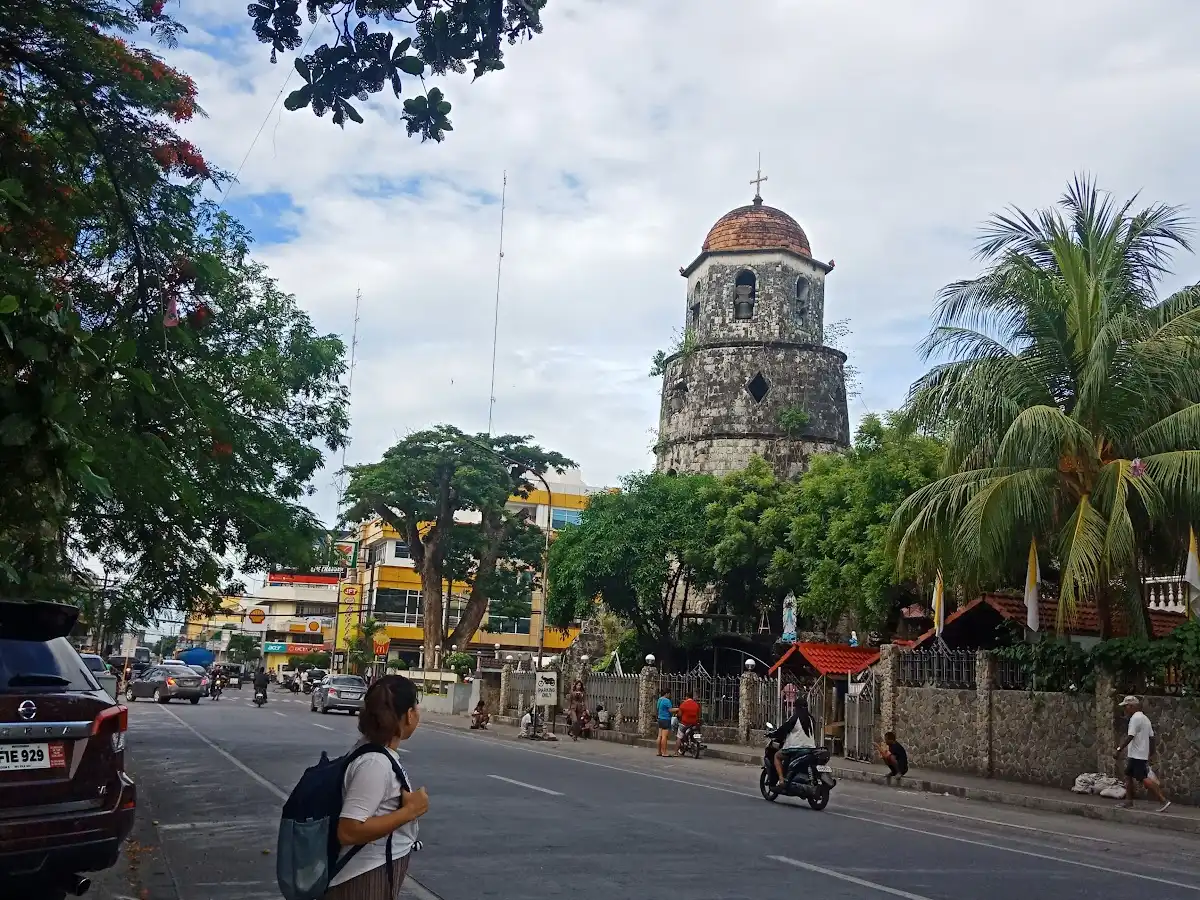
8 Dumaguete

university town, seaside boulevard, dive access

Meet students in lively cafés, stroll a palm-lined promenade, and arrange trips to world-class dive sites just offshore.

philippines-city-dumaguete
© Google |

9 Bacolod

sugar plantations, heritage mansions, food stalls

Sample sweet treats at local markets, tour colonial-era homes, and discover a city shaped by its agricultural roots.

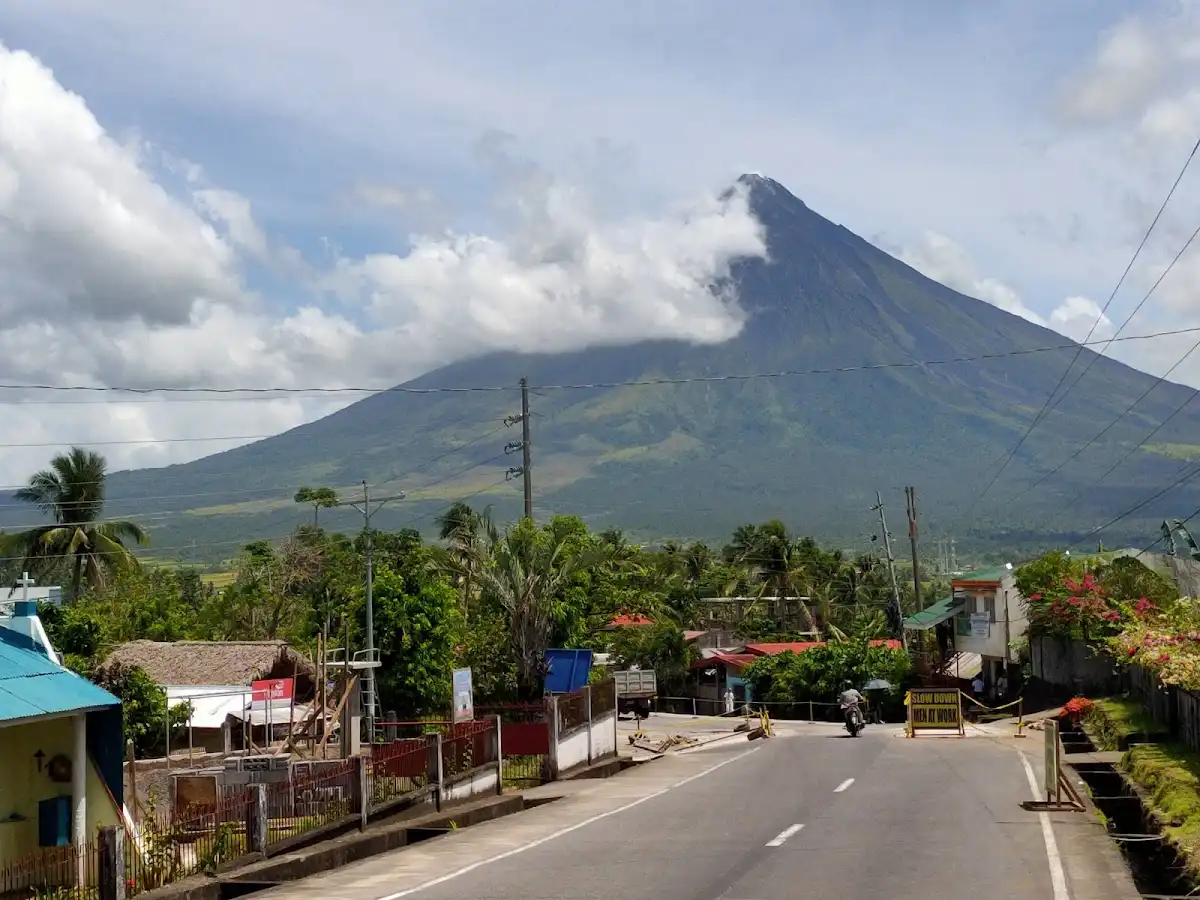
10 Legazpi

Mayon Volcano, black sand coast, chili markets

Wake to views of a near-perfect volcano, taste fiery local dishes, and walk volcanic beaches shaped by centuries of eruptions.

philippines-city-legazpi
© Google |

11 Zamboanga City

vinta boats, pink sand beach, Muslim quarter

Watch colorful boats glide past, explore a blend of cultures in lively districts, and visit unique beaches with rare rose-hued sand.

12 Cagayan de Oro

whitewater river, adventure parks, city plazas

Paddle rapids on the Cagayan River, unwind in leafy plazas, and use the city as a springboard for outdoor activities.

13 General Santos City

tuna port, mountain views, public markets

Watch tuna auctions at sunrise, browse lively markets, and look out over distant peaks from the city’s busy streets.

14 Tacloban

San Juanico Bridge, WWII sites, city baywalk

Walk the country’s longest bridge, visit memorials from wartime history, and unwind along a breezy coastal promenade.

15 Subic

freeport zone, shipwreck dives, duty-free shops

Dive among sunken relics, shop for imported goods, and explore a bayside area shaped by its naval past.

16 Clark

former air base, duty-free shops, wide highways

Discover a city marked by American-era infrastructure, easy airport access, and a landscape dominated by commercial zones and open spaces.

17 Batangas City

ferry port, ancestral houses, dive shops

Catch boats to island coves, explore heritage neighborhoods, and gear up for underwater trips to nearby reefs and wrecks.

18 Naga City

pilgrimage site, river park, spicy cuisine

Visit a major religious center, walk landscaped riverbanks, and try dishes known for their bold, peppery flavors.

19 Surigao City

island ferries, pebble beaches, mining town

Hop between remote islands, stroll unique stone beaches, and see a city shaped by both industry and the surrounding sea.

20 Roxas City

seafood port, river boulevard, fishing boats

Dine on fresh catch along the riverfront, watch boats unload at dawn, and explore a city closely tied to the sea.

21 Lucena

transport hub, coconut groves, city plaza

Navigate busy terminals, stroll shaded public squares, and find fresh produce from Quezon’s surrounding farms.

22 Sorsogon City

whale shark tours, hot springs, mangrove forests

Swim with gentle giants, soak in natural pools, and paddle through protected wetlands along the southern tip of Luzon.

23 Dipolog

sunset boulevard, sardine industry, orchid farms

Watch the sun set over the bay, visit local factories, and find rare orchids in markets and gardens around town.

24 Ozamiz

coastal fort, city wharf, mountain backdrop

Tour a centuries-old fortress, catch ferries to nearby islands, and enjoy views of distant peaks from the waterfront.

25 Ormoc

pineapple farms, lake shore, ferry terminal

Travel through fields of fruit, relax by a volcanic lake, and use the port as a gateway to Leyte’s quieter corners.

26 Mati

Dahican Beach, skimboarding, Mindanao sunrise

Wake early for ocean views, watch local board riders, and explore a laid-back town where the pace slows with the tide.

27 Tuguegarao

cave systems, pancit stalls, Cagayan River

Explore limestone caverns, sample regional noodle dishes, and travel upriver to see rural landscapes beyond the city.

28 Butuan

archaeological sites, Agusan River, city museum

Trace ancient river trade routes, visit excavation sites, and learn about Mindanao’s early history in local museums.

29 Catbalogan

harbor town, Samar gateway, seafood stalls

Arrive by boat to a compact city, sample local shellfish, and use Catbalogan as a base for exploring Samar’s wild interior.

30 Maasin

hilltop cathedral, river delta, rural markets

Climb to panoramic viewpoints, wander through riverside neighborhoods, and experience a city surrounded by Southern Leyte’s countryside.

31 Masbate City

rodeo festival, gold mining, island ferries

Attend a unique rodeo event, learn about the city’s mining past, and catch boats to outlying islands.

32 San Juan

surf town, beach resorts, laid-back bars

Catch waves on sandy breaks, relax in casual beachfront spots, and enjoy a mellow pace just north of Manila.

33 Catarman

provincial capital, river crossing, rice fields

Cross rivers by footbridge, explore small-town markets, and see daily life unfold in a largely agricultural region.

34 Kidapawan

Mt. Apo trailhead, fruit stands, rural gateway

Start hikes to the country’s highest peak, browse roadside fruit stalls, and use Kidapawan as a base for mountain adventures.

35 Marawi

lake city, Maranao culture, mosque domes

See traditional houses by the water, visit ornate mosques, and experience a city shaped by its lakeside setting.

36 Lake Sebu

T'boli culture, waterfalls, floating fish cages

Ride a canoe across misty waters, listen to traditional music, and visit weaving communities surrounded by forested hills.

Think you know Philippines?

Prove you’re a true local — uncover 26 lesser-known cities in Philippines that locals tend to keep to themselves.
Loading the map 🌍

Expert viewTips and Advice from Travelers

Expert Commentary


The Philippines is a sprawling archipelago, and the choices you make about which cities to visit can significantly impact your experience. You’re juggling time, money, and comfort, and each decision has its trade-offs. Let’s break this down.

City Count and Exploration Pace


Aim for three to five cities if you want to balance exploration with immersion. More than that, and you risk becoming a mere observer rather than a participant in local life. Each city has its own rhythm, and rushing through them can leave you feeling like you’ve skimmed the surface.

Consider the travel time between cities. Domestic flights are common, but they can eat up your day. Ferries and buses are cheaper but take longer. If you’re hopping from one city to another, factor in the time lost in … read more 👉

Expert Commentary


The Philippines is a sprawling archipelago, and the choices you make about which cities to visit can significantly impact your experience. You’re juggling time, money, and comfort, and each decision has its trade-offs. Let’s break this down.

City Count and Exploration Pace


Aim for three to five cities if you want to balance exploration with immersion. More than that, and you risk becoming a mere observer rather than a participant in local life. Each city has its own rhythm, and rushing through them can leave you feeling like you’ve skimmed the surface.

Consider the travel time between cities. Domestic flights are common, but they can eat up your day. Ferries and buses are cheaper but take longer. If you’re hopping from one city to another, factor in the time lost in transit. A day spent traveling could be a day spent soaking in the local culture, so choose wisely.

Budgeting for Experiences


Costs can vary widely depending on where you are. In major urban centers, you might find a range of accommodations, from budget hostels to luxury hotels. However, as you venture into less touristy areas, your options may dwindle, and prices can fluctuate.

Food is generally affordable, but the quality can vary. Street food is a fantastic way to experience local flavors, but be cautious about hygiene. If you’re willing to spend a bit more, dining at local restaurants can elevate your experience without breaking the bank.

Remember, the trade-off here is between comfort and authenticity. Eating at a high-end restaurant might be a treat, but it could also distance you from the true culinary culture.

Transport Hubs and Local Infrastructure


Manila is the primary transport hub, but it’s not the only one. Cebu and Davao also serve as gateways to other islands. Each hub has its own vibe and infrastructure. Manila can be chaotic, with heavy traffic and a sprawling layout that can be overwhelming. If you’re not careful, you could spend hours stuck in traffic, which eats into your exploration time.

In contrast, Cebu offers a more manageable urban experience, with easier access to nearby attractions. Davao is known for its cleanliness and safety, making it a great base for exploring the southern regions.

The trade-off here is between convenience and immersion. If you fly into Manila, you might save time on flights, but you could lose out on the local flavor that other hubs offer.

Urban Pacing and Local Culture


Each city has its own pace. Some are bustling and fast-paced, while others are laid-back and relaxed. Understanding this can help you plan your itinerary. If you thrive in a vibrant atmosphere, you might want to spend more time in the busier cities. If you prefer a slower pace, seek out those quieter locales.

Cultural considerations are crucial. The Philippines is rich in history and tradition, and each city reflects that in its own way. Engaging with locals can enhance your experience, but be mindful of cultural norms. Respect for local customs goes a long way, especially in more traditional areas.

The trade-off here is between the thrill of urban life and the serenity of rural experiences. If you’re drawn to the energy of a city, you may miss out on the tranquility of the countryside.

Safety and Practical Considerations


Safety is a valid concern, especially in urban areas. Petty crime can occur, so stay alert and keep your belongings secure. In some regions, travel advisories may suggest caution, particularly in less populated areas. Always check local guidelines and heed advice from locals.

The trade-off here is between adventure and caution. If you’re eager to explore off-the-beaten-path locations, you might encounter challenges that require a bit more vigilance. However, these experiences can also lead to some of the most rewarding moments of your trip.

Final Thoughts


Navigating the Philippines requires a balance of time, money, and comfort. By choosing three to five cities, budgeting wisely, and understanding local infrastructure, you can create a rich tapestry of experiences. Embrace the trade-offs, and you’ll find that each choice leads to a deeper connection with this vibrant archipelago. The key is to be intentional about your decisions, allowing you to savor the journey rather than just ticking off boxes on a list.

✈️ The backpacker research shortcutPhilippines Travel Guide

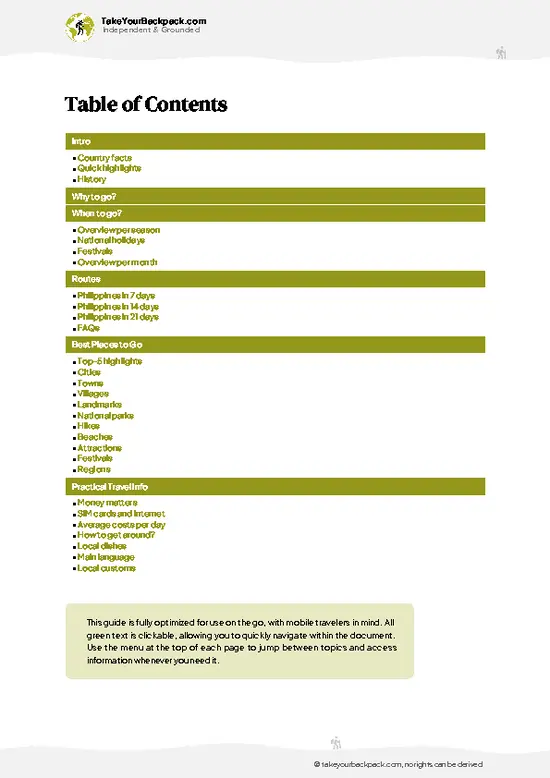
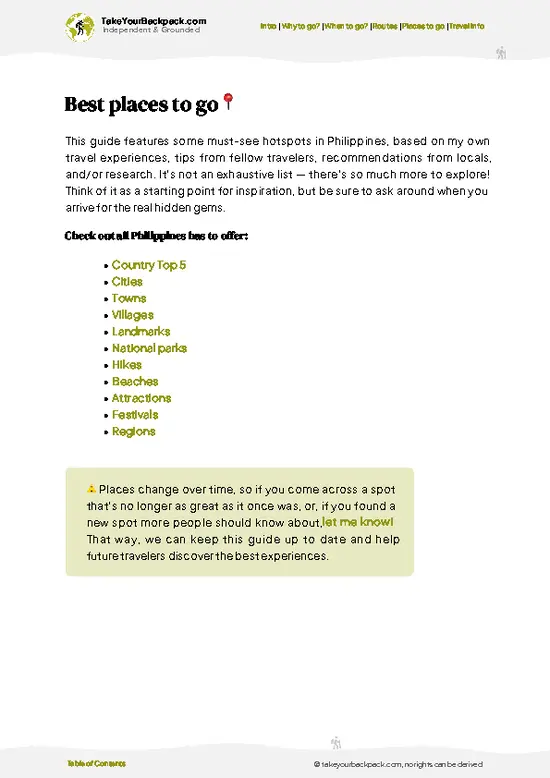
An offline-friendly backpacking guide with optimized travel routes, ranked highlights, transport advice, and the best areas to stay.
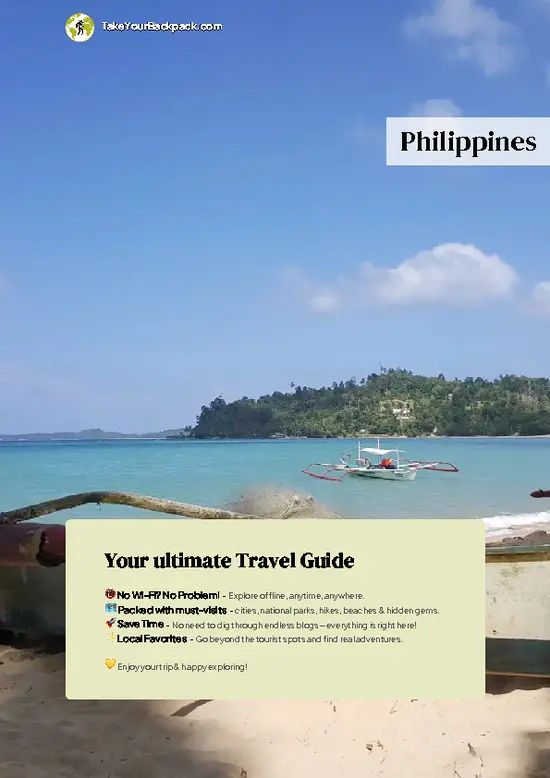
example page 0 from our offline Travel Guide for Philippines
example page 1 from our offline Travel Guide for Philippines
example page 2 from our offline Travel Guide for Philippines
example page 3 from our offline Travel Guide for Philippines
example page 4 from our offline Travel Guide for Philippines
example page 5 from our offline Travel Guide for Philippines
example page 6 from our offline Travel Guide for Philippines
example page 7 from our offline Travel Guide for Philippines
The digital guide (503 pages) contains:
144 highlights, ranked by travel appeal
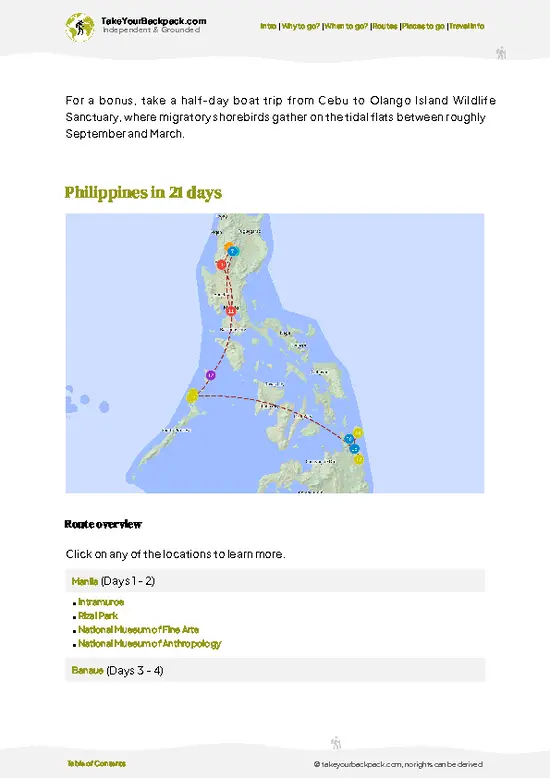
Optimized 7, 14 & 21-day travel routes
Cities, national parks, landmarks, beaches
How to get around
Offline-friendly for travel without Wi-Fi
👉 Click to see all 30+ guide features

📅 Plan smarter in minutes, not weeks
Month by month travel advice
Festivals & national holidays
Budget expectations

🗺️ Go to the right places, skip the overrated ones
Honest pros & cons of destinations
Top hikes, parks & viewpoints
Lesser-known places most travelers miss
Clear “worth it vs skip it” guidance

🛏️ Travel smoothly without rookie mistakes
Best areas to stay
Transport systems explained simply
Common scams & safety advice
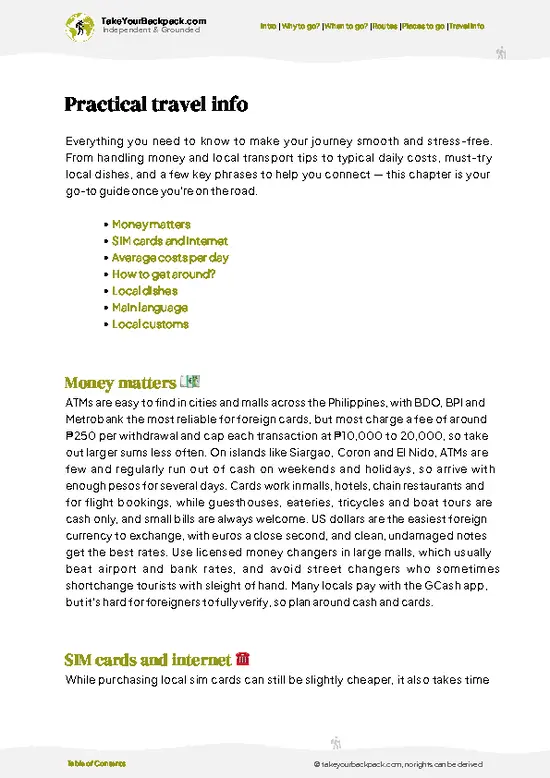
SIM cards, money & practical tips

🌍 Understand the country, not just visit it
Culture & traditions
52 Essential phrases & customs
Festivals worth planning around
Traveler-friendly historical context
Insights that make places more meaningful

📱 Built for real travel conditions
Fully downloadable PDF
Works completely offline
Optimized for phone use
Useful in remote areas & buses
Everything in one place
Save weeks of stressful planning
Get instant access to your full guide. 30‑day money-back guarantee.
+ Add another guide for just US$7.80

By proceeding you agree to our terms.
Sent to your inbox immediately after payment • 100% Secure Checkout
Best Backpacking Travel Advisor 2025 tourism awardBest Backpacking
Travel Advisor
2025
What others say about Take Your Backpack Guides:
⭐⭐⭐⭐⭐
Fantastic, amazing amount of information!
⭐⭐⭐⭐⭐
My goodness this is amazing, it's what I've been looking for hats off too you!
⭐⭐⭐⭐⭐
I think this is absolutely BRILLIANT
⭐⭐⭐⭐
Very complete and informative. It's still missing places, but I gotta to commend you
⭐⭐⭐⭐⭐
This is truly amazing, thank you, can't wait to explore it with my kids!
⭐⭐⭐⭐⭐
Awesome resource, thank you!
⭐⭐⭐⭐⭐
This is amazing! Can't wait to explore the ones I haven't seen
⭐⭐⭐⭐
I love this! Well done, great idea.
⭐⭐⭐⭐⭐
Thanks for taking the time to make this gem!
⭐⭐⭐⭐⭐
This might be the best website I've ever seen.
⭐⭐⭐⭐⭐
Congratulations, and thank you so much for your work; it's incredibly valuable.
⭐⭐⭐⭐
In all seriousness I think you did a great job pointing out the important spots
⭐⭐⭐⭐⭐
10/10 very good
⭐⭐⭐⭐⭐
As someone who's only just starting to visit regularly this is awesome, thank you.
⭐⭐⭐⭐
Thank you very much! I'm going to visit my dad, it's going to be very useful!
⭐⭐⭐⭐⭐
This is really cool! We'll be travelling for the first time and this definitely come in handy.
⭐⭐⭐⭐⭐
You are now our minister of culture, congratulations 👨‍💼
⭐⭐⭐⭐⭐
Just wanted to tell you that this is a pearl! Going to follow your recommendations.
⭐⭐⭐⭐⭐
This is so cool. I'll definitely be using the resource for my travels soon.
⭐⭐⭐⭐⭐
This is very impressive! Good work.
⭐⭐⭐⭐⭐
This is an amazing and informative site. Very well done!

🛏️ Where to stay?Accommodation Highlights

Yes — hostels and budget guesthouses are widespread across the Philippines, concentrated in Manila (Ermita/Malate) and Makati, Cebu (Fuente Osmeña/IT Park), Boracay (Station 2), El Nido, Coron, Siargao (General Luna) and Panglao/Tagbilaran in Bohol, which cover the main transport hubs and island gateways you’ll use.
Ermita/Malate offers cheap transport and nightlife but is noisy and touristy; Makati is safer with better transit and higher prices; Cebu city gives fast ferries and budget eats though parts feel busy at night; Boracay Station 2 is best for beaches and nightlife but crowded and pricier (Stations 1/3 are quieter); El Nido and Coron are ideal for island-hopping with social hostels … read more 👉
Yes — hostels and budget guesthouses are widespread across the Philippines, concentrated in Manila (Ermita/Malate) and Makati, Cebu (Fuente Osmeña/IT Park), Boracay (Station 2), El Nido, Coron, Siargao (General Luna) and Panglao/Tagbilaran in Bohol, which cover the main transport hubs and island gateways you’ll use.
Ermita/Malate offers cheap transport and nightlife but is noisy and touristy; Makati is safer with better transit and higher prices; Cebu city gives fast ferries and budget eats though parts feel busy at night; Boracay Station 2 is best for beaches and nightlife but crowded and pricier (Stations 1/3 are quieter); El Nido and Coron are ideal for island-hopping with social hostels but have limited late-night services and seasonal crowds; Siargao’s General Luna is the surf-and-party hub with laid-back safety but high-season congestion; Panglao/Tagbilaran suit budget divers and quieter nights while requiring more planning for inter-island travel.

If you enjoy meeting fellow travelers, consider choosing hostels with high ratings for atmosphere. On the other hand, if you prefer having your own space, a hotel might be a better option.

PhilippinesSee More of Philippines

👋 Meet the founderWho’s Behind Take Your Backpack?

Johan, backpacker and founder of TakeYourBackpackHi, I’m Johan (Netherlands 🇳🇱), the creator of TakeYourBackpack. Over the past decade, I’ve backpacked through 80+ countries across six continents, gaining extensive experience with independent travel, long-term trips, and overland routes.

This site is built on a combination of firsthand travel experience and carefully curated insights from other backpackers. Many guides are based on places I’ve personally visited, while others bring together tips, observations, and practical advice shared by trusted travelers I’ve met along the way.

The goal is to provide realistic, experience-driven guidance — not generic itineraries — so you can explore destinations with better context, clearer expectations, and more confidence.

Get full country guide •
Instant download • 144 highlights • Full Offline guide