v2.webp)
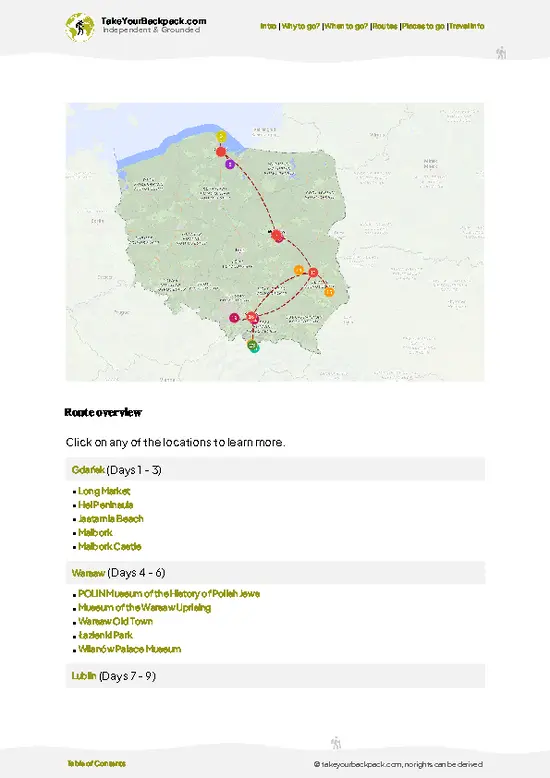
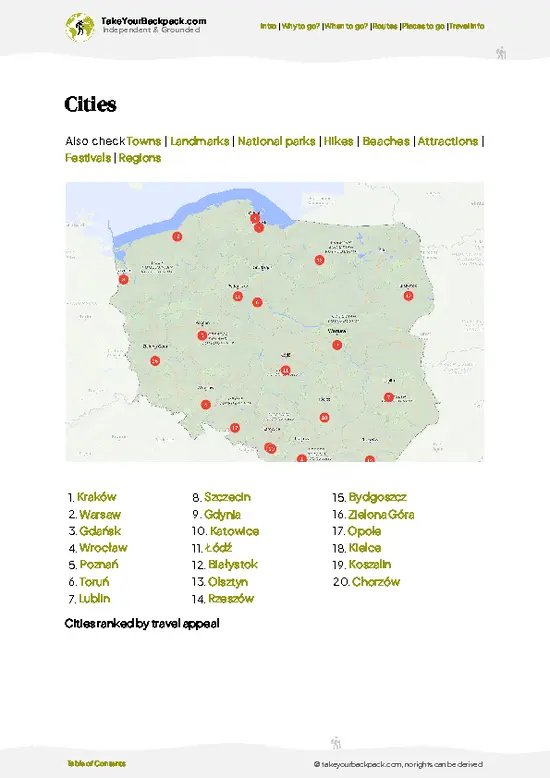
- Kopalnia Guido (Guido Coal Mine) — The crown jewel of Zabrze: an actual working shaft turned museum where you can ride an industrial lift, go deep on guided underground tours and get a visceral feel for Silesian mining life. Big on atmosphere and history.
- Sztolnia Królowa Luiza (Queen Louise Adit and Mining Heritage Park) — An open-air industrial complex with preserved shafts, winding towers and walkways. It’s a good counterpoint to Guido — more ruins-and-iron, less polished museum — and great for photos and short, tangible history lessons.
- Pałac Donnersmarcków (Donnersmarck Palace) — A 19th-century industrialist’s manor set in parkland. Even if you only stroll the grounds, the building and its history give a clear picture of the wealth and culture tied to Silesian heavy industry.
- Stadion
- Kopalnia Guido (Guido Coal Mine) — The crown jewel of Zabrze: an actual working shaft turned museum where you can ride an industrial lift, go deep on guided underground tours and get a visceral feel for Silesian mining life. Big on atmosphere and history.
- Sztolnia Królowa Luiza (Queen Louise Adit and Mining Heritage Park) — An open-air industrial complex with preserved shafts, winding towers and walkways. It’s a good counterpoint to Guido — more ruins-and-iron, less polished museum — and great for photos and short, tangible history lessons.
- Pałac Donnersmarcków (Donnersmarck Palace) — A 19th-century industrialist’s manor set in parkland. Even if you only stroll the grounds, the building and its history give a clear picture of the wealth and culture tied to Silesian heavy industry.
- Stadion Górnika Zabrze (Ernest Pohl Stadium) — For football fans this is a must: the home of Górnik Zabrze. Catching a match or visiting on a matchday is one of the best ways to meet locals and feel the city’s sporting heartbeat.
- Zabrze Rynek (Market Square) and Town Hall — The compact center where local life happens: cafés, bakeries, markets and historic façades. Good for a relaxed wander, grabbing coffee and watching everyday Silesian city life roll by.
- Muzeum Miejskie w Zabrzu (Zabrze City Museum) — Small, focused, and practical: the city museum gives context to what you see around town — mining, everyday life, and local crafts. A short visit pays off if you want the backstory.
- Teatr Nowy w Zabrzu (New Theatre) — One of the region’s lively local theaters. Check the program — even if you don’t go inside, the façade and neighborhood reflect Zabrze’s ongoing cultural life beyond its mining image.
- Historic Workers’ Housing Estates (miners’ colonies) — Walkable neighborhoods of old miners’ houses and estates showing how communities were built around the mines. They’re quiet, human-scale, and make the social history of the city tangible.
- Pałac w Zaborzu (Zaborze Palace and Park) — A smaller palace with parkland in the Zaborze district; less touristy, more local. Good for a relaxed walk, photography and seeing a different, green side of Zabrze.
- Local churches and parish architecture — Zabrze’s churches (impressive late-19th / early-20th-century parish buildings) are worth popping into — stained glass, altars and everyday religious life offer another layer to understanding the city’s communities.
Spotted a mistake or missing something? Contact us.


 Best Backpacking
.jpg) Hi, I’m Johan (Netherlands 🇳🇱), the creator of TakeYourBackpack. Over the past 3 decades, I’ve backpacked through 90+ countries across six continents, gaining extensive experience with independent travel, long-term trips, and overland routes.
Hi, I’m Johan (Netherlands 🇳🇱), the creator of TakeYourBackpack. Over the past 3 decades, I’ve backpacked through 90+ countries across six continents, gaining extensive experience with independent travel, long-term trips, and overland routes.