×

Portugal🇵🇹 | townsFarowalled old town, lagoon access, bone chapel | things to do and best time to go

Explore Castelo de VideExplore Obidos

Backpacking in Faro
🏆 Top picktown ranked #5
By Johan Kruseman 🇳🇱 | Updated September 4, 2026

Everyone flies into Faro for “the Algarve beaches,” but the punchline is most of those famous coves are an hour away. What actually matters here is that Faro is the calm, slightly scruffy control room of the south: transport hub, cheap bed, and a softer landing than the resort strips. It sits on Portugal’s southern coast, on the edge of the Ria Formosa lagoon, more about sea air and bird calls than beach clubs. For backpackers, Faro works best as a base and a connector: easy trains and buses to Lagos, Tavira, and Spain, plus boats into the lagoon’s sandbar islands. The old town is compact and walkable, evenings feel slow and amber-lit, and hostels are social without being chaotic. It’s cheaper and more practical than Lagos, less pretty than Tavira, safe enough if you use normal city sense, and ideal for regrouping between bigger hits.

Discover everything you want to know in the 📖 Portugal Travel Guide.


Get your Portugal guide
88 ranked highlights, routes & tips, works offline (369 pages)
Loading the map 🌍
CLICK TO FILTER
cities
towns
villages
landmarks
national parks
hikes
beaches
attractions
festivals
regions
SHOW COUNTRY’S BESTSHOW ALL

✨ Why go?
Ranked #5 town in Portugal
Why Faro should be on your travel list

Faro is a backpacker’s hub that serves as a gateway to the Algarve’s stunning coastline and rich culture. Its walkable streets make it easy to navigate, with charming cafes and local markets inviting you to linger. The small-scale hostels and guesthouses foster a friendly atmosphere, perfect for solo travelers or small groups looking to connect.

Many backpackers use Faro as a base for nearby hikes in the Ria Formosa Natural Park, where the scent of saltwater mingles with wild herbs. The beaches are just a short bus ride away, offering a refreshing escape after a day of exploration. Travelers often stay a few days, soaking in the laid-back vibe and indulging in local food experiences, like fresh seafood at the bustling markets.

While it’s not a nightlife hotspot, the social scene is warm … read more 👉
Faro is a backpacker’s hub that serves as a gateway to the Algarve’s stunning coastline and rich culture. Its walkable streets make it easy to navigate, with charming cafes and local markets inviting you to linger. The small-scale hostels and guesthouses foster a friendly atmosphere, perfect for solo travelers or small groups looking to connect.

Many backpackers use Faro as a base for nearby hikes in the Ria Formosa Natural Park, where the scent of saltwater mingles with wild herbs. The beaches are just a short bus ride away, offering a refreshing escape after a day of exploration. Travelers often stay a few days, soaking in the laid-back vibe and indulging in local food experiences, like fresh seafood at the bustling markets.

While it’s not a nightlife hotspot, the social scene is warm and inviting, making it easy to meet fellow adventurers. Whether you’re a slow traveler or just passing through, Faro’s blend of convenience and charm makes it a worthwhile stop on your journey.
Want to include Faro in your Portugal route?
Create a personalized Portugal itinerary that includes Faro and the places that fit your trip — based on your travel style, budget, and available time. Get your route in seconds.

Generate my trip

💡 HighlightsDon't-miss highlights and experiences

  • Cidade Velha (Old Town) — Narrow cobbled streets, hidden squares and the intact medieval layout give you the clearest feel for historic Faro; wander without a plan and you’ll bump into churches, cafés and quiet corners that tell the city’s story.
  • Arco da Vila — The dramatic 19th-century gateway that links the marina to the Old Town; pop up on the walls here for a neat juxtaposition of Moorish remnants, the marina and Ria Formosa views.
  • Sé de Faro (Faro Cathedral) — A layered building (medieval core, later additions) with a simple but atmospheric interior and a tower you can climb for one of the best panoramas over Faro’s rooftops and the lagoon.
  • Igreja do Carmo & Capela dos Ossos (Chapel of Bones) — A baroque church with an eerily beautiful bone chapel next door; it’s touristy but visceral
read more 👉
  • Cidade Velha (Old Town) — Narrow cobbled streets, hidden squares and the intact medieval layout give you the clearest feel for historic Faro; wander without a plan and you’ll bump into churches, cafés and quiet corners that tell the city’s story.
  • Arco da Vila — The dramatic 19th-century gateway that links the marina to the Old Town; pop up on the walls here for a neat juxtaposition of Moorish remnants, the marina and Ria Formosa views.
  • Sé de Faro (Faro Cathedral) — A layered building (medieval core, later additions) with a simple but atmospheric interior and a tower you can climb for one of the best panoramas over Faro’s rooftops and the lagoon.
  • Igreja do Carmo & Capela dos Ossos (Chapel of Bones) — A baroque church with an eerily beautiful bone chapel next door; it’s touristy but visceral and unforgettable — a very Faro experience.
  • Museu Municipal de Faro (Convento de Nossa Senhora da Assunção) — Housed in a convent, the museum mixes religious art, archaeology and local history—great if you want context on the buildings and people you’re seeing around town.
  • Teatro Lethes — A small 19th-century theatre tucked into the Old Town; catch a performance or just poke inside to admire the painted ceilings and the old-world vibe.
  • Mercado Municipal (Municipal Market) — A lively, salty market where locals buy fish and produce; perfect for seeing everyday Faro life and grabbing a cheap, fresh snack (or photographing the fish stalls).
  • Ribeirinho / Marina and Ria Formosa departure ponto — The waterside promenade is the social spine of the city and also where boats leave for the Ria Formosa islands—great for sunsets, boat-watching and starting island or bird-watching trips.
  • Jardim Manuel Bívar & Praça da Cidade — The main square and its shaded park are the best places to sit with a coffee, watch fishermen and locals, and feel Faro’s relaxed tempo.
  • Igreja da Misericórdia — A compact historic church with noteworthy azulejo panels and traditional Portuguese religious art; less crowded than the big sites but rich in detail if you like tiles and carved altars.
A few excellent day trips just outside Faro: the Ria Formosa islands (Ilha Deserta and Ilha da Culatra), the fishing town of Olhão (market and waterfront), and the ornate Palácio de Estoi — all easily reached from Faro.
Spotted a mistake or missing something? Contact us.

Things to do around Faro

Ratings based on Tripadvisor reviews. When you book through this link, you support our work at no extra cost to you.

🏘️ NeighborhoodsUnderstanding the local layout

Faro, the gateway to the Algarve, is a blend of history and coastal charm. Each neighborhood offers a unique flavor, making it essential to choose wisely.

Old Town (Cidade Velha)
This is where Faro’s heart beats. Cobblestone streets, ancient walls, and a vibrant atmosphere define the vibe. It’s walkable, with plenty of cafes and shops. Perfect for short stays, you can soak in the history without feeling rushed. Nightlife is low-key, ideal for those who prefer a quiet evening stroll.

Arco da Vila
Just outside the Old Town, this area is a mix of local life and tourist spots. It’s slightly more affordable, making it great for budget travelers. You’ll find charming restaurants and bars, but it’s still peaceful enough for a good night’s sleep. Transport access is decent, with buses connecting … read more 👉
Faro, the gateway to the Algarve, is a blend of history and coastal charm. Each neighborhood offers a unique flavor, making it essential to choose wisely.

Old Town (Cidade Velha)
This is where Faro’s heart beats. Cobblestone streets, ancient walls, and a vibrant atmosphere define the vibe. It’s walkable, with plenty of cafes and shops. Perfect for short stays, you can soak in the history without feeling rushed. Nightlife is low-key, ideal for those who prefer a quiet evening stroll.

Arco da Vila
Just outside the Old Town, this area is a mix of local life and tourist spots. It’s slightly more affordable, making it great for budget travelers. You’ll find charming restaurants and bars, but it’s still peaceful enough for a good night’s sleep. Transport access is decent, with buses connecting you to the rest of the Algarve.

Praia de Faro
If you’re craving sun and sand, head here. The beach vibe is laid-back, with beach bars and water sports. It’s a bit further from the city center, so plan for longer stays if you want to fully enjoy the sun. The nightlife is lively, perfect for those who want to dance under the stars.

Estoi
For a taste of rural Portugal, Estoi offers stunning views and a slower pace. It’s a bit off the beaten path, so it’s best for longer stays. The local culture is rich, and you’ll find fewer tourists. Transport can be tricky, but the tranquility is worth it.

⌛️ 1 dayWhat you can realistically do in a day

Faro, the capital of the Algarve, is a delightful blend of history and coastal charm. The old town, with its cobbled streets and ancient walls, whispers stories of the past, while the nearby beaches invite you to unwind. It’s a place where you can savor the local culture without the overwhelming tourist crowds.

Start your morning at the bustling Mercado Municipal. The scent of fresh bread and ripe tomatoes fills the air as you wander through stalls brimming with local produce. Grab a pastel de nata from one of the vendors; the flaky pastry and creamy custard will kickstart your day. Afterward, stroll through the Arco da Vila, a striking archway that leads you into the heart of the old town. The light filtering through the narrow streets creates a warm glow, perfect for snapping photos.

In … read more 👉
Faro, the capital of the Algarve, is a delightful blend of history and coastal charm. The old town, with its cobbled streets and ancient walls, whispers stories of the past, while the nearby beaches invite you to unwind. It’s a place where you can savor the local culture without the overwhelming tourist crowds.

Start your morning at the bustling Mercado Municipal. The scent of fresh bread and ripe tomatoes fills the air as you wander through stalls brimming with local produce. Grab a pastel de nata from one of the vendors; the flaky pastry and creamy custard will kickstart your day. Afterward, stroll through the Arco da Vila, a striking archway that leads you into the heart of the old town. The light filtering through the narrow streets creates a warm glow, perfect for snapping photos.

In the afternoon, head to the Igreja do Carmo, famous for its Chapel of Bones. The eerie yet fascinating decor is a reminder of the town’s rich history. Afterward, take a leisurely walk to the Ria Formosa Natural Park. This lesser-known gem offers stunning views and a chance to spot flamingos. The salty breeze and the sound of water lapping against the shore make it a peaceful escape.

As evening approaches, find a spot in the Bairro Alto neighborhood. The vibrant atmosphere is alive with laughter and the clinking of glasses. Try a local seafood dish at a family-run restaurant; the grilled sardines are a must. As the sun sets, the sky transforms into a canvas of oranges and pinks, casting a magical light over the town.

Faro may be small, but it’s packed with character. Each moment spent here feels like a well-earned reward, making your day not just a visit, but a memorable experience.
Turn your Faro visit into an Portugal adventure
Build a complete Portugal route with Faro, hidden gems, must-see destinations, and realistic travel times included.

Generate my trip

🌤️ When to go?Best time to visit Faro


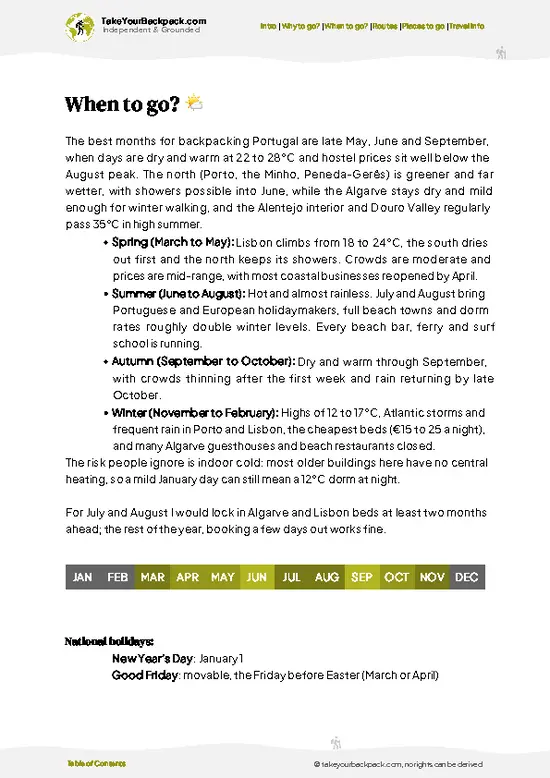
  • Weather: Faro basks in a Mediterranean climate. Spring and fall offer mild, dry days—perfect for wandering without the scorch. Summers push highs to 30-35°C (86-95°F), which can fry your energy by midday.

  • Temperature: Winters dip to a comfortable 10-15°C (50-59°F), rarely freezing, but the Atlantic breeze can bite. Late spring and early autumn hit a sweet spot around 20-25°C (68-77°F), ideal for both beach and city strolls.

  • Daylight Hours: Long summer days stretch up to 15 hours, giving you more time to explore. Winter shrinks daylight to about 9-10 hours, so plan your hikes and sightseeing accordingly to avoid dusk surprises.

  • Crowds: July and August flood Faro with tourists chasing sun and sand, turning quiet alleys into busy thoroughfares. Shoulder seasons—April to June and September
read more 👉

  • Weather: Faro basks in a Mediterranean climate. Spring and fall offer mild, dry days—perfect for wandering without the scorch. Summers push highs to 30-35°C (86-95°F), which can fry your energy by midday.

  • Temperature: Winters dip to a comfortable 10-15°C (50-59°F), rarely freezing, but the Atlantic breeze can bite. Late spring and early autumn hit a sweet spot around 20-25°C (68-77°F), ideal for both beach and city strolls.

  • Daylight Hours: Long summer days stretch up to 15 hours, giving you more time to explore. Winter shrinks daylight to about 9-10 hours, so plan your hikes and sightseeing accordingly to avoid dusk surprises.

  • Crowds: July and August flood Faro with tourists chasing sun and sand, turning quiet alleys into busy thoroughfares. Shoulder seasons—April to June and September to October—offer a quieter vibe with room to breathe.

  • Seasonal Activities: Summer brings lively beach festivals and open-air concerts, but spring and fall host local markets and cultural events that reveal Faro’s authentic rhythm without the tourist gloss.

  • Price Fluctuations: Accommodation and flights spike in high summer. Booking in shoulder seasons can save you 20-40%, letting you upgrade your stay or splurge on fresh seafood without guilt.


Pro-tip: Aim for late spring or early fall—when Faro’s light softens, the air smells of salt and orange blossoms, and you get the town’s pulse without the push of crowds or heat.


source: climatestotravel.comJANJanuary: good for travelingFEBFebruary: good for travelingMARMarch: highly recommended for travelingAPRApril: highly recommended for travelingMAYMay: excellent for travelingJUNJune: highly recommended for travelingJULJuly: fair for travelingAUGAugust: fair for travelingSEPSeptember: excellent for travelingOCTOctober: highly recommended for travelingNOVNovember: good for travelingDECDecember: good for traveling
portugal-city-faro v1
© Google |

✈️ The backpacker research shortcutPortugal Travel Guide

An offline-friendly backpacking guide with optimized travel routes, ranked highlights, transport advice, and the best areas to stay.
example page 0 from our offline Travel Guide for Portugal
example page 1 from our offline Travel Guide for Portugal
example page 2 from our offline Travel Guide for Portugal
example page 3 from our offline Travel Guide for Portugal
example page 4 from our offline Travel Guide for Portugal
example page 5 from our offline Travel Guide for Portugal
example page 6 from our offline Travel Guide for Portugal
example page 7 from our offline Travel Guide for Portugal
The digital guide (369 pages) contains:
88 highlights, ranked by travel appeal
Optimized 5, 10 & 15-day travel routes
Cities, national parks, landmarks, beaches
How to get around
Offline-friendly for travel without Wi-Fi
👉 Click to see all 30+ guide features

📅 Plan smarter in minutes, not weeks
Month by month travel advice
Festivals & national holidays
Budget expectations

🗺️ Go to the right places, skip the overrated ones
Honest pros & cons of destinations
Top hikes, parks & viewpoints
Lesser-known places most travelers miss
Clear “worth it vs skip it” guidance

🛏️ Travel smoothly without rookie mistakes
Best areas to stay
Transport systems explained simply
Common scams & safety advice
SIM cards, money & practical tips

🌍 Understand the country, not just visit it
Culture & traditions
52 Essential phrases & customs
Festivals worth planning around
Traveler-friendly historical context
Insights that make places more meaningful

📱 Built for real travel conditions
Fully downloadable PDF
Works completely offline
Optimized for phone use
Useful in remote areas & buses
Everything in one place
Save weeks of stressful planning
Get instant access to your full guide. 30‑day money-back guarantee.
+ Add another guide for just £5.98

By proceeding you agree to our terms.
Sent to your inbox immediately after payment • 100% Secure Checkout
Best Backpacking Travel Advisor 2025 tourism awardBest Backpacking
Travel Advisor
2025
What others say about Take Your Backpack Guides:
⭐⭐⭐⭐⭐
Fantastic, amazing amount of information!
⭐⭐⭐⭐⭐
My goodness this is amazing, it's what I've been looking for hats off too you!
⭐⭐⭐⭐⭐
I think this is absolutely BRILLIANT
⭐⭐⭐⭐
Very complete and informative. It's still missing places, but I gotta to commend you
⭐⭐⭐⭐⭐
This is truly amazing, thank you, can't wait to explore it with my kids!
⭐⭐⭐⭐⭐
Awesome resource, thank you!
⭐⭐⭐⭐⭐
This is amazing! Can't wait to explore the ones I haven't seen
⭐⭐⭐⭐
I love this! Well done, great idea.
⭐⭐⭐⭐⭐
Thanks for taking the time to make this gem!
⭐⭐⭐⭐⭐
This might be the best website I've ever seen.
⭐⭐⭐⭐⭐
Congratulations, and thank you so much for your work; it's incredibly valuable.
⭐⭐⭐⭐
In all seriousness I think you did a great job pointing out the important spots
⭐⭐⭐⭐⭐
10/10 very good
⭐⭐⭐⭐⭐
As someone who's only just starting to visit regularly this is awesome, thank you.
⭐⭐⭐⭐
Thank you very much! I'm going to visit my dad, it's going to be very useful!
⭐⭐⭐⭐⭐
This is really cool! We'll be travelling for the first time and this definitely come in handy.
⭐⭐⭐⭐⭐
You are now our minister of culture, congratulations 👨‍💼
⭐⭐⭐⭐⭐
Just wanted to tell you that this is a pearl! Going to follow your recommendations.
⭐⭐⭐⭐⭐
This is so cool. I'll definitely be using the resource for my travels soon.
⭐⭐⭐⭐⭐
This is very impressive! Good work.
⭐⭐⭐⭐⭐
This is an amazing and informative site. Very well done!

🛏️ Where to stay?Where staying makes the most sense

Faro’s Old Town is the heartbeat for backpackers who want to dive into the city’s soul without breaking the bank. The cobblestone streets here catch the golden afternoon light just right, casting long shadows that invite slow, deliberate exploration. It’s safe, compact, and packed with affordable hostels where solo travelers find easy camaraderie over shared kitchens and communal lounges. The vibe is relaxed but lively, with local cafés spilling out onto squares where you can sip a cheap coffee while watching fishermen haul in their catch from the nearby marina.

Step outside Old Town, and the … read more 👉
Faro’s Old Town is the heartbeat for backpackers who want to dive into the city’s soul without breaking the bank. The cobblestone streets here catch the golden afternoon light just right, casting long shadows that invite slow, deliberate exploration. It’s safe, compact, and packed with affordable hostels where solo travelers find easy camaraderie over shared kitchens and communal lounges. The vibe is relaxed but lively, with local cafés spilling out onto squares where you can sip a cheap coffee while watching fishermen haul in their catch from the nearby marina.

Step outside Old Town, and the city stretches into quieter residential neighborhoods like Gambelas. It’s a bit more removed, which means fewer tourists and a more authentic slice of Faro life. Hostels are scarcer here, but the calm streets and local markets offer a different kind of social rhythm—one that’s less about nightlife and more about slow mornings and genuine interactions.

Avoid the industrial zones near the train station; they’re functional but lack charm or safety for late-night returns. Staying in or near Old Town means you’re never far from the pulse of Faro, making your backpacking experience both smooth and richly textured.

🚌 Getting aroundHow to get around Faro

Faro moves at a pace that feels like a gentle tide rather than a relentless current. The town’s rhythm is a blend of old-world calm and the occasional burst of tourist energy, especially near the marina and the historic center. You won’t find a frantic rush here, but you will notice the ebb and flow of locals and visitors weaving through narrow streets, the scent of salt air mixing with fresh pastries from corner bakeries. The light in Faro softens as afternoon slips into evening, casting long shadows that invite slow exploration rather than hurried transit. This is a place where intuition often beats rigid schedules, but knowing the best ways to get around will save you from unnecessary waits and missed moments.


  • Walking: Faro’s compact center is made for feet. Most key sights, from the
read more 👉
Faro moves at a pace that feels like a gentle tide rather than a relentless current. The town’s rhythm is a blend of old-world calm and the occasional burst of tourist energy, especially near the marina and the historic center. You won’t find a frantic rush here, but you will notice the ebb and flow of locals and visitors weaving through narrow streets, the scent of salt air mixing with fresh pastries from corner bakeries. The light in Faro softens as afternoon slips into evening, casting long shadows that invite slow exploration rather than hurried transit. This is a place where intuition often beats rigid schedules, but knowing the best ways to get around will save you from unnecessary waits and missed moments.


  • Walking: Faro’s compact center is made for feet. Most key sights, from the Arco da Vila to the marina, are within a 15-20 minute stroll. Walking lets you soak in the cobblestones’ texture, the smell of grilled sardines, and the quiet corners where locals sip coffee. It’s free, flexible, and the best way to catch the town’s subtle details.


  • Local Bus (Proximo): The local bus network is modest but reliable, with routes connecting Faro to nearby beaches and suburbs. Buses typically run from around 7:00 AM to 10:00 PM, with tickets costing about €1.50 per ride. They’re slow compared to walking downtown but essential if you want to reach Praia de Faro or the airport without a taxi.


  • Train: Faro’s train station links you to the Algarve coast and inland Portugal. Trains run roughly every hour from early morning until late evening, with fares starting around €3 for short trips. The ride offers a smooth, scenic alternative to buses, especially if you’re heading to Lagos or Tavira. It’s comfortable, punctual, and a good way to escape the town’s center for a day trip.


  • Taxi and Ride-Sharing: Taxis are plentiful but pricier, with a typical short ride inside town costing around €5-7. Ride-sharing apps like Uber operate here, often at slightly lower rates. Use these for late-night returns or when you’re hauling gear, but avoid them during peak tourist hours when surge pricing can hit.


  • Bicycle Rentals: Faro is flat and bike-friendly, with rental shops scattered near the marina and train station. Daily rentals run about €10-15. Cycling lets you cover more ground than walking while still feeling the breeze and spotting hidden spots. It’s ideal for exploring the Ria Formosa Natural Park or the quieter outskirts.

👛 Costs (as of 4 September 2026)Money, prices, and spending tips

Backpacking in Faro, Portugal, balances old-world charm with practical affordability, but knowing the real costs helps you plan without surprises.
  • Dorm Accommodation: Expect to pay around €15-25 per night for a bed in a shared dorm. Faro’s hostels are straightforward—clean, central, and social—but don’t expect luxury. The price reflects the town’s modest size and steady tourist flow.
  • Meals: A simple meal at a local café or pastelaria runs about €6-10. Think fresh seafood sandwiches or bifanas (pork sandwiches). If you hit the market or small grocery stores, you can stretch your budget by grabbing bread, cheese, and fruit for around €3-5 per meal.
  • Local Transport: Faro is compact, so walking covers most ground. For longer trips, a single bus ticket costs about €1.50. Taxis start around €3,
read more 👉
Backpacking in Faro, Portugal, balances old-world charm with practical affordability, but knowing the real costs helps you plan without surprises.
  • Dorm Accommodation: Expect to pay around €15-25 per night for a bed in a shared dorm. Faro’s hostels are straightforward—clean, central, and social—but don’t expect luxury. The price reflects the town’s modest size and steady tourist flow.
  • Meals: A simple meal at a local café or pastelaria runs about €6-10. Think fresh seafood sandwiches or bifanas (pork sandwiches). If you hit the market or small grocery stores, you can stretch your budget by grabbing bread, cheese, and fruit for around €3-5 per meal.
  • Local Transport: Faro is compact, so walking covers most ground. For longer trips, a single bus ticket costs about €1.50. Taxis start around €3, but they’re rarely necessary unless you’re hauling gear late at night.
  • Basic Activities/Entry Fees: Entry to the Faro Cathedral or municipal museums is typically €2-5. Exploring the nearby Ria Formosa Natural Park by boat tour can cost €15-25, a worthwhile splurge for the landscape and wildlife.
  • Miscellaneous Expenses: Budget around €3-7 for essentials like bottled water, coffee, or a quick snack. Wi-Fi is usually free in hostels and cafés, so no extra cost there.

All told, you’re looking at roughly €30-50 per day to cover the essentials without cutting corners. Faro’s charm isn’t flashy, but it’s real—sunlight filtering through narrow streets, the salt air from the nearby lagoon, and the hum of local life. Spending a bit more on a boat tour or a fresh seafood meal pays off in moments you won’t forget.


source: visitportugal.com
⚠️ Prices can change and everyone travels differently, so take this as a rough guide. Hope it helps you plan your adventure!

🚌 Day tripsExploring the surroundings

Faro is a fantastic launchpad for exploring the Algarve, offering a blend of culture, nature, and adventure just a stone’s throw away. Here are some day trips that will elevate your experience.

Ria Formosa Natural Park
Just a short bus ride from Faro, Ria Formosa is a sprawling wetland that feels like stepping into a living painting. The air is thick with the scent of salt and wild herbs, and the sound of birds fills the sky. Rent a bike or take a guided kayak tour to navigate the lagoons and spot flamingos. The park is best visited in spring or early fall when the weather is mild, and the wildlife is active. A round trip will set you back about €5 for the bus, plus a few euros for bike rental. Many first-timers miss the early morning light, which casts a golden glow over the water, making … read more 👉
Faro is a fantastic launchpad for exploring the Algarve, offering a blend of culture, nature, and adventure just a stone’s throw away. Here are some day trips that will elevate your experience.

Ria Formosa Natural Park
Just a short bus ride from Faro, Ria Formosa is a sprawling wetland that feels like stepping into a living painting. The air is thick with the scent of salt and wild herbs, and the sound of birds fills the sky. Rent a bike or take a guided kayak tour to navigate the lagoons and spot flamingos. The park is best visited in spring or early fall when the weather is mild, and the wildlife is active. A round trip will set you back about €5 for the bus, plus a few euros for bike rental. Many first-timers miss the early morning light, which casts a golden glow over the water, making it the perfect time for photos.


Tavira
A charming town just 30 minutes away, Tavira is a slice of authentic Algarve life. Wander through cobbled streets lined with whitewashed buildings and enjoy a coffee at a local café. The Roman bridge and the castle ruins offer stunning views of the town and the river. The train ride costs around €3 each way, making it a budget-friendly option. Aim for a weekday visit to avoid the weekend crowds. Many backpackers overlook the local market, where you can snag fresh produce and handmade crafts.
👉 Explore Tavira

Caparica Beach
For a beach day that feels like a mini-vacation, head to Caparica Beach. It’s about an hour by train, and the golden sands stretch for miles. The waves here are perfect for surfing, so rent a board if you’re feeling adventurous. The total cost for the day, including transport and rentals, is around €20. Summer is peak season, but early mornings or late afternoons offer a quieter experience. A common misstep is sticking to the crowded sections; venture a bit further down the beach for a more relaxed vibe.


Silves
Dive into history with a trip to Silves, home to a stunning Moorish castle. The train ride takes about 40 minutes and costs around €5. The town’s red sandstone walls and narrow streets are steeped in stories. Visit the castle in the morning to avoid the heat and crowds. Many backpackers miss the local bakery, where you can grab a pastéis de nata that’s worth every calorie.


Each of these trips offers a unique taste of the Algarve, making Faro not just a stopover, but a gateway to adventure.
Want to know what more Portugal offers?
The Portugal Travel Guide describes 88 highlights, from cities to national parks, from beaches to hikes

Get the Travel Guide -

🛡️ SafetyScams, Hazards, and Annoyances

Faro is generally safe, but like any town, it has its quirks. Stay aware in crowded areas like the Old Town, especially near the bustling markets. Pickpockets can be sneaky, so keep your belongings close.

If you’re solo and out at night, stick to well-lit streets. The waterfront is lovely after dark, but it’s best to avoid quieter alleys. Trust your instincts; if something feels off, it probably is.

Scams are rare, but be cautious with overly friendly strangers offering unsolicited help. They might expect a tip for something you didn’t ask for. Also, watch for inflated prices at touristy restaurants; a quick glance at the menu before sitting down can save you from an unwelcome surprise.

Overall, carry yourself confidently. A relaxed demeanor often deters trouble. Enjoy the charm of Faro, … read more 👉
Faro is generally safe, but like any town, it has its quirks. Stay aware in crowded areas like the Old Town, especially near the bustling markets. Pickpockets can be sneaky, so keep your belongings close.

If you’re solo and out at night, stick to well-lit streets. The waterfront is lovely after dark, but it’s best to avoid quieter alleys. Trust your instincts; if something feels off, it probably is.

Scams are rare, but be cautious with overly friendly strangers offering unsolicited help. They might expect a tip for something you didn’t ask for. Also, watch for inflated prices at touristy restaurants; a quick glance at the menu before sitting down can save you from an unwelcome surprise.

Overall, carry yourself confidently. A relaxed demeanor often deters trouble. Enjoy the charm of Faro, but stay alert, and you’ll have a smooth experience.

FAQCommon questions from travelers

Yes, Faro is worth visiting for its charming old town, historic sites like the Faro Cathedral, and access to the Ria Formosa Natural Park. It offers more than just a stopover, especially for those interested in culture and nature.
Two days are sufficient to explore Faro's main attractions, including the old town, museums, and a boat tour of the Ria Formosa. This allows time to enjoy local cuisine and relax without rushing.
Yes, Faro can be visited as a day trip from nearby cities like Albufeira or Lagos, which are about 45 to 90 minutes away by bus or train. A day trip is enough to see the highlights but limits time for deeper exploration.
⚠️ Things can change over time, so always validate details locally before you go.

Other Portuguese towns near Faro

Explore more nearby:

  • Tavira—riverfront, tiled facades, island beaches| 29 km away
  • Lagos—sea caves, golden beaches, lively marina| 66 km away
  • Mértola—riverside citadel, Islamic heritage, whitewashed lanes| 74 km away

💡 Not sure where to go next?
Create a personalized itinerary for Portugal including Faro and the places that fit your trip.

Generate my itinerary

👉 Discover all towns

Or checkout all Portugal has to offer (think cities, towns, villages, national parks, hikes, beaches, festivals)
Country photo of Portugal

We 💚 feedbackParting advice and final tips

Faro’s charm lies in its blend of history and coastal beauty. Strolling through the old town, you can almost taste the salt in the air as you pass crumbling walls and vibrant tiles. But be ready for the heat; summer can feel relentless. Hydrate often and plan your outings for early morning or late afternoon. Embrace the slower pace, and you’ll find Faro’s true magic in the moments between the sights.

✈️ When did I visit Portugal?
Portugal is a lovely country in Europe. Have been multiple times in the south as well as Lissabon and Porto.

✍️ Help improve this page!
The information on this page is based on my own backpacking experience in Portugal, supplemented with up-to-date research and feedback from other travelers. Travel details can change, so if you notice anything outdated or incomplete, feel free to let me know.


🙋‍♂️ Give feedback

👋 Meet the founderWho’s Behind Take Your Backpack?

Johan, backpacker and founder of TakeYourBackpackHi, I’m Johan (Netherlands 🇳🇱), the creator of TakeYourBackpack. Over the past decade, I’ve backpacked through 80+ countries across six continents, gaining extensive experience with independent travel, long-term trips, and overland routes.

This site is built on a combination of firsthand travel experience and carefully curated insights from other backpackers. Many guides are based on places I’ve personally visited, while others bring together tips, observations, and practical advice shared by trusted travelers I’ve met along the way.

The goal is to provide realistic, experience-driven guidance — not generic itineraries — so you can explore destinations with better context, clearer expectations, and more confidence.

Get full Portugal guide •
Instant download • 88 highlights • Full Offline guide