×

Portugal🇵🇹 | regionsMadeiravolcanic peaks, laurel forests, levada trails | things to do and best time to go

Explore Algarve CoastExplore Azores

Backpacking in Madeira
🌟 Highlightregion ranked #2
By Johan Kruseman 🇳🇱 | Updated September 4, 2026

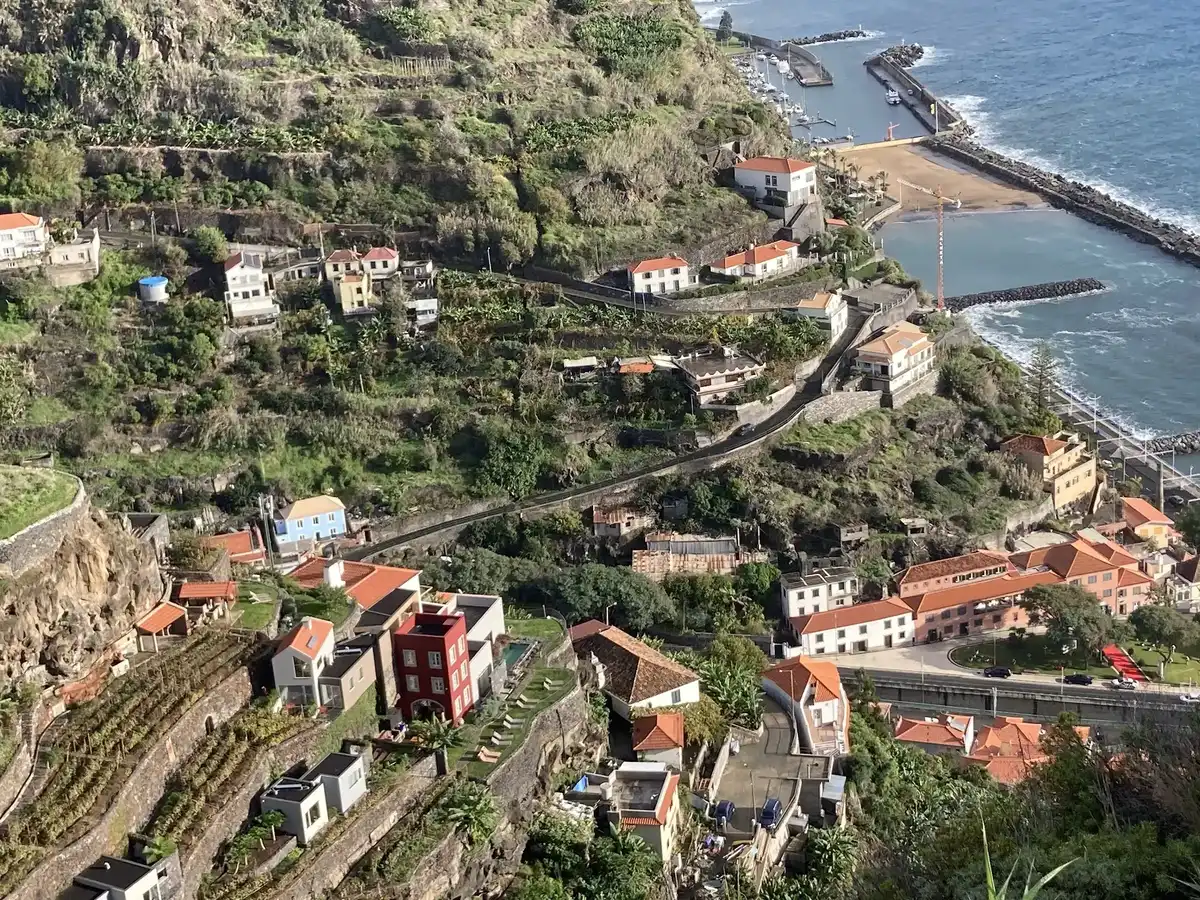
Everyone flies to Madeira for the Instagram cliffs and the “eternal spring” weather, but that’s not what actually makes or breaks your trip. What matters more is how you play the triangle of time, money, and comfort on a small Atlantic island that’s technically Portugal but feels like its own little universe, floating off the country’s southwest coast.

For backpackers, Madeira is a weirdly perfect contradiction: wild knife-edge ridges, laurel forests, and coastal trails that feel remote, wrapped in a very organized, very European package. It’s pricier than mainland Portugal and buses between towns like Funchal, São Vicente, and Porto Moniz can be slow or infrequent, so you either burn time on public transport or cash on rental cars and tours. Funchal is polished and cruise-ship heavy, but step into the mountains around Pico do Arieiro or the levada trails and it suddenly feels raw and local again, more Azores-energy than Algarve-resort.

Discover everything you want to know in the 📖 Portugal Travel Guide.


Get your Portugal guide
88 ranked highlights, routes & tips, works offline (369 pages)
Loading the map 🌍
CLICK TO FILTER
cities
towns
villages
landmarks
national parks
hikes
beaches
attractions
festivals
regions
SHOW COUNTRY’S BESTSHOW ALL

✨ Why go?
Ranked #2 region in Portugal
What sets this place apart

Madeira is a backpacker’s paradise for a reason. First off, the variety of landscapes is mind-blowing. You’ve got everything from lush mountains to dramatic coastlines, all within a short hike or drive. This means you can experience multiple adventures without the hassle of constant relocation.

Transport here is a breeze. The public buses are reliable and connect you to key spots, so you can easily hop from a serene levada walk to a bustling market in Funchal. This flexibility allows you to mix nature and culture seamlessly, giving you the best of both worlds.

And let’s talk about slow travel. Madeira encourages you to take your time. You can savor a poncha at a local bar after a day of hiking or explore the charming streets of Funchal without feeling rushed.

In short, Madeira offers … read more 👉
Madeira is a backpacker’s paradise for a reason. First off, the variety of landscapes is mind-blowing. You’ve got everything from lush mountains to dramatic coastlines, all within a short hike or drive. This means you can experience multiple adventures without the hassle of constant relocation.

Transport here is a breeze. The public buses are reliable and connect you to key spots, so you can easily hop from a serene levada walk to a bustling market in Funchal. This flexibility allows you to mix nature and culture seamlessly, giving you the best of both worlds.

And let’s talk about slow travel. Madeira encourages you to take your time. You can savor a poncha at a local bar after a day of hiking or explore the charming streets of Funchal without feeling rushed.

In short, Madeira offers a unique blend of adventure and relaxation. You’re not just ticking boxes; you’re immersing yourself in the experience. That’s the kind of high-value travel that makes every moment count.
Want to include Madeira in your Portugal route?
Create a personalized Portugal itinerary that includes Madeira and the places that fit your trip — based on your travel style, budget, and available time. Get your route in seconds.

Generate my trip

💡 HighlightsTop highlights of Madeira

  1. Pico do Arieiro → Pico Ruivo ridge hike — One of the few places you can walk between two of an island’s highest summits, with jagged ridgelines, wind-carved rock and sudden sea-clouds rolling through. The tunnels, ladders and exposed sections feel alpine but you’re still in Madeira — the views are uniquely dramatic and impossible to replicate on a flat mainland hike.
  2. Levada do Caldeirão Verde (and levada network) — Walk along the island’s historic irrigation channels through tunnels, fern grottoes and mossy cliffs to a plunging waterfall inside a volcanic amphitheatre. Levadas are Madeira’s signature way to access remote, lush terrain on foot; the engineering and the landscape together are a local specialty.
  3. Laurisilva Forest (Queimadas & surrounding groves) — UNESCO-listed subtropical
read more 👉
  1. Pico do Arieiro → Pico Ruivo ridge hike — One of the few places you can walk between two of an island’s highest summits, with jagged ridgelines, wind-carved rock and sudden sea-clouds rolling through. The tunnels, ladders and exposed sections feel alpine but you’re still in Madeira — the views are uniquely dramatic and impossible to replicate on a flat mainland hike.
  2. Levada do Caldeirão Verde (and levada network) — Walk along the island’s historic irrigation channels through tunnels, fern grottoes and mossy cliffs to a plunging waterfall inside a volcanic amphitheatre. Levadas are Madeira’s signature way to access remote, lush terrain on foot; the engineering and the landscape together are a local specialty.
  3. Laurisilva Forest (Queimadas & surrounding groves) — UNESCO-listed subtropical laurel forest: thick, misty, full of endemic plants and dripping with ancient moss. It’s like stepping into a prehistoric garden — the fauna, microclimate and vegetation patterns here don’t exist in many other places.
  4. Ponta de São Lourenço — A stark, windswept eastern peninsula with ochre cliffs, cactus-flecked slopes and panoramic Atlantic views. The arid, lunar feel and dramatic headlands contrast the island’s green interior; the coastal hike gives real sense of Madeira’s geological range.
  5. Porto Moniz natural lava pools — Swimming in calm, sea-fed pools carved from black volcanic rock is as Madeiran as it gets. The pools sit right on the Atlantic, offering safe seawater bathing with dramatic rockwork and fewer crowds early/late in the day.
  6. Monte and the wicker toboggan (Carros de Cesto) — Sit in a hand-woven sled guided by two locals down narrow streets to Funchal — a quirky, centuries-old downhill tradition. It’s a proper local ride (brakesman skill matters) and utterly Madeiran; you won’t find this exact mix of craft and adrenaline elsewhere.
  7. Funchal’s Zona Velha & Mercado dos Lavradores — Old town alleys with painted doors, tiny taverns and a bustling market stacked with local fruits, fresh fish and island-grown flowers. It’s where food culture, everyday life and street art meet — great for tasting poncha, papaya, bolo do caco and watching fishermen and vendors do their thing.
  8. Camacha — wicker workshops and village life — A working village where artisans still weave baskets, furniture and household pieces from local reeds; you can watch makers at work and buy something real, not mass-market. It’s low-key, unflashy and full of proper local craft culture — a genuine slice of Madeira away from the main sightseeing loop.
  9. Fajã dos Padres — A tucked-away cove and terraced banana gardens reached by a steep cable car or a short boat ride; there’s a tiny beach and a simple family-run seafood restaurant. The isolation, microclimate and old-school farming feel like stepping into another era — locals love it for quiet lunches and swimming.
  10. Paul da Serra plateau — A high, flat plateau with open moorland, surprising vistas and often eerie low cloud; you get a completely different Madeiran landscape here. It’s where the island’s weather shows its mood swings, and on clear nights the sky is excellent for stargazing — a calm, under-visited contrast to coastal attractions.
Spotted a mistake or missing something? Contact us.

Things to do around Madeira

Ratings based on Tripadvisor reviews. When you book through this link, you support our work at no extra cost to you.

⌛️ 5 daysSeeing the highlights in 5 days

Day 1: Funchal
Funchal is your launchpad. The capital buzzes with life, and it’s where you’ll find the best transport connections. Start your day with a stroll through the Mercado dos Lavradores, where the colors and smells of local produce will wake up your senses. The cable car to Monte is a must; it’s not just a ride but a stunning view of the coastline. Use the afternoon to explore the Monte Palace Gardens. The transport system here is efficient, so you can hop on a bus back to Funchal without wasting time.

Day 2: Curral das Freiras
Today, you’ll venture into the heart of Madeira. Take a bus to Curral das Freiras, a village surrounded by towering peaks. The journey is a winding road that showcases the island’s dramatic landscapes. Spend your day hiking the Levada do Furado trail. … read more 👉
Day 1: Funchal
Funchal is your launchpad. The capital buzzes with life, and it’s where you’ll find the best transport connections. Start your day with a stroll through the Mercado dos Lavradores, where the colors and smells of local produce will wake up your senses. The cable car to Monte is a must; it’s not just a ride but a stunning view of the coastline. Use the afternoon to explore the Monte Palace Gardens. The transport system here is efficient, so you can hop on a bus back to Funchal without wasting time.

Day 2: Curral das Freiras
Today, you’ll venture into the heart of Madeira. Take a bus to Curral das Freiras, a village surrounded by towering peaks. The journey is a winding road that showcases the island’s dramatic landscapes. Spend your day hiking the Levada do Furado trail. It’s a moderate trek, but the views are worth every step. The bus back to Funchal will give you a chance to reflect on the day’s adventures.

Day 3: Ponta de São Lourenço
This day is all about the east coast. Catch an early bus to Ponta de São Lourenço. The hike here is unique; you’ll feel like you’re on another planet with its rugged cliffs and ocean views. The transport is less frequent, so plan your return carefully. Grab a late lunch in Caniçal before heading back.

Day 4: Santana
Head to Santana for a taste of traditional Madeiran life. The bus ride is scenic, and the iconic thatched houses are a must-see. Spend the day wandering the village and maybe even try some local poncha. The slower pace here is a nice contrast to the previous days.

Day 5: Off-Path Reward - Paul da Serra
For a true insider experience, take a detour to Paul da Serra. This high plateau offers a different perspective of Madeira. The bus ride is longer, but the tranquility and unique landscapes are worth it. Spend your day hiking the flat trails and soaking in the views.

The must-do day? Day 2 in Curral das Freiras. The combination of stunning hikes and the dramatic scenery will make you feel like you’ve truly experienced the soul of Madeira.
Turn your Madeira visit into an Portugal adventure
Build a complete Portugal route with Madeira, hidden gems, must-see destinations, and realistic travel times included.

Generate my trip

🌤️ When to go?Weather, crowds, and seasonal trade-offs


  • Weather: Madeira’s climate is a year-round mild dream, but spring (March to May) and autumn (September to November) strike the perfect balance. You dodge the wettest winter months and the peak summer heat, which can push highs to 27°C (81°F).

  • Temperature: Expect comfortable temps between 17-22°C (63-72°F) during the shoulder seasons. Summer can feel sticky, especially July and August, with highs flirting with 25-27°C (77-81°F), while winter rarely dips below 13°C (55°F).

  • Daylight Hours: Long days from late spring to early autumn mean more time to explore. In June, you get up to 14 hours of daylight, perfect for hitting those levada trails without rushing.

  • Crowds: Peak summer (July-August) and the Christmas-New Year period bring tourists in droves, hiking trails and town centers get
read more 👉

  • Weather: Madeira’s climate is a year-round mild dream, but spring (March to May) and autumn (September to November) strike the perfect balance. You dodge the wettest winter months and the peak summer heat, which can push highs to 27°C (81°F).

  • Temperature: Expect comfortable temps between 17-22°C (63-72°F) during the shoulder seasons. Summer can feel sticky, especially July and August, with highs flirting with 25-27°C (77-81°F), while winter rarely dips below 13°C (55°F).

  • Daylight Hours: Long days from late spring to early autumn mean more time to explore. In June, you get up to 14 hours of daylight, perfect for hitting those levada trails without rushing.

  • Crowds: Peak summer (July-August) and the Christmas-New Year period bring tourists in droves, hiking trails and town centers get busy. Shoulder seasons offer a quieter vibe, letting you savor the island’s pace.

  • Seasonal Activities: Spring bursts with wildflowers and the Flower Festival in April is a local highlight. Autumn is grape harvest time, great for wine lovers. Winter’s mildness keeps outdoor adventures alive, but some trails might be slippery.

  • Price Fluctuations: Summer and holidays spike accommodation and flight prices. Booking in shoulder seasons often nets you better deals and more flexible options, without sacrificing the experience.


Pro-tip: Arrive late April or early October—cool enough to avoid sweat, warm enough to swim, and just before or after the tourist rush. You’ll feel like you’ve got the island almost to yourself.


source: climatestotravel.comJANJanuary: good for travelingFEBFebruary: good for travelingMARMarch: highly recommended for travelingAPRApril: excellent for travelingMAYMay: highly recommended for travelingJUNJune: highly recommended for travelingJULJuly: fair for travelingAUGAugust: fair for travelingSEPSeptember: highly recommended for travelingOCTOctober: excellent for travelingNOVNovember: highly recommended for travelingDECDecember: fair for traveling
portugal-region-madeira
© Google | Maria Martins

✈️ The backpacker research shortcutPortugal Travel Guide

An offline-friendly backpacking guide with optimized travel routes, ranked highlights, transport advice, and the best areas to stay.
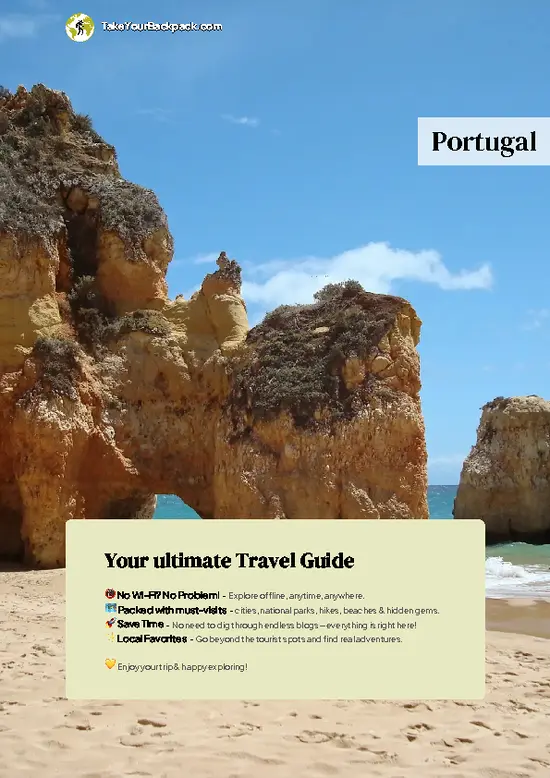
example page 0 from our offline Travel Guide for Portugal
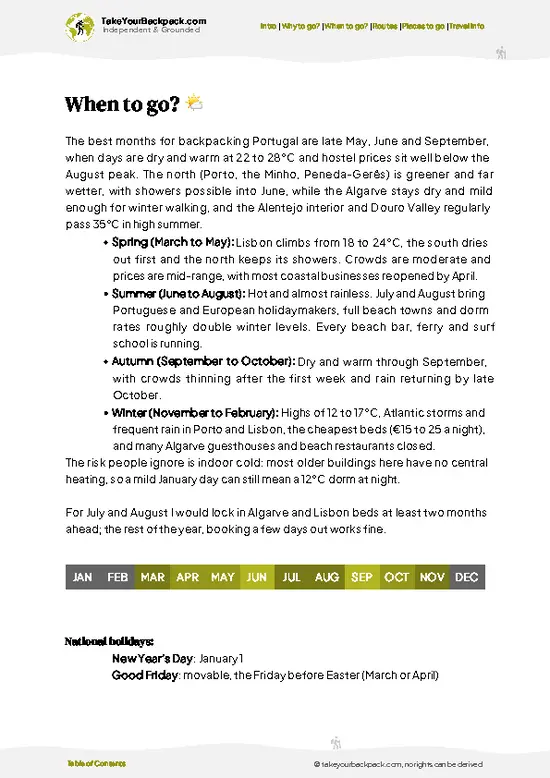
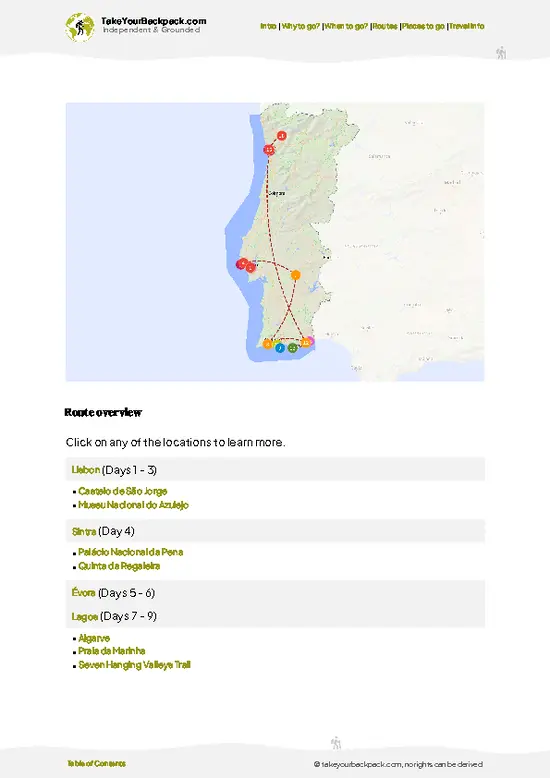
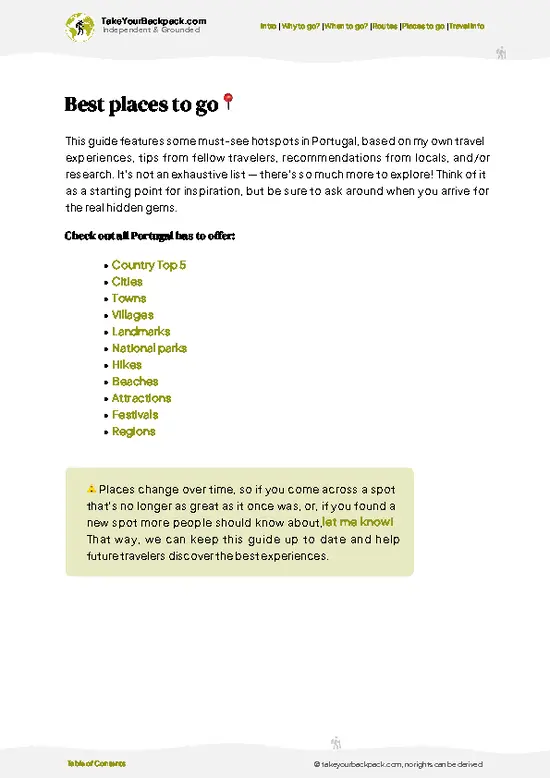
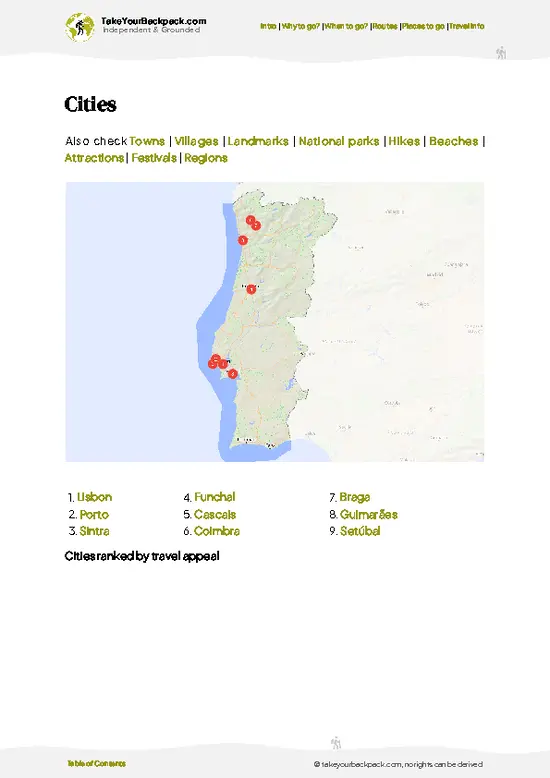
example page 1 from our offline Travel Guide for Portugal
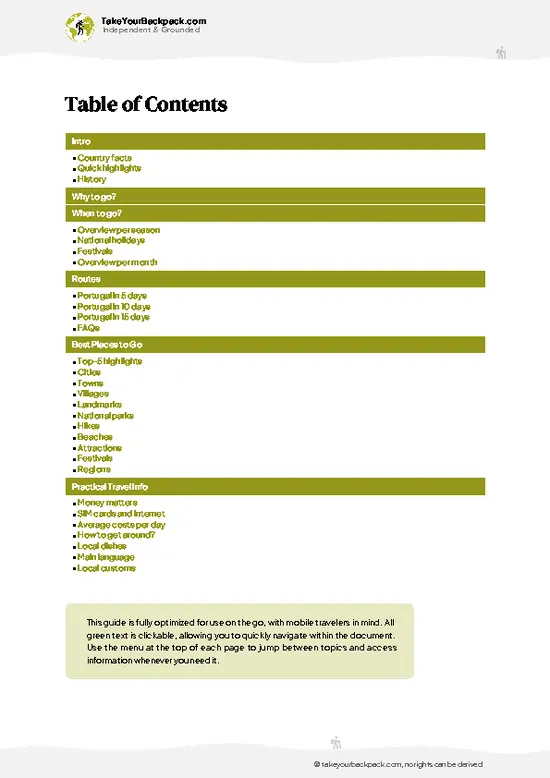
example page 2 from our offline Travel Guide for Portugal
example page 3 from our offline Travel Guide for Portugal
example page 4 from our offline Travel Guide for Portugal
example page 5 from our offline Travel Guide for Portugal
example page 6 from our offline Travel Guide for Portugal
example page 7 from our offline Travel Guide for Portugal
The digital guide (369 pages) contains:
88 highlights, ranked by travel appeal
Optimized 5, 10 & 15-day travel routes
Cities, national parks, landmarks, beaches
How to get around
Offline-friendly for travel without Wi-Fi
👉 Click to see all 30+ guide features

📅 Plan smarter in minutes, not weeks
Month by month travel advice
Festivals & national holidays
Budget expectations

🗺️ Go to the right places, skip the overrated ones
Honest pros & cons of destinations
Top hikes, parks & viewpoints
Lesser-known places most travelers miss
Clear “worth it vs skip it” guidance

🛏️ Travel smoothly without rookie mistakes
Best areas to stay
Transport systems explained simply
Common scams & safety advice
SIM cards, money & practical tips

🌍 Understand the country, not just visit it
Culture & traditions
52 Essential phrases & customs
Festivals worth planning around
Traveler-friendly historical context
Insights that make places more meaningful

📱 Built for real travel conditions
Fully downloadable PDF
Works completely offline
Optimized for phone use
Useful in remote areas & buses
Everything in one place
Save weeks of stressful planning
Get instant access to your full guide. 30‑day money-back guarantee.
+ Add another guide for just US$7.80

By proceeding you agree to our terms.
Sent to your inbox immediately after payment • 100% Secure Checkout
Best Backpacking Travel Advisor 2025 tourism awardBest Backpacking
Travel Advisor
2025
What others say about Take Your Backpack Guides:
⭐⭐⭐⭐⭐
Fantastic, amazing amount of information!
⭐⭐⭐⭐⭐
My goodness this is amazing, it's what I've been looking for hats off too you!
⭐⭐⭐⭐⭐
I think this is absolutely BRILLIANT
⭐⭐⭐⭐
Very complete and informative. It's still missing places, but I gotta to commend you
⭐⭐⭐⭐⭐
This is truly amazing, thank you, can't wait to explore it with my kids!
⭐⭐⭐⭐⭐
Awesome resource, thank you!
⭐⭐⭐⭐⭐
This is amazing! Can't wait to explore the ones I haven't seen
⭐⭐⭐⭐
I love this! Well done, great idea.
⭐⭐⭐⭐⭐
Thanks for taking the time to make this gem!
⭐⭐⭐⭐⭐
This might be the best website I've ever seen.
⭐⭐⭐⭐⭐
Congratulations, and thank you so much for your work; it's incredibly valuable.
⭐⭐⭐⭐
In all seriousness I think you did a great job pointing out the important spots
⭐⭐⭐⭐⭐
10/10 very good
⭐⭐⭐⭐⭐
As someone who's only just starting to visit regularly this is awesome, thank you.
⭐⭐⭐⭐
Thank you very much! I'm going to visit my dad, it's going to be very useful!
⭐⭐⭐⭐⭐
This is really cool! We'll be travelling for the first time and this definitely come in handy.
⭐⭐⭐⭐⭐
You are now our minister of culture, congratulations 👨‍💼
⭐⭐⭐⭐⭐
Just wanted to tell you that this is a pearl! Going to follow your recommendations.
⭐⭐⭐⭐⭐
This is so cool. I'll definitely be using the resource for my travels soon.
⭐⭐⭐⭐⭐
This is very impressive! Good work.
⭐⭐⭐⭐⭐
This is an amazing and informative site. Very well done!

🛏️ Where to stay?Best areas to stay in Portugal

Madeira is a backpacker’s playground, and knowing where to lay your head can make all the difference.

Funchal is the capital and a no-brainer for first-timers. It’s buzzing with energy, packed with markets, and has a vibrant nightlife. You’ll find fellow travelers in the old town, where the streets pulse with life. Plus, the public transport is solid, making it easy to explore the island.

Ponta do Sol is a charming village that’s a bit quieter but still social. It’s got stunning coastal views and a laid-back vibe. Perfect for those who want to chill after a day of hiking. The beach scene here … read more 👉
Madeira is a backpacker’s playground, and knowing where to lay your head can make all the difference.

Funchal is the capital and a no-brainer for first-timers. It’s buzzing with energy, packed with markets, and has a vibrant nightlife. You’ll find fellow travelers in the old town, where the streets pulse with life. Plus, the public transport is solid, making it easy to explore the island.

Ponta do Sol is a charming village that’s a bit quieter but still social. It’s got stunning coastal views and a laid-back vibe. Perfect for those who want to chill after a day of hiking. The beach scene here is friendly, and you’ll often find locals mingling with travelers, sharing stories over a drink.

Santana is another gem, known for its iconic thatched houses. It’s a gateway to some of the best hiking trails on the island. Staying here means you can hit the trails early, avoiding the crowds. The community is welcoming, and you’ll feel right at home.

Each of these spots offers a unique slice of Madeira life. Choose wisely, and you’ll unlock experiences that go beyond the usual tourist fare.

🚌 Getting aroundHow to get from A to B

Madeira is a land of contrasts, where the rhythm of life dances between the structured and the spontaneous. Picture this: you’re standing on a cliff, the Atlantic winds whipping through your hair, and you realize that getting from point A to point B isn’t just about schedules; it’s about embracing the island’s pulse. Sure, there are buses and taxis, but there’s also a sense of adventure in hitching a ride or catching a local’s tip on the best scenic routes. The flow here is less about rigid timetables and more about feeling the vibe of the island. So, let’s break down your transport options, shall we?


  • Public Buses: The backbone of Madeira’s transport system. Buses run frequently between major towns like Funchal and Câmara de Lobos. Expect to pay around €2-€5 per trip, depending on distance.
read more 👉
Madeira is a land of contrasts, where the rhythm of life dances between the structured and the spontaneous. Picture this: you’re standing on a cliff, the Atlantic winds whipping through your hair, and you realize that getting from point A to point B isn’t just about schedules; it’s about embracing the island’s pulse. Sure, there are buses and taxis, but there’s also a sense of adventure in hitching a ride or catching a local’s tip on the best scenic routes. The flow here is less about rigid timetables and more about feeling the vibe of the island. So, let’s break down your transport options, shall we?


  • Public Buses: The backbone of Madeira’s transport system. Buses run frequently between major towns like Funchal and Câmara de Lobos. Expect to pay around €2-€5 per trip, depending on distance. They’re generally comfortable, but during peak hours, you might find yourself standing. First bus usually starts around 6 AM, with the last one rolling out by 10 PM.


  • Taxis: A bit pricier, but they offer flexibility. Fares start at around €3, with additional charges per kilometer. They’re great for late-night returns or when you’re lugging gear. Just be aware that they can get expensive if you’re not careful. Most drivers are friendly and can give you insider tips on where to go.


  • Car Rentals: If you want to explore the island at your own pace, renting a car is the way to go. Prices start at about €30 per day. Just remember, the roads can be steep and winding, so be prepared for a bit of a thrill ride. Most rental companies operate from 8 AM to 7 PM, so plan accordingly.


  • Ferries: If you’re feeling adventurous, hop on a ferry to nearby Porto Santo. Prices are around €50 round trip, and the journey takes about 2.5 hours. It’s a fantastic way to see the coastline and enjoy a day at the beach.


  • Hiking Trails: Not a transport option in the traditional sense, but Madeira’s levadas (irrigation channels) offer some of the best walking paths. They’re free and provide access to stunning views. Just make sure you wear good shoes and bring water!


Here’s the insider tip: download the “Horários do Funchal” app. It’s a game changer for navigating bus schedules. You’ll feel like a local, knowing exactly when to catch your ride and where to hop off for the best views. Embrace the flow of Madeira, and let the island guide you.

🍲 FoodEating & Drinking in Madeira

In Madeira, food is a celebration of local flavors and vibrant culture. You can’t miss the espada, a black scabbard fish, often served with sweet banana. The contrast of the fish’s rich, meaty texture and the sweetness of the banana is a revelation. Pair it with a glass of Madeira wine, a fortified delight that ranges from dry to sweet, and you’ll feel like you’ve unlocked a local secret.

For a true backpacker experience, hit up the Mercado dos Lavradores in Funchal. The market buzzes with life, filled with stalls of fresh fruits, vegetables, and fish. Sample the bolo do caco, a traditional bread slathered with garlic butter, from a street vendor. It’s the kind of simple pleasure that makes you feel connected to the island.

Dining here is relaxed. Locals often linger over meals, so don’t … read more 👉
In Madeira, food is a celebration of local flavors and vibrant culture. You can’t miss the espada, a black scabbard fish, often served with sweet banana. The contrast of the fish’s rich, meaty texture and the sweetness of the banana is a revelation. Pair it with a glass of Madeira wine, a fortified delight that ranges from dry to sweet, and you’ll feel like you’ve unlocked a local secret.

For a true backpacker experience, hit up the Mercado dos Lavradores in Funchal. The market buzzes with life, filled with stalls of fresh fruits, vegetables, and fish. Sample the bolo do caco, a traditional bread slathered with garlic butter, from a street vendor. It’s the kind of simple pleasure that makes you feel connected to the island.

Dining here is relaxed. Locals often linger over meals, so don’t rush. When you’re invited to share a poncha—a local drink made from sugarcane rum, honey, and lemon—embrace it. It’s a rite of passage. Just remember, it’s customary to clink glasses and say “Saúde!” before sipping.

In Madeira, every bite and sip is a chance to dive deeper into the island’s soul. Embrace the flavors, and you’ll leave with more than just memories; you’ll carry a piece of Madeira with you.

FAQFrequently asked questions about Madeira

5 to 7 days are ideal to explore Madeira thoroughly, covering main towns, levada walks, and coastal views. This allows time for hiking, visiting Funchal, and exploring smaller villages. Longer stays enable more remote trails and cultural experiences.
Yes, you can get around Madeira without a car using the public bus system, which connects major towns and some hiking trailheads. Taxis and shared minibuses are also common and affordable, with bus fares typically ranging from 2 to 5 euros. Walking is practical within towns but limited for rural access.
Madeira is known for its dramatic landscapes, levada irrigation channels, and year-round mild climate. It is famous for its Madeira wine, Laurisilva forest (a UNESCO World Heritage site), and outdoor activities like hiking and canyoning.
⚠️ Things can change over time, so always validate details locally before you go.

Other Portuguese regions near Madeira

Explore more nearby:

  • Algarve Coast—sea cliffs, fishing villages, Atlantic beaches| 917 km away
  • Azores—volcanic lakes, geothermal springs, Atlantic cliffs| 965 km away

💡 Not sure where to go next?
Create a personalized itinerary for Portugal including Madeira and the places that fit your trip.

Generate my itinerary

👉 Discover all regions

Or checkout all Portugal has to offer (think cities, towns, villages, national parks, hikes, beaches, festivals)
Country photo of Portugal

We 💚 feedbackParting advice and final tips

Madeira is a hiker’s paradise, with trails that lead you through lush forests and along breathtaking cliffs. You’ll feel like you’re walking through a postcard. But here’s the catch: the weather can be unpredictable. One minute it’s sunny, the next you’re dodging rain. Pack layers and be ready for anything. Embrace the spontaneity; it’s part of the adventure. Just know that the island’s charm comes with a side of unpredictability.

✈️ When did I visit Portugal?
Portugal is a lovely country in Europe. Have been multiple times in the south as well as Lissabon and Porto.

✍️ Help improve this page!
The information on this page is based on my own backpacking experience in Portugal, supplemented with up-to-date research and feedback from other travelers. Travel details can change, so if you notice anything outdated or incomplete, feel free to let me know.


🙋‍♂️ Give feedback

👋 Meet the founderWho’s Behind Take Your Backpack?

Johan, backpacker and founder of TakeYourBackpackHi, I’m Johan (Netherlands 🇳🇱), the creator of TakeYourBackpack. Over the past decade, I’ve backpacked through 80+ countries across six continents, gaining extensive experience with independent travel, long-term trips, and overland routes.

This site is built on a combination of firsthand travel experience and carefully curated insights from other backpackers. Many guides are based on places I’ve personally visited, while others bring together tips, observations, and practical advice shared by trusted travelers I’ve met along the way.

The goal is to provide realistic, experience-driven guidance — not generic itineraries — so you can explore destinations with better context, clearer expectations, and more confidence.

Get full Portugal guide •
Instant download • 88 highlights • Full Offline guide