How many regions to visit: Pick
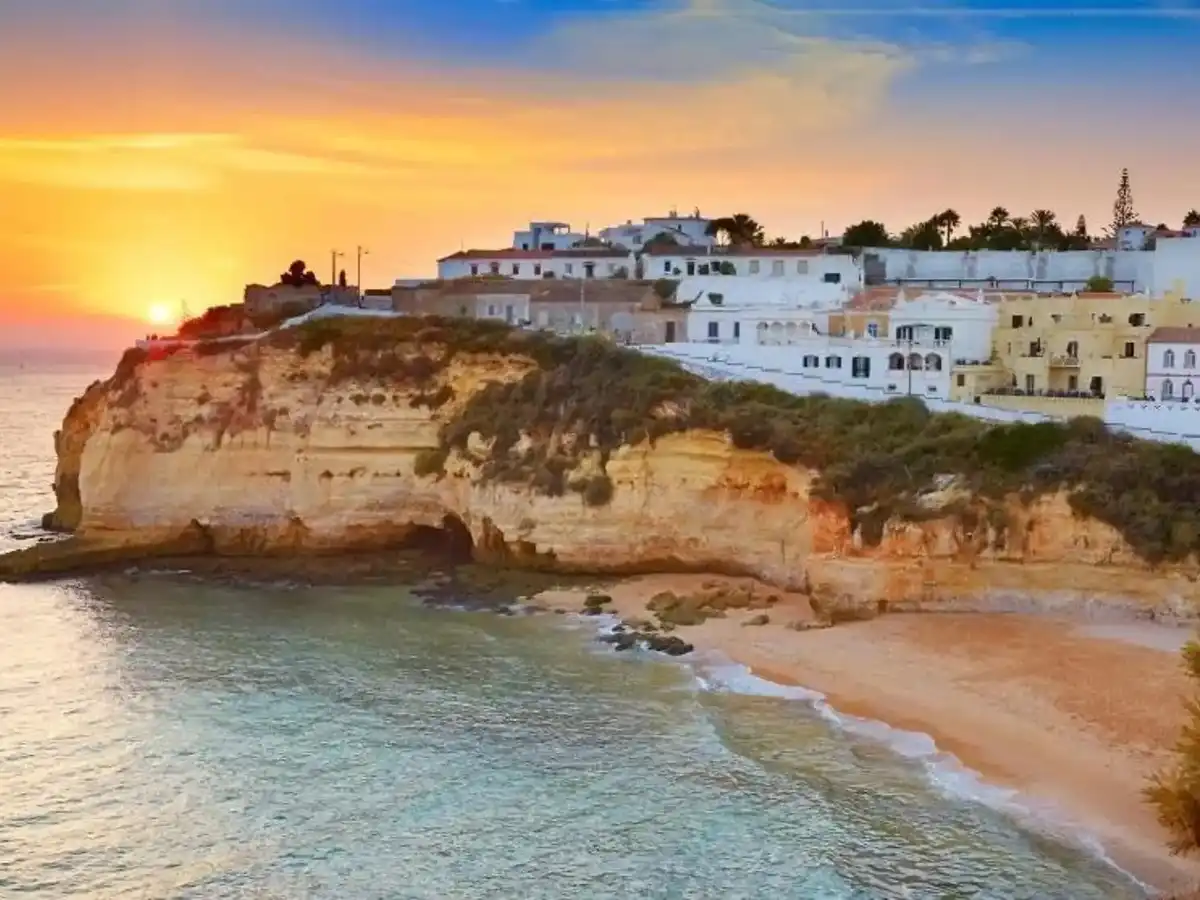
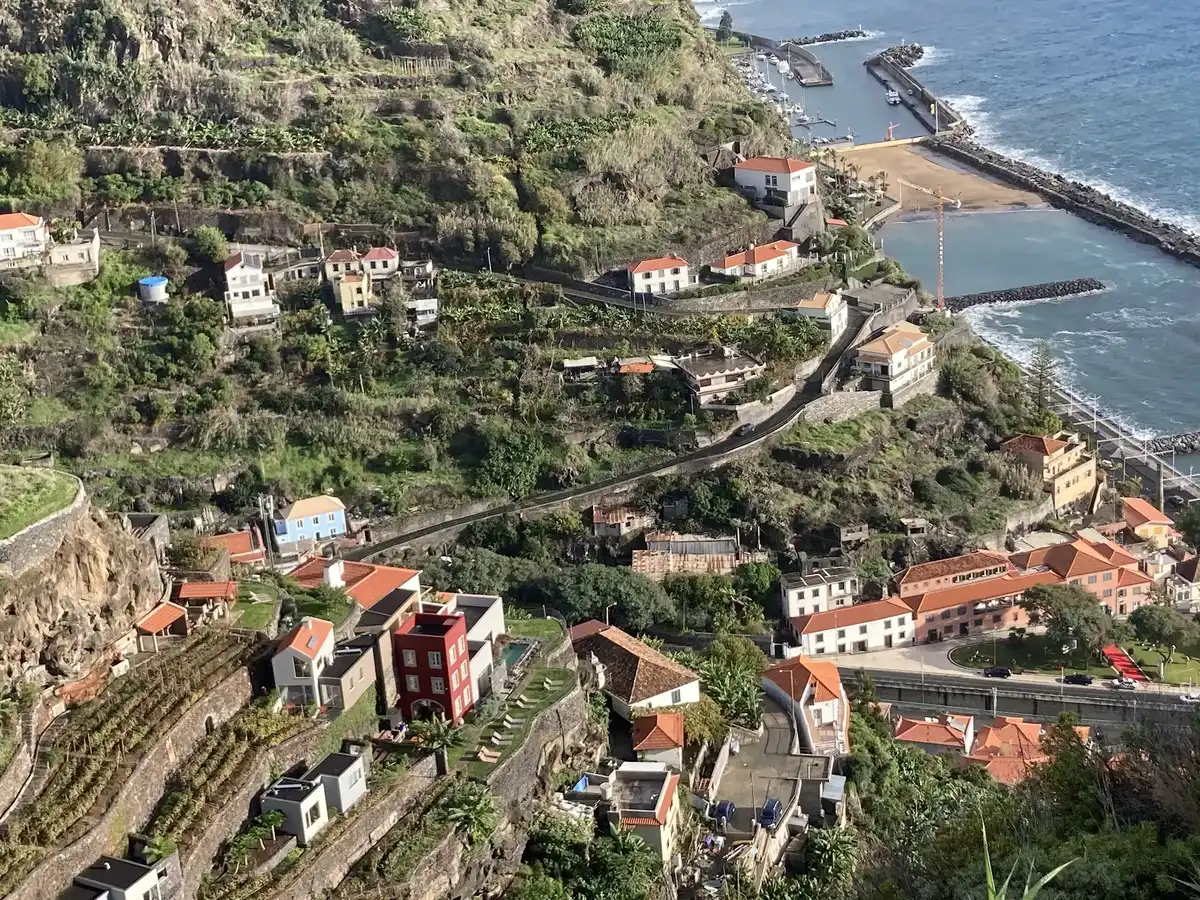
three to four regions for a first trip of two weeks. Portugal looks small on a map, but winding roads, slow rural buses and long lunches stretch every transfer. Fewer bases mean more time to hear the church bells over terracotta roofs, taste the grilled sardines on a plastic tablecloth and still have room for a wrong turn. Seven or eight regions in two weeks becomes a series of station benches.
Choosing by travel style: If you want
nightlife, hostels and easy transit, favor the urban and coastal regions, where social dorms, surf schools and day trips by train are simple to arrange. If you want
hiking, wine and quiet, lean toward the interior and the north, where mountain trails, terraced vineyards and village cafés cost less but demand more planning and often …
read more 👉 How many regions to visit: Pick three to four regions for a first trip of two weeks. Portugal looks small on a map, but winding roads, slow rural buses and long lunches stretch every transfer. Fewer bases mean more time to hear the church bells over terracotta roofs, taste the grilled sardines on a plastic tablecloth and still have room for a wrong turn. Seven or eight regions in two weeks becomes a series of station benches.
Choosing by travel style: If you want nightlife, hostels and easy transit, favor the urban and coastal regions, where social dorms, surf schools and day trips by train are simple to arrange. If you want hiking, wine and quiet, lean toward the interior and the north, where mountain trails, terraced vineyards and village cafés cost less but demand more planning and often a car. Mixing one of each kind keeps the trip balanced and the budget under control.
What it costs: Expect US$45 to 75 a day (about €40 to 70) for a backpacker staying in dorms, eating one cooked meal at a local tasca and using public transport. Dorm beds run €20 to 45 in high season and €15 to 25 outside it. A prato do dia (set lunch with soup, a main and coffee) costs about €8 to 12, a coffee at the counter about €0.80 to 1.20, and a bottle of decent local wine in a shop €4 to 8. Museum and monument entry is typically €5 to 15, castles and palaces up to €15 to 20. Intercity trains cost roughly €10 to 30 per leg, and a guided walking tour or a winery tasting €15 to 60. Budget an extra €40 to 70 a day if you rent a car, plus fuel and tolls.
Safety and cultural notes: Portugal is among Europe's safest countries, and violent crime against travelers is rare. Pickpockets work crowded trams in Lisbon and Porto, and car break-ins at trailheads and beach car parks are a real problem, so leave nothing visible. In summer, wildfires are a genuine risk in the center and north, and a heat warning means shortening hikes. Atlantic beaches have strong rip currents; swim only where a lifeguard flag is flying. Cobbles are slippery, so pack shoes with grip.
Culturally, a spoken “bom dia” on entering a shop or café goes a long way. Dinner starts late, often 8 pm or after, and many small restaurants close on Sundays or Mondays. Cash is still handy in rural tascas, though cards work almost everywhere else. Portuguese people are generally modest and polite, so keep voices down in churches and on late-night streets in residential neighborhoods, and ask before photographing people at work in the fields or markets.

 Best Backpacking
 Hi, I’m Johan (Netherlands 🇳🇱), the creator of TakeYourBackpack. Over the past 3 decades, I’ve backpacked through 90+ countries across six continents, gaining extensive experience with independent travel, long-term trips, and overland routes.