v2.webp)
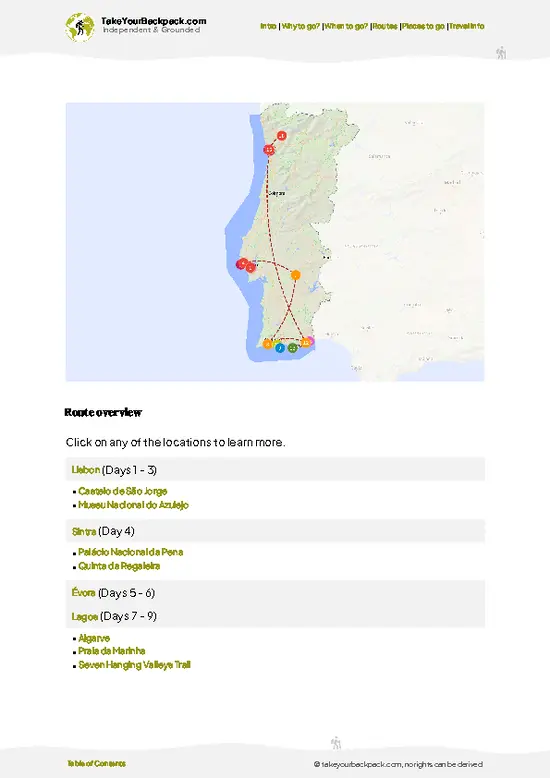
- Ilha Deserta (Barreta) — Picture-perfect, almost empty sandbank reached by a short boat ride from Faro. Wide dunes, razor-white beaches and very few buildings make it the go-to spot if you want silence, sun and real space to walk.
- Ilha do Farol (Farol Island) — The island with the cute blue-and-white lighthouse. Good for late-afternoon light, dunes, and a small cluster of cafés and fishermen’s huts; it feels like classic Algarve without the crowds.
- Culatra Island and its fishing village — A working island community with narrow streets, simple seafood restaurants and a relaxed pace. Great for watching boats, sampling clams and seeing how traditional salt-and-fish livelihoods still work in the lagoon.
- Ilha de Tavira (Tavira Island) — Long, soft sand beaches that are perfect for long walks
- Ilha Deserta (Barreta) — Picture-perfect, almost empty sandbank reached by a short boat ride from Faro. Wide dunes, razor-white beaches and very few buildings make it the go-to spot if you want silence, sun and real space to walk.
- Ilha do Farol (Farol Island) — The island with the cute blue-and-white lighthouse. Good for late-afternoon light, dunes, and a small cluster of cafés and fishermen’s huts; it feels like classic Algarve without the crowds.
- Culatra Island and its fishing village — A working island community with narrow streets, simple seafood restaurants and a relaxed pace. Great for watching boats, sampling clams and seeing how traditional salt-and-fish livelihoods still work in the lagoon.
- Ilha de Tavira (Tavira Island) — Long, soft sand beaches that are perfect for long walks and cooling dips after exploring Tavira town. Easy to reach by ferry, with clean water and space to spread out, even in high season.
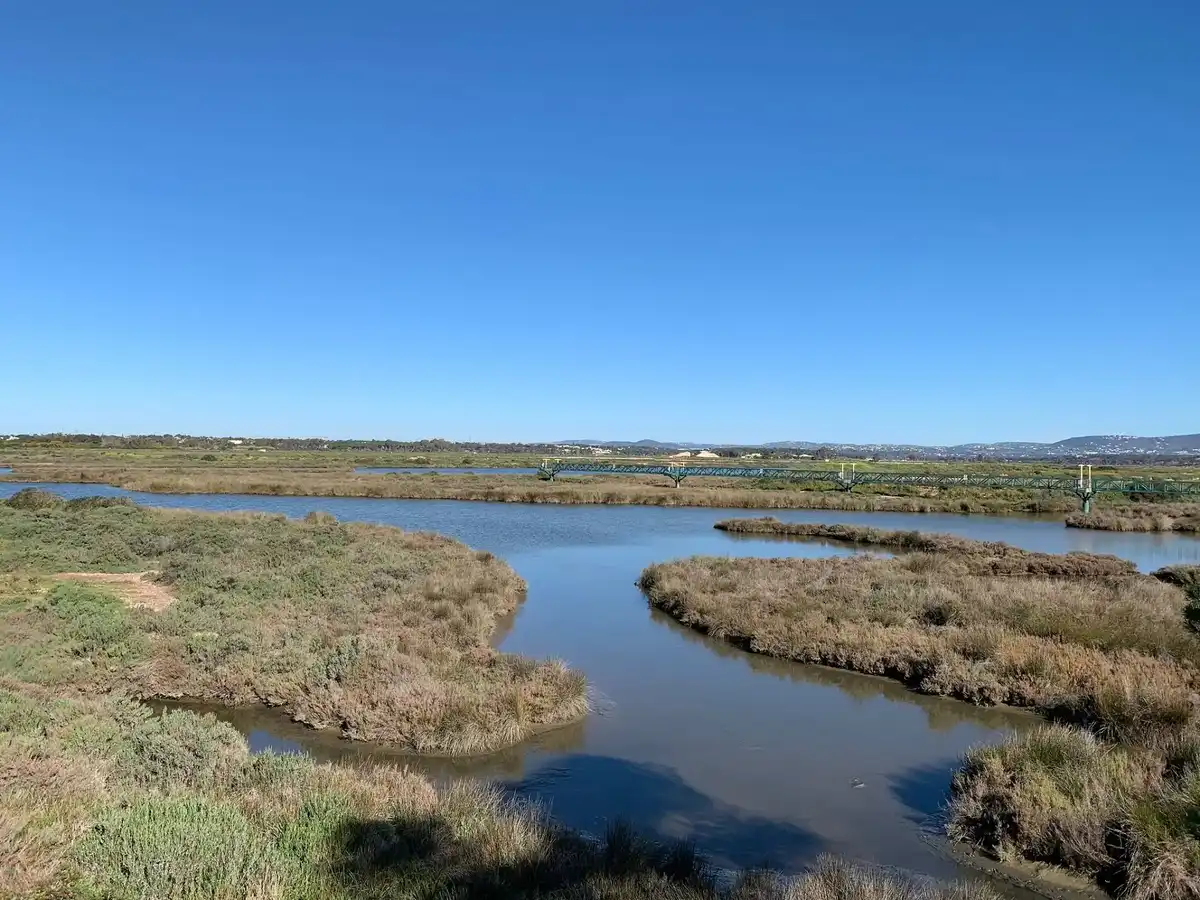
- Salt pans and tidal flats — The network of salinas and mudflats around Olhão and Tavira turns the lagoon into a patchwork of colour and texture. At low tide you’ll see exposed flats, at high tide the channels fill — it’s a dynamic landscape that supports tons of sea life.
- Birdlife hotspots — Ria Formosa is a major stopover for migratory birds: flamingos, spoonbills, avocets, terns and dozens of waders. Bring binoculars and a field guide; even short walks by the channels produce good sightings.
- Kayak and channel routes — Paddle through narrow tidal channels, past reed beds and under low bridges for a close-up of the lagoon’s ecology. Kayaking (or a guided boat tour) is one of the best ways to see hidden coves, shellfish banks and quiet wildlife spots you can’t reach on foot.
Spotted a mistake or missing something? Contact us.

Ria Formosa - Boat trip to the 3 Islands: Armona | Culatra Island | Lighthouse

Ria Formosa Natural Park and Islands Boat Cruise from Faro
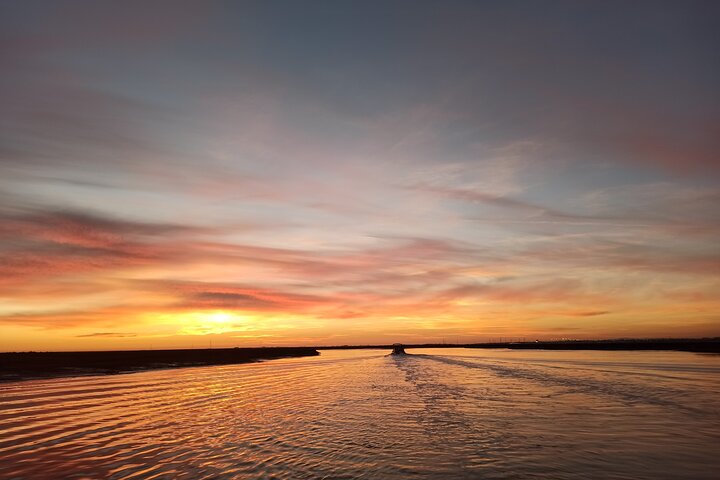
Ria Formosa Sunset 1 hour Boat Trip in Faro

Ilha Deserta and Farol Island: a small group boat trip in Ria Formosa from Faro

Ria Formosa Natural Park Birdwatching Segway Tour from Faro

3-Hour Boat Tour in Ria Formosa on Olhão Algarve

Eco Boat Tour in the Ria Formosa Lagoon from Faro

Ria Formosa & Ilhas: Private Tour for Two or in Group

Short boat trip of the Algarve's Ria Formosa lagoon from Faro: 1 hour

 Best Backpacking
.jpg) Hi, I’m Johan (Netherlands 🇳🇱), the creator of TakeYourBackpack. Over the past 3 decades, I’ve backpacked through 90+ countries across six continents, gaining extensive experience with independent travel, long-term trips, and overland routes.
Hi, I’m Johan (Netherlands 🇳🇱), the creator of TakeYourBackpack. Over the past 3 decades, I’ve backpacked through 90+ countries across six continents, gaining extensive experience with independent travel, long-term trips, and overland routes.