How many to visit: I advise
two or three protected areas on a trip of two weeks or less. Portugal’s landscapes are close together on a map, but the roads inside them are slow, and each one takes at least two days to feel properly. Four or more turns the trip into a rotation of car parks. One mountain region, one coastal or southern area and, if time allows, one interior landscape give you contrast without the fatigue.
Which kind suits you: If you like long days on foot, pick the
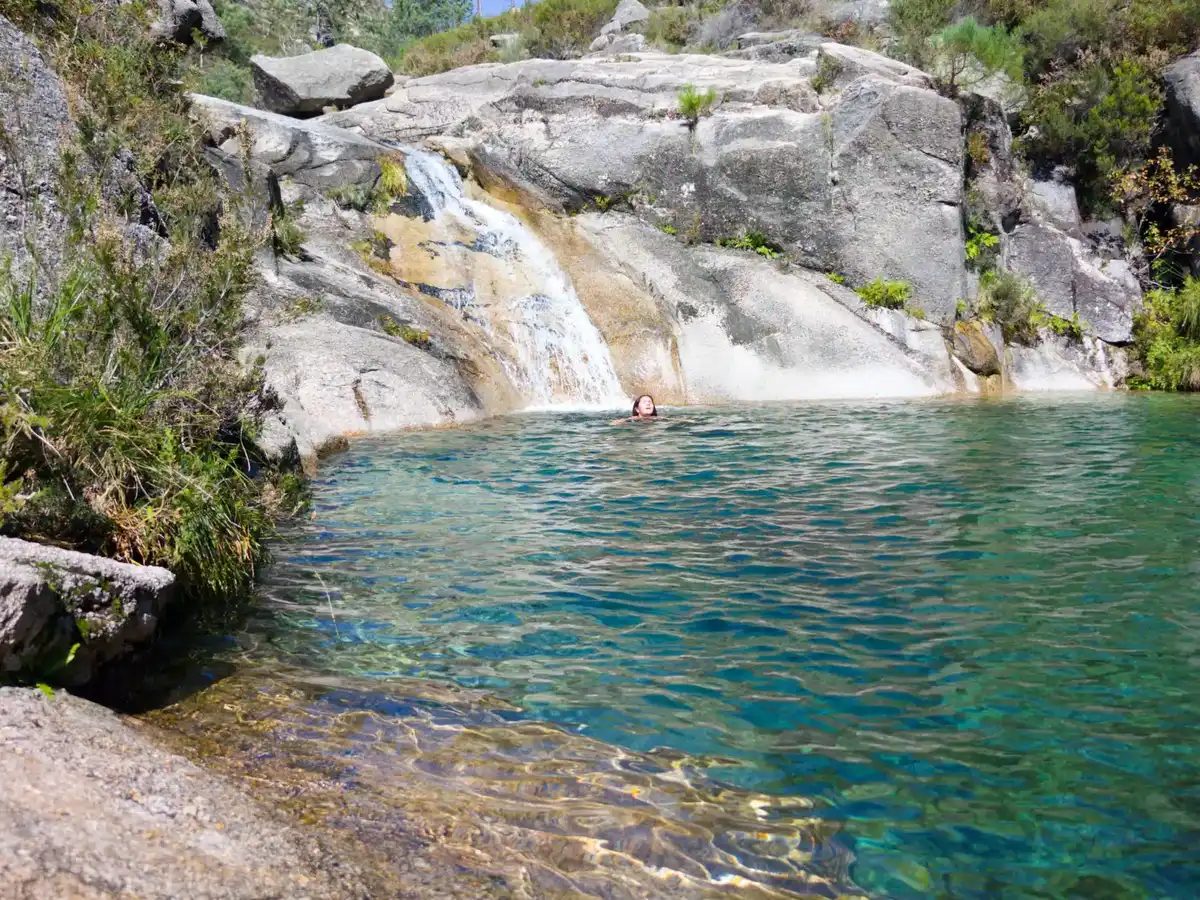
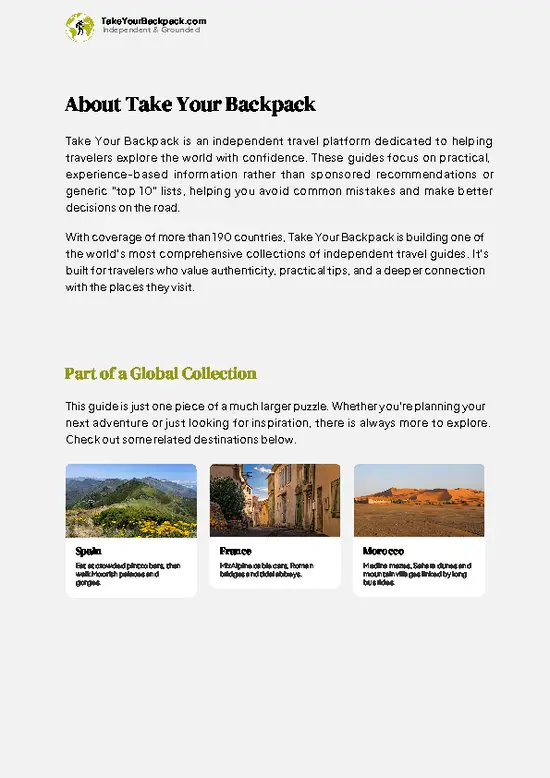
granite mountains of the north or the central highlands, where waterfalls, ridge walks and stone villages give you real distance. If you want sea air and short, easy stages, pick the
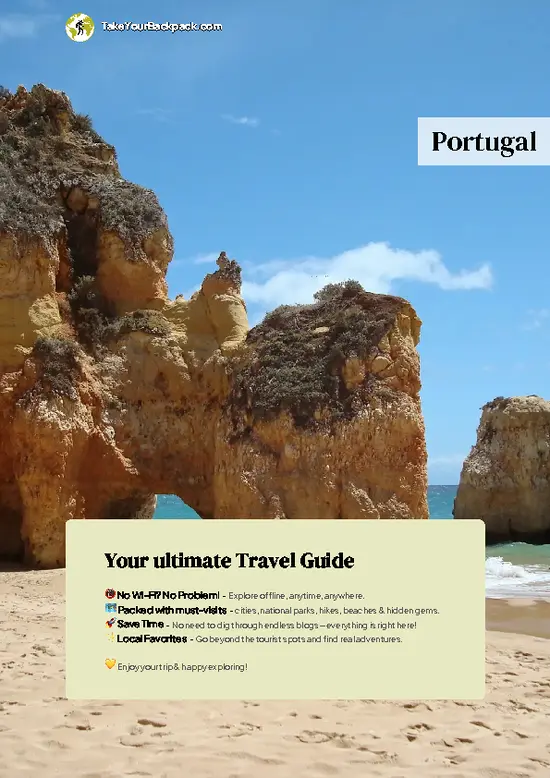
southwest coast, where cliff paths run between fishing villages and guesthouses are easy to find. If you prefer wildlife and quiet, choose …
read more 👉 How many to visit: I advise
two or three protected areas on a trip of two weeks or less. Portugal’s landscapes are close together on a map, but the roads inside them are slow, and each one takes at least two days to feel properly. Four or more turns the trip into a rotation of car parks. One mountain region, one coastal or southern area and, if time allows, one interior landscape give you contrast without the fatigue.
Which kind suits you: If you like long days on foot, pick the
granite mountains of the north or the central highlands, where waterfalls, ridge walks and stone villages give you real distance. If you want sea air and short, easy stages, pick the
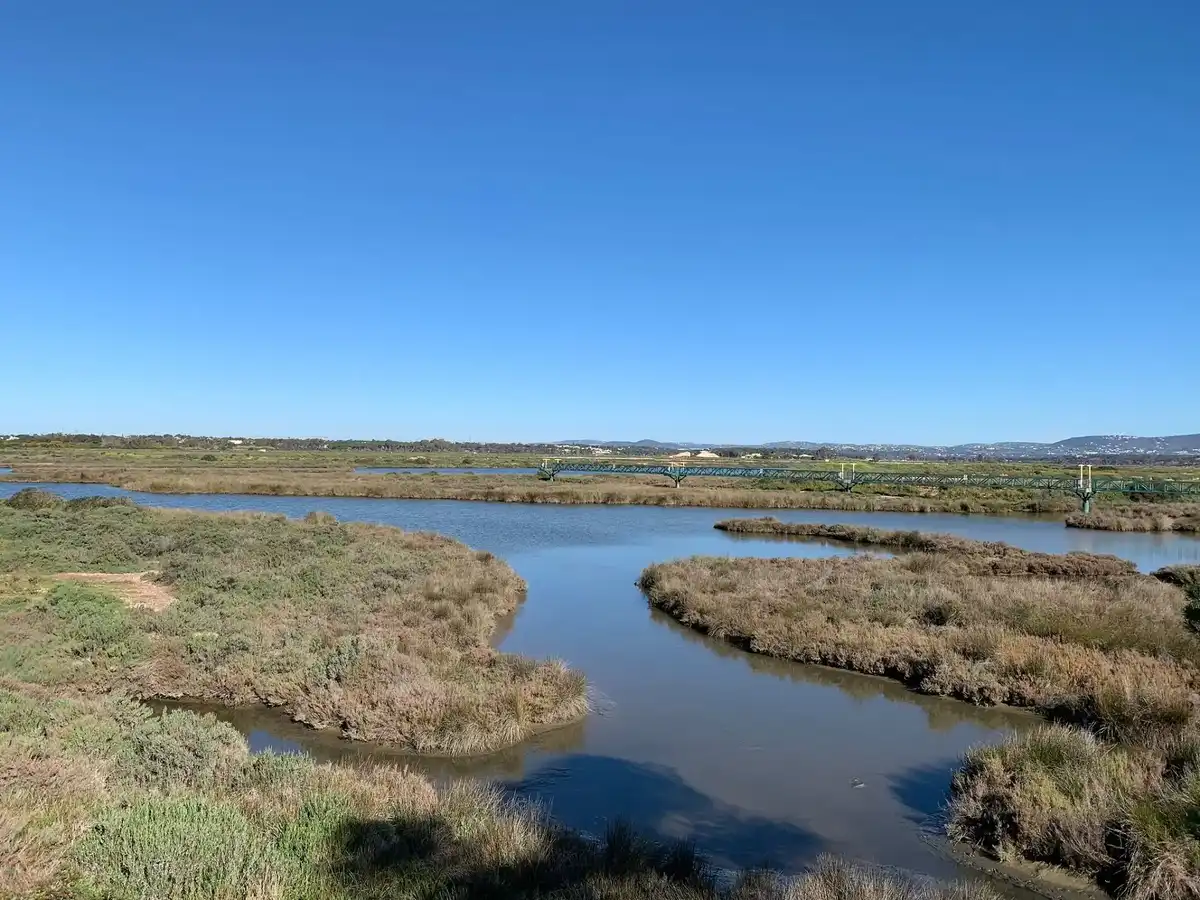
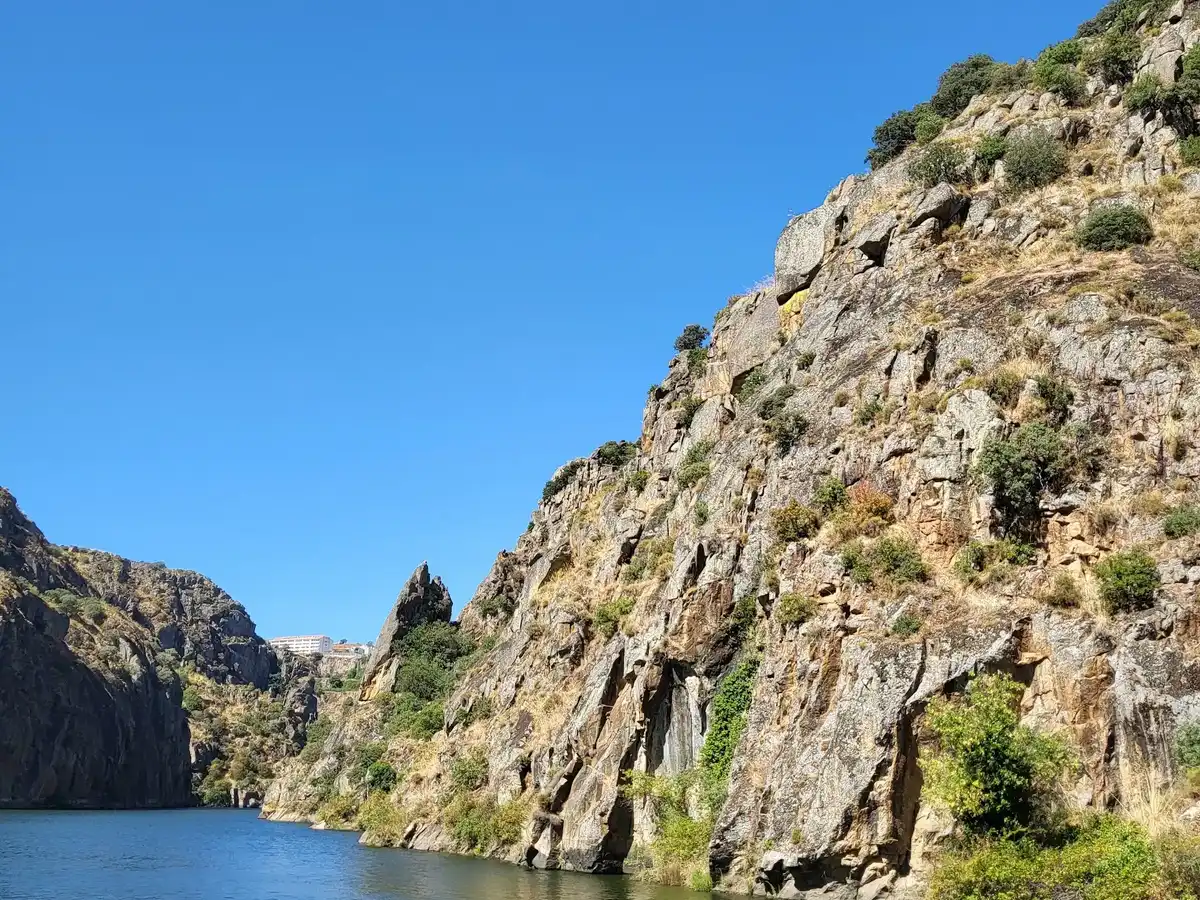
southwest coast, where cliff paths run between fishing villages and guesthouses are easy to find. If you prefer wildlife and quiet, choose the dry interior and the river gorges. Those who want volcanic scenery should go to the
islands, which need extra flights and a bigger budget.
What it costs: Entry to most parks is
free. A realistic backpacker budget is
€45 to 75 a day: a dorm bed or campsite at €10 to 35, meals at €12 to 25 (a prato do dia lunch runs €8 to 12), and local transport. Add a rental car at €25 to 50 a day plus fuel, or €10 to 25 for buses and trains. Guided activities such as canyoning, boat trips or wildlife walks usually cost €30 to 70 a person. A two-day visit to a single park typically comes to €100 to 180 in all, with a car and one guide.
Safety and local etiquette: The biggest risk is
wildfire from July to September. Check local fire-risk alerts before you set out, never light a flame outside designated areas and expect closures. Wild camping is generally banned in protected areas, and fines are real, so use a campsite or a village guesthouse. In the north, mist and wet granite make river rocks slippery, and you should carry a waterproof layer even in June. Cliff edges on the coast are unfenced and crumble, so stay back from them in wind. The emergency number is
112, but mobile signal is patchy in the valleys, so download offline maps and tell your host your route.
Local customs: Many trails cross
farmland and pasture. Close gates, give cattle and shepherd’s dogs a wide berth and keep your own dog on a leash. A “bom dia” to anyone you pass is expected and often brings advice about the route. Lunch is the main meal, kitchens close mid-afternoon in small villages, and carrying a snack saves you from a hungry stretch on the trail.





 Best Backpacking
 Hi, I’m Johan (Netherlands 🇳🇱), the creator of TakeYourBackpack. Over the past 3 decades, I’ve backpacked through 90+ countries across six continents, gaining extensive experience with independent travel, long-term trips, and overland routes.