
×

Puerto Rico🇵🇷 | regionsIsla de ViequesBioluminescent bay, wild horses, wildlife refuge, Esperanza malecon | things to do and best time to go

Explore Culebra IslandExplore Rincón

Backpacking in Isla de Vieques
🏆 Top pickregion ranked #1
By Johan Kruseman 🇳🇱 | Updated October 22, 2026

Getting to Isla de Vieques comes down to the ferry from Ceiba or a small plane, and for most backpackers the ferry wins: it costs a fraction of the flight and gives you a deck seat with a breeze, though you queue early, tickets can sell out on weekends, and the schedule rules your day. The plane saves hours and is worth it only if you’re short on time or hauling heavy gear. The island sits just off the east coast of Puerto Rico, a green, dry, mostly quiet place where wild horses wander off the road and a lot of the land is protected wildlife refuge. Beaches are the draw, along with the glowing bay. The downside is thin public transit and a handful of pricey stays. Step off the boat, grab a jeep or golf cart before the others do, then spend the first afternoon on Sun Bay and dinner in Esperanza.

Discover everything you want to know in the 📖 Puerto Rico Travel Guide.


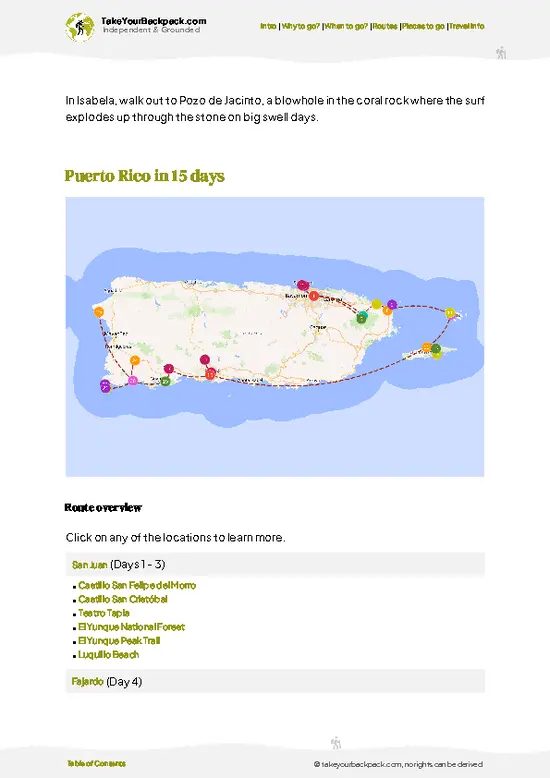
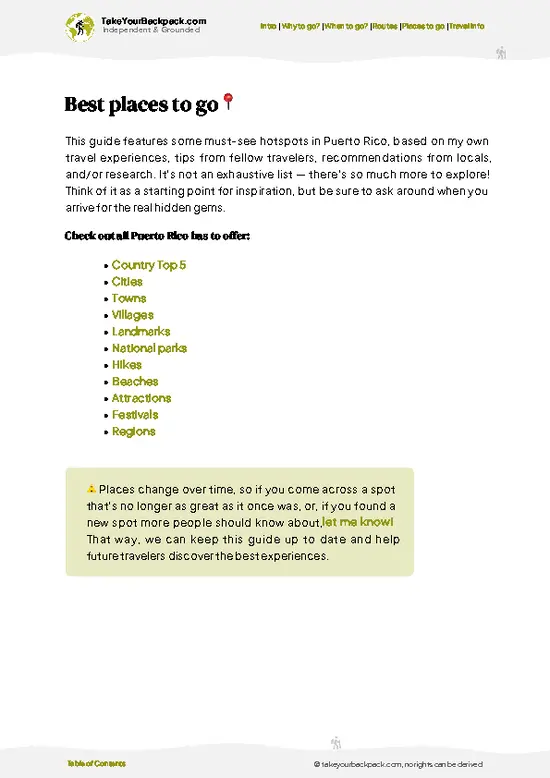
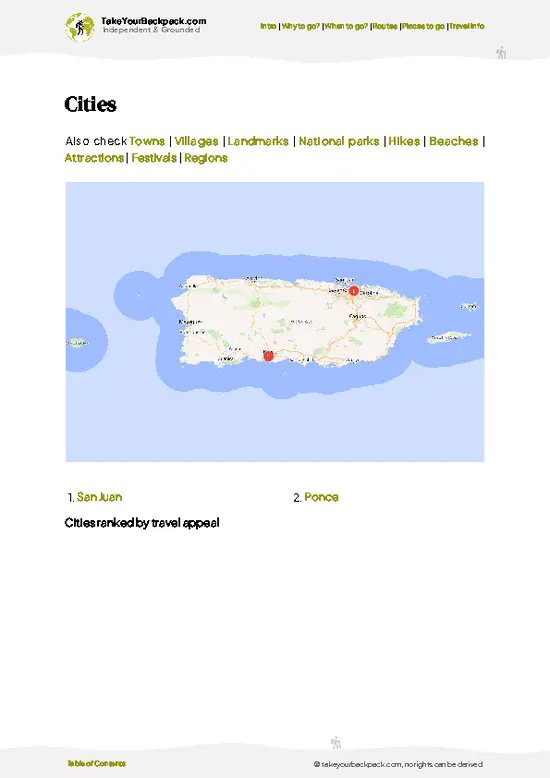
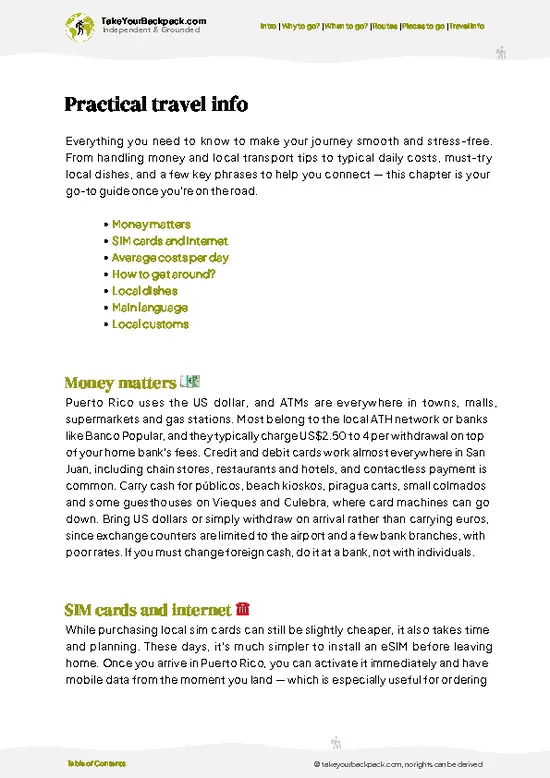
example page 0 from our offline Travel Guide for Puerto Rico
example page 1 from our offline Travel Guide for Puerto Rico
example page 2 from our offline Travel Guide for Puerto Rico
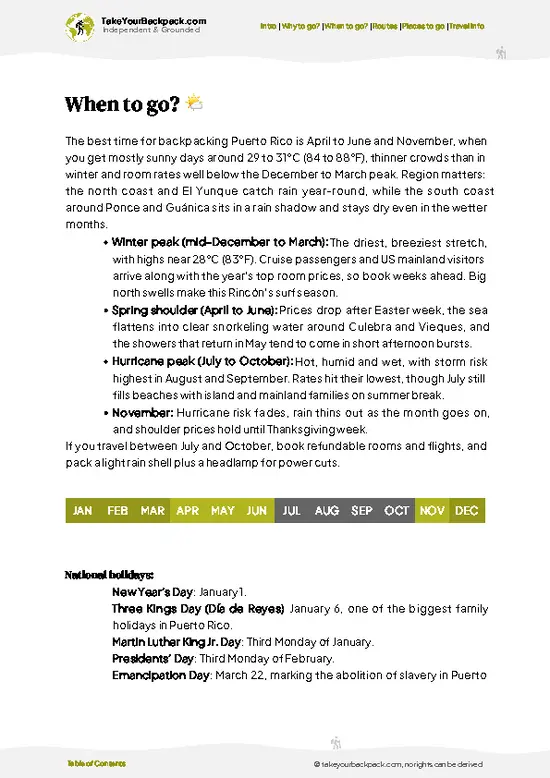
example page 3 from our offline Travel Guide for Puerto Rico
example page 4 from our offline Travel Guide for Puerto Rico
example page 5 from our offline Travel Guide for Puerto Rico
example page 6 from our offline Travel Guide for Puerto Rico
example page 7 from our offline Travel Guide for Puerto Rico
Loading the map 🌍
CLICK TO FILTER
cities
towns
villages
landmarks
national parks
hikes
beaches
attractions
festivals
regions
SHOW COUNTRY’S BESTSHOW ALL

✨ Why go?
Ranked #1 region in Puerto Rico
Why Isla de Vieques should be on your travel list

Isla de Vieques gives you wide, empty beaches and a night sky that most of mainland Puerto Rico can’t match, all on an island you can cover without constantly repacking. About half of the land is the Vieques National Wildlife Refuge, former Navy territory that stayed undeveloped, so the south coast beaches have no hotels, no vendors and almost no one else on a weekday. You sleep in one place and still reach several completely different coves by vehicle in a morning.
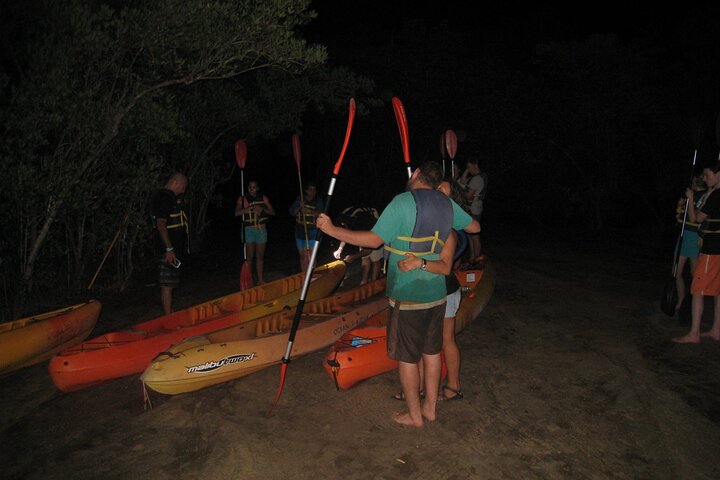
The second reason is the water after dark. Mosquito Bay glows blue when you paddle through it, and the tiny organisms responsible make it one of the brightest bioluminescent bays on earth. Few places let you pair a sunburnt beach day with that kind of night for the price of a tour.
The third is pace. Life centers on the Esperanza … read more 👉
Isla de Vieques gives you wide, empty beaches and a night sky that most of mainland Puerto Rico can’t match, all on an island you can cover without constantly repacking. About half of the land is the Vieques National Wildlife Refuge, former Navy territory that stayed undeveloped, so the south coast beaches have no hotels, no vendors and almost no one else on a weekday. You sleep in one place and still reach several completely different coves by vehicle in a morning.
The second reason is the water after dark. Mosquito Bay glows blue when you paddle through it, and the tiny organisms responsible make it one of the brightest bioluminescent bays on earth. Few places let you pair a sunburnt beach day with that kind of night for the price of a tour.
The third is pace. Life centers on the Esperanza malecón, where open-air bars, guesthouses and fishing boats sit within a short walk of each other. Nothing is rushed, nobody expects an itinerary, and a slow day of snorkeling, horses and a cold drink counts as a full plan.

💡 HighlightsTop highlights of Isla de Vieques

  1. Mosquito Bay (Puerto Mosquito): The reason most people cross the water. Kayak or electric boat tours drift you through a lagoon where every paddle stroke lights up blue-green, best on a moonless night.
  2. Sun Bay (Playa Sun Bay): A long, crescent beach with shade from palm trees, calm water and picnic tables. Wild horses graze along the edge, and it’s the easiest first stop.
  3. Playa Caracas (Red Beach): A sheltered cove with clear water and easy snorkeling, backed by a short track through refuge scrub. It stays quiet on weekdays.
  4. Blue Beach (Playa La Chiva): A wide, soft-sand stretch with a reef offshore. Bring your own water and lunch, because there is no shop nearby.
  5. Esperanza Malecón: The waterfront strip on the south coast where guesthouses, bars and small restaurants line the street facing the
… read more 👉
  1. Mosquito Bay (Puerto Mosquito): The reason most people cross the water. Kayak or electric boat tours drift you through a lagoon where every paddle stroke lights up blue-green, best on a moonless night.
  2. Sun Bay (Playa Sun Bay): A long, crescent beach with shade from palm trees, calm water and picnic tables. Wild horses graze along the edge, and it’s the easiest first stop.
  3. Playa Caracas (Red Beach): A sheltered cove with clear water and easy snorkeling, backed by a short track through refuge scrub. It stays quiet on weekdays.
  4. Blue Beach (Playa La Chiva): A wide, soft-sand stretch with a reef offshore. Bring your own water and lunch, because there is no shop nearby.
  5. Esperanza Malecón: The waterfront strip on the south coast where guesthouses, bars and small restaurants line the street facing the bay. Come at dusk for the pelicans and the easy crowd.
  6. Fortín Conde de Mirasol: A Spanish fort from the nineteenth century in Isabel Segunda, now a museum on local history, with hilltop views of the north coast and the mainland.
  7. Playa Navío: A lesser-known crescent bay on the south side, framed by cliffs and good for bodysurfing when the swell is gentle. Locals come on weekends but it never feels packed.
  8. Playa Negra: A dark, volcanic-looking sand beach reached by a rough dirt road and a short walk. The hike keeps most visitors away, and the contrast of black sand and green water is worth the effort.
  9. Punta Mulas Lighthouse: A small lighthouse at the edge of Isabel Segunda, rarely on tour itineraries, with a breezy view over the harbor where the ferry arrives.
  10. Puerto Ferro Lighthouse Ruins: The crumbling remains of a lighthouse on the south coast, reached by a dirt track through refuge land. Few people bother, so you often have the shore to yourself.
Isla de Vieques requires booking ahead for the Mosquito Bay tours, which sell out around new moon dates, and the ferry also fills quickly on weekends.
Spotted a mistake or missing something? Contact us.
Things to do around Isla de Vieques

Ratings based on Tripadvisor reviews. When you book through this link, you support our work at no extra cost to you.

⌛️ 5 daysA smart one-week plan

Days here move to the rhythm of the sun and the vehicle you rent: mornings by jeep or golf cart on dirt roads, a long shade break through the midday heat, then dusk on foot along the water. There is no reliable bus network, so your wheels, and the ferry timetable, set the pace.
Day 1: Isabel Segunda: Arrive by ferry and pick up your vehicle straight away, since rentals run out by midday. Climb to the fort for the view, then drive to Esperanza and settle in. The point of starting north is to get the logistics out of the way while you’re fresh.
Day 2-3: Esperanza and the south coast: Use Esperanza as your base and work the beaches in order: Sun Bay on the first morning, Caracas and Blue Beach the next. Go early, because shade is scarce and the reef is clearest before the wind picks up. Take a … read more 👉
Days here move to the rhythm of the sun and the vehicle you rent: mornings by jeep or golf cart on dirt roads, a long shade break through the midday heat, then dusk on foot along the water. There is no reliable bus network, so your wheels, and the ferry timetable, set the pace.
Day 1: Isabel Segunda: Arrive by ferry and pick up your vehicle straight away, since rentals run out by midday. Climb to the fort for the view, then drive to Esperanza and settle in. The point of starting north is to get the logistics out of the way while you’re fresh.
Day 2-3: Esperanza and the south coast: Use Esperanza as your base and work the beaches in order: Sun Bay on the first morning, Caracas and Blue Beach the next. Go early, because shade is scarce and the reef is clearest before the wind picks up. Take a long lunch back in town and save the malecón for evening. Book the bay tour for one of these nights so the lagoon gets a full dark sky.
Day 4: Playa Negra detour: Spend this day on the rougher side. Drive the dirt road to Playa Negra, then continue toward the Puerto Ferro ruins. It adds a lot because few people go, and it costs only a morning of slow driving, never a change of base.
Day 5: Back toward the ferry: Leave plenty of margin, return the vehicle and take an early boat. If the trip needs one day to justify itself, make it the night in Mosquito Bay, when the water lights up around your paddle and the island finally makes sense.

🌤️ When to go?When to go for the best experience

Mid-December through April is the driest, calmest stretch on Vieques, with highs of 28 to 30°C (82 to 86°F) and lows of 21 to 23°C (70 to 73°F).
  • Winter and Early Spring (December to April): Trade winds keep the air comfortable and the sea calm for kayaking and snorkeling. Daylight lasts about 11 to 12 hours. Crowds and rates peak around Christmas, New Year and Easter week, and weekends fill with day-trippers from the main island.
  • Summer (May to August): Highs reach 31 to 33°C (88 to 91°F) with strong sun and some afternoon showers. Days stretch to nearly 13 hours of light. Lodging prices ease and beaches empty out midweek, though Puerto Rican school holidays bring local crowds in July.
  • Hurricane Season (September to November): Heat and humidity linger at 30 to 32°C (86 to 90°F), and rain is heaviest.
… read more 👉
Mid-December through April is the driest, calmest stretch on Vieques, with highs of 28 to 30°C (82 to 86°F) and lows of 21 to 23°C (70 to 73°F).
  • Winter and Early Spring (December to April): Trade winds keep the air comfortable and the sea calm for kayaking and snorkeling. Daylight lasts about 11 to 12 hours. Crowds and rates peak around Christmas, New Year and Easter week, and weekends fill with day-trippers from the main island.
  • Summer (May to August): Highs reach 31 to 33°C (88 to 91°F) with strong sun and some afternoon showers. Days stretch to nearly 13 hours of light. Lodging prices ease and beaches empty out midweek, though Puerto Rican school holidays bring local crowds in July.
  • Hurricane Season (September to November): Heat and humidity linger at 30 to 32°C (86 to 90°F), and rain is heaviest. Some small restaurants and guesthouses close for a few weeks, but rates drop sharply and the bioluminescent bay is often at its best on dark, calm nights.
Book around the new moon, since the bioluminescent bay glows brightest when the sky is darkest.


source: climatestotravel.comJANJanuary: excellent for travelingFEBFebruary: excellent for travelingMARMarch: excellent for travelingAPRApril: highly recommended for travelingMAYMay: fair for travelingJUNJune: fair for travelingJULJuly: fair for travelingAUGAugust: fair for travelingSEPSeptember: fair for travelingOCTOctober: fair for travelingNOVNovember: fair for travelingDECDecember: highly recommended for traveling
puerto-rico-region-isla-de-vieques
© Google | Cris Rivera

✈️ The backpacker research shortcutPuerto Rico Travel Guide

An offline-friendly backpacking guide with optimized travel routes, ranked highlights, transport advice, and the best areas to stay.
example page 0 from our offline Travel Guide for Puerto Rico
example page 1 from our offline Travel Guide for Puerto Rico
example page 2 from our offline Travel Guide for Puerto Rico
example page 3 from our offline Travel Guide for Puerto Rico
example page 4 from our offline Travel Guide for Puerto Rico
example page 5 from our offline Travel Guide for Puerto Rico
example page 6 from our offline Travel Guide for Puerto Rico
example page 7 from our offline Travel Guide for Puerto Rico
The digital guide (310 pages) contains:
✅ 81 highlights, ranked by travel appeal
✅ Optimized 5, 10 & 15-day travel routes
✅ Cities, national parks, landmarks, beaches
✅ How to get around
✅ Offline-friendly for travel without Wi-Fi
👉 Click to see all 30+ guide features

📅 Plan smarter in minutes, not weeks
✅ Month by month travel advice
✅ Festivals & national holidays
✅ Budget expectations

🗺️ Go to the right places, skip the overrated ones
✅ Honest pros & cons of destinations
✅ Top hikes, parks & viewpoints
✅ Lesser-known places most travelers miss
✅ Clear “worth it vs skip it” guidance

🛏️ Travel smoothly without rookie mistakes
✅ Best areas to stay
✅ Transport systems explained simply
✅ Common scams & safety advice
✅ SIM cards, money & practical tips

🌍 Understand the country, not just visit it
✅ Culture & traditions
✅ 52 Essential phrases & customs
✅ Festivals worth planning around
✅ Traveler-friendly historical context
✅ Insights that make places more meaningful

📱 Built for real travel conditions
✅ Fully downloadable PDF
✅ Works completely offline
✅ Optimized for phone use
✅ Useful in remote areas & buses
✅ Everything in one place
Stop searching, start planning
Get instant access to your full guide. 30‑day money-back guarantee.
+ Add another guide for just

By proceeding you agree to our terms.
Sent to your inbox immediately after payment • 100% Secure Checkout
Best Backpacking Travel Advisor 2025 tourism awardBest Backpacking
Travel Advisor
2025
What others say about Take Your Backpack Guides:
⭐⭐⭐⭐⭐
Fantastic, amazing amount of information!
⭐⭐⭐⭐⭐
My goodness this is amazing, it's what I've been looking for hats off too you!
⭐⭐⭐⭐⭐
I think this is absolutely BRILLIANT
⭐⭐⭐⭐
Very complete and informative. It's still missing places, but I gotta to commend you
⭐⭐⭐⭐⭐
This is truly amazing, thank you, can't wait to explore it with my kids!
⭐⭐⭐⭐⭐
Awesome resource, thank you!
⭐⭐⭐⭐⭐
This is amazing! Can't wait to explore the ones I haven't seen
⭐⭐⭐⭐
I love this! Well done, great idea.
⭐⭐⭐⭐⭐
Thanks for taking the time to make this gem!
⭐⭐⭐⭐⭐
This might be the best website I've ever seen.
⭐⭐⭐⭐⭐
Congratulations, and thank you so much for your work; it's incredibly valuable.
⭐⭐⭐⭐
In all seriousness I think you did a great job pointing out the important spots
⭐⭐⭐⭐⭐
10/10 very good
⭐⭐⭐⭐⭐
As someone who's only just starting to visit regularly this is awesome, thank you.
⭐⭐⭐⭐
Thank you very much! I'm going to visit my dad, it's going to be very useful!
⭐⭐⭐⭐⭐
This is really cool! We'll be travelling for the first time and this definitely come in handy.
⭐⭐⭐⭐⭐
You are now our minister of culture, congratulations 👨‍💼
⭐⭐⭐⭐⭐
Just wanted to tell you that this is a pearl! Going to follow your recommendations.
⭐⭐⭐⭐⭐
This is so cool. I'll definitely be using the resource for my travels soon.
⭐⭐⭐⭐⭐
This is very impressive! Good work.
⭐⭐⭐⭐⭐
This is an amazing and informative site. Very well done!

🛏️ Where to stay?Best areas to stay in Puerto Rico

Esperanza is the best base for most backpackers on Isla de Vieques, with a walkable waterfront strip of guesthouses, small bars and dive shops facing the Caribbean. Rooms and dorm beds generally run US$40 to 120 a night, and prices climb in winter. It is easy to meet other travelers on the malecón at sunset, and the main beaches, kayak tours and snorkel trips start within a short walk or ride. Streets are quiet and feel safe after dark, though you should still keep valuables out of sight.

Isabel Segunda, on the north coast, is the working town and ferry port. It has the supermarkets, pharmacies, … read more 👉
Esperanza is the best base for most backpackers on Isla de Vieques, with a walkable waterfront strip of guesthouses, small bars and dive shops facing the Caribbean. Rooms and dorm beds generally run US$40 to 120 a night, and prices climb in winter. It is easy to meet other travelers on the malecón at sunset, and the main beaches, kayak tours and snorkel trips start within a short walk or ride. Streets are quiet and feel safe after dark, though you should still keep valuables out of sight.

Isabel Segunda, on the north coast, is the working town and ferry port. It has the supermarkets, pharmacies, ATMs and everyday local restaurants, and rooms are usually a bit cheaper, around US$60 to 100. It is far less social, with a calmer, local feel, so it suits people who want to save money and do not need nightlife. It also helps if you have an early ferry or flight.

A few rural lodgings sit along the roads between the two towns and close to the southern beaches. They offer quiet and starry skies, but without a rental vehicle you will depend on rides or taxis, which makes them hard to recommend for solo travelers on a tight budget. Stay in Esperanza for most of your trip and spend a night in Isabel Segunda only for transport reasons.

🚌 Getting aroundMoving around without the hassle

Showing up at the ferry terminal in Ceiba without a ticket plan is the move that costs people the most, because the passenger ferry is cheap but sells out on weekends and holidays, and missing it can strand you for half a day. Once you are on Vieques, a few relaxed options cover the island, though none run on a tight schedule, so build in slack. Most backpackers combine walking in Esperanza with a rented ride for the far beaches.
  • Passenger ferry from Ceiba: The crossing takes about 30 to 45 minutes and costs about US$2 each way, which is the best value on the whole trip. Buy tickets at the terminal as early as you can, ideally the day before, and take the first morning boat to keep your beach day intact. It is basic and can be crowded, but nothing else comes close on price.
  • Small plane from
… read more 👉
Showing up at the ferry terminal in Ceiba without a ticket plan is the move that costs people the most, because the passenger ferry is cheap but sells out on weekends and holidays, and missing it can strand you for half a day. Once you are on Vieques, a few relaxed options cover the island, though none run on a tight schedule, so build in slack. Most backpackers combine walking in Esperanza with a rented ride for the far beaches.
  • Passenger ferry from Ceiba: The crossing takes about 30 to 45 minutes and costs about US$2 each way, which is the best value on the whole trip. Buy tickets at the terminal as early as you can, ideally the day before, and take the first morning boat to keep your beach day intact. It is basic and can be crowded, but nothing else comes close on price.
  • Small plane from San Juan or Ceiba: Flights take about 15 to 25 minutes and run around US$80 to 150 one way. You save hours and skip the ferry lines, so it only makes sense if you are short on time or arriving late. Otherwise the ferry gives you far more for your money.
  • Público vans: Shared vans link Isabel Segunda, Esperanza and some beaches for about US$1 to 5. They are cheap and a good way to chat with locals, but they run irregularly, so ask your lodging about the day’s timing rather than counting on a schedule.
  • Rental jeep or golf cart: A jeep costs about US$80 to 130 a day and reaches the rough dirt roads to Playa Negra and the wildlife refuge beaches. Splitting one among three or four people makes it the best use of money for a day or two. Reserve weeks ahead in winter, because the fleet is small and sells out.
  • Bicycle: Rentals run about US$20 to 35 a day. The island is hilly and hot, so pedaling suits short hops between Esperanza and nearby beaches, not cross-island trips.
My advice is to rent wheels for just one day, spend it hitting the refuge beaches and the far side, and walk or catch rides the rest of the time. Fill your tank in Isabel Segunda when you pass through, since fuel options are limited.

🍲 FoodLocal Cuisine & Drinks

Eating on Vieques is a mix of Puerto Rican comfort food and island seafood, and the best meals are loud, salty and often eaten with sand still on your feet. Look for mofongo, mashed fried plantain packed with garlic and pork cracklings, often topped with shrimp or conch. Pinchos, smoky grilled skewers brushed with sweet barbecue sauce, come off roadside grills, while alcapurrias and bacalaítos, crisp fritters of green banana and salt cod, turn up at small kiosks and bakeries. Fresh red snapper and lobster arrive whole, fried with tostones. Wash it down with an ice-cold Medalla beer, a rum drink made with local coconut, or a piña colada, which was invented on the main island.

For budget meals, the open-air eateries and food trucks in Isabel Segunda and along the Esperanza waterfront serve … read more 👉
Eating on Vieques is a mix of Puerto Rican comfort food and island seafood, and the best meals are loud, salty and often eaten with sand still on your feet. Look for mofongo, mashed fried plantain packed with garlic and pork cracklings, often topped with shrimp or conch. Pinchos, smoky grilled skewers brushed with sweet barbecue sauce, come off roadside grills, while alcapurrias and bacalaítos, crisp fritters of green banana and salt cod, turn up at small kiosks and bakeries. Fresh red snapper and lobster arrive whole, fried with tostones. Wash it down with an ice-cold Medalla beer, a rum drink made with local coconut, or a piña colada, which was invented on the main island.

For budget meals, the open-air eateries and food trucks in Isabel Segunda and along the Esperanza waterfront serve plates for roughly US$8 to 18. Morning cafés and bakeries sell strong café con leche and sandwiches pressed on sweet bread, a cheap start before a beach day. Supermarkets in Isabel Segunda help self-caterers, since grocery prices are higher than on the main island.

A friendly buenos días goes a long way when you walk into a place. Service moves at island pace, so relax. Many small kitchens close early or on Mondays and Tuesdays, so check hours before you commit. Tipping about 15 to 20 percent is standard.

FAQFrequently asked questions about Isla de Vieques

Three to four days gives you enough time for the main sights on Isla de Vieques. That covers a night kayak trip in the bioluminescent bay (about US$50 to 65), a day at the refuge beaches such as Playa Negra and Playa Caracas, and time to snorkel off Esperanza. Add a fifth day if you want to hike, dive or simply slow down, and plan an extra half day for the ferry from Ceiba.
You can manage Isla de Vieques without a car by using the passenger ferry from Ceiba (about 30 to 45 minutes, about US$2), then walking around Esperanza and using shared público vans (roughly US$1 to 5) and taxis for longer hops. Bikes rent for about US$20 to 35 a day for nearby beaches. Renting a jeep for one day, around US$80 to 130, is the best way to reach the remote beaches, and you can split the cost with other travelers.
Isla de Vieques is known for Mosquito Bay, one of the brightest bioluminescent bays in the world, where tiny organisms light up the water when you paddle. It also holds the Vieques National Wildlife Refuge, which covers a large part of the island and contains quiet, undeveloped beaches such as Playa Caracas and Playa Negra. The island once hosted a US Navy training range, and today wild horses wander freely along its roads and beaches.
⚠️ Things can change over time, so always validate details locally before you go.

Expanding your trip beyond this stop

Isla de Vieques isn’t the only highlight in Puerto Rico. Explore all what Puerto Rico has to offer.
Country photo of Puerto Rico

We 💚 feedbackParting advice and final tips

Isla de Vieques trips go wrong when people stay only one night and arrive without a vehicle booked, then spend the day waiting on rides. I’d give it at least two nights and reserve a jeep or golf cart before you cross. Reserve the bay tour for a dark, moonless evening, and bring bug spray and a refillable bottle for the beaches.

✍️ Help improve this page!
The information on this page is based on in-depth research, insights shared by experienced travelers, and feedback from the local travel community in Puerto Rico. While every effort is made to keep the information accurate and current, conditions can change — so if you spot anything incorrect or outdated, please get in touch.


🙋‍♂️ Give feedback

👋 Meet the founderWho’s Behind Take Your Backpack?

Johan, backpacker and founder of TakeYourBackpackHi, I’m Johan (Netherlands 🇳🇱), the creator of TakeYourBackpack. Over the past 3 decades, I’ve backpacked through 90+ countries across six continents, gaining extensive experience with independent travel, long-term trips, and overland routes.

This site is built on a combination of firsthand travel experience and carefully curated insights from other backpackers. Many guides are based on places I’ve personally visited, while others bring together tips, observations, and practical advice shared by trusted travelers I’ve met along the way.

The goal is to provide realistic, experience-driven guidance — not generic itineraries — so you can explore destinations with better context, clearer expectations, and more confidence.