
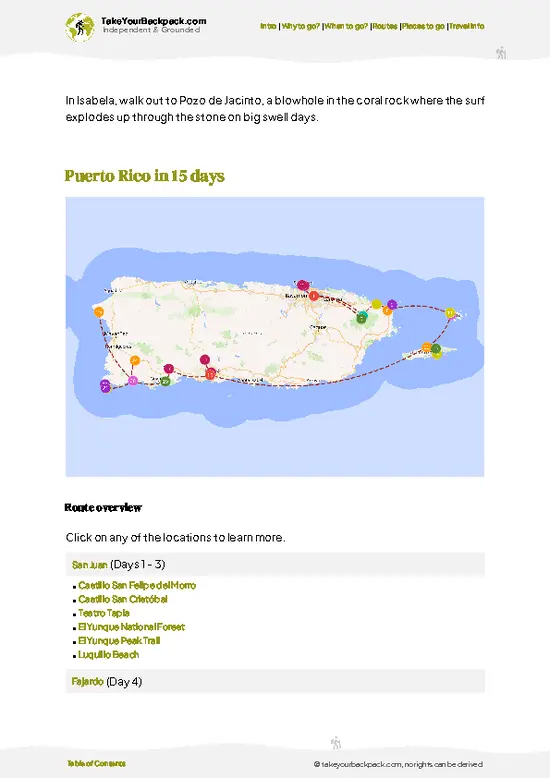
1. The Grand Hall’s Rotunda Murals
Skip the Instagram selfie and actually look up. The rotunda’s murals are a punch in the face—politically charged, locally rooted, and impossible to ignore. These aren’t polite, background decorations; they’re a full-throttle visual debate about Puerto Rican identity, colonialism, and resilience. You’ll see work by Rafael Trelles and other heavyweights, and if you stand there long enough, you’ll catch locals arguing about the symbolism. That’s the real show.
2. The Sculpture Garden
You’ll hear “oasis in the city” tossed around, but here it’s not just marketing fluff. The garden is a living, breathing extension of the museum’s mission—contemporary art tangled with tropical flora, iguanas sunning themselves on abstract forms, and the occasional neighborhood kid … read more 👉
Skip the Instagram selfie and actually look up. The rotunda’s murals are a punch in the face—politically charged, locally rooted, and impossible to ignore. These aren’t polite, background decorations; they’re a full-throttle visual debate about Puerto Rican identity, colonialism, and resilience. You’ll see work by Rafael Trelles and other heavyweights, and if you stand there long enough, you’ll catch locals arguing about the symbolism. That’s the real show.
2. The Sculpture Garden
You’ll hear “oasis in the city” tossed around, but here it’s not just marketing fluff. The garden is a living, breathing extension of the museum’s mission—contemporary art tangled with tropical flora, iguanas sunning themselves on abstract forms, and the occasional neighborhood kid … read more 👉
1. The Grand Hall’s Rotunda Murals
Skip the Instagram selfie and actually look up. The rotunda’s murals are a punch in the face—politically charged, locally rooted, and impossible to ignore. These aren’t polite, background decorations; they’re a full-throttle visual debate about Puerto Rican identity, colonialism, and resilience. You’ll see work by Rafael Trelles and other heavyweights, and if you stand there long enough, you’ll catch locals arguing about the symbolism. That’s the real show.
2. The Sculpture Garden
You’ll hear “oasis in the city” tossed around, but here it’s not just marketing fluff. The garden is a living, breathing extension of the museum’s mission—contemporary art tangled with tropical flora, iguanas sunning themselves on abstract forms, and the occasional neighborhood kid darting through. It’s where art and daily life collide, and you can actually breathe. Bring a snack, sit on a bench, and watch the city’s pulse slow down for a minute.
3. The Permanent Collection: Puerto Rican Voices
This is where the museum flexes its muscle. The permanent collection isn’t a tired parade of “greatest hits”—it’s a living archive of Puerto Rican contemporary art, from the 1950s to right now. You’ll see work by masters like Myrna Báez and Arnaldo Roche Rabell, but also pieces by artists who are still hustling in Santurce’s backstreets. The themes hit hard: migration, protest, joy, and the messiness of real life. If you want to understand Puerto Rico beyond the travel brochures, start here.
4. Interactive Installations
This isn’t a “look, don’t touch” kind of place. The museum regularly hosts installations that demand participation—think immersive soundscapes, rooms you physically move through, or pieces that only come alive when you interact. It’s not about being edgy for the sake of it; it’s about breaking the fourth wall between art and audience. Sometimes you’ll leave confused, sometimes exhilarated, but never bored.
5. The Building Itself: Santurce’s Old School Charm
The museum is housed in a repurposed public school from the 1920s, and the bones of the place matter. You’ll walk through wide hallways with creaky floors and sunlight pouring through oversized windows. The contrast between the building’s colonial-era gravitas and the art’s modern bite is electric. It’s a reminder that Puerto Rico’s story is always being rewritten—sometimes in spray paint, sometimes in oil, always with attitude.
Skip the Instagram selfie and actually look up. The rotunda’s murals are a punch in the face—politically charged, locally rooted, and impossible to ignore. These aren’t polite, background decorations; they’re a full-throttle visual debate about Puerto Rican identity, colonialism, and resilience. You’ll see work by Rafael Trelles and other heavyweights, and if you stand there long enough, you’ll catch locals arguing about the symbolism. That’s the real show.
2. The Sculpture Garden
You’ll hear “oasis in the city” tossed around, but here it’s not just marketing fluff. The garden is a living, breathing extension of the museum’s mission—contemporary art tangled with tropical flora, iguanas sunning themselves on abstract forms, and the occasional neighborhood kid darting through. It’s where art and daily life collide, and you can actually breathe. Bring a snack, sit on a bench, and watch the city’s pulse slow down for a minute.
3. The Permanent Collection: Puerto Rican Voices
This is where the museum flexes its muscle. The permanent collection isn’t a tired parade of “greatest hits”—it’s a living archive of Puerto Rican contemporary art, from the 1950s to right now. You’ll see work by masters like Myrna Báez and Arnaldo Roche Rabell, but also pieces by artists who are still hustling in Santurce’s backstreets. The themes hit hard: migration, protest, joy, and the messiness of real life. If you want to understand Puerto Rico beyond the travel brochures, start here.
4. Interactive Installations
This isn’t a “look, don’t touch” kind of place. The museum regularly hosts installations that demand participation—think immersive soundscapes, rooms you physically move through, or pieces that only come alive when you interact. It’s not about being edgy for the sake of it; it’s about breaking the fourth wall between art and audience. Sometimes you’ll leave confused, sometimes exhilarated, but never bored.
5. The Building Itself: Santurce’s Old School Charm
The museum is housed in a repurposed public school from the 1920s, and the bones of the place matter. You’ll walk through wide hallways with creaky floors and sunlight pouring through oversized windows. The contrast between the building’s colonial-era gravitas and the art’s modern bite is electric. It’s a reminder that Puerto Rico’s story is always being rewritten—sometimes in spray paint, sometimes in oil, always with attitude.
Spotted a mistake or missing something? Contact us.
v2.webp)


Best Backpacking
Hi, I’m Johan (Netherlands 🇳🇱), the creator of TakeYourBackpack. Over the past decade, I’ve backpacked through 80+ countries across six continents, gaining extensive experience with independent travel, long-term trips, and overland routes.