



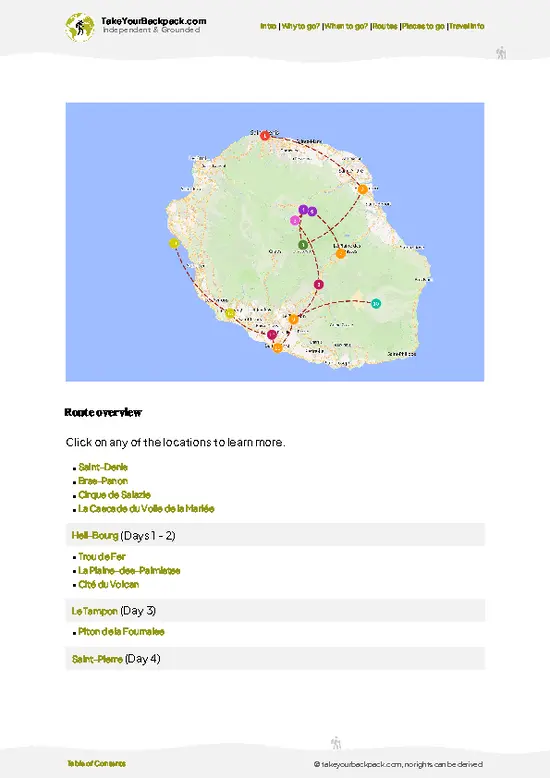

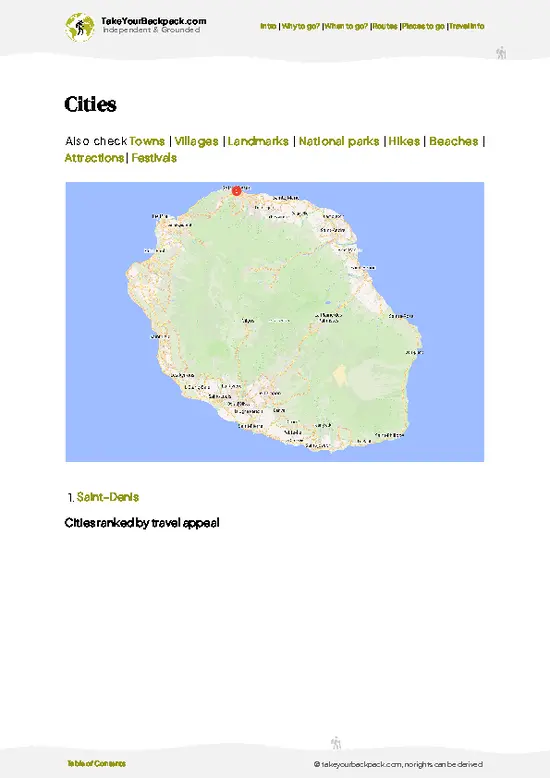

The Shark Tunnel
Let’s get real: you’re not coming to the Aquarium de La Réunion for a sleepy stroll past goldfish. The main event is the shark tunnel—a thick acrylic tube that drops you right into the drama of the Indian Ocean’s apex predators. Forget the Instagram illusion of empty corridors; there will be families, school groups, and the odd selfie stick. But the sharks don’t care. They glide overhead, close enough to count their scars. It’s a rare, visceral thrill—especially when a nurse shark’s belly slides inches from your face. No filter needed; this is the raw, pulse-quickening spectacle that makes the ticket price feel justified.
The Living Coral Reef Tank
Most aquariums phone it in with plastic coral and a few bored clownfish. Here, the reef tank is alive—literally. You’ll see coral … read more 👉
Let’s get real: you’re not coming to the Aquarium de La Réunion for a sleepy stroll past goldfish. The main event is the shark tunnel—a thick acrylic tube that drops you right into the drama of the Indian Ocean’s apex predators. Forget the Instagram illusion of empty corridors; there will be families, school groups, and the odd selfie stick. But the sharks don’t care. They glide overhead, close enough to count their scars. It’s a rare, visceral thrill—especially when a nurse shark’s belly slides inches from your face. No filter needed; this is the raw, pulse-quickening spectacle that makes the ticket price feel justified.
The Living Coral Reef Tank
Most aquariums phone it in with plastic coral and a few bored clownfish. Here, the reef tank is alive—literally. You’ll see coral … read more 👉
The Shark Tunnel
Let’s get real: you’re not coming to the Aquarium de La Réunion for a sleepy stroll past goldfish. The main event is the shark tunnel—a thick acrylic tube that drops you right into the drama of the Indian Ocean’s apex predators. Forget the Instagram illusion of empty corridors; there will be families, school groups, and the odd selfie stick. But the sharks don’t care. They glide overhead, close enough to count their scars. It’s a rare, visceral thrill—especially when a nurse shark’s belly slides inches from your face. No filter needed; this is the raw, pulse-quickening spectacle that makes the ticket price feel justified.
The Living Coral Reef Tank
Most aquariums phone it in with plastic coral and a few bored clownfish. Here, the reef tank is alive—literally. You’ll see coral colonies pulsing, anemones waving, and a riot of color from species that actually live off Réunion’s coast. It’s not just pretty; it’s a crash course in why this island matters to marine science. Stand still and watch the micro-dramas: a cleaner wrasse darting into a grouper’s mouth, a moray eel peeking from a crevice. This is the closest you’ll get to snorkeling the real reef without getting wet—or worrying about stepping on a sea urchin.
Indian Ocean Endemics
Skip the generic “tropical fish” tanks. The real magic is in the displays dedicated to species found only in the southwest Indian Ocean. Think electric-blue surgeonfish, bizarre lionfish, and the kind of creatures you’d never spot unless you had a PhD or gills. The signage is refreshingly blunt about conservation threats, and you’ll leave with a sense of just how rare and fragile these ecosystems are. It’s not a guilt trip; it’s a wake-up call, delivered with the authority of people who actually live on the front lines of ocean change.
Behind-the-Scenes Tours
If you’re the type who wants more than a glass-and-water show, book the backstage tour. You’ll see the life-support systems, quarantine tanks, and the daily grind of keeping thousands of liters of seawater habitable. It’s not glamorous—think hoses, buckets, and the faint smell of brine—but it’s fascinating. You’ll walk away with a new respect for the science (and elbow grease) behind the spectacle. This is the antidote to the “just for kids” stereotype.
Interactive Touch Pool
Yes, it’s aimed at kids, but don’t let pride stop you. The touch pool is stocked with sea cucumbers, starfish, and other hardy locals. Staff are quick to share stories—sometimes a little too enthusiastically—about how these creatures survive in the wild. It’s hands-on, a little slimy, and surprisingly memorable. If you want a photo that’s more than just another tank shot, this is where you’ll get it.
Let’s get real: you’re not coming to the Aquarium de La Réunion for a sleepy stroll past goldfish. The main event is the shark tunnel—a thick acrylic tube that drops you right into the drama of the Indian Ocean’s apex predators. Forget the Instagram illusion of empty corridors; there will be families, school groups, and the odd selfie stick. But the sharks don’t care. They glide overhead, close enough to count their scars. It’s a rare, visceral thrill—especially when a nurse shark’s belly slides inches from your face. No filter needed; this is the raw, pulse-quickening spectacle that makes the ticket price feel justified.
The Living Coral Reef Tank
Most aquariums phone it in with plastic coral and a few bored clownfish. Here, the reef tank is alive—literally. You’ll see coral colonies pulsing, anemones waving, and a riot of color from species that actually live off Réunion’s coast. It’s not just pretty; it’s a crash course in why this island matters to marine science. Stand still and watch the micro-dramas: a cleaner wrasse darting into a grouper’s mouth, a moray eel peeking from a crevice. This is the closest you’ll get to snorkeling the real reef without getting wet—or worrying about stepping on a sea urchin.
Indian Ocean Endemics
Skip the generic “tropical fish” tanks. The real magic is in the displays dedicated to species found only in the southwest Indian Ocean. Think electric-blue surgeonfish, bizarre lionfish, and the kind of creatures you’d never spot unless you had a PhD or gills. The signage is refreshingly blunt about conservation threats, and you’ll leave with a sense of just how rare and fragile these ecosystems are. It’s not a guilt trip; it’s a wake-up call, delivered with the authority of people who actually live on the front lines of ocean change.
Behind-the-Scenes Tours
If you’re the type who wants more than a glass-and-water show, book the backstage tour. You’ll see the life-support systems, quarantine tanks, and the daily grind of keeping thousands of liters of seawater habitable. It’s not glamorous—think hoses, buckets, and the faint smell of brine—but it’s fascinating. You’ll walk away with a new respect for the science (and elbow grease) behind the spectacle. This is the antidote to the “just for kids” stereotype.
Interactive Touch Pool
Yes, it’s aimed at kids, but don’t let pride stop you. The touch pool is stocked with sea cucumbers, starfish, and other hardy locals. Staff are quick to share stories—sometimes a little too enthusiastically—about how these creatures survive in the wild. It’s hands-on, a little slimy, and surprisingly memorable. If you want a photo that’s more than just another tank shot, this is where you’ll get it.
Spotted a mistake or missing something? Contact us.
v2.webp)

Best Backpacking
Hi, I’m Johan (Netherlands 🇳🇱), the creator of TakeYourBackpack. Over the past decade, I’ve backpacked through 80+ countries across six continents, gaining extensive experience with independent travel, long-term trips, and overland routes.