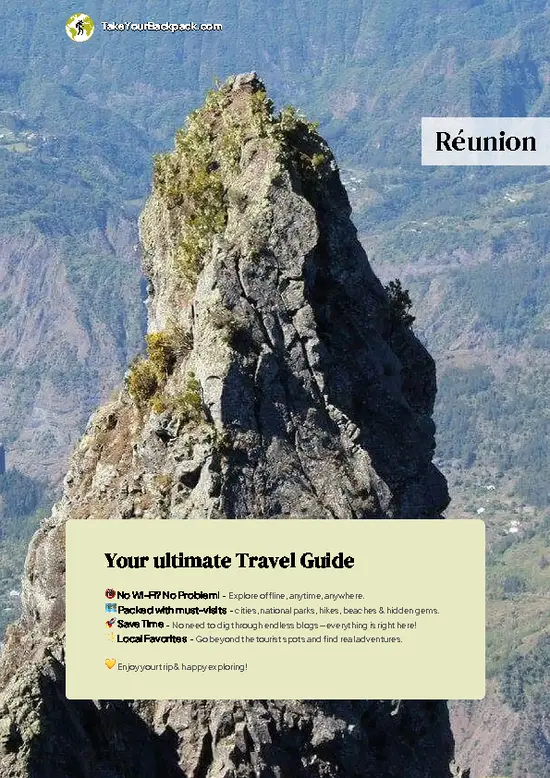
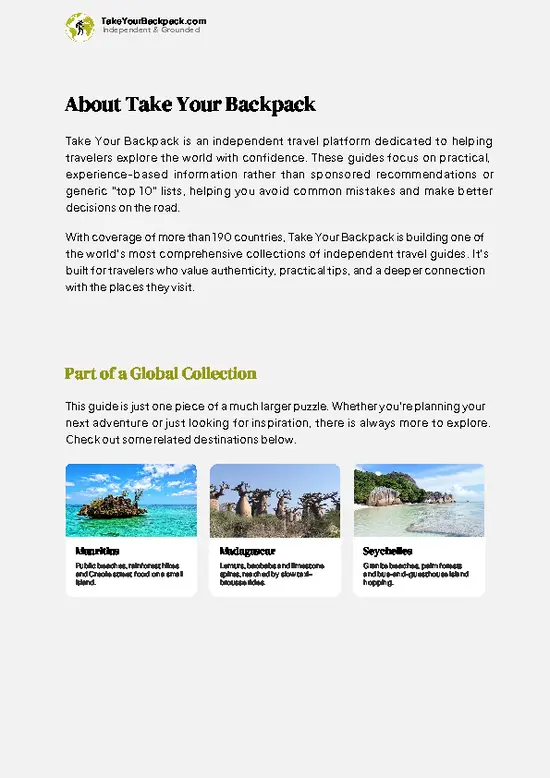
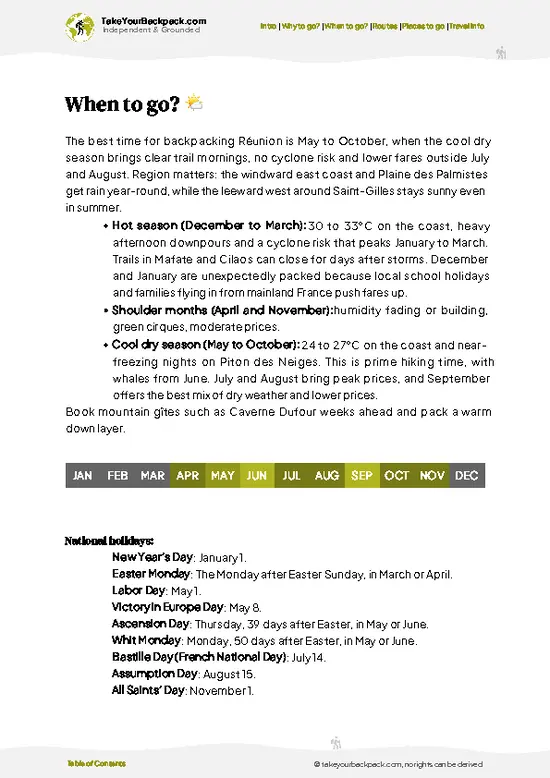
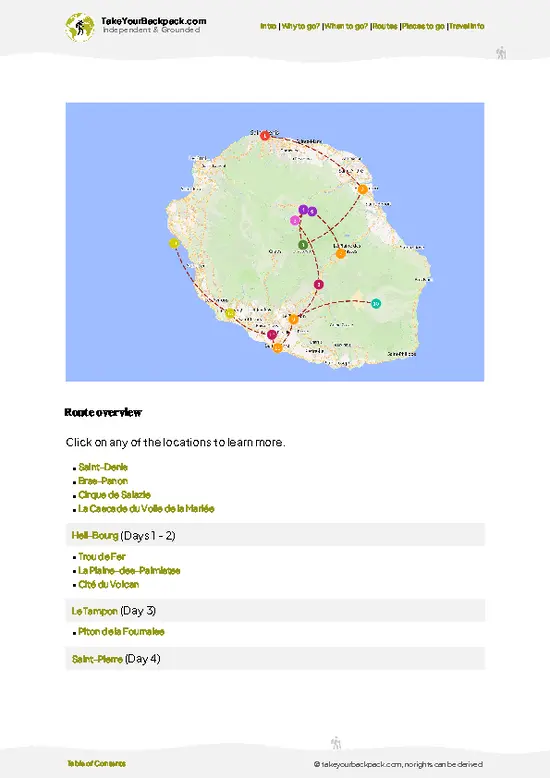
The Main House: Colonial Grandeur Without the Sugarcoating
Forget the Instagram filters—this is not a pastel daydream. The main house is a time capsule of French colonial ambition, with creaking floorboards and thick stone walls that once kept out both heat and history. You walk through rooms that still whisper about the sugar barons who built their fortunes here. The furniture is original, the portraits are stern, and the atmosphere is heavy with the contradictions of privilege built on suffering. It’s not pretty, but it’s real—and that’s the point. The house doesn’t let you forget who lived well and who didn’t.
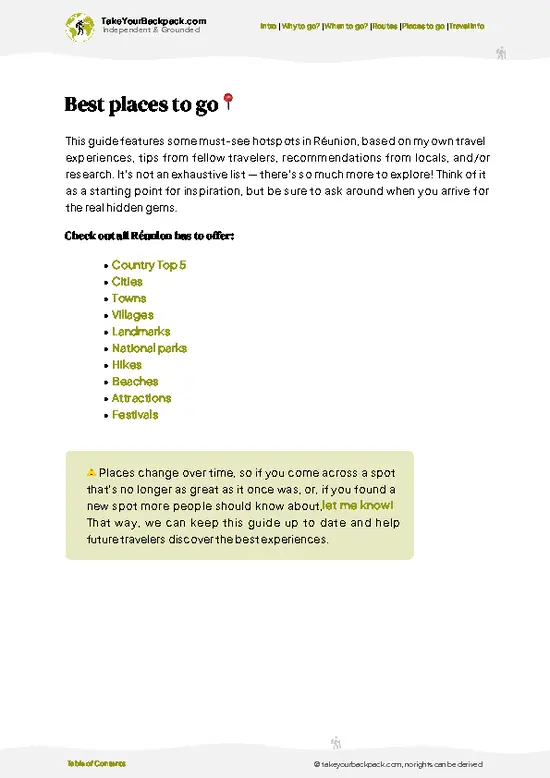
The Slave Quarters: Confronting the Past, Not Just Posing for Photos
This is where the museum stops being a postcard and starts being a reckoning. The restored slave quarters are … read more 👉
Forget the Instagram filters—this is not a pastel daydream. The main house is a time capsule of French colonial ambition, with creaking floorboards and thick stone walls that once kept out both heat and history. You walk through rooms that still whisper about the sugar barons who built their fortunes here. The furniture is original, the portraits are stern, and the atmosphere is heavy with the contradictions of privilege built on suffering. It’s not pretty, but it’s real—and that’s the point. The house doesn’t let you forget who lived well and who didn’t.
The Slave Quarters: Confronting the Past, Not Just Posing for Photos
This is where the museum stops being a postcard and starts being a reckoning. The restored slave quarters are … read more 👉
The Main House: Colonial Grandeur Without the Sugarcoating
Forget the Instagram filters—this is not a pastel daydream. The main house is a time capsule of French colonial ambition, with creaking floorboards and thick stone walls that once kept out both heat and history. You walk through rooms that still whisper about the sugar barons who built their fortunes here. The furniture is original, the portraits are stern, and the atmosphere is heavy with the contradictions of privilege built on suffering. It’s not pretty, but it’s real—and that’s the point. The house doesn’t let you forget who lived well and who didn’t.
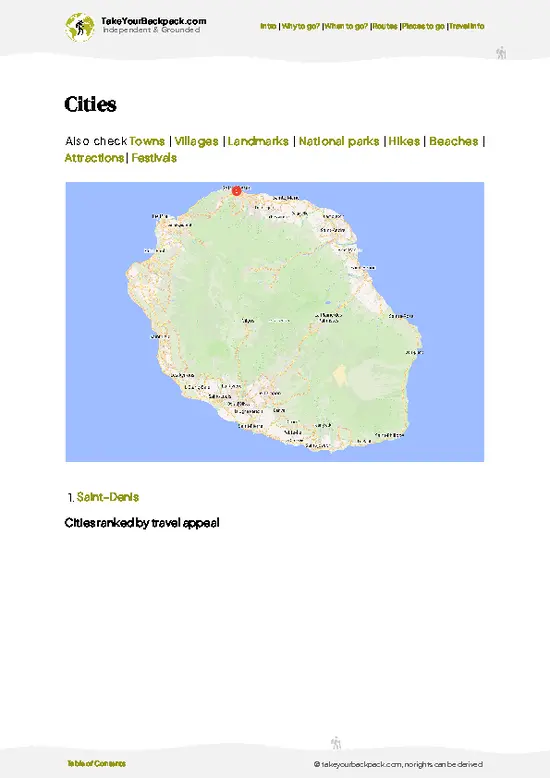
The Slave Quarters: Confronting the Past, Not Just Posing for Photos
This is where the museum stops being a postcard and starts being a reckoning. The restored slave quarters are small, stark, and impossible to romanticize. You stand inside and feel the cramped reality of the people who made the estate run. There’s no soft lighting or curated hashtags here—just the raw, uncomfortable truth. If you want to understand Réunion’s soul, you have to stand in these shadows.
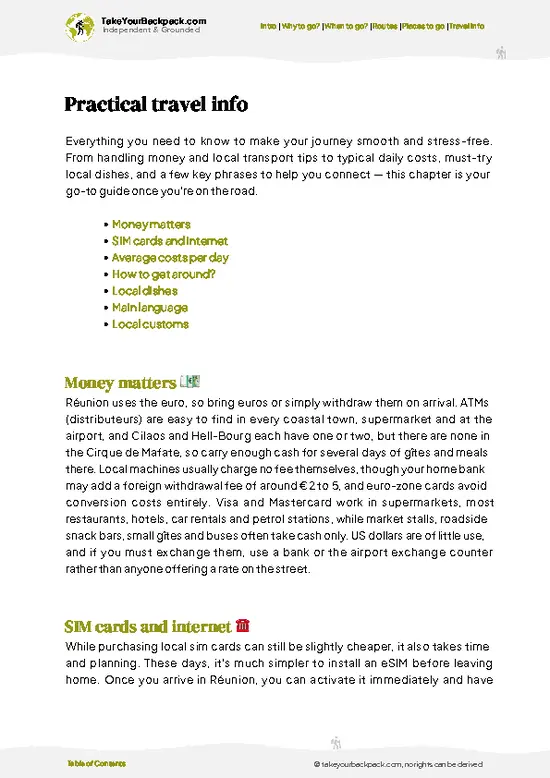
The Chapel: Faith, Power, and the Politics of Place
The private chapel is a study in contradictions: ornate, intimate, and built for the family’s exclusive use. It’s a reminder that faith was both a comfort and a tool of control. The stained glass and carved wood are beautiful, but the real story is in the way the chapel sits apart from the rest of the estate—aloof, almost defiant. It’s a physical metaphor for the social divides that shaped the island.
The Gardens: Nature Reclaimed, History Remembered
Don’t expect Versailles. The gardens are a little wild around the edges, with tangled tropical plants and the scent of sugarcane on the wind. But that’s the charm. You’re not here for manicured lawns; you’re here to see how nature and history tangle together. The paths wind past old wells, crumbling walls, and trees that have seen more than any guidebook could tell you. It’s a place to breathe, reflect, and realize that the past is never really past.
Guided Tours: Storytelling That Doesn’t Flinch
Skip the solo wander. The guides here don’t sugarcoat. They’ll walk you through the estate’s darkest chapters with blunt honesty and a depth of local knowledge you won’t find in any glossy brochure. Expect hard truths, sharp insights, and the kind of storytelling that sticks with you long after you leave. If you want the real Réunion, this is where you get it—unfiltered, unvarnished, and absolutely worth your time.
Forget the Instagram filters—this is not a pastel daydream. The main house is a time capsule of French colonial ambition, with creaking floorboards and thick stone walls that once kept out both heat and history. You walk through rooms that still whisper about the sugar barons who built their fortunes here. The furniture is original, the portraits are stern, and the atmosphere is heavy with the contradictions of privilege built on suffering. It’s not pretty, but it’s real—and that’s the point. The house doesn’t let you forget who lived well and who didn’t.
The Slave Quarters: Confronting the Past, Not Just Posing for Photos
This is where the museum stops being a postcard and starts being a reckoning. The restored slave quarters are small, stark, and impossible to romanticize. You stand inside and feel the cramped reality of the people who made the estate run. There’s no soft lighting or curated hashtags here—just the raw, uncomfortable truth. If you want to understand Réunion’s soul, you have to stand in these shadows.
The Chapel: Faith, Power, and the Politics of Place
The private chapel is a study in contradictions: ornate, intimate, and built for the family’s exclusive use. It’s a reminder that faith was both a comfort and a tool of control. The stained glass and carved wood are beautiful, but the real story is in the way the chapel sits apart from the rest of the estate—aloof, almost defiant. It’s a physical metaphor for the social divides that shaped the island.
The Gardens: Nature Reclaimed, History Remembered
Don’t expect Versailles. The gardens are a little wild around the edges, with tangled tropical plants and the scent of sugarcane on the wind. But that’s the charm. You’re not here for manicured lawns; you’re here to see how nature and history tangle together. The paths wind past old wells, crumbling walls, and trees that have seen more than any guidebook could tell you. It’s a place to breathe, reflect, and realize that the past is never really past.
Guided Tours: Storytelling That Doesn’t Flinch
Skip the solo wander. The guides here don’t sugarcoat. They’ll walk you through the estate’s darkest chapters with blunt honesty and a depth of local knowledge you won’t find in any glossy brochure. Expect hard truths, sharp insights, and the kind of storytelling that sticks with you long after you leave. If you want the real Réunion, this is where you get it—unfiltered, unvarnished, and absolutely worth your time.
Spotted a mistake or missing something? Contact us.
v2.webp)

Best Backpacking
Hi, I’m Johan (Netherlands 🇳🇱), the creator of TakeYourBackpack. Over the past decade, I’ve backpacked through 80+ countries across six continents, gaining extensive experience with independent travel, long-term trips, and overland routes.