×

Réunion🇷🇪 | attractionsSaga du RhumRum tasting bar, rhum arrangé jars, cane displays, copper stills | things to do and best time to go

Explore Conservatoire Botanique National de MascarinExplore Anse des Cascades

Backpacking in Saga du Rhum
👍 Recommendedattraction ranked #5
By Johan Kruseman 🇳🇱 | Updated October 22, 2026

A tasting spoon of amber rum hits your tongue, sweet with cane and burnt sugar, while a vanilla pod steeps in a jar beside you and the air outside smells of crushed stalks. That is the rhythm of Saga du Rhum in the south of Réunion. The place tells the story of the island’s sugarcane and rum, and it does so with samples rather than lectures. It is small, easy to reach by car, and rarely crowded, though tour groups can fill the tasting room at midday. Entry and tastings cost money, and the shop prices run higher than supermarket shelves, so budget accordingly. The history is thinner than at a big museum, but the aromas and the arranged rums make up for it. Rum fans and curious first-timers will enjoy it most. Anyone who dislikes spirits or wants a full day of sights should skip it.

Discover everything you want to know in the 📖 Réunion Travel Guide.


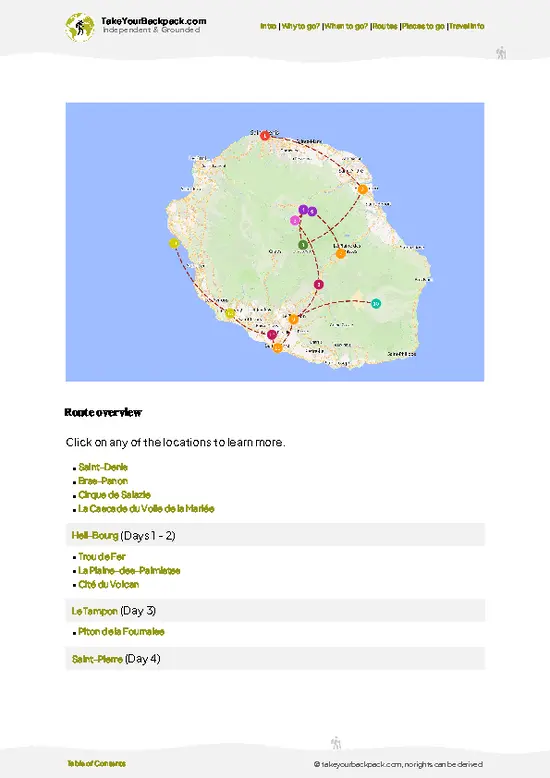
example page 0 from our offline Travel Guide for Réunion
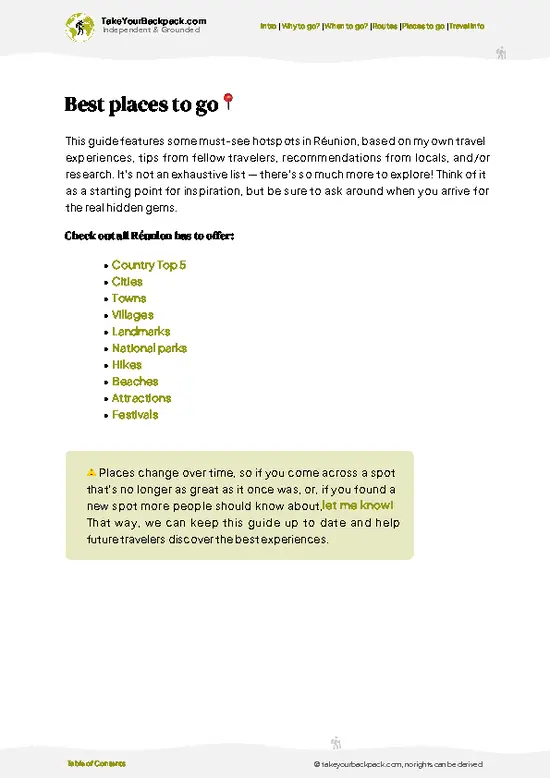
example page 1 from our offline Travel Guide for Réunion
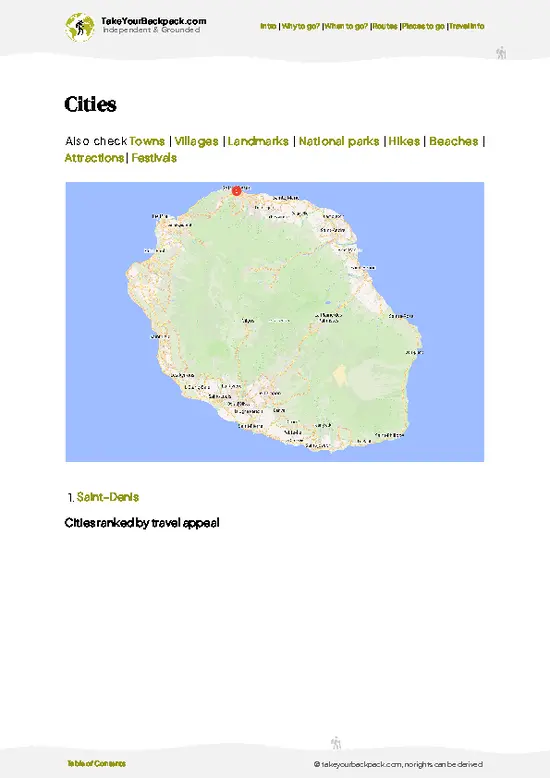
example page 2 from our offline Travel Guide for Réunion
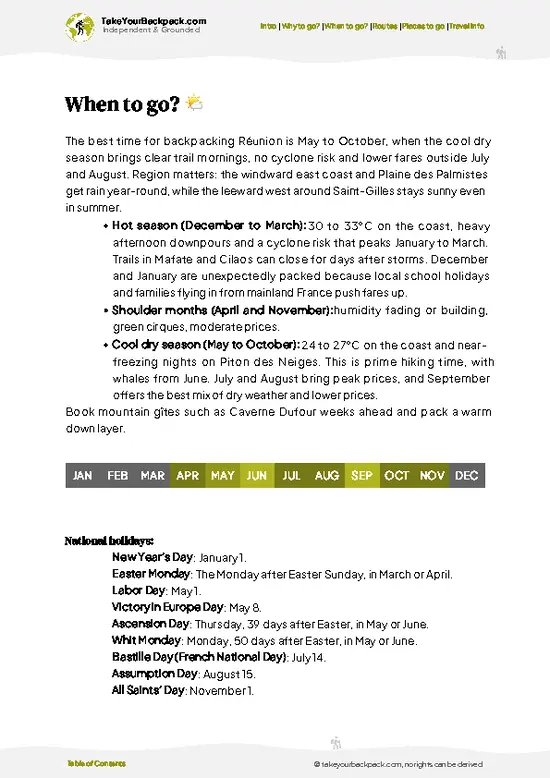
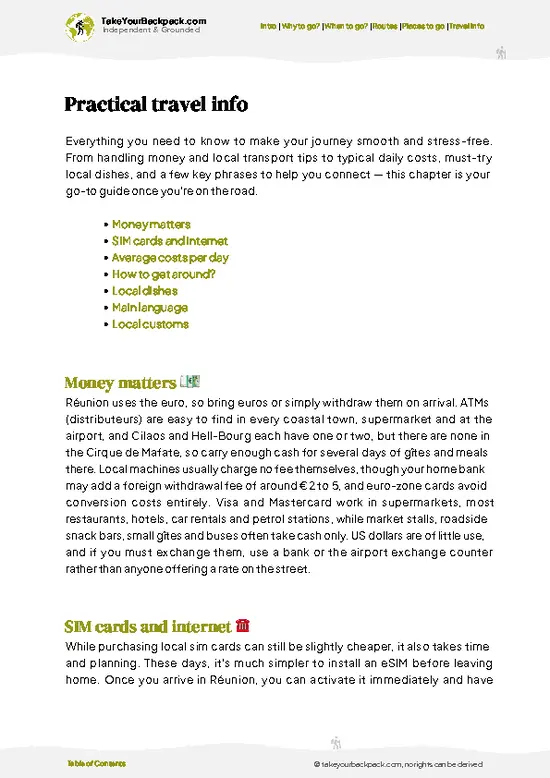
example page 3 from our offline Travel Guide for Réunion
example page 4 from our offline Travel Guide for Réunion
example page 5 from our offline Travel Guide for Réunion
example page 6 from our offline Travel Guide for Réunion
example page 7 from our offline Travel Guide for Réunion
Loading the map 🌍
CLICK TO FILTER
cities
towns
villages
landmarks
national parks
hikes
beaches
attractions
festivals
SHOW COUNTRY’S BESTSHOW ALL

✨ Why go?
Ranked #5 attraction in Réunion
Why visitors keep coming back

Saga du Rhum gives you a direct line into the thing that built Réunion’s economy: sugarcane. Before you taste anything, you see how the crop became the island’s rhum traditionnel, a style distilled in a way that differs from the cane-juice rums of the Caribbean. That context turns a bar-hopping habit into something you can talk about with locals, who have strong opinions on their rum.

The second reason is the rhum arrangé tradition. Islanders steep rum with vanilla, ginger, lychee, passion fruit and spices in glass jars, and seeing the combinations lined up shows how every household has its own recipe. You can copy the idea at a hostel kitchen for the rest of your trip.

The third is simple: it is a low-effort stop. You can fit it between beaches and volcano hikes, taste something local, … read more 👉
Saga du Rhum gives you a direct line into the thing that built Réunion’s economy: sugarcane. Before you taste anything, you see how the crop became the island’s rhum traditionnel, a style distilled in a way that differs from the cane-juice rums of the Caribbean. That context turns a bar-hopping habit into something you can talk about with locals, who have strong opinions on their rum.

The second reason is the rhum arrangé tradition. Islanders steep rum with vanilla, ginger, lychee, passion fruit and spices in glass jars, and seeing the combinations lined up shows how every household has its own recipe. You can copy the idea at a hostel kitchen for the rest of your trip.

The third is simple: it is a low-effort stop. You can fit it between beaches and volcano hikes, taste something local, and leave with a bottle that actually packs well in a backpack. Plan on a short, sociable visit rather than a full day.

💡 HighlightsEssential experiences to have while visiting Saga du Rhum

  1. The rum history exhibition: panels and objects trace how sugarcane arrived on the island and how rum production grew with it. It is the best way to understand why distilleries still dot the landscape.
  2. The tasting bar: small pours let you compare white rums, aged rums and sweeter liqueur-style bottlings. Ask for a white rum first so you can taste the cane clearly before the sweeter ones.
  3. Rhum arrangé jars: rows of rum steeped with vanilla, ginger, citrus and tropical fruit show the island’s home-infusion habit. Look at the color differences, from pale gold to deep brown.
  4. Sugarcane displays: seeing the stalk up close explains the fibrous, sweet juice behind everything else on site. It helps to touch one if staff allow it.
  5. Distilling equipment: copper and steel pieces illustrate how cane becomes
… read more 👉
  1. The rum history exhibition: panels and objects trace how sugarcane arrived on the island and how rum production grew with it. It is the best way to understand why distilleries still dot the landscape.
  2. The tasting bar: small pours let you compare white rums, aged rums and sweeter liqueur-style bottlings. Ask for a white rum first so you can taste the cane clearly before the sweeter ones.
  3. Rhum arrangé jars: rows of rum steeped with vanilla, ginger, citrus and tropical fruit show the island’s home-infusion habit. Look at the color differences, from pale gold to deep brown.
  4. Sugarcane displays: seeing the stalk up close explains the fibrous, sweet juice behind everything else on site. It helps to touch one if staff allow it.
  5. Distilling equipment: copper and steel pieces illustrate how cane becomes spirit, from pressing to distillation. Photographers will like the metallic curves.
  6. The boutique: shelves hold local rums, flavored bottlings and small gift sizes. Bottles of 20 to 35 cl are easy to carry, and prices run around €10 to 25 for small formats.
  7. Cocktail samples: punch-style mixes with lime and cane syrup show how locals actually drink rum. They are lighter than neat pours, which suits a hot afternoon.
Saga du Rhum takes about one to two hours with a relaxed tasting.
Spotted a mistake or missing something? Contact us.

🌤️ When to go?Best time to visit Saga du Rhum

  • Austral Winter (May to October): Dry, sunny coastal weather with highs of 24 to 26°C (75 to 79°F) and cool nights near 17°C (63°F). Days run about 11 hours, so plan a morning visit. Distillery tours and tastings feel comfortable, and this is when cane harvesting and sugar and rum production are running.
  • Summer (November to April): Hot and humid at 27 to 31°C (81 to 88°F), with 13 hours of daylight and afternoon downpours. January to March is cyclone season, so tours can close at short notice.
  • School Holidays (July to August, mid-December to early January): Local families fill the south coast. Flights and rooms cost 20 to 40% more.
  • Shoulder Months (May to June, September to November): Warm, quiet and cheaper, with easy tasting slots.
Book a morning slot, since afternoon cloud and rain build up quickly in summer.

source: climatestotravel.comJANJanuary: good for travelingFEBFebruary: fair for travelingMARMarch: fair for travelingAPRApril: highly recommended for travelingMAYMay: highly recommended for travelingJUNJune: excellent for travelingJULJuly: highly recommended for travelingAUGAugust: highly recommended for travelingSEPSeptember: highly recommended for travelingOCTOctober: highly recommended for travelingNOVNovember: good for travelingDECDecember: good for traveling
when-to-go

✈️ The backpacker research shortcutRéunion Travel Guide

An offline-friendly backpacking guide with optimized travel routes, ranked highlights, transport advice, and the best areas to stay.
example page 0 from our offline Travel Guide for Réunion
example page 1 from our offline Travel Guide for Réunion
example page 2 from our offline Travel Guide for Réunion
example page 3 from our offline Travel Guide for Réunion
example page 4 from our offline Travel Guide for Réunion
example page 5 from our offline Travel Guide for Réunion
example page 6 from our offline Travel Guide for Réunion
example page 7 from our offline Travel Guide for Réunion
The digital guide (232 pages) contains:
✅ 64 highlights, ranked by travel appeal
✅ Optimized 2, 3 & 5-day travel routes
✅ Cities, national parks, landmarks, beaches
✅ How to get around
✅ Offline-friendly for travel without Wi-Fi
👉 Click to see all 30+ guide features

📅 Plan smarter in minutes, not weeks
✅ Month by month travel advice
✅ Festivals & national holidays
✅ Budget expectations

🗺️ Go to the right places, skip the overrated ones
✅ Honest pros & cons of destinations
✅ Top hikes, parks & viewpoints
✅ Lesser-known places most travelers miss
✅ Clear “worth it vs skip it” guidance

🛏️ Travel smoothly without rookie mistakes
✅ Best areas to stay
✅ Transport systems explained simply
✅ Common scams & safety advice
✅ SIM cards, money & practical tips

🌍 Understand the country, not just visit it
✅ Culture & traditions
✅ 52 Essential phrases & customs
✅ Festivals worth planning around
✅ Traveler-friendly historical context
✅ Insights that make places more meaningful

📱 Built for real travel conditions
✅ Fully downloadable PDF
✅ Works completely offline
✅ Optimized for phone use
✅ Useful in remote areas & buses
✅ Everything in one place
Stop searching, start planning
Get instant access to your full guide. 30‑day money-back guarantee.
+ Add another guide for just

By proceeding you agree to our terms.
Sent to your inbox immediately after payment • 100% Secure Checkout
Best Backpacking Travel Advisor 2025 tourism awardBest Backpacking
Travel Advisor
2025
What others say about Take Your Backpack Guides:
⭐⭐⭐⭐⭐
Fantastic, amazing amount of information!
⭐⭐⭐⭐⭐
My goodness this is amazing, it's what I've been looking for hats off too you!
⭐⭐⭐⭐⭐
I think this is absolutely BRILLIANT
⭐⭐⭐⭐
Very complete and informative. It's still missing places, but I gotta to commend you
⭐⭐⭐⭐⭐
This is truly amazing, thank you, can't wait to explore it with my kids!
⭐⭐⭐⭐⭐
Awesome resource, thank you!
⭐⭐⭐⭐⭐
This is amazing! Can't wait to explore the ones I haven't seen
⭐⭐⭐⭐
I love this! Well done, great idea.
⭐⭐⭐⭐⭐
Thanks for taking the time to make this gem!
⭐⭐⭐⭐⭐
This might be the best website I've ever seen.
⭐⭐⭐⭐⭐
Congratulations, and thank you so much for your work; it's incredibly valuable.
⭐⭐⭐⭐
In all seriousness I think you did a great job pointing out the important spots
⭐⭐⭐⭐⭐
10/10 very good
⭐⭐⭐⭐⭐
As someone who's only just starting to visit regularly this is awesome, thank you.
⭐⭐⭐⭐
Thank you very much! I'm going to visit my dad, it's going to be very useful!
⭐⭐⭐⭐⭐
This is really cool! We'll be travelling for the first time and this definitely come in handy.
⭐⭐⭐⭐⭐
You are now our minister of culture, congratulations 👨‍💼
⭐⭐⭐⭐⭐
Just wanted to tell you that this is a pearl! Going to follow your recommendations.
⭐⭐⭐⭐⭐
This is so cool. I'll definitely be using the resource for my travels soon.
⭐⭐⭐⭐⭐
This is very impressive! Good work.
⭐⭐⭐⭐⭐
This is an amazing and informative site. Very well done!

🛏️ Where to stay?Where staying makes the most sense

Saint-Pierre is the best area to stay for Saga du Rhum, a short bus or taxi ride from the museum. It is the south coast’s main social hub for backpackers, with a seafront promenade, a lively Saturday market, and bars and restaurants that stay busy into the evening. Solo travelers feel comfortable walking the central streets after dark, and the compact center makes it easy to meet other budget travelers. Dorms and guesthouses cluster within a few blocks of the waterfront, and the main bus station offers links along the coast and up to the highlands.

Saint-Louis and the Bois d’Olives area suit … read more 👉
Saint-Pierre is the best area to stay for Saga du Rhum, a short bus or taxi ride from the museum. It is the south coast’s main social hub for backpackers, with a seafront promenade, a lively Saturday market, and bars and restaurants that stay busy into the evening. Solo travelers feel comfortable walking the central streets after dark, and the compact center makes it easy to meet other budget travelers. Dorms and guesthouses cluster within a few blocks of the waterfront, and the main bus station offers links along the coast and up to the highlands.

Saint-Louis and the Bois d’Olives area suit travelers with a rental car who want quieter nights and cheaper rooms. They are residential, with fewer hostels and little nightlife, so you will rely on driving for dinner.

Etang-Salé-les-Bains is an option for surf and beach days, with a calm black-sand beach and a small guesthouse scene. It is more relaxed than social, but you can reach the distillery area by car in about 20 minutes. Choose Saint-Pierre first if you travel alone.

👛 Costs (as of 22 October 2026)Typical daily expenses

A day around Saga du Rhum costs about €65 for a backpacker staying in Saint-Pierre, including the entry ticket with tasting, a dorm bed, meals and local buses. Travelers pay in euros.
CategoryBudget RangeLocal Reality
Entry and tasting€8 to 12Covers the museum visit and a rum tasting. Prices vary slightly with the tour format.
Dorm bed (high season)€25 to 35Mostly in Saint-Pierre. Rates rise during the July to August and December holidays.
Dorm bed (low season)€20 to 28Easier to find places at short notice.
Meals€12 to 20Bakery breakfast, a market or snack lunch, and a cheap Creole plate such as rougail saucisse for dinner.
Local transport€2 to 6Single bus fares in the south are around €2 to 3. Services thin out on Sundays.
Rental car (optional)€30 to 50Per day for a small car, with parking usually
… read more 👉
A day around Saga du Rhum costs about €65 for a backpacker staying in Saint-Pierre, including the entry ticket with tasting, a dorm bed, meals and local buses. Travelers pay in euros.
CategoryBudget RangeLocal Reality
Entry and tasting€8 to 12Covers the museum visit and a rum tasting. Prices vary slightly with the tour format.
Dorm bed (high season)€25 to 35Mostly in Saint-Pierre. Rates rise during the July to August and December holidays.
Dorm bed (low season)€20 to 28Easier to find places at short notice.
Meals€12 to 20Bakery breakfast, a market or snack lunch, and a cheap Creole plate such as rougail saucisse for dinner.
Local transport€2 to 6Single bus fares in the south are around €2 to 3. Services thin out on Sundays.
Rental car (optional)€30 to 50Per day for a small car, with parking usually free outside town centers.
Rum to take home€15 to 40Bottles of aged or arranged rum at the shop. Check airline liquid rules.
Total Daily Budget€50 to 75About €65 with the entry ticket, a dorm bed, meals and buses.
⚠️ Prices can change and everyone travels differently, so take this as a rough guide. Hope it helps you plan your adventure!

FAQCommon questions from travelers

Plan on 1.5 to 2 hours at Saga du Rhum for the guided museum visit and tasting. If you add a distillery walk and shop browsing, a half day is comfortable. Combine it with the Saint-Pierre seafront or market for a full day.
Yes, for most rum fans, Saga du Rhum is worth the roughly €8 to 12 entry fee, since the ticket includes a tasting and covers the story of Réunion’s rum and sugar cane history. Casual visitors who only want a drink can find cheaper bars in Saint-Pierre. It is best on a rainy afternoon when beach and hiking plans fall through.
From Saint-Pierre, Saga du Rhum is about 15 to 25 minutes by car or taxi, and a taxi costs roughly €15 to 25. Local Car Jaune buses serve the area for €2 to 3 per ride, though they run less often on Sundays. Driving from Saint-Denis takes around 1 hour 15 minutes via the N1 and N2 coast roads, and a rental car gives you the most flexibility.
⚠️ Things can change over time, so always validate details locally before you go.

Other Réunionnais attractions near Saga du Rhum

Explore more nearby:

  • Cité du Volcan—Volcano exhibition, lava footage, basalt samples, Plaine des Cafres| 17 km away
  • Musée Stella Matutina—Boilers and steam engines, sugar factory, rum tasting, red chimneys| 21 km away
  • Kélonia—Green and hawksbill turtles, care clinic, turtle releases, black shoreline| 26 km away

💡 Not sure where to go next?
Create a personalized itinerary for Réunion including Saga du Rhum and the places that fit your trip.

Generate my itinerary

👉 Discover all attractions

Or checkout all Réunion has to offer (think cities, towns, villages, national parks, hikes, beaches, festivals)
Country photo of Réunion

We 💚 feedbackKey takeaways before you go

Saga du Rhum is easy to rush, and the usual mistake is buying the first sweet bottle before tasting properly. Start with the white rum, then move to aged and flavored ones, and only then pick a bottle. Bring water, and keep a small bag for the gift-size bottles.

✍️ Help improve this page!
The information on this page is based on in-depth research, insights shared by experienced travelers, and feedback from the local travel community in Réunion. While every effort is made to keep the information accurate and current, conditions can change — so if you spot anything incorrect or outdated, please get in touch.


🙋‍♂️ Give feedback

👋 Meet the founderWho’s Behind Take Your Backpack?

Johan, backpacker and founder of TakeYourBackpackHi, I’m Johan (Netherlands 🇳🇱), the creator of TakeYourBackpack. Over the past 3 decades, I’ve backpacked through 90+ countries across six continents, gaining extensive experience with independent travel, long-term trips, and overland routes.

This site is built on a combination of firsthand travel experience and carefully curated insights from other backpackers. Many guides are based on places I’ve personally visited, while others bring together tips, observations, and practical advice shared by trusted travelers I’ve met along the way.

The goal is to provide realistic, experience-driven guidance — not generic itineraries — so you can explore destinations with better context, clearer expectations, and more confidence.