×

Romania🇷🇴 | landmarksPainted Monasteries of Bucovinafrescoed walls, Orthodox heritage, rural hills | things to do and best time to go

Explore Muzeul AstraExplore Salina Turda

Backpacking in Painted Monasteries of Bucovina
🏆 Top pickunique site ranked #2
By Johan Kruseman 🇳🇱 | Updated September 4, 2026

Your breath fogs in the cold air as church bells crack the silence, and a monk in a dark robe slips past you, the smell of incense and damp stone mixing with woodsmoke from a nearby house. This is Bucovina, in Romania’s far northeast, where the Painted Monasteries sit in rolling hills closer to Ukraine than to Bucharest. As a backpacker, you’re not here for nightlife; you’re here because someone had the audacity, 500 years ago, to paint entire church exteriors with saints, demons, and Judgment Day like a medieval comic book. The wow-factor is real, but it’s quiet, not flashy. Buses are sparse, English is limited, and you’ll walk or hitch between villages if you’re on a tight budget. Summer tour groups do roll in, but they’re brief; wait them out and you get eerie silence, chipped frescoes, and photos that feel like you time-traveled, not just traveled.

Discover everything you want to know in the 📖 Romania Travel Guide.


Get your Romania guide
99 ranked highlights, routes & tips, works offline (373 pages)
Loading the map 🌍
CLICK TO FILTER
cities
towns
villages
landmarks
national parks
hikes
beaches
attractions
festivals
SHOW COUNTRY’S BESTSHOW ALL

✨ Why go?
Ranked #2 unique site in Romania
What makes this unique site worth visiting

The Painted Monasteries of Bucovina are a must-see, but let’s cut through the Instagram gloss. Yes, they attract crowds—especially in peak season—but the real magic lies in their history and artistry. These monasteries are not just pretty pictures; they’re living testaments to Byzantine and Moldavian culture, with frescoes that tell stories of faith and resilience.

You might think the cost is steep, but entry fees are pocket change compared to the experience. Each monastery, like Voroneț and Sucevița, offers a unique glimpse into a world where art meets spirituality. The effort-to-reward ratio is solid; a few hours of travel from Suceava lands you in a realm where time feels suspended.

These sites fit perfectly into a broader route through Transylvania or the Carpathians. So, if you’re trekking … read more 👉
The Painted Monasteries of Bucovina are a must-see, but let’s cut through the Instagram gloss. Yes, they attract crowds—especially in peak season—but the real magic lies in their history and artistry. These monasteries are not just pretty pictures; they’re living testaments to Byzantine and Moldavian culture, with frescoes that tell stories of faith and resilience.

You might think the cost is steep, but entry fees are pocket change compared to the experience. Each monastery, like Voroneț and Sucevița, offers a unique glimpse into a world where art meets spirituality. The effort-to-reward ratio is solid; a few hours of travel from Suceava lands you in a realm where time feels suspended.

These sites fit perfectly into a broader route through Transylvania or the Carpathians. So, if you’re trekking through Romania, don’t skip them. They’re not just a stop; they’re a highlight that deepens your understanding of the region. Embrace the crowds, soak in the stories, and let the colors wash over you.
Want to include Painted Monasteries of Bucovina in your Romania route?
Create a personalized Romania itinerary that includes Painted Monasteries of Bucovina and the places that fit your trip — based on your travel style, budget, and available time. Get your route in seconds.

Generate my trip

💡 HighlightsThe experiences that define the visit

  • Voroneț Monastery — the “Sistine Chapel of the East”: The exterior walls are completely covered in huge, narrative frescoes — the Last Judgment is especially dramatic — painted in an instantly recognizable, electric “Voroneț blue.” It’s the showstopper for color and visual storytelling in the whole region.
  • Sucevița Monastery — fortified complex and the Ladder of Virtues: A rare mix of defensive walls and exquisitely painted churches; the vast exterior cycle includes the Ladder of Virtues scene, rendered with striking detail and a sense of movement you don’t usually see on stone walls.
  • Moldovița Monastery — vivid storytelling and floral borders: Known for dense, tightly composed scenes and decorative floral friezes that frame the biblical narratives; the compositions feel intimate and surprisingly
read more 👉
  • Voroneț Monastery — the “Sistine Chapel of the East”: The exterior walls are completely covered in huge, narrative frescoes — the Last Judgment is especially dramatic — painted in an instantly recognizable, electric “Voroneț blue.” It’s the showstopper for color and visual storytelling in the whole region.
  • Sucevița Monastery — fortified complex and the Ladder of Virtues: A rare mix of defensive walls and exquisitely painted churches; the vast exterior cycle includes the Ladder of Virtues scene, rendered with striking detail and a sense of movement you don’t usually see on stone walls.
  • Moldovița Monastery — vivid storytelling and floral borders: Known for dense, tightly composed scenes and decorative floral friezes that frame the biblical narratives; the compositions feel intimate and surprisingly modern in rhythm and color.
  • Humor Monastery — compact intensity: Smaller than the others but punchy — the frescoes are intense, with strong contrasts and an especially readable Last Judgment that’s great for close-up viewing without the crowds.
  • Arbore Monastery — refined portraiture and folk touches: Less massive than Voroneț or Sucevița but notable for delicate faces, clear linear detail and a folk-infused style that gives you a different, more personal take on the same iconographic themes.
  • Probota Monastery — princely church and peaceful interior: Tied to Moldavian rulers and quieter on the visitor trail, Probota rewards slow inspection of interior painting and architectural proportions — good if you want the monastery vibe without a crush of tourists.
  • The fresco cycles themselves — biblical storytelling on stone: Across the monasteries, the exterior narrative cycles (prophets, saints, scenes from Christ’s life, the Last Judgment) are what truly set Bucovina apart — vivid, didactic, and designed to be read by a largely illiterate population, so they’re packed with symbolic detail. Try catching them in soft morning or late afternoon light for best color.
Spotted a mistake or missing something? Contact us.

Things to do near Painted Monasteries of Bucovina

Ratings based on Tripadvisor reviews. When you book through this link, you support our work at no extra cost to you.

🌤️ When to go?Choosing the right time of year


  • Weather: Spring and early autumn offer the best weather—mild and dry. Summers can be hot and humid, pushing 30°C (86°F), which makes hiking around the monasteries less pleasant. Winters are cold, often below freezing, with snow that can limit access.

  • Temperature: April to June and September to October see comfortable temps between 15-22°C (59-72°F). This range keeps you energized for exploring without overheating or freezing.

  • Daylight Hours: Late spring and early fall provide roughly 12-14 hours of daylight, giving you ample time to soak in the frescoes and surrounding nature without rushing.

  • Crowds: Peak summer (July-August) draws tourists, especially on weekends, turning the serene monasteries into a photo-op hotspot. Shoulder seasons are quieter, letting you experience the sites
read more 👉

  • Weather: Spring and early autumn offer the best weather—mild and dry. Summers can be hot and humid, pushing 30°C (86°F), which makes hiking around the monasteries less pleasant. Winters are cold, often below freezing, with snow that can limit access.

  • Temperature: April to June and September to October see comfortable temps between 15-22°C (59-72°F). This range keeps you energized for exploring without overheating or freezing.

  • Daylight Hours: Late spring and early fall provide roughly 12-14 hours of daylight, giving you ample time to soak in the frescoes and surrounding nature without rushing.

  • Crowds: Peak summer (July-August) draws tourists, especially on weekends, turning the serene monasteries into a photo-op hotspot. Shoulder seasons are quieter, letting you experience the sites with fewer distractions.

  • Seasonal Activities: Autumn brings harvest festivals nearby, adding cultural depth to your visit. Spring’s blooming landscapes enhance the visual impact of the painted walls, making it a sensory treat beyond the art.

  • Price Fluctuations: Accommodation and transport costs spike in summer. Visiting off-peak in spring or fall can save you 20-30%, freeing budget for local food or guided tours that deepen your understanding.


Pro-tip: Aim for late May or early October—weather, crowds, and prices align perfectly, letting you experience the Painted Monasteries as they were meant to be: quietly awe-inspiring.


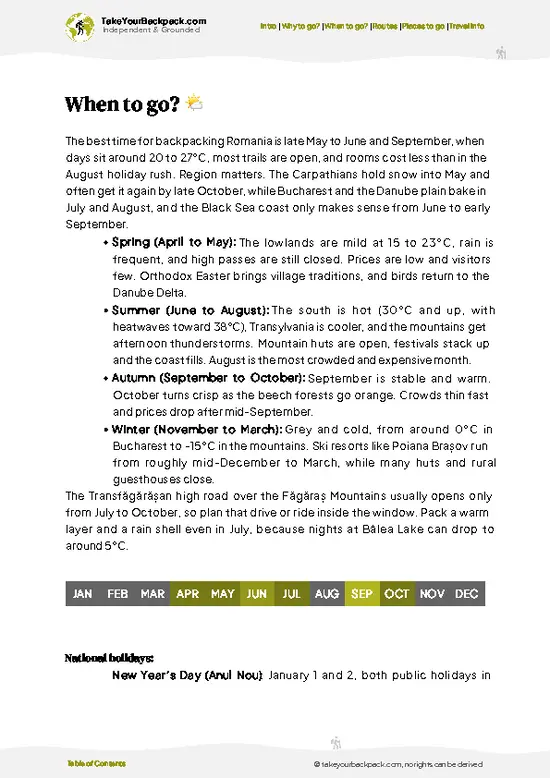
source: climatestotravel.comJANJanuary: below average for travelingFEBFebruary: below average for travelingMARMarch: fair for travelingAPRApril: highly recommended for travelingMAYMay: excellent for travelingJUNJune: highly recommended for travelingJULJuly: fair for travelingAUGAugust: fair for travelingSEPSeptember: highly recommended for travelingOCTOctober: excellent for travelingNOVNovember: good for travelingDECDecember: below average for traveling
romania-unique-site-painted-monasteries-of-bucovina
© Google |

✈️ The backpacker research shortcutRomania Travel Guide

An offline-friendly backpacking guide with optimized travel routes, ranked highlights, transport advice, and the best areas to stay.
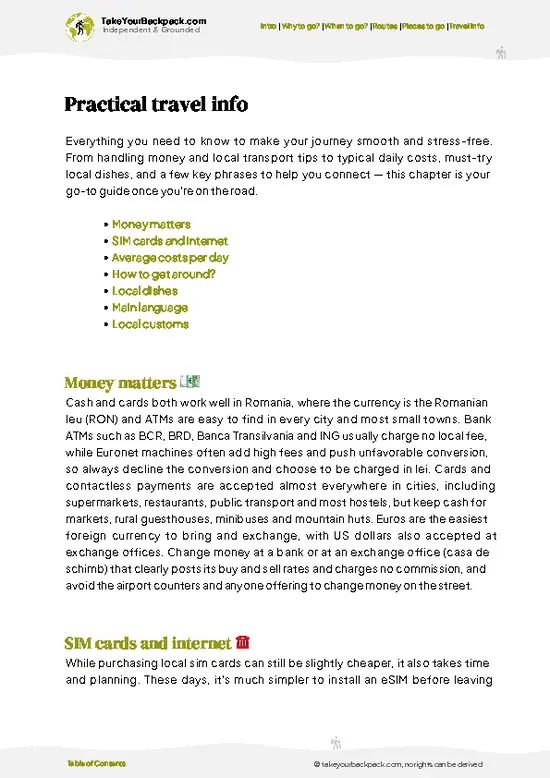
example page 0 from our offline Travel Guide for Romania
example page 1 from our offline Travel Guide for Romania
example page 2 from our offline Travel Guide for Romania
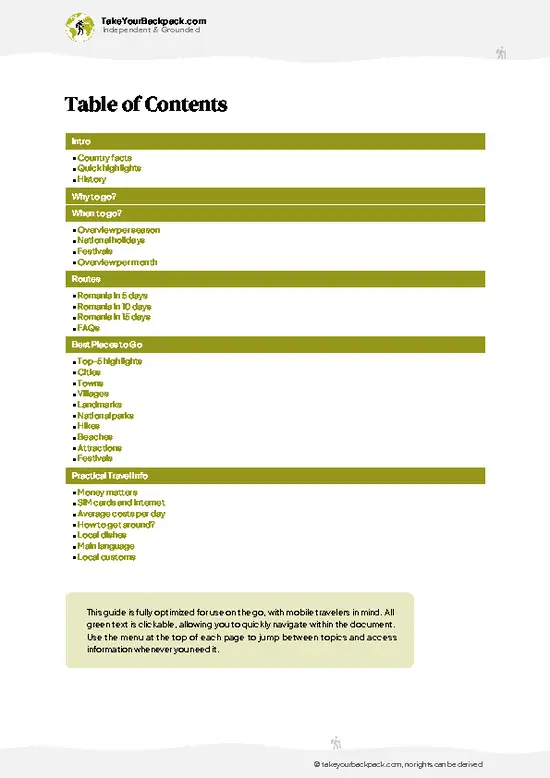
example page 3 from our offline Travel Guide for Romania
example page 4 from our offline Travel Guide for Romania
example page 5 from our offline Travel Guide for Romania
example page 6 from our offline Travel Guide for Romania
example page 7 from our offline Travel Guide for Romania
The digital guide (373 pages) contains:
99 highlights, ranked by travel appeal
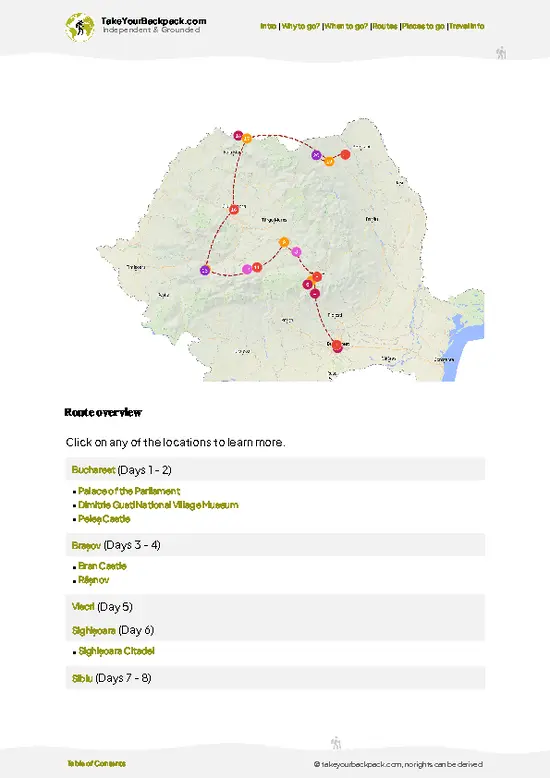
Optimized 5, 10 & 15-day travel routes
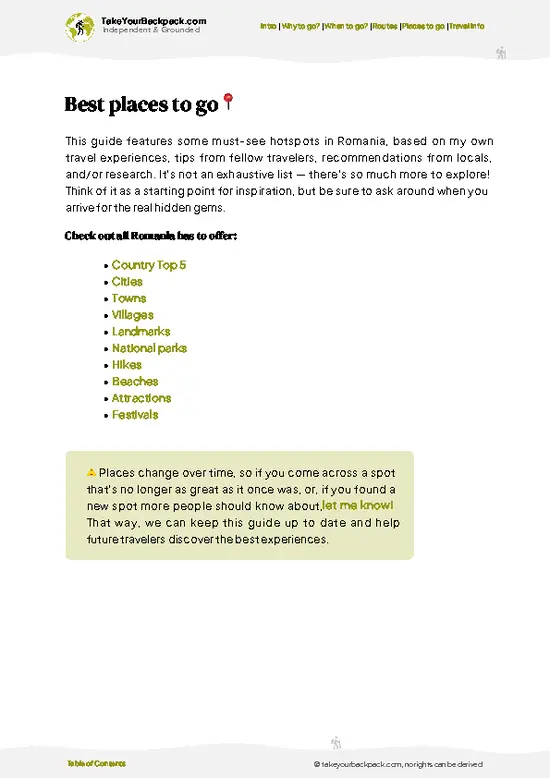
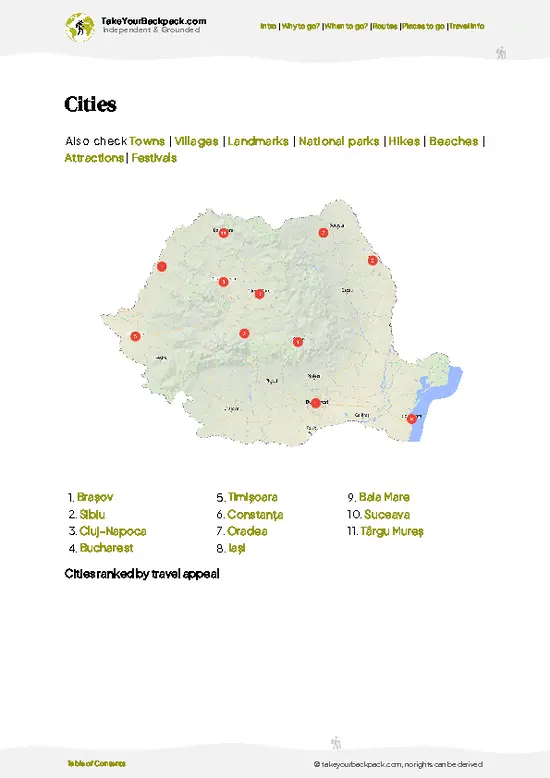
Cities, national parks, landmarks, beaches
How to get around
Offline-friendly for travel without Wi-Fi
👉 Click to see all 30+ guide features

📅 Plan smarter in minutes, not weeks
Month by month travel advice
Festivals & national holidays
Budget expectations

🗺️ Go to the right places, skip the overrated ones
Honest pros & cons of destinations
Top hikes, parks & viewpoints
Lesser-known places most travelers miss
Clear “worth it vs skip it” guidance

🛏️ Travel smoothly without rookie mistakes
Best areas to stay
Transport systems explained simply
Common scams & safety advice
SIM cards, money & practical tips

🌍 Understand the country, not just visit it
Culture & traditions
52 Essential phrases & customs
Festivals worth planning around
Traveler-friendly historical context
Insights that make places more meaningful

📱 Built for real travel conditions
Fully downloadable PDF
Works completely offline
Optimized for phone use
Useful in remote areas & buses
Everything in one place
Save weeks of stressful planning
Get instant access to your full guide. 30‑day money-back guarantee.
+ Add another guide for just US$7.80

By proceeding you agree to our terms.
Sent to your inbox immediately after payment • 100% Secure Checkout
Best Backpacking Travel Advisor 2025 tourism awardBest Backpacking
Travel Advisor
2025
What others say about Take Your Backpack Guides:
⭐⭐⭐⭐⭐
Fantastic, amazing amount of information!
⭐⭐⭐⭐⭐
My goodness this is amazing, it's what I've been looking for hats off too you!
⭐⭐⭐⭐⭐
I think this is absolutely BRILLIANT
⭐⭐⭐⭐
Very complete and informative. It's still missing places, but I gotta to commend you
⭐⭐⭐⭐⭐
This is truly amazing, thank you, can't wait to explore it with my kids!
⭐⭐⭐⭐⭐
Awesome resource, thank you!
⭐⭐⭐⭐⭐
This is amazing! Can't wait to explore the ones I haven't seen
⭐⭐⭐⭐
I love this! Well done, great idea.
⭐⭐⭐⭐⭐
Thanks for taking the time to make this gem!
⭐⭐⭐⭐⭐
This might be the best website I've ever seen.
⭐⭐⭐⭐⭐
Congratulations, and thank you so much for your work; it's incredibly valuable.
⭐⭐⭐⭐
In all seriousness I think you did a great job pointing out the important spots
⭐⭐⭐⭐⭐
10/10 very good
⭐⭐⭐⭐⭐
As someone who's only just starting to visit regularly this is awesome, thank you.
⭐⭐⭐⭐
Thank you very much! I'm going to visit my dad, it's going to be very useful!
⭐⭐⭐⭐⭐
This is really cool! We'll be travelling for the first time and this definitely come in handy.
⭐⭐⭐⭐⭐
You are now our minister of culture, congratulations 👨‍💼
⭐⭐⭐⭐⭐
Just wanted to tell you that this is a pearl! Going to follow your recommendations.
⭐⭐⭐⭐⭐
This is so cool. I'll definitely be using the resource for my travels soon.
⭐⭐⭐⭐⭐
This is very impressive! Good work.
⭐⭐⭐⭐⭐
This is an amazing and informative site. Very well done!

🛏️ Where to stay?Choosing the right base

Staying near the Painted Monasteries of Bucovina is about more than just a roof over your head; it’s about diving into the local vibe.

Start in the town of Gura Humorului. It’s a hub for backpackers, with a mix of cozy guesthouses and budget-friendly lodges. The atmosphere is relaxed, and you’ll find fellow travelers eager to swap stories over a local beer. Plus, it’s a short bus ride to the monasteries, making it easy to explore without the hassle.

Another solid option is Suceava. While it’s a bit further from the monasteries, it offers a more urban experience. The city has a lively market … read more 👉
Staying near the Painted Monasteries of Bucovina is about more than just a roof over your head; it’s about diving into the local vibe.

Start in the town of Gura Humorului. It’s a hub for backpackers, with a mix of cozy guesthouses and budget-friendly lodges. The atmosphere is relaxed, and you’ll find fellow travelers eager to swap stories over a local beer. Plus, it’s a short bus ride to the monasteries, making it easy to explore without the hassle.

Another solid option is Suceava. While it’s a bit further from the monasteries, it offers a more urban experience. The city has a lively market and plenty of cafes where you can fuel up before a day of sightseeing. The social scene here is vibrant, with a mix of locals and travelers, so you can easily connect with others.

For a quieter experience, consider the village of Voronet. It’s close to the famous Voronet Monastery and has a few charming guesthouses. You’ll get a taste of rural life, with stunning landscapes and fewer tourists. Just be prepared for a slower pace and a chance to soak in the tranquility.

Wherever you choose, the key is to embrace the local culture. That’s where the real magic lies.

👛 Costs (as of 4 September 2026)How expensive it really is

Visiting the Painted Monasteries of Bucovina is a journey into a world of vibrant frescoes and spiritual history, but it comes with its own set of costs. Here’s a breakdown to help you plan your visit without breaking the bank.
  • Entrance Fees: Expect to pay around €5 to €10 per monastery. Some may charge a bit more for guided tours, but the standard entry fee is quite reasonable. Keep in mind that each monastery has its own charm, so it’s worth visiting a few to soak in the art and history.
  • Transportation: If you’re traveling from Suceava, a bus to the monasteries will set you back about €5 to €10. Renting a car can be a bit pricier, around €30 to €50 per day, but it gives you the freedom to explore at your own pace. Just be ready for some winding roads.
  • Accommodation: Options range from budget
read more 👉
Visiting the Painted Monasteries of Bucovina is a journey into a world of vibrant frescoes and spiritual history, but it comes with its own set of costs. Here’s a breakdown to help you plan your visit without breaking the bank.
  • Entrance Fees: Expect to pay around €5 to €10 per monastery. Some may charge a bit more for guided tours, but the standard entry fee is quite reasonable. Keep in mind that each monastery has its own charm, so it’s worth visiting a few to soak in the art and history.
  • Transportation: If you’re traveling from Suceava, a bus to the monasteries will set you back about €5 to €10. Renting a car can be a bit pricier, around €30 to €50 per day, but it gives you the freedom to explore at your own pace. Just be ready for some winding roads.
  • Accommodation: Options range from budget guesthouses at €20 to €40 per night to more comfortable hotels at €50 to €100. Staying in a local guesthouse not only saves you money but also gives you a taste of Romanian hospitality.
  • Food: Meals can be quite affordable. Expect to pay around €5 to €15 for a hearty meal at a local restaurant. Try the traditional dishes; they’re worth every cent and will fuel your adventures.
  • Guided Tours: If you want deeper insights, consider a guided tour. Prices typically range from €30 to €70 per person, depending on the length and inclusions. This can be a great way to learn about the rich history and significance of the monasteries.

Plan wisely, and you’ll find that the Painted Monasteries offer a rich experience that’s worth every euro spent.


source: romaniatourism.com
⚠️ Prices can change and everyone travels differently, so take this as a rough guide. Hope it helps you plan your adventure!

FAQTraveler FAQ

The Painted Monasteries of Bucovina are a group of eight 15th and 16th-century Orthodox monasteries in northeastern Romania, famous for their exterior frescoes depicting biblical scenes. These monasteries are UNESCO World Heritage sites, known for their vibrant colors and detailed artwork that has survived centuries.
Visiting the Painted Monasteries of Bucovina typically requires 1 to 2 full days to see the main sites, including Voronet, Sucevita, and Moldovita. Each monastery can take about 1 to 2 hours to explore, depending on your interest in the frescoes and the surrounding grounds.
You can reach the Painted Monasteries of Bucovina by flying into Suceava Airport, which is about 30 km from the main monasteries. From Suceava, local buses, taxis, or rental cars are available to travel between the monasteries, which are spread out over a 40 km radius.
⚠️ Things can change over time, so always validate details locally before you go.

Other Romanian landmarks near Painted Monasteries of Bucovina

Explore more nearby:

  • Lacul Roșu—submerged tree stumps, mountain lake, pine forest| 157 km away
  • Salina Turda—underground chambers, salt mine, subterranean lake| 180 km away
  • Muzeul Astra—open-air museum, traditional homesteads, folk crafts| 239 km away

💡 Not sure where to go next?
Create a personalized itinerary for Romania including Painted Monasteries of Bucovina and the places that fit your trip.

Generate my itinerary

👉 Discover all landmarks

Or checkout all Romania has to offer (think cities, towns, villages, national parks, hikes, beaches, festivals)
Country photo of Romania

We 💚 feedbackWhat to keep in mind

The Painted Monasteries of Bucovina are a feast for the eyes, but don’t expect solitude. Crowds flock here, especially in summer. The real magic? The unexpected warmth of the locals. Chat with the nuns; they’ll share stories that no guidebook covers. And don’t skip the village markets—homemade cheese and fresh bread are game-changers. Just be ready for some steep climbs and uneven paths. It’s worth it for the views and the spirit of the place. Trust me, you’ll leave changed.

✍️ Help improve this page!
The information on this page is based on in-depth research, insights shared by experienced travelers, and feedback from the local travel community in Romania. While every effort is made to keep the information accurate and current, conditions can change — so if you spot anything incorrect or outdated, please get in touch.


🙋‍♂️ Give feedback

👋 Meet the founderWho’s Behind Take Your Backpack?

Johan, backpacker and founder of TakeYourBackpackHi, I’m Johan (Netherlands 🇳🇱), the creator of TakeYourBackpack. Over the past decade, I’ve backpacked through 80+ countries across six continents, gaining extensive experience with independent travel, long-term trips, and overland routes.

This site is built on a combination of firsthand travel experience and carefully curated insights from other backpackers. Many guides are based on places I’ve personally visited, while others bring together tips, observations, and practical advice shared by trusted travelers I’ve met along the way.

The goal is to provide realistic, experience-driven guidance — not generic itineraries — so you can explore destinations with better context, clearer expectations, and more confidence.

Get full Romania guide •
Instant download • 99 highlights • Full Offline guide