v2.webp)
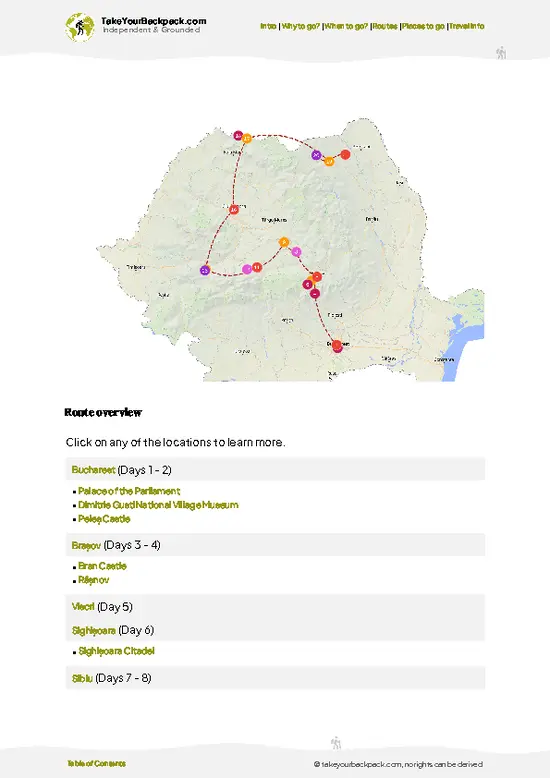

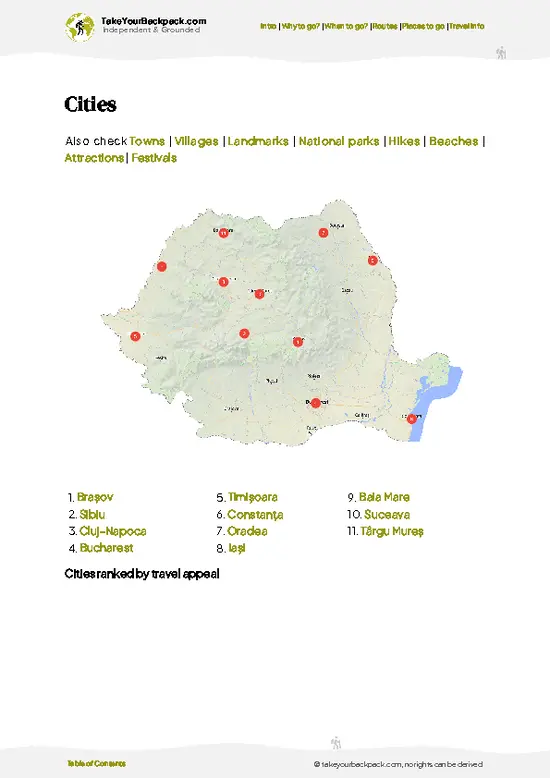
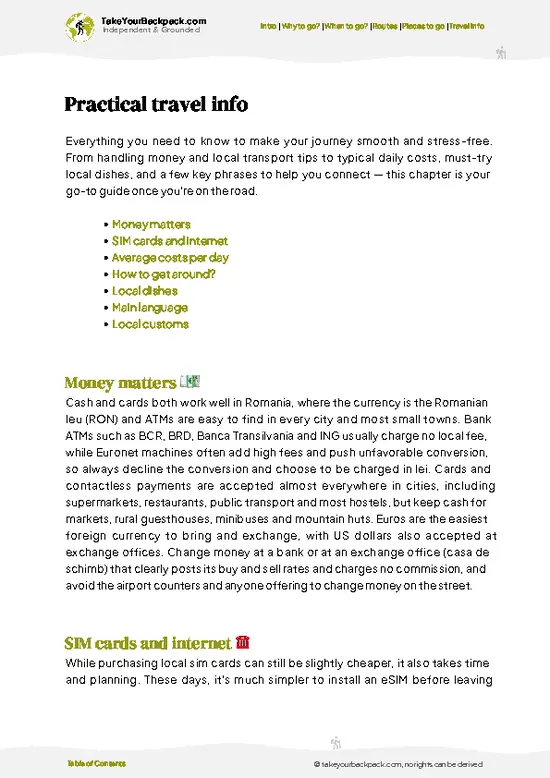
Suceava Fortress (Cetatea de Scaun a Sucevei)
This is the heavyweight champion of Suceava’s history—a 14th-century fortress that once anchored the Moldavian principality. Walk the ramparts where rulers plotted against Ottoman sieges. The interior museum is hands-on, with interactive exhibits and medieval weaponry. Go early in the morning or late afternoon to dodge school groups and catch the best light for photos. Entry is modest (about 20 lei), and you’ll want at least 90 minutes to explore without rushing. The climb up is short but steep; comfortable shoes are a must.
Saint John the New Monastery
This UNESCO-listed monastery is still a living place of worship, not just a relic. The exterior frescoes are a masterclass in Moldavian art—look for the Last Judgment scene, which is both haunting … read more 👉
This is the heavyweight champion of Suceava’s history—a 14th-century fortress that once anchored the Moldavian principality. Walk the ramparts where rulers plotted against Ottoman sieges. The interior museum is hands-on, with interactive exhibits and medieval weaponry. Go early in the morning or late afternoon to dodge school groups and catch the best light for photos. Entry is modest (about 20 lei), and you’ll want at least 90 minutes to explore without rushing. The climb up is short but steep; comfortable shoes are a must.
Saint John the New Monastery
This UNESCO-listed monastery is still a living place of worship, not just a relic. The exterior frescoes are a masterclass in Moldavian art—look for the Last Judgment scene, which is both haunting … read more 👉
Suceava Fortress (Cetatea de Scaun a Sucevei)
This is the heavyweight champion of Suceava’s history—a 14th-century fortress that once anchored the Moldavian principality. Walk the ramparts where rulers plotted against Ottoman sieges. The interior museum is hands-on, with interactive exhibits and medieval weaponry. Go early in the morning or late afternoon to dodge school groups and catch the best light for photos. Entry is modest (about 20 lei), and you’ll want at least 90 minutes to explore without rushing. The climb up is short but steep; comfortable shoes are a must.
Saint John the New Monastery
This UNESCO-listed monastery is still a living place of worship, not just a relic. The exterior frescoes are a masterclass in Moldavian art—look for the Last Judgment scene, which is both haunting and beautiful. The church’s relics draw pilgrims, but even secular visitors will feel the centuries humming in the stone. Free to enter, but donations are appreciated. Visit mid-morning for quiet contemplation; 30-45 minutes is enough unless you linger for a service.
Bucovina Village Museum (Muzeul Satului Bucovinean)
Step into a patchwork of traditional houses, barns, and wooden churches, all relocated from across Bucovina. This open-air museum is Suceava’s shortcut to rural Romania—no car needed. It’s especially lively during folk festivals, but even on a quiet day, you’ll get a sense of how people actually lived here. Entry is about 10 lei. Allow an hour, more if you’re a fan of folk architecture or photography. Best in spring or autumn when the grounds are lush but not muddy.
Hanul Domnesc (The Royal Inn)
A rare survivor from the 17th century, this fortified inn now houses the Ethnographic Museum. The thick walls and vaulted cellars ooze atmosphere, and the exhibits—costumes, tools, and crafts—are refreshingly tactile. It’s a quick hit of local flavor, both literally and figuratively. Entry is around 8 lei. You can see it all in 30-40 minutes, making it a smart stop between bigger sites. Go midday to escape the heat or rain.
Zamca Monastery
This Armenian monastery stands apart with its fortress-like walls and unique architectural blend. It’s quieter than the city center churches, and the grounds are perfect for a reflective stroll. The site is free, and you’ll rarely compete with crowds. Sunset brings a golden glow to the stone—worth timing your visit. Plan for 20-30 minutes unless you’re a fan of ecclesiastical history.
Suceava rewards those who look beyond the obvious. If you’re itching for more, the painted monasteries of Voroneț and Humor, or the forested trails of Dragomirna, are all within easy day-trip range—each a different chapter in the story of northern Romania.
This is the heavyweight champion of Suceava’s history—a 14th-century fortress that once anchored the Moldavian principality. Walk the ramparts where rulers plotted against Ottoman sieges. The interior museum is hands-on, with interactive exhibits and medieval weaponry. Go early in the morning or late afternoon to dodge school groups and catch the best light for photos. Entry is modest (about 20 lei), and you’ll want at least 90 minutes to explore without rushing. The climb up is short but steep; comfortable shoes are a must.
Saint John the New Monastery
This UNESCO-listed monastery is still a living place of worship, not just a relic. The exterior frescoes are a masterclass in Moldavian art—look for the Last Judgment scene, which is both haunting and beautiful. The church’s relics draw pilgrims, but even secular visitors will feel the centuries humming in the stone. Free to enter, but donations are appreciated. Visit mid-morning for quiet contemplation; 30-45 minutes is enough unless you linger for a service.
Bucovina Village Museum (Muzeul Satului Bucovinean)
Step into a patchwork of traditional houses, barns, and wooden churches, all relocated from across Bucovina. This open-air museum is Suceava’s shortcut to rural Romania—no car needed. It’s especially lively during folk festivals, but even on a quiet day, you’ll get a sense of how people actually lived here. Entry is about 10 lei. Allow an hour, more if you’re a fan of folk architecture or photography. Best in spring or autumn when the grounds are lush but not muddy.
Hanul Domnesc (The Royal Inn)
A rare survivor from the 17th century, this fortified inn now houses the Ethnographic Museum. The thick walls and vaulted cellars ooze atmosphere, and the exhibits—costumes, tools, and crafts—are refreshingly tactile. It’s a quick hit of local flavor, both literally and figuratively. Entry is around 8 lei. You can see it all in 30-40 minutes, making it a smart stop between bigger sites. Go midday to escape the heat or rain.
Zamca Monastery
This Armenian monastery stands apart with its fortress-like walls and unique architectural blend. It’s quieter than the city center churches, and the grounds are perfect for a reflective stroll. The site is free, and you’ll rarely compete with crowds. Sunset brings a golden glow to the stone—worth timing your visit. Plan for 20-30 minutes unless you’re a fan of ecclesiastical history.
Suceava rewards those who look beyond the obvious. If you’re itching for more, the painted monasteries of Voroneț and Humor, or the forested trails of Dragomirna, are all within easy day-trip range—each a different chapter in the story of northern Romania.
Spotted a mistake or missing something? Contact us.


 Best Backpacking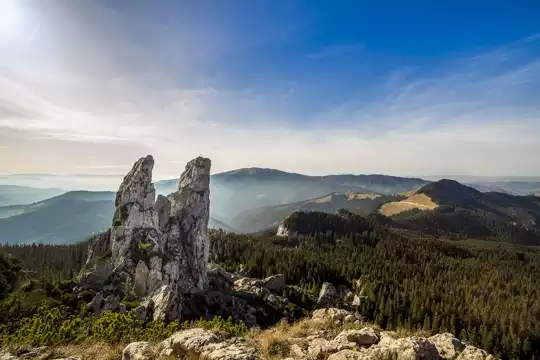
.jpg) Hi, I’m Johan (Netherlands 🇳🇱), the creator of TakeYourBackpack. Over the past 3 decades, I’ve backpacked through 90+ countries across six continents, gaining extensive experience with independent travel, long-term trips, and overland routes.
Hi, I’m Johan (Netherlands 🇳🇱), the creator of TakeYourBackpack. Over the past 3 decades, I’ve backpacked through 90+ countries across six continents, gaining extensive experience with independent travel, long-term trips, and overland routes.