×

Russia🇷🇺 | national parksBuzuluksky Bor National ParkPine forest, sandy soils, forest-steppe edge | things to do and best time to go

Explore Samarskaya Luka National ParkExplore Chikoy National Park

Backpacking in Buzuluksky Bor
👀 For curious travelersnational park ranked #24
By Johan Kruseman 🇳🇱 | Updated October 15, 2026

Many travelers assume Buzuluksky Bor is some dramatic Siberian wilderness; it’s not. It’s a huge pine forest oasis on the steppe, straddling Orenburg and Samara regions in European Russia, and it feels more like a quiet, slightly forgotten backcountry park. Trails are mostly unmarked forest tracks, scenery is repetitive but calming, wildlife is shy, access is easier by car than public transport, fees are low, crowds thin, camping basic. Compared with Samarskaya Luka or Zhiguli, it’s less scenic but far more peaceful.

Discover everything you want to know in the 📖 Russia Travel Guide.
Safety warning

The current risk level for Russia is high. Check the advice before going.


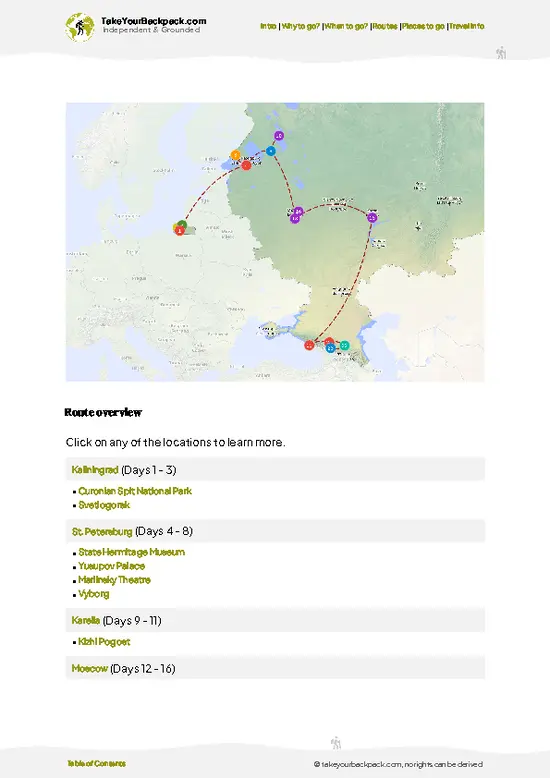
example page 0 from our offline Travel Guide for Russia
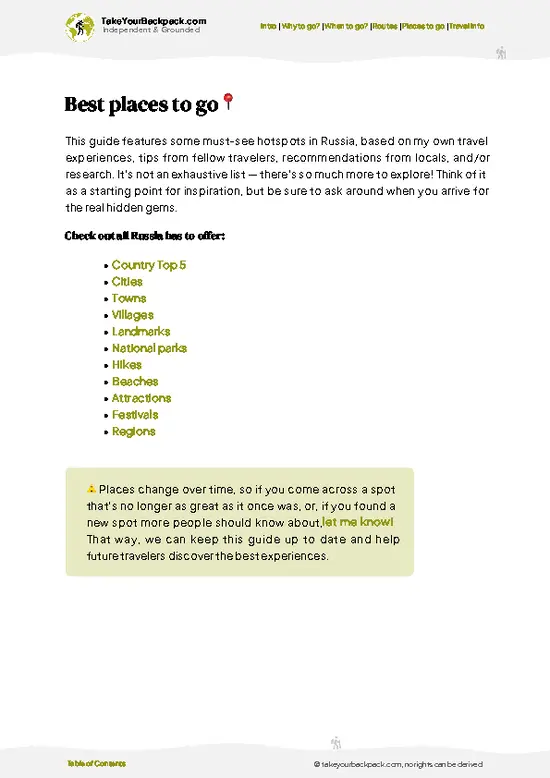
example page 1 from our offline Travel Guide for Russia
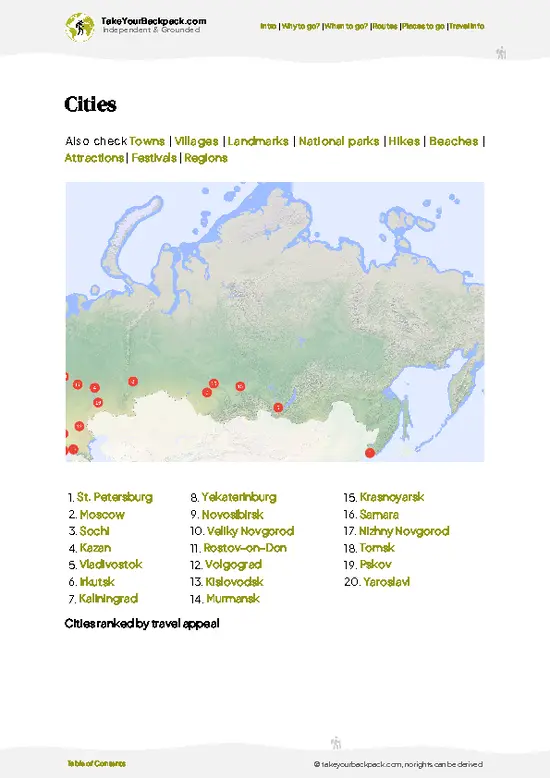
example page 2 from our offline Travel Guide for Russia
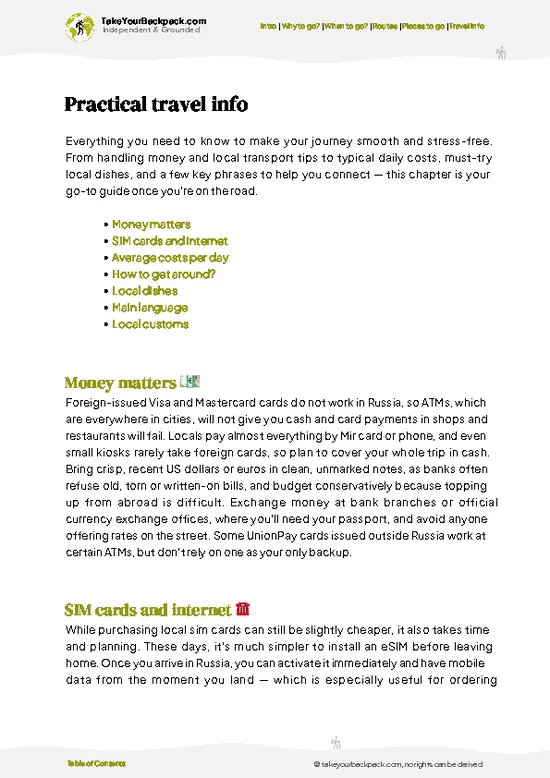
example page 3 from our offline Travel Guide for Russia
example page 4 from our offline Travel Guide for Russia
example page 5 from our offline Travel Guide for Russia
example page 6 from our offline Travel Guide for Russia
example page 7 from our offline Travel Guide for Russia
Loading the map 🌍
CLICK TO FILTER
cities
towns
villages
landmarks
national parks
hikes
beaches
attractions
festivals
regions
SHOW COUNTRY’S BESTSHOW ALL

✨ Why go?
Ranked #24 national park in Russia
What makes it a must-see national park

Buzuluksky Bor National Park attracts backpackers for its independent exploration opportunities. You can roam freely through diverse trails, from easy walks to challenging hikes, catering to all skill levels. Budget-conscious travelers appreciate the camping options and nearby hostels, making it easy to stretch your funds. The park is well-suited for self-guided travelers, allowing you to set your own pace without the constraints of organized tours. This freedom enhances your experience, letting you connect with the serene landscapes and unique wildlife on your own terms. Avoid the tourist traps and embrace the authentic charm of this hidden corner of Russia.

💡 HighlightsDon't-miss highlights and experiences

  1. The Pine Sea (the central Buzuluksky Bor massif) — A vast, almost uncanny stand of Scots pine growing on ancient sand ridges that feels like a sea of trunks. It’s the park’s signature: endless walking under tall pines, easy to get lost in, especially beautiful in morning light and after rain when the scent is intense.
  2. Sand ridges and dunes — Pockets of bare sand and rolling dunes cut through the forest, a reminder you’re in a true inland “island” of pine amid steppe. Hike a ridge for wide, unexpected views and to see how the forest and sand interact — good for photos and for a change of pace from dense woods.
  3. Blue Lakes (Golubye ozera) — Small, clear kettle lakes dotted around the park with striking blue-green water on sunny days. They’re great for a cooling swim in summer and make peaceful
… read more 👉
  1. The Pine Sea (the central Buzuluksky Bor massif) — A vast, almost uncanny stand of Scots pine growing on ancient sand ridges that feels like a sea of trunks. It’s the park’s signature: endless walking under tall pines, easy to get lost in, especially beautiful in morning light and after rain when the scent is intense.
  2. Sand ridges and dunes — Pockets of bare sand and rolling dunes cut through the forest, a reminder you’re in a true inland “island” of pine amid steppe. Hike a ridge for wide, unexpected views and to see how the forest and sand interact — good for photos and for a change of pace from dense woods.
  3. Blue Lakes (Golubye ozera) — Small, clear kettle lakes dotted around the park with striking blue-green water on sunny days. They’re great for a cooling swim in summer and make peaceful picnic spots; the shallow, sandy shores are easy to reach from nearby trails.
  4. Moss bogs and understory plants — Wet hollows between the dunes host carpets of mosses, cranberries, and bog-loving plants that contrast sharply with the dry pine ridges. Botanists and casual walkers alike enjoy the tiny ecosystems here — they’re especially vivid after rain.
  5. Birdlife and birdwatching spots — A surprising diversity of birds lives here: woodpeckers, owls, raptors and many migrating species passing through. Bring binoculars and spend time at forest edges and clearings around dawn or dusk for the best action.
  6. Mammal encounters and wildlife tracks — You can find signs (and sometimes sightings) of elk, roe deer, foxes and wild boar; the sandy soil holds clear tracks. Go quietly on early-morning walks and follow streams or game trails — a patient hour often pays off.
  7. Hiking trails and observation points — The park has a network of marked trails and a few lookout spots that showcase dunes, lakes and the pine expanse. Trails range from short loops to longer day hikes; plan around the sun for dramatic light on the sand and trees.
Spotted a mistake or missing something? Contact us.

🌤️ When to go?Choosing the right time of year

  • Weather: Spring and early autumn offer mild, dry conditions. Summers can be hot, reaching 30°C (86°F), which might drain your energy on long hikes.
  • Temperature: Winter plunges below freezing, often -10°C (14°F) or lower, making backpacking tough without specialized gear.
  • Daylight Hours: Summer days stretch to 17 hours, perfect for extended treks. Winter daylight shrinks to about 7 hours, limiting exploration time.
  • Crowds: Peak season is summer; expect more visitors. Shoulder seasons are quieter, letting you enjoy solitude and wildlife encounters.
  • Seasonal Activities: Summer is best for hiking and birdwatching. Winter offers cross-country skiing but demands serious cold-weather prep.
  • Price Fluctuations: Accommodation and transport costs rise in summer. Booking in shoulder seasons can
… read more 👉
  • Weather: Spring and early autumn offer mild, dry conditions. Summers can be hot, reaching 30°C (86°F), which might drain your energy on long hikes.
  • Temperature: Winter plunges below freezing, often -10°C (14°F) or lower, making backpacking tough without specialized gear.
  • Daylight Hours: Summer days stretch to 17 hours, perfect for extended treks. Winter daylight shrinks to about 7 hours, limiting exploration time.
  • Crowds: Peak season is summer; expect more visitors. Shoulder seasons are quieter, letting you enjoy solitude and wildlife encounters.
  • Seasonal Activities: Summer is best for hiking and birdwatching. Winter offers cross-country skiing but demands serious cold-weather prep.
  • Price Fluctuations: Accommodation and transport costs rise in summer. Booking in shoulder seasons can save money and reduce hassle.
Pro-tip: Aim for late spring or early autumn to dodge crowds, enjoy comfortable weather, and keep your budget intact—perfect for soaking in the park’s unique pine forest vibe without the stress.


source: climatestotravel.comJANJanuary: below average for travelingFEBFebruary: below average for travelingMARMarch: fair for travelingAPRApril: highly recommended for travelingMAYMay: excellent for travelingJUNJune: highly recommended for travelingJULJuly: good for travelingAUGAugust: good for travelingSEPSeptember: excellent for travelingOCTOctober: highly recommended for travelingNOVNovember: fair for travelingDECDecember: below average for traveling
when-to-go

✈️ The backpacker research shortcutRussia Travel Guide

An offline-friendly backpacking guide with optimized travel routes, ranked highlights, transport advice, and the best areas to stay.
example page 0 from our offline Travel Guide for Russia
example page 1 from our offline Travel Guide for Russia
example page 2 from our offline Travel Guide for Russia
example page 3 from our offline Travel Guide for Russia
example page 4 from our offline Travel Guide for Russia
example page 5 from our offline Travel Guide for Russia
example page 6 from our offline Travel Guide for Russia
example page 7 from our offline Travel Guide for Russia
The digital guide (392 pages) contains:
✅ 104 highlights, ranked by travel appeal
✅ Optimized 14, 21 & 30-day travel routes
✅ Cities, national parks, landmarks, beaches
✅ How to get around
✅ Offline-friendly for travel without Wi-Fi
👉 Click to see all 30+ guide features

📅 Plan smarter in minutes, not weeks
✅ Month by month travel advice
✅ Festivals & national holidays
✅ Budget expectations

🗺️ Go to the right places, skip the overrated ones
✅ Honest pros & cons of destinations
✅ Top hikes, parks & viewpoints
✅ Lesser-known places most travelers miss
✅ Clear “worth it vs skip it” guidance

🛏️ Travel smoothly without rookie mistakes
✅ Best areas to stay
✅ Transport systems explained simply
✅ Common scams & safety advice
✅ SIM cards, money & practical tips

🌍 Understand the country, not just visit it
✅ Culture & traditions
✅ 52 Essential phrases & customs
✅ Festivals worth planning around
✅ Traveler-friendly historical context
✅ Insights that make places more meaningful

📱 Built for real travel conditions
✅ Fully downloadable PDF
✅ Works completely offline
✅ Optimized for phone use
✅ Useful in remote areas & buses
✅ Everything in one place
Stop searching, start planning
Get instant access to your full guide. 30‑day money-back guarantee.
+ Add another guide for just

By proceeding you agree to our terms.
Sent to your inbox immediately after payment • 100% Secure Checkout
Best Backpacking Travel Advisor 2025 tourism awardBest Backpacking
Travel Advisor
2025
What others say about Take Your Backpack Guides:
⭐⭐⭐⭐⭐
Fantastic, amazing amount of information!
⭐⭐⭐⭐⭐
My goodness this is amazing, it's what I've been looking for hats off too you!
⭐⭐⭐⭐⭐
I think this is absolutely BRILLIANT
⭐⭐⭐⭐
Very complete and informative. It's still missing places, but I gotta to commend you
⭐⭐⭐⭐⭐
This is truly amazing, thank you, can't wait to explore it with my kids!
⭐⭐⭐⭐⭐
Awesome resource, thank you!
⭐⭐⭐⭐⭐
This is amazing! Can't wait to explore the ones I haven't seen
⭐⭐⭐⭐
I love this! Well done, great idea.
⭐⭐⭐⭐⭐
Thanks for taking the time to make this gem!
⭐⭐⭐⭐⭐
This might be the best website I've ever seen.
⭐⭐⭐⭐⭐
Congratulations, and thank you so much for your work; it's incredibly valuable.
⭐⭐⭐⭐
In all seriousness I think you did a great job pointing out the important spots
⭐⭐⭐⭐⭐
10/10 very good
⭐⭐⭐⭐⭐
As someone who's only just starting to visit regularly this is awesome, thank you.
⭐⭐⭐⭐
Thank you very much! I'm going to visit my dad, it's going to be very useful!
⭐⭐⭐⭐⭐
This is really cool! We'll be travelling for the first time and this definitely come in handy.
⭐⭐⭐⭐⭐
You are now our minister of culture, congratulations 👨‍💼
⭐⭐⭐⭐⭐
Just wanted to tell you that this is a pearl! Going to follow your recommendations.
⭐⭐⭐⭐⭐
This is so cool. I'll definitely be using the resource for my travels soon.
⭐⭐⭐⭐⭐
This is very impressive! Good work.
⭐⭐⭐⭐⭐
This is an amazing and informative site. Very well done!

🛏️ Where to stay?Where staying makes the most sense

Buzuluksky Bor National Park offers limited accommodation options directly within its boundaries. Most backpackers will find their best bets in nearby towns like Buzuluk and Orenburg.

In Buzuluk, look for budget-friendly hostels or guesthouses that provide a cozy atmosphere and local charm. Orenburg, a bit further away, has more varied options, including hotels and motels.

Be prepared for a lack of amenities in the park itself; bring your own supplies and plan for basic facilities. This way, you’ll save your energy and budget for the park’s natural beauty, rather than unexpected costs.

👛 Costs (as of 15 October 2026)What things cost and how to budget

Visiting Buzuluksky Bor National Park in Russia requires some planning to avoid unexpected costs. Entry fees are typically around €5 to €10 (or $5 to $10) per person. This fee grants access to the park’s trails and natural beauty.

If you’re considering guided tours, expect to pay between €30 and €60 ($30 to $60) for a half-day experience. Full-day tours can range from €60 to €100 ($60 to $100), depending on the inclusions like meals or transportation.

Accommodation options vary. Basic lodges or camping sites can cost around €15 to €30 ($15 to $30) per night. If you prefer more comfort, mid-range hotels may charge €50 to €100 ($50 to $100) per night.

Food expenses are generally reasonable. A meal at a local café might set you back €5 to €15 ($5 to $15). If you dine at a more upscale restaurant, … read more 👉
Visiting Buzuluksky Bor National Park in Russia requires some planning to avoid unexpected costs. Entry fees are typically around €5 to €10 (or $5 to $10) per person. This fee grants access to the park’s trails and natural beauty.

If you’re considering guided tours, expect to pay between €30 and €60 ($30 to $60) for a half-day experience. Full-day tours can range from €60 to €100 ($60 to $100), depending on the inclusions like meals or transportation.

Accommodation options vary. Basic lodges or camping sites can cost around €15 to €30 ($15 to $30) per night. If you prefer more comfort, mid-range hotels may charge €50 to €100 ($50 to $100) per night.

Food expenses are generally reasonable. A meal at a local café might set you back €5 to €15 ($5 to $15). If you dine at a more upscale restaurant, budget for €20 to €40 ($20 to $40) per meal.

Transportation is another factor. If you’re traveling by public transport, a bus ticket from nearby cities can cost around €3 to €10 ($3 to $10). However, if you opt for a rental car, daily rates can range from €30 to €70 ($30 to $70), plus fuel.

Keep in mind that prices can fluctuate based on the season and availability. Always check for any additional fees, especially for activities like photography permits or special events. Being aware of these costs will help you allocate your budget wisely, ensuring you enjoy the park without financial surprises.


source: russiatourism.ru
⚠️ Prices can change and everyone travels differently, so take this as a rough guide. Hope it helps you plan your adventure!

🥾 TrailsHiking Buzuluksky Bor national park: highlights and difficulty

Buzuluksky Bor National Park is a hidden gem in Russia, perfect for those who love a mix of lush forests and serene landscapes. The park is known for its stunning pine forests, tranquil lakes, and diverse wildlife, including deer, foxes, and a variety of birds. The terrain is mostly flat, making it accessible for hikers of all levels, but there are some areas with gentle slopes that can add a bit of challenge.

One of the standout trails is the Forest Path, which offers a lovely way to soak in the scenery. Here are the details:
  • Length: 5 km
  • Estimated Duration: 1.5 hours
  • Difficulty Level: Easy
  • Key
… read more 👉
Buzuluksky Bor National Park is a hidden gem in Russia, perfect for those who love a mix of lush forests and serene landscapes. The park is known for its stunning pine forests, tranquil lakes, and diverse wildlife, including deer, foxes, and a variety of birds. The terrain is mostly flat, making it accessible for hikers of all levels, but there are some areas with gentle slopes that can add a bit of challenge.

One of the standout trails is the Forest Path, which offers a lovely way to soak in the scenery. Here are the details:
  • Length: 5 km
  • Estimated Duration: 1.5 hours
  • Difficulty Level: Easy
  • Key Features: Scenic views of the forest, wildlife spotting opportunities, and a peaceful lake.
  • Terrain: Mostly flat with well-marked paths.

Getting to the park isn’t too tricky. You can catch a train or bus from nearby cities, and the ride usually takes a couple of hours. Once you’re there, the crowds are generally manageable, especially if you visit during weekdays. As for the entrance fee, it’s usually pretty nominal, so you won’t break the bank just to enjoy nature. Just pack some snacks and your sense of adventure!
⚠️ Hiking info can sometimes be outdated or inaccurate. Before you hit the trail, check the latest conditions with locals. If you do spot anything that's off, I'd love to hear from you, so I can update it for fellow travelers.

🛡️ SafetyScams, Hazards, and Annoyances

Buzuluksky Bor National Park is generally user-friendly, but a few realities can catch you off guard. Weather can shift quickly, so pack layers and be ready for rain. The terrain is mostly flat, but some trails can be muddy or uneven, so sturdy footwear is essential. Wildlife is present, including deer and various birds; keep a respectful distance and avoid feeding them. Plan your hikes early in the day to avoid fatigue and ensure you have ample daylight. Stay aware of your surroundings, and you’ll enjoy this beautiful park without unnecessary stress.

FAQFrequently asked questions about Buzuluksky Bor

2 to 3 days are sufficient to explore Buzuluksky Bor National Park thoroughly, allowing time for hiking, wildlife observation, and visiting key spots like the pine forest and lakes.
Yes, you can visit Buzuluksky Bor National Park without a car by using public transport options such as buses or trains to nearby towns, then taking local taxis or organized tours to the park entrance.
There is no entrance fee or permit required to visit Buzuluksky Bor National Park, making it accessible for budget travelers and spontaneous visits.
⚠️ Things can change over time, so always validate details locally before you go.

Other Russian national parks near Buzuluksky Bor

Explore more nearby:


💡 Not sure where to go next?
Create a personalized itinerary for Russia including Buzuluksky Bor and the places that fit your trip.

Generate my itinerary

👉 Discover all national parks

Or checkout all Russia has to offer (think cities, towns, villages, national parks, hikes, beaches, festivals)
Country photo of Russia

We 💚 feedbackIs it worth it?

Buzuluksky Bor National Park is a breath of fresh air, with its serene pine forests and rich wildlife. But be ready for the reality check: the trails can be poorly marked, leading to unexpected detours. Stay sharp, and you’ll find the beauty worth the extra effort.

✈️ When did I visit Russia?
Before visiting Georgia (September 2018), I had a stop-over in Moscow.

✍️ Help improve this page!
The information on this page is based on my own backpacking experience in Russia, supplemented with up-to-date research and feedback from other travelers. Travel details can change, so if you notice anything outdated or incomplete, feel free to let me know.


🙋‍♂️ Give feedback

👋 Meet the founderWho’s Behind Take Your Backpack?

Johan, backpacker and founder of TakeYourBackpackHi, I’m Johan (Netherlands 🇳🇱), the creator of TakeYourBackpack. Over the past 3 decades, I’ve backpacked through 90+ countries across six continents, gaining extensive experience with independent travel, long-term trips, and overland routes.

This site is built on a combination of firsthand travel experience and carefully curated insights from other backpackers. Many guides are based on places I’ve personally visited, while others bring together tips, observations, and practical advice shared by trusted travelers I’ve met along the way.

The goal is to provide realistic, experience-driven guidance — not generic itineraries — so you can explore destinations with better context, clearer expectations, and more confidence.