×

Russia🇷🇺 | best national parksEssential 10 national parks to Explore in Russia

Exploring the best national parks in Russia offers a unique blend of breathtaking landscapes, diverse wildlife, and adventure opportunities that cater to various travel styles and budgets. National parks in Russia are defined by their vastness and ecological significance, often showcasing dramatic contrasts in terrain—from the rugged mountains of the Caucasus to the serene taiga of Siberia. Each region presents distinct seasonal nuances that can greatly affect your experience; for instance, summer months are ideal for hiking and wildlife spotting, while winter transforms many parks into remote wonderlands for snow sports.

The selection of a national park directly influences your pace of exploration and overall vibe. Parks like Lake Baikal offer tranquil settings perfect for reflective backpacking, while the Kamchatka Peninsula is a hotspot for adrenaline junkies seeking volcanic landscapes and bear encounters. Accessibility varies widely; some parks are easily reached by public transport, while others require a more adventurous spirit and logistical planning.

Choosing the right park also impacts your budget and safety. Remote areas may demand higher costs for permits and guides, but they reward you with fewer crowds and deeper cultural immersion. Understanding these dynamics is crucial for independent travelers aiming to maximize their experience in Russia’s stunning natural environments.

By Johan Kruseman 🇳🇱 | Updated May 17, 2026
Explore the best hikes in Russia

Why go?What Makes Them Special

National parks in Russia hold a unique place in the global landscape of protected areas, characterized by their vastness and diversity. Covering over 1.5 million square kilometers, these parks showcase a range of ecosystems, from tundra to taiga, and from alpine meadows to coastal wetlands. This biodiversity is not just a backdrop; it’s a living testament to the country’s climatic extremes and geological history. The sheer scale of these parks allows for a depth of exploration that few other countries can match, but it also introduces significant trade-offs.

Accessibility is a primary consideration. Many of Russia’s national parks are remote, requiring substantial travel time to reach. This can mean long train rides or flights followed by additional hours on rugged roads. While this may seem … read more 👉
National parks in Russia hold a unique place in the global landscape of protected areas, characterized by their vastness and diversity. Covering over 1.5 million square kilometers, these parks showcase a range of ecosystems, from tundra to taiga, and from alpine meadows to coastal wetlands. This biodiversity is not just a backdrop; it’s a living testament to the country’s climatic extremes and geological history. The sheer scale of these parks allows for a depth of exploration that few other countries can match, but it also introduces significant trade-offs.

Accessibility is a primary consideration. Many of Russia’s national parks are remote, requiring substantial travel time to reach. This can mean long train rides or flights followed by additional hours on rugged roads. While this may seem daunting, the reward is often an immersive experience in nature that feels untouched by modernity. Travelers should weigh the time spent getting to these parks against the quality of the experiences they offer. In many cases, the journey becomes part of the adventure, but it can also lead to fatigue if not planned carefully.

The infrastructure within these parks varies widely. Some areas are well-equipped with visitor centers, marked trails, and guided tours, while others offer little more than basic amenities. This inconsistency can impact the overall experience. Those seeking comfort may find themselves frustrated in more remote parks, where the lack of facilities can detract from the enjoyment of the landscape. Conversely, those willing to embrace a more rugged experience may find the isolation liberating, allowing for deeper connections with nature.

Culturally, Russia’s national parks reflect the country’s rich history and diverse ethnic groups. Many parks are situated in areas that hold significant cultural heritage, adding layers of meaning to the natural beauty. However, understanding local customs and regulations is crucial. Some parks may have restrictions on activities like camping or fishing, which can limit options for adventure.

The climate also plays a pivotal role. Russia’s varied weather patterns can affect accessibility and the types of activities available. For instance, winter can transform parks into playgrounds for skiing and snowshoeing, while summer opens up opportunities for hiking and wildlife observation. However, the harsh winters can also deter visitors, making timing essential for maximizing the experience.

In summary, Russia’s national parks offer unparalleled landscapes and biodiversity, but they come with unique challenges. Understanding the trade-offs between accessibility, infrastructure, and the immersive experiences available is key to making the most of these remarkable natural spaces.
Behind the Scenes of Selection
The list of best national parks in Russia is created based on landscapes, wildlife, adventure opportunities, facilities, and overall experience. If you feel a national park is missing in this list, please let us know.

When to go?Timing Your Visit for the Best Experience

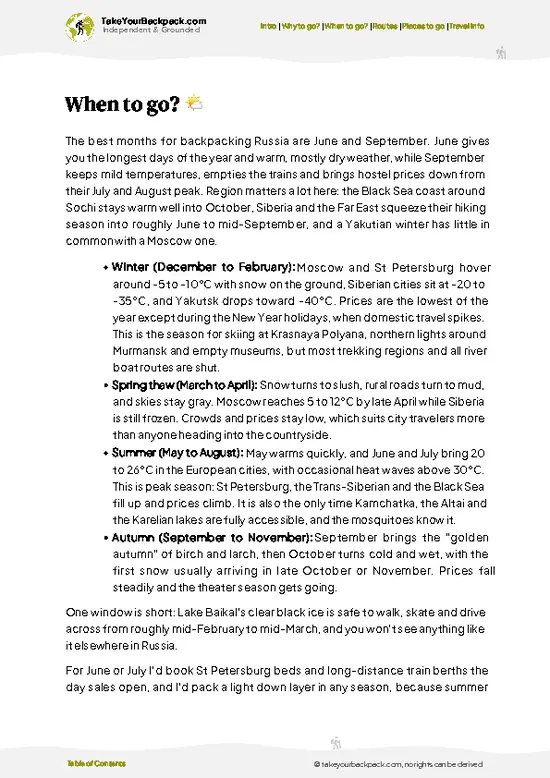
Seasonality and National Parks in Russia


Visiting national parks in Russia requires an understanding of the country’s diverse climate and seasonal patterns. Weather conditions can vary significantly across regions, impacting wildlife visibility, trail conditions, and overall experience.

Spring, typically from late March to May, offers a fresh awakening in many parks. Wildlife becomes more active as animals emerge from hibernation. However, early spring can bring lingering snow and muddy trails, particularly in mountainous areas. This season is often less crowded, making it an appealing time for those seeking solitude. The trade-off is that some trails may be less accessible, and temperatures can still be quite chilly.

Summer, from June to August, is the peak season for national parks. … read more 👉

Seasonality and National Parks in Russia


Visiting national parks in Russia requires an understanding of the country’s diverse climate and seasonal patterns. Weather conditions can vary significantly across regions, impacting wildlife visibility, trail conditions, and overall experience.

Spring, typically from late March to May, offers a fresh awakening in many parks. Wildlife becomes more active as animals emerge from hibernation. However, early spring can bring lingering snow and muddy trails, particularly in mountainous areas. This season is often less crowded, making it an appealing time for those seeking solitude. The trade-off is that some trails may be less accessible, and temperatures can still be quite chilly.

Summer, from June to August, is the peak season for national parks. This period boasts the warmest temperatures and the most stable weather conditions. Wildlife is abundant, with many species visible during this time. However, the popularity of summer means trails can be crowded, and accommodations may be pricier. Rainfall can also increase, particularly in certain regions, leading to muddy trails and potential delays. Travelers should prepare for both the beauty of lush landscapes and the challenges of navigating busy paths.

Autumn, spanning September to early November, presents a stunning display of fall colors. Wildlife is still active, and the cooler temperatures can make for comfortable hiking conditions. However, as the season progresses, rainfall increases, and trails can become slippery. This shoulder season often sees fewer visitors, which can enhance the experience, but it’s essential to be prepared for rapidly changing weather.

Winter, from late November to early March, transforms national parks into a snowy wonderland. While this season offers unique opportunities for winter sports and solitude, temperatures can plummet, and many trails may be closed due to snow. Wildlife visibility decreases, as many animals hibernate or migrate. Those who venture out must be equipped for extreme conditions and should be aware that access to certain areas may be limited.

Understanding these seasonal dynamics is crucial for planning a visit. Each season offers distinct advantages and challenges. The key is to align personal preferences with the realities of weather and crowd levels. This approach ensures a more rewarding experience, allowing for the exploration of Russia’s national parks at their best.

national park hoppingHow to Combine national parks Into One Trip

Combining national parks in Russia requires strategic planning and an understanding of the vast distances involved. The country is enormous, and each park offers unique experiences. Start by clustering parks regionally. For instance, the parks in Siberia, like Baikal and Lena Pillars, can be grouped together for a more cohesive journey. This minimizes travel time and maximizes exploration.

Consider the direction of travel. If starting in the west, visiting parks like Smolensk and then moving eastward toward the Altai Mountains makes sense. Each region has its own character, and this approach allows for a gradual immersion into Russia’s diverse landscapes.

Time management is crucial. Allocate at least three to four days per park to truly appreciate the environment and partake in activities read more 👉
Combining national parks in Russia requires strategic planning and an understanding of the vast distances involved. The country is enormous, and each park offers unique experiences. Start by clustering parks regionally. For instance, the parks in Siberia, like Baikal and Lena Pillars, can be grouped together for a more cohesive journey. This minimizes travel time and maximizes exploration.

Consider the direction of travel. If starting in the west, visiting parks like Smolensk and then moving eastward toward the Altai Mountains makes sense. Each region has its own character, and this approach allows for a gradual immersion into Russia’s diverse landscapes.

Time management is crucial. Allocate at least three to four days per park to truly appreciate the environment and partake in activities like hiking or wildlife watching. This pacing allows for a deeper connection with each location. However, if time is limited, prioritize parks based on personal interests—whether it’s unique flora, fauna, or geological features. A common mistake is trying to cram too many parks into a short timeframe, leading to rushed visits and fatigue.

Trade-offs are inevitable. Spending longer in one park can yield richer experiences but may limit the number of parks visited. Conversely, a whirlwind tour might offer a broader overview but sacrifices depth. Budget considerations also play a role; some parks have limited facilities, which can affect comfort levels. Researching accommodation options ahead of time can prevent unexpected expenses.

Flexibility is key. Weather conditions can change rapidly, especially in remote areas. Having a backup plan for activities or alternate parks can save a trip from disappointment. Additionally, consider transportation options. While trains and buses are available, renting a vehicle can provide greater freedom to explore off-the-beaten-path locations.

Ultimately, the goal is to balance speed with experience. Prioritize what matters most—whether it’s the thrill of seeing a rare animal or the tranquility of a secluded trail. With thoughtful planning, it’s possible to enjoy the best of Russia’s national parks without feeling rushed or overwhelmed.

The ListHighly Recommended national parks of Russia

1 Lake Baikal

Deep freshwater lake, endemic species, ice landscapes

Travel along the shores of the world’s oldest lake, where unique wildlife and dramatic seasonal changes define the experience year-round.

russia-national-park-lake-baikal
© Google | Megavoltzzz Zzz

2 Kamchatka

Active volcanoes, geothermal fields, Pacific coastline

Traverse volcanic slopes and steaming valleys, encountering bears, salmon runs, and raw Pacific landscapes shaped by constant geological change.

3 Kronotsky Nature Reserve

Geyser valley, brown bears, pristine wilderness

Witness erupting geysers and thermal springs in a strictly protected area, where wildlife flourishes and visitor access is tightly controlled.

russia-national-park-kronotsky-nature-reserve
© Google | Cheng,chieh Tsai

4 Curonian Spit National Park

Sand dunes, Baltic coast, pine groves

Walk windswept dunes and coastal forests, observing migrating birds and shifting sands along a narrow strip between lagoon and sea.

5 Lena Pillars Nature Park

Sandstone spires, Lena River, Siberian taiga

Cruise the Lena River to towering rock columns, where ancient geology and remote forest create a striking natural monument.

6 Zabaikalsky National Park

Lake Baikal shore, taiga forest, remote capes

Trace the wild coastline of Baikal, where larch woods meet rocky peninsulas and rare wildlife moves through quiet, unspoiled landscapes.

russia-national-park-zabaikalsky-national-park
© Google |

7 Pribaikalsky National Park

Eastern Baikal coast, forested slopes, rocky bays

Walk along the wild eastern shore of Baikal, passing through dense forest and secluded inlets with views across the world’s deepest lake.

8 Stolby Nature Sanctuary

Granite pillars, climbing routes, Siberian pine

Climb among dramatic stone formations and dense forest, where locals hike year-round and panoramic views reward those who reach the summits.

russia-national-park-stolby-nature-sanctuary
© Google |

9 Land of the Leopard

Leopard habitat, Amur forest, Far East hills

Track elusive big cats through dense forest and rugged hills, exploring a region critical for the survival of the Amur leopard.

10 Wrangel Island

Arctic tundra, polar bears, migratory birds

Observe polar bears and rare wildlife in a remote Arctic setting, where short summers bring bursts of life to the tundra.

11 Yugyd Va National Park

Virgin boreal forest, Ural Mountains, wild rivers

Venture into Europe’s largest untouched forest, crossing tundra and mountain passes where reindeer and brown bears roam freely.

12 Vodlozersky National Park

Northern lakes, ancient pine, wooden chapels

Travel by boat or foot through a quiet expanse of water and forest, where old villages and traditional wooden architecture remain.

13 Taganay National Park

Quartzite ridges, taiga valleys, misty summits

Traverse a chain of jagged ridges and deep forests, where shifting weather and varied terrain challenge even experienced hikers.

14 Valday National Park

Rolling moraines, glacial lakes, Orthodox monasteries

Cycle or paddle through a landscape of wooded hills and clear lakes, with historic monasteries dotting the tranquil countryside.

russia-national-park-valday-national-park
© Google |

15 Sochi National Park

Caucasus foothills, waterfalls, subtropical flora

Follow winding trails through lush valleys and steep gorges, encountering diverse plant life and cool cascades just inland from the Black Sea.

russia-national-park-sochi-national-park
© Google |

16 Losiny Ostrov National Park

Urban forest, moose sightings, Moscow outskirts

Escape the city into a vast woodland where moose roam freely, offering a rare chance to experience wild nature within Moscow’s reach.

17 Samarskaya Luka National Park

Volga bend, chalk cliffs, steppe grasslands

Hike above sweeping river vistas and white cliffs, exploring a mosaic of steppe and forest shaped by the Volga’s great curve.

18 Bashkiria National Park

Limestone canyons, karst caves, steppe forest

Descend into deep river gorges and explore hidden caves, surrounded by a mix of steppe and forest unique to the southern Urals.

19 Khibiny National Park

Arctic tundra, rugged peaks, mineral outcrops

Trek across stark mountain plateaus and valleys, encountering rare alpine plants and striking geological formations above the Arctic Circle.

20 Smolenskoye Poozerye National Park

Glacial lakes, rolling hills, wetland meadows

Paddle or hike through a landscape dotted with clear lakes and tranquil forests, ideal for birdwatching and quiet exploration.

21 Ugra National Park

Meandering river, pine woodland, UNESCO biosphere

Drift along gentle river bends and sandy banks, discovering old villages and peaceful woods in a protected biosphere reserve.

22 Meshchyora National Park

Peat bogs, pine barrens, winding streams

Navigate a patchwork of wetlands and sandy pine woods, where quiet trails and waterways invite slow travel and solitude.

23 Buzuluksky Bor National Park

Pine forest, sandy soils, forest-steppe edge

Walk beneath towering pines on sandy ground, where the forest meets open steppe and rare plants thrive in a unique transition zone.

24 Shorsky National Park

Mountain rivers, cedar groves, indigenous culture

Experience river canyons and forested slopes shaped by Shor traditions, with opportunities for rafting, wildlife watching, and cultural encounters.

25 Chikoy National Park

Transbaikal mountains, alpine meadows, wild rivers

Cross high passes and grassy valleys, following untamed rivers through a remote region known for its biodiversity and solitude.

26 Alania National Park

Caucasus gorges, medieval towers, alpine pastures

Journey through dramatic mountain valleys dotted with ancient stone towers, where shepherds still graze flocks on high meadows.

27 Nechkinsky National Park

Floodplain forests, Kama River, elk habitat

Wander through wetlands and river islands, spotting elk and beaver in a landscape shaped by seasonal floods and meandering waterways.

28 Mariy Chodra National Park

Mixed woodland, forest lakes, Mari heritage

Explore tranquil woods and clear lakes, with trails that reveal the cultural traditions and natural diversity of the Mari people.

Think you know Russia?

Prove you’re a true local — uncover 18 lesser-known national parks in Russia that locals tend to keep to themselves.
Loading the map 🌍

Expert viewTips and Advice from Travelers

Terrain
Russia’s national parks showcase an astonishing variety of terrains, from the rugged mountains of the Caucasus to the vast taiga forests and the stark beauty of tundra landscapes. Each park offers a unique experience, but this diversity comes with its own set of challenges. For instance, the remote parks in Siberia may require extensive travel and preparation, while those closer to urban centers might be more accessible but can feel crowded during peak seasons. If you’re keen on experiencing the wild, prioritize parks like the Altai Mountains or the Kamchatka Peninsula, where the terrain is not just a backdrop but a character in your adventure. However, be prepared for the physical demands of these areas; they can be strenuous and require a good level of fitness.

Park Infrastructureread more 👉
Terrain
Russia’s national parks showcase an astonishing variety of terrains, from the rugged mountains of the Caucasus to the vast taiga forests and the stark beauty of tundra landscapes. Each park offers a unique experience, but this diversity comes with its own set of challenges. For instance, the remote parks in Siberia may require extensive travel and preparation, while those closer to urban centers might be more accessible but can feel crowded during peak seasons. If you’re keen on experiencing the wild, prioritize parks like the Altai Mountains or the Kamchatka Peninsula, where the terrain is not just a backdrop but a character in your adventure. However, be prepared for the physical demands of these areas; they can be strenuous and require a good level of fitness.

Park Infrastructure
Infrastructure varies significantly across Russia’s national parks. Some parks, particularly those near major cities, have well-maintained trails, visitor centers, and even guided tours. In contrast, more remote parks may lack basic amenities, which can lead to unexpected challenges. For example, you might find yourself without marked trails or reliable maps in less-visited areas. This is where planning becomes crucial. Researching each park’s facilities and understanding what to expect can save you time and energy. If you’re not equipped for backcountry navigation, stick to parks with established trails and services. Balancing your desire for adventure with the practicalities of park infrastructure will enhance your experience.

Wildlife Activity
Wildlife viewing is one of the highlights of visiting national parks in Russia, but it requires timing and patience. Different parks offer varying opportunities to see animals, from the iconic brown bears in Kamchatka to the elusive snow leopards in the Caucasus. However, wildlife activity can be unpredictable. Early mornings and late evenings are often the best times for sightings, but this may cut into your hiking or exploring time. If you’re keen on wildlife, consider dedicating a few days to a park known for its biodiversity, like the Russian Arctic National Park. Just remember that the more time you spend in one park, the less you have to explore others. Prioritize your interests—whether it’s hiking, photography, or simply soaking in the natural beauty—before deciding how many parks to visit.

Time and Budget
When planning your visit, consider that Russia is vast, and travel between parks can be time-consuming and costly. Depending on your itinerary, you might realistically visit three to five parks in a two-week trip, but this will require careful planning. Budget for transportation, which can vary widely; internal flights can be pricey, while train travel offers a more scenic but slower option. Accommodations also range from basic lodges to more luxurious options, so factor in your comfort level and budget. If you’re on a tight schedule, focus on parks that are geographically closer to each other to maximize your time.

Planning and Prioritizing
Prioritizing which parks to visit hinges on your interests and the experiences you seek. If you’re drawn to hiking, consider parks with extensive trail systems, like the Sochi National Park. If you’re more interested in cultural experiences, look for parks that offer insights into local traditions and lifestyles. Each region has its own character, influenced by the local culture and environment. Understanding these nuances can help you choose parks that resonate with your travel goals. Additionally, consider the season; some parks are best visited in summer for accessibility, while others may offer unique winter experiences.

Safety and Cultural Considerations
Safety is paramount when exploring Russia’s national parks. While many areas are safe for tourists, it’s essential to stay informed about local wildlife and environmental conditions. Bear encounters, for instance, are a real possibility in certain parks, so understanding how to behave in their presence is crucial. Additionally, be respectful of local cultures and traditions, especially in indigenous areas. Engaging with local communities can enrich your experience, but it’s important to approach these interactions with sensitivity and respect.

In summary, navigating Russia’s national parks requires a blend of enthusiasm and pragmatism. The trade-offs between time spent in each park and the number of parks you can realistically cover will shape your adventure. By understanding the terrain, infrastructure, wildlife, and cultural context, you can craft a journey that’s not just about checking off boxes but about immersing yourself in the rich tapestry of Russia’s natural beauty.

✈️ The backpacker research shortcutRussia Travel Guide

An offline-friendly backpacking guide with optimized travel routes, ranked highlights, transport advice, and the best areas to stay.
example page 0 from our offline Travel Guide for Russiaexample page 1 from our offline Travel Guide for Russiaexample page 2 from our offline Travel Guide for Russiaexample page 3 from our offline Travel Guide for Russiaexample page 4 from our offline Travel Guide for Russiaexample page 5 from our offline Travel Guide for Russiaexample page 6 from our offline Travel Guide for Russiaexample page 7 from our offline Travel Guide for Russia
The digital guide (425 pages) contains:
115 highlights, ranked by travel appeal
Optimized 14, 21 & 30-day travel routes
Cities, national parks, beaches, historical sites, ...
How to get around
Offline-friendly for travel without Wi-Fi
👉 Click to see all 30+ guide features

📅 Plan smarter in minutes, not weeks
Month by month travel advice
Festivals & national holidays
Budget expectations

🗺️ Go to the right places, skip the overrated ones
Honest pros & cons of destinations
Top hikes, parks & viewpoints
Lesser-known places most travelers miss
Clear “worth it vs skip it” guidance

🛏️ Travel smoothly without rookie mistakes
Best areas to stay
Transport systems explained simply
Common scams & safety advice
SIM cards, money & practical tips

🌍 Understand the country, not just visit it
Culture & traditions
52 Essential phrases & customs
Festivals worth planning around
Traveler-friendly historical context
Insights that make places more meaningful

📱 Built for real travel conditions
Fully downloadable PDF
Works completely offline
Optimized for phone use
Useful in remote areas & buses
Everything in one place
Save weeks of stressful planning
Get instant access to the full guide directly. 30-day money-back guarantee.


Sent to your inbox immediately after payment • 100% Secure Checkout
Best Backpacking Travel Advisor 2025 tourism awardBest Backpacking
Travel Advisor
2025
What others say about Take Your Backpack Guides:
⭐⭐⭐⭐⭐
Fantastic, amazing amount of information!
⭐⭐⭐⭐⭐
My goodness this is amazing, it's what I've been looking for hats off too you!
⭐⭐⭐⭐⭐
I think this is absolutely BRILLIANT
⭐⭐⭐⭐
Very complete and informative. It's still missing places, but I gotta to commend you
⭐⭐⭐⭐⭐
This is truly amazing, thank you, can't wait to explore it with my kids!
⭐⭐⭐⭐⭐
Awesome resource, thank you!
⭐⭐⭐⭐⭐
This is amazing! Can't wait to explore the ones I haven't seen
⭐⭐⭐⭐
I love this! Well done, great idea.
⭐⭐⭐⭐⭐
Thanks for taking the time to make this gem!
⭐⭐⭐⭐⭐
This might be the best website I've ever seen.
⭐⭐⭐⭐⭐
Congratulations, and thank you so much for your work; it's incredibly valuable.
⭐⭐⭐⭐
In all seriousness I think you did a great job pointing out the important spots
⭐⭐⭐⭐⭐
10/10 very good
⭐⭐⭐⭐⭐
As someone who's only just starting to visit regularly this is awesome, thank you.
⭐⭐⭐⭐
Thank you very much! I'm going to visit my dad, it's going to be very useful!
⭐⭐⭐⭐⭐
This is really cool! We'll be travelling for the first time and this definitely come in handy.
⭐⭐⭐⭐⭐
You are now our minister of culture, congratulations 👨‍💼
⭐⭐⭐⭐⭐
Just wanted to tell you that this is a pearl! Going to follow your recommendations.
⭐⭐⭐⭐⭐
This is so cool. I'll definitely be using the resource for my travels soon.
⭐⭐⭐⭐⭐
This is very impressive! Good work.
⭐⭐⭐⭐⭐
This is an amazing and informative site. Very well done!

🛏️ Where to stay?Where to Stay in Russia

Yes — hostels and budget guesthouses are common in Russia’s main cities and tourist hubs such as Moscow, St. Petersburg, Kazan, Irkutsk (for Baikal) and Sochi, so backpackers can usually find cheap beds in city centres and near train stations.
In Moscow the densest options sit around Arbat, Kitai‑Gorod, Tverskaya and the rail‑terminal area near Komsomolskaya; in St. Petersburg most budget places cluster on Nevsky Prospekt, in Admiralteysky district and on Vasilievsky / Petrogradsky islands, while regional cities concentrate choices in central districts and beside main stations.
Pros and cons: Arbat/Kitai = best for Red Square access and tourist services but crowded and pricier; Tverskayaread more 👉
Yes — hostels and budget guesthouses are common in Russia’s main cities and tourist hubs such as Moscow, St. Petersburg, Kazan, Irkutsk (for Baikal) and Sochi, so backpackers can usually find cheap beds in city centres and near train stations.
In Moscow the densest options sit around Arbat, Kitai‑Gorod, Tverskaya and the rail‑terminal area near Komsomolskaya; in St. Petersburg most budget places cluster on Nevsky Prospekt, in Admiralteysky district and on Vasilievsky / Petrogradsky islands, while regional cities concentrate choices in central districts and beside main stations.
Pros and cons: Arbat/Kitai = best for Red Square access and tourist services but crowded and pricier; Tverskaya = excellent transport and nightlife, busier and less quiet; Komsomolskaya = cheapest and ideal for train connections but noisy; Nevsky/Admiralteysky = immediate museum/nightlife access yet very touristy; Vasilievsky/Petrogradsky = calmer and more local but a bit farther from flagship sights; central/station areas in regional towns = economical and practical for transit but often noisy and lower on atmosphere.

If you enjoy meeting fellow travelers, consider choosing hostels with high ratings for atmosphere. On the other hand, if you prefer having your own space, a hotel might be a better option.

RussiaMore of Russia

👋 Meet the founderWho’s Behind Take Your Backpack?

Johan, backpacker and founder of TakeYourBackpackHi, I’m Johan (Netherlands 🇳🇱), the creator of TakeYourBackpack. Over the past decade, I’ve backpacked through 80+ countries across six continents, gaining extensive experience with independent travel, long-term trips, and overland routes.

This site is built on a combination of firsthand travel experience and carefully curated insights from other backpackers. Many guides are based on places I’ve personally visited, while others bring together tips, observations, and practical advice shared by trusted travelers I’ve met along the way.

The goal is to provide realistic, experience-driven guidance — not generic itineraries — so you can explore destinations with better context, clearer expectations, and more confidence.

Get full Russia guide •
Instant download • 115 highlights • Full Offline guide