v2.webp)
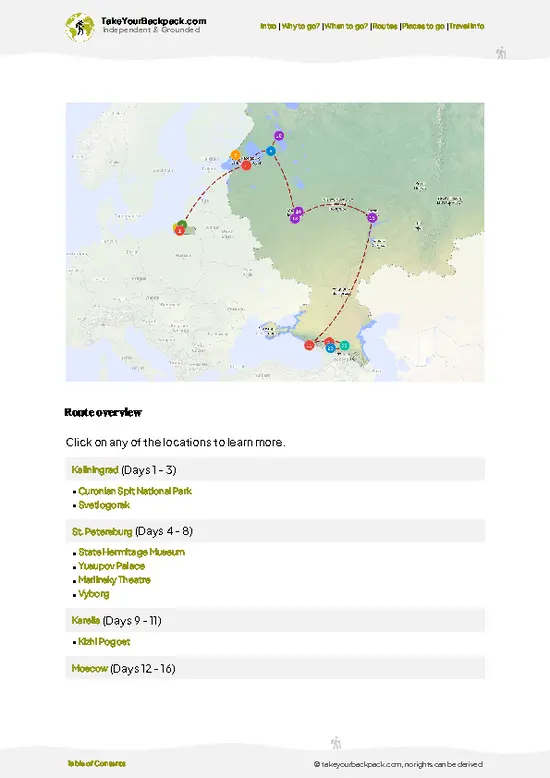
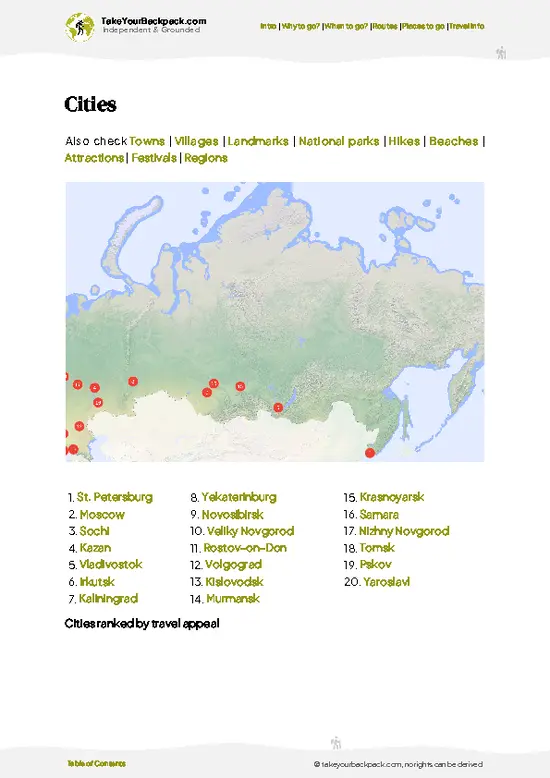
The Armoury Chamber
Let’s cut through the hype: yes, you’ll see Fabergé eggs, but the real thrill is the sheer audacity of Russian imperial bling. This is not a dusty museum—it’s a parade of diamond-encrusted carriages, medieval weaponry, and coronation dresses that look like they could stand up and rule on their own. The Armoury is where you realize the czars didn’t just want to rule Russia; they wanted to outshine every monarch in Europe. If you’re even slightly interested in the drama of power, this is where the Kremlin stops being a postcard and starts feeling like a Game of Thrones set, minus the dragons.
Cathedral Square
Instagram will show you the onion domes, but it won’t tell you about the echo of boots on ancient cobblestones or the way the sunlight hits the gold at 4 p.m. This … read more 👉
Let’s cut through the hype: yes, you’ll see Fabergé eggs, but the real thrill is the sheer audacity of Russian imperial bling. This is not a dusty museum—it’s a parade of diamond-encrusted carriages, medieval weaponry, and coronation dresses that look like they could stand up and rule on their own. The Armoury is where you realize the czars didn’t just want to rule Russia; they wanted to outshine every monarch in Europe. If you’re even slightly interested in the drama of power, this is where the Kremlin stops being a postcard and starts feeling like a Game of Thrones set, minus the dragons.
Cathedral Square
Instagram will show you the onion domes, but it won’t tell you about the echo of boots on ancient cobblestones or the way the sunlight hits the gold at 4 p.m. This … read more 👉
The Armoury Chamber
Let’s cut through the hype: yes, you’ll see Fabergé eggs, but the real thrill is the sheer audacity of Russian imperial bling. This is not a dusty museum—it’s a parade of diamond-encrusted carriages, medieval weaponry, and coronation dresses that look like they could stand up and rule on their own. The Armoury is where you realize the czars didn’t just want to rule Russia; they wanted to outshine every monarch in Europe. If you’re even slightly interested in the drama of power, this is where the Kremlin stops being a postcard and starts feeling like a Game of Thrones set, minus the dragons.
Cathedral Square
Instagram will show you the onion domes, but it won’t tell you about the echo of boots on ancient cobblestones or the way the sunlight hits the gold at 4 p.m. This is the Kremlin’s spiritual core—a cluster of cathedrals where tsars were crowned, married, and sometimes excommunicated. The frescoes inside the Assumption Cathedral are not just pretty—they’re centuries-old propaganda, painted to remind everyone who’s boss. Stand in the square and you’re standing where Ivan the Terrible, Peter the Great, and Stalin all walked. That’s not just history; that’s raw, unfiltered power.
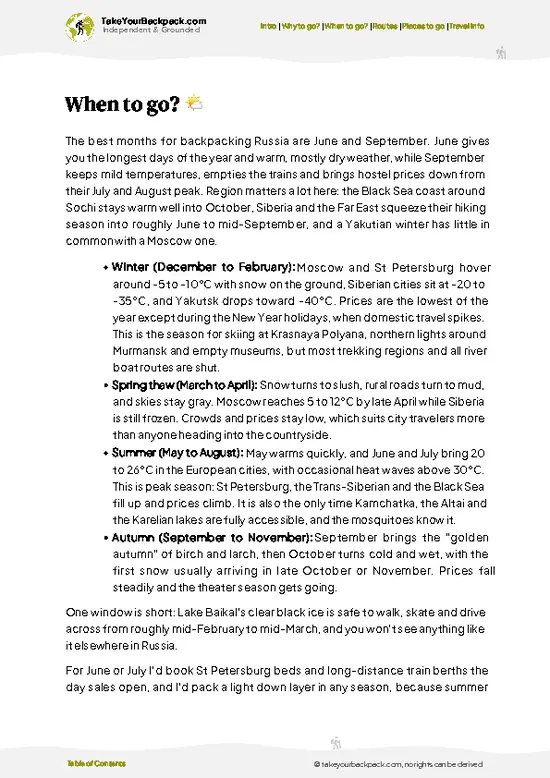
The Ivan the Great Bell Tower
Most people snap a photo and move on. Mistake. Climb the tower (if it’s open) and you get a panorama that makes Moscow’s scale hit home. The city sprawls in every direction, and for a moment, you’re above the politics and the tour groups. The bells themselves are monsters—one of them weighs as much as a blue whale. The view is worth the leg burn, and the sense of altitude is a reminder that the Kremlin was built to dominate, not just decorate.
The Tsar Cannon and Tsar Bell
These are not subtle. The Tsar Cannon is a 40-ton artillery piece that never fired a shot, and the Tsar Bell is the world’s largest bell, which cracked before it ever rang. Both are monuments to Russian ambition—bigger, heavier, more excessive than anything practical. They’re a reminder that the Kremlin is as much about spectacle as it is about function. Stand next to them and you’ll feel like a chess piece on someone else’s board.
Patriarch’s Palace and the Twelve Apostles’ Church
This one gets skipped by the crowds, which is exactly why it’s my personal favorite. The palace is a time capsule of 17th-century aristocratic life, with rooms that feel lived-in and oddly intimate compared to the rest of the Kremlin’s grandeur. The church next door is quieter, less gilded, but the icons glow in the half-light and the silence is a relief after the tourist crush outside. If you want to feel the human side of Russian history—what it was like to actually live inside these walls—this is where you find it.
Let’s cut through the hype: yes, you’ll see Fabergé eggs, but the real thrill is the sheer audacity of Russian imperial bling. This is not a dusty museum—it’s a parade of diamond-encrusted carriages, medieval weaponry, and coronation dresses that look like they could stand up and rule on their own. The Armoury is where you realize the czars didn’t just want to rule Russia; they wanted to outshine every monarch in Europe. If you’re even slightly interested in the drama of power, this is where the Kremlin stops being a postcard and starts feeling like a Game of Thrones set, minus the dragons.
Cathedral Square
Instagram will show you the onion domes, but it won’t tell you about the echo of boots on ancient cobblestones or the way the sunlight hits the gold at 4 p.m. This is the Kremlin’s spiritual core—a cluster of cathedrals where tsars were crowned, married, and sometimes excommunicated. The frescoes inside the Assumption Cathedral are not just pretty—they’re centuries-old propaganda, painted to remind everyone who’s boss. Stand in the square and you’re standing where Ivan the Terrible, Peter the Great, and Stalin all walked. That’s not just history; that’s raw, unfiltered power.
The Ivan the Great Bell Tower
Most people snap a photo and move on. Mistake. Climb the tower (if it’s open) and you get a panorama that makes Moscow’s scale hit home. The city sprawls in every direction, and for a moment, you’re above the politics and the tour groups. The bells themselves are monsters—one of them weighs as much as a blue whale. The view is worth the leg burn, and the sense of altitude is a reminder that the Kremlin was built to dominate, not just decorate.
The Tsar Cannon and Tsar Bell
These are not subtle. The Tsar Cannon is a 40-ton artillery piece that never fired a shot, and the Tsar Bell is the world’s largest bell, which cracked before it ever rang. Both are monuments to Russian ambition—bigger, heavier, more excessive than anything practical. They’re a reminder that the Kremlin is as much about spectacle as it is about function. Stand next to them and you’ll feel like a chess piece on someone else’s board.
Patriarch’s Palace and the Twelve Apostles’ Church
This one gets skipped by the crowds, which is exactly why it’s my personal favorite. The palace is a time capsule of 17th-century aristocratic life, with rooms that feel lived-in and oddly intimate compared to the rest of the Kremlin’s grandeur. The church next door is quieter, less gilded, but the icons glow in the half-light and the silence is a relief after the tourist crush outside. If you want to feel the human side of Russian history—what it was like to actually live inside these walls—this is where you find it.
Spotted a mistake or missing something? Contact us.

 Best Backpacking
.jpg) Hi, I’m Johan (Netherlands 🇳🇱), the creator of TakeYourBackpack. Over the past 3 decades, I’ve backpacked through 90+ countries across six continents, gaining extensive experience with independent travel, long-term trips, and overland routes.
Hi, I’m Johan (Netherlands 🇳🇱), the creator of TakeYourBackpack. Over the past 3 decades, I’ve backpacked through 90+ countries across six continents, gaining extensive experience with independent travel, long-term trips, and overland routes.