×

Russia🇷🇺 | best attractionsEssential 10 attractions to Explore in Russia

Russia’s vastness shapes its attractions in ways few countries can match. From the icy reaches of Siberia to the historic streets of Moscow and the cultural mosaic of St. Petersburg, the definition of a “must-see” shifts dramatically by region and season. For backpackers and independent travelers, understanding these shifts is crucial. The sheer scale means that travel logistics alone—distance, transport options, and weather—can dictate whether an attraction feels accessible or a drain on time and resources.

Choosing the right destination in Russia isn’t just about ticking off landmarks; it’s about aligning your itinerary with your travel style and priorities. Urban centers offer rich cultural immersion but come with higher costs and crowds, especially in peak summer. Remote areas provide raw landscapes and quieter experiences but demand more preparation and flexibility, often affecting safety and ease of travel. Seasonal changes are stark: winter can close off some routes but open unique opportunities like the Northern Lights or ice festivals, while summer brings long days and easier access but also tourist surges.

For backpackers, the key is balancing these factors to preserve energy and budget for moments that truly resonate. Selecting attractions with an eye on regional nuances and travel realities ensures your journey through Russia is efficient, safe, and culturally rewarding.

By Johan Kruseman 🇳🇱 | Updated June 8, 2026
Explore the best festivals in Russia

Why go?What Makes Them Special

Why These Attractions Matter

Russia’s attractions stand apart not just because of their scale but due to the complex interplay of history, geography, and culture that shapes them. Unlike many countries where attractions cluster within manageable distances, Russia’s vastness demands a clear-eyed understanding of travel logistics. The sheer size of the country means that reaching many sites involves long journeys, often by train or plane, which can consume significant time and energy. This is a crucial trade-off: the deeper the exploration, the more patience and planning are required. Travelers must weigh whether to prioritize breadth—sampling a variety of regions—or depth, immersing themselves fully in fewer places.

The country’s historical layers add another dimension. Russia’s attractions are … read more 👉
Why These Attractions Matter

Russia’s attractions stand apart not just because of their scale but due to the complex interplay of history, geography, and culture that shapes them. Unlike many countries where attractions cluster within manageable distances, Russia’s vastness demands a clear-eyed understanding of travel logistics. The sheer size of the country means that reaching many sites involves long journeys, often by train or plane, which can consume significant time and energy. This is a crucial trade-off: the deeper the exploration, the more patience and planning are required. Travelers must weigh whether to prioritize breadth—sampling a variety of regions—or depth, immersing themselves fully in fewer places.

The country’s historical layers add another dimension. Russia’s attractions are steeped in narratives that span centuries of empire, revolution, and cultural fusion. This makes the experience richer but also more demanding. To truly grasp the significance of many sites, a traveler benefits from some background knowledge or guided interpretation. Without this, the weight of history can feel abstract or overwhelming. The payoff is a perspective on global history and culture that few other countries can offer, but it requires mental investment alongside physical travel.

Geographically, Russia’s attractions are spread across diverse climates and terrains—from the frozen tundra to temperate forests and sprawling steppes. This diversity means that timing your visit is critical. Winters can be brutally cold and limit accessibility, while summers open up vast natural landscapes but bring their own challenges, such as mosquitoes or crowded peak seasons. Infrastructure outside major cities can be sparse, so travelers should prepare for variable conditions and limited services. This reality shapes the kind of experience one can expect: rugged and authentic, but not always convenient.

Accessibility is another key consideration. While Russia’s major urban centers offer well-developed transport and tourist facilities, many of its most compelling attractions lie far from these hubs. This creates a tension between ease of access and authenticity. Those willing to endure longer travel times and less polished amenities are rewarded with encounters that feel less curated and more genuine. Conversely, sticking to easily reachable sites may offer comfort but at the expense of missing the country’s deeper character.

Ultimately, Russia’s attractions matter because they challenge travelers to balance ambition with realism. The country demands respect for its scale and complexity, but those who navigate these trade-offs thoughtfully find experiences that resonate far beyond typical sightseeing. Understanding these constraints upfront preserves your energy and budget for moments that truly matter, making the journey worthwhile rather than exhausting.
Evaluating the Top Choices
The list of best attractions in Russia is created based on cultural significance or entertainment value. If you feel a attraction is missing in this list, please let us know.

When to go?Timing Your Visit for the Best Experience

Seasonal Patterns and Their Impact on Visiting Attractions


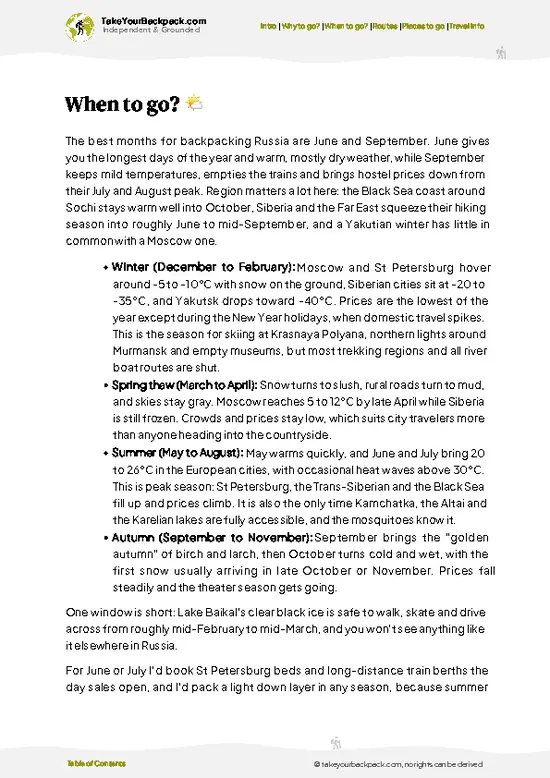
Russia’s vastness means its climate varies widely, but some broad seasonal trends shape the visitor experience across the country. Winter is long and harsh, with temperatures often plunging well below freezing. This season transforms many outdoor attractions into icy landscapes, which can be mesmerizing but also challenging. Roads and transport can slow down, and some sites may close or limit access due to snow and cold. If you’re not prepared for severe cold, winter can drain your energy and complicate logistics.

Spring and autumn serve as transitional periods, often called shoulder seasons. These months bring milder weather but also unpredictability. Early spring can still feel like winter in many areas, with lingering snow and … read more 👉

Seasonal Patterns and Their Impact on Visiting Attractions


Russia’s vastness means its climate varies widely, but some broad seasonal trends shape the visitor experience across the country. Winter is long and harsh, with temperatures often plunging well below freezing. This season transforms many outdoor attractions into icy landscapes, which can be mesmerizing but also challenging. Roads and transport can slow down, and some sites may close or limit access due to snow and cold. If you’re not prepared for severe cold, winter can drain your energy and complicate logistics.

Spring and autumn serve as transitional periods, often called shoulder seasons. These months bring milder weather but also unpredictability. Early spring can still feel like winter in many areas, with lingering snow and muddy conditions. Late autumn tends to be damp and chilly, with shorter daylight hours. The upside is fewer tourists and lower prices, which can make for a quieter, more affordable visit. However, some attractions might operate on reduced schedules, and weather-related disruptions remain a risk.

Summer is the most straightforward time to visit for reliable access and comfortable conditions. Temperatures are generally warm, sometimes hot, especially in southern regions. Days are long, providing ample daylight to explore. This season sees the highest influx of visitors, which means popular attractions can be crowded and accommodation prices peak. Booking well in advance is essential during this period to avoid last-minute hassles. Summer also brings the advantage of festivals and cultural events, but these can add to the crowds and cost.

The choice of when to visit hinges on what you prioritize. If avoiding crowds and saving money are key, shoulder seasons offer a reasonable compromise, but expect some trade-offs in weather and availability. For those who want to maximize access and comfort, summer is the safest bet, albeit at a premium. Winter appeals to travelers prepared for cold and interested in seasonal activities like ice festivals or winter landscapes, but it demands more planning and resilience.

In short, Russia’s attractions are shaped by the seasons in ways that affect accessibility, comfort, and cost. Understanding these patterns helps avoid surprises and preserves your energy for the moments that truly matter during your trip.

attraction hoppingHow to Combine attractions Into One Trip

Efficiently Combining Russia’s Top Attractions


Navigating Russia’s vastness requires more than just enthusiasm; it demands a clear strategy rooted in geography and realistic expectations. The key to combining multiple attractions lies in recognizing the country’s natural regional clusters. Moscow and St. Petersburg form the classic cultural duo in the west, while the Trans-Siberian corridor stretches eastward, linking a series of distinct landscapes and cities. Attempting to zigzag across these zones wastes time and energy better spent soaking in the experience.

Start by grouping destinations within the same region or along a logical travel axis. For example, exploring the Golden Ring towns around Moscow before heading north to St. Petersburg makes sense. Similarly, if venturing into Siberia, … read more 👉

Efficiently Combining Russia’s Top Attractions


Navigating Russia’s vastness requires more than just enthusiasm; it demands a clear strategy rooted in geography and realistic expectations. The key to combining multiple attractions lies in recognizing the country’s natural regional clusters. Moscow and St. Petersburg form the classic cultural duo in the west, while the Trans-Siberian corridor stretches eastward, linking a series of distinct landscapes and cities. Attempting to zigzag across these zones wastes time and energy better spent soaking in the experience.

Start by grouping destinations within the same region or along a logical travel axis. For example, exploring the Golden Ring towns around Moscow before heading north to St. Petersburg makes sense. Similarly, if venturing into Siberia, plan stops along the Trans-Siberian Railway sequentially rather than jumping between distant points. This approach minimizes backtracking and maximizes immersion.

Time allocation per stop is crucial. Major cities like Moscow or St. Petersburg deserve at least three full days each to appreciate their layers of history, architecture, and culture without rushing. Smaller towns or natural sites typically require one to two days, depending on the depth of interest. Overloading the itinerary with too many stops dilutes the experience and leads to travel fatigue, a common pitfall. It’s better to savor fewer places than to skim the surface of many.

A frequent mistake is underestimating travel times. Distances in Russia are deceptive; what looks close on a map can mean hours or even days of transit. High-speed trains and domestic flights help but come at a premium. Budget travelers must weigh the cost of faster transport against the value of extra sightseeing time. Conversely, those prioritizing comfort should avoid overnight trains unless prepared for basic conditions.

Balancing speed and depth is a constant trade-off. Rushing through iconic sites risks missing their essence, while lingering too long can exhaust resources and patience. Flexibility in the schedule allows for unexpected discoveries or necessary rest. Strategic planning means setting realistic daily goals, factoring in transit delays, and leaving buffer time for local experiences that don’t appear on any itinerary.

Ultimately, combining Russia’s best attractions into one trip is about respecting scale and complexity. Thoughtful routing, sensible pacing, and honest budgeting protect travelers from burnout and disappointment. This disciplined approach preserves energy and funds for the moments that truly define the journey.

The ListHighly Recommended attractions of Russia

1 Red Square & Saint Basil’s Cathedral

iconic domes, cobblestone plaza, political ceremonies

Stand at the heart of Moscow where architectural landmarks and public events define the city’s historic center.

russia-attraction-red-square-saint-basils-cathedral
© Google |

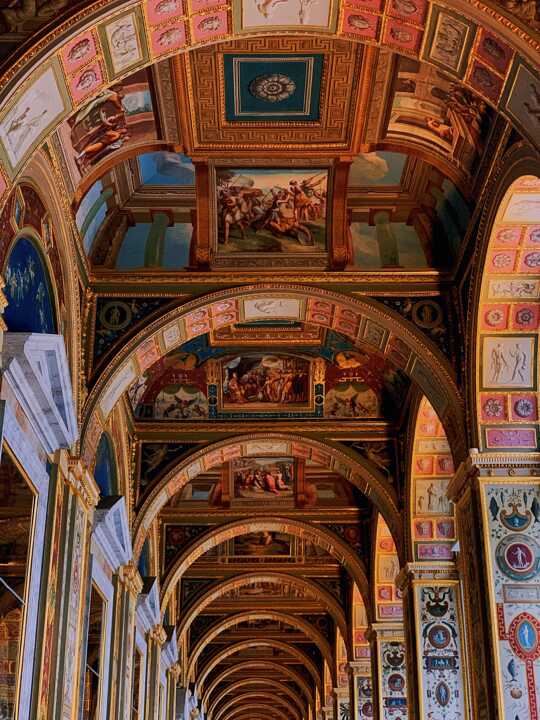
2 State Hermitage Museum

Winter Palace, global art collections, gilded halls

Navigate vast galleries filled with masterpieces and decorative arts in a sprawling riverside complex.

Russia - State Hermitage Museum

3 Moscow Kremlin

fortified walls, cathedral squares, presidential residence

Walk through a complex of palaces, churches, and museums that reflect centuries of political and religious power.

russia-attraction-moscow-kremlin
© Google |

4 Kremlin Armoury Museum

royal regalia, ceremonial weapons, Fabergé treasures

Survey centuries of Russian statecraft through displays of coronation attire, ornate carriages, and diplomatic gifts.

6 Russian Museum

national art, imperial palace, folk traditions

Discover Russian painting, sculpture, and folk art in galleries housed within a former royal residence.

russia-attraction-russian-museum
© Google |

7 Peter and Paul Fortress

riverside citadel, royal tombs, prison museum

Explore a fortified island with panoramic river views, burial sites of tsars, and exhibits on imperial history.

8 Fabergé Museum

imperial eggs, decorative arts, restored palace

View intricate jeweled objects and rare artifacts displayed in a lavish setting that highlights craftsmanship from the Romanov era.

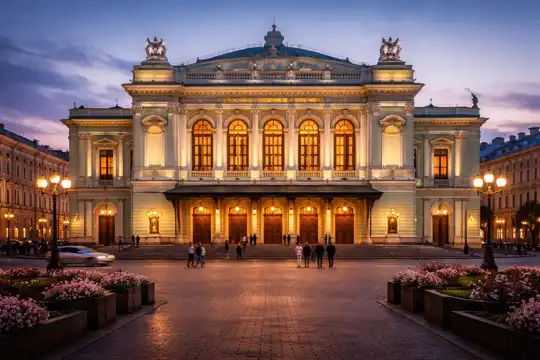
9 Mariinsky Theatre

opera house, classical repertoire, ornate interiors

Experience world-class productions in a historic venue renowned for its acoustics and connection to Russian performing arts.

Russia - Mariinsky Theatre

10 Bolshoi Theatre

neoclassical façade, ballet and opera, grand auditorium

Attend a performance in a venue where acoustics, ornate interiors, and a storied repertoire create a distinct cultural experience.

Russia - Bolshoi Theatre

11 Pushkin State Museum of Fine Arts

European paintings, ancient artifacts, sculpture halls

Browse collections spanning classical antiquity to modern art in a museum known for its breadth and educational focus.

12 Mamayev Kurgan & The Motherland Calls Statue

war memorial, panoramic hilltop, monumental sculpture

Climb a symbolic site overlooking Volgograd, where memorials and vast views commemorate the Battle of Stalingrad.

13 Suzdal Kremlin & Museum Complex

white-stone churches, wooden architecture, rural landscape

Wander among centuries-old structures and open-air exhibits that illustrate the evolution of Russian rural life.

14 Yusupov Palace

aristocratic mansion, private theater, Rasputin legend

Tour lavish interiors and learn about dramatic episodes from Russian history in a palace once home to a powerful family.

15 Moscow Metro

underground mosaics, marble columns, art deco stations

Travel between neighborhoods while viewing elaborate station designs that double as public art installations.

16 Gorky Park

riverfront lawns, outdoor events, cycling paths

Relax or join locals in open-air activities, seasonal festivals, and recreational spaces along the Moscow River.

17 VDNKh

Soviet pavilions, space monuments, exhibition grounds

Stroll through themed pavilions, fountains, and open spaces that showcase Soviet-era achievements and design.

18 Perm-36 Gulag Museum

prison barracks, labor camp relics, Soviet repression

Tour preserved camp structures and exhibitions that document the realities of political imprisonment in the Soviet era.

19 Circus on Tsvetnoy Boulevard

historic circus ring, animal acts, family audience

Watch traditional and contemporary circus performances in a venue known for its elaborate costumes and enduring local popularity.

Think you know Russia?

Prove you’re a true local — uncover 9 lesser-known attractions in Russia that locals tend to keep to themselves.
Loading the map 🌍

Expert viewTips and Advice from Travelers

Expert Commentary


Russia is vast—so vast that the sheer number of attractions can overwhelm even the most seasoned traveler. The first reality check is this: you won’t see it all, and trying to do so is a recipe for exhaustion and frustration. A practical approach is to pick a handful of attractions that align with your interests and travel style. For most travelers, focusing on three to five major sites or experiences across different regions strikes the right balance between depth and breadth. This allows you to absorb the local culture and history without rushing through a checklist.

Expect the time commitment to vary widely depending on where you go. Some attractions demand only a few hours, while others require a full day or more, especially when factoring in travel time. Distances … read more 👉

Expert Commentary


Russia is vast—so vast that the sheer number of attractions can overwhelm even the most seasoned traveler. The first reality check is this: you won’t see it all, and trying to do so is a recipe for exhaustion and frustration. A practical approach is to pick a handful of attractions that align with your interests and travel style. For most travelers, focusing on three to five major sites or experiences across different regions strikes the right balance between depth and breadth. This allows you to absorb the local culture and history without rushing through a checklist.

Expect the time commitment to vary widely depending on where you go. Some attractions demand only a few hours, while others require a full day or more, especially when factoring in travel time. Distances between points of interest can be deceptive; what looks close on a map might involve several hours on regional trains or buses. This is where realistic planning becomes crucial. Don’t underestimate the time lost to transit, especially outside major urban centers where infrastructure can be patchy. Budget accordingly—not just for entrance fees or guided tours, but for transportation, meals, and occasional overnight stays near remote sites.

Speaking of budget, Russia’s attractions range from free or low-cost public spaces to pricey, ticketed museums and cultural performances. The key is to prioritize what matters most to you. If you’re drawn to history and architecture, investing in guided tours or audio guides can transform your experience from surface-level to deeply insightful. Conversely, if you prefer natural landscapes or local markets, many of these come with minimal costs but require patience and a willingness to navigate language barriers. Keep in mind that some attractions have seasonal pricing or limited opening hours, so timing your visit can save both money and hassle.

Regional variation is a defining feature of Russia’s attractions. The cultural vibe, accessibility, and even the quality of visitor services can shift dramatically from one area to another. In western parts, you’ll find more developed tourism infrastructure, including multilingual signage and reliable public transport. Move east or into rural regions, and you’ll encounter fewer tourists, less English spoken, and a more rugged travel experience. This isn’t a drawback but a trade-off: the less polished the setting, the more authentic the encounter—if you’re prepared for it. Planning here means factoring in extra time for navigation and possibly hiring local guides who can bridge language and cultural gaps.

Safety is another layer to consider. While Russia is generally safe for travelers, petty crime can occur, especially in crowded tourist spots. Staying alert and securing your belongings is standard advice, but it’s worth emphasizing given the size and diversity of the country. Additionally, some regions have travel advisories or restrictions due to political or environmental reasons. Always check the latest guidance before finalizing your itinerary. Cultural respect goes hand in hand with safety. Understanding local customs—like appropriate dress codes in religious sites or etiquette in public spaces—helps avoid misunderstandings and enriches your experience. Russians tend to appreciate when visitors make an effort to learn basic phrases or show awareness of social norms.

One common pitfall is overloading your schedule with too many attractions. The temptation to cram in everything can backfire, leaving you drained and unable to savor the moments that truly matter. Instead, focus on quality over quantity. Spending extra time at fewer sites often reveals layers of history, art, or nature that a quick visit misses. For example, a single museum or historic complex can take half a day or more if you want to engage fully. This approach also allows for spontaneous discoveries—like a local festival or a tucked-away café—that don’t appear on any itinerary but become highlights.

Infrastructure challenges are real and should shape your expectations. Outside major cities, public transport options can be limited, schedules irregular, and signage minimal. Renting a car might seem like a solution, but be prepared for variable road conditions and sometimes aggressive driving styles. Alternatively, domestic flights can save time but add cost and require advance booking. When planning, build in buffer time for delays or unexpected changes. Flexibility is your best friend here. I’ve learned the hard way that a missed train or a closed attraction can derail a day, but with a relaxed mindset, these moments often lead to unexpected adventures.

Language barriers are another practical consideration. English is not widely spoken outside tourist hubs, so having a translation app or phrasebook is essential. For deeper cultural sites, hiring a local guide who speaks your language can transform your visit. They provide context that signs and brochures often lack, especially in less-visited areas. This investment pays off by turning a simple sightseeing stop into a meaningful encounter with history and local life.

Finally, keep in mind that Russia’s climate and seasons affect what you can realistically do. Winters are long and harsh in many regions, limiting outdoor activities and sometimes closing attractions. Summers bring long daylight hours but also crowds and higher prices. Shoulder seasons can offer a sweet spot of fewer tourists and manageable weather but require careful planning as some services may be reduced. Align your itinerary with the season to maximize comfort and access.

In sum, the secret to enjoying Russia’s attractions lies in thoughtful selection, realistic pacing, and respect for local conditions. Prioritize a manageable number of sites, budget for the full travel experience, and prepare for regional differences in infrastructure and culture. This approach preserves your energy and resources for the moments that truly define your trip, turning a potentially overwhelming journey into a rewarding exploration.

✈️ The backpacker research shortcutRussia Travel Guide

An offline-friendly backpacking guide with optimized travel routes, ranked highlights, transport advice, and the best areas to stay.
example page 0 from our offline Travel Guide for Russia
example page 1 from our offline Travel Guide for Russia
example page 2 from our offline Travel Guide for Russia
example page 3 from our offline Travel Guide for Russia
example page 4 from our offline Travel Guide for Russia
example page 5 from our offline Travel Guide for Russia
example page 6 from our offline Travel Guide for Russia
example page 7 from our offline Travel Guide for Russia
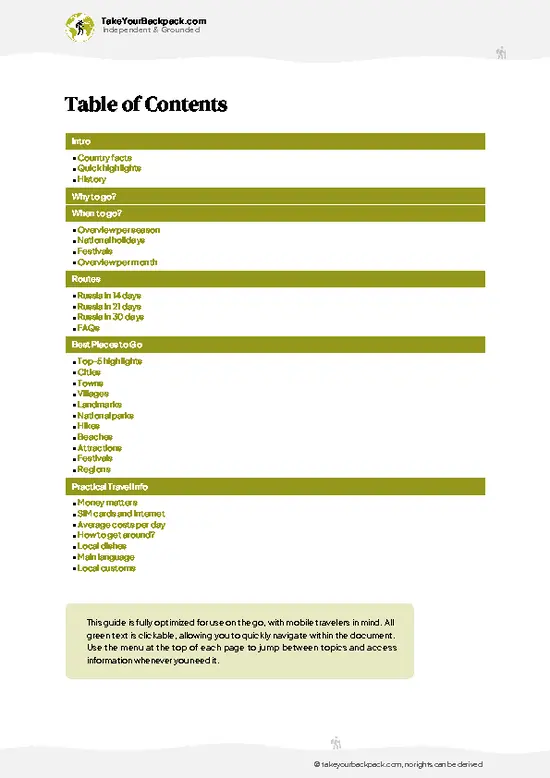
The digital guide (425 pages) contains:
115 highlights, ranked by travel appeal
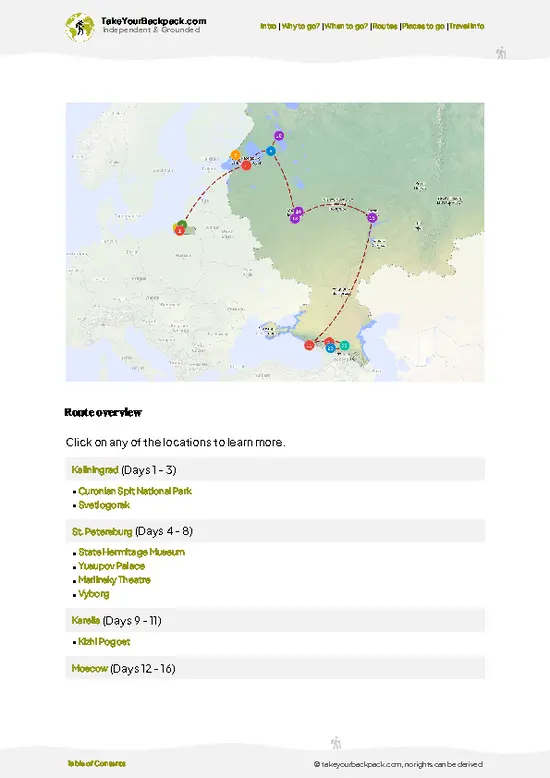
Optimized 14, 21 & 30-day travel routes
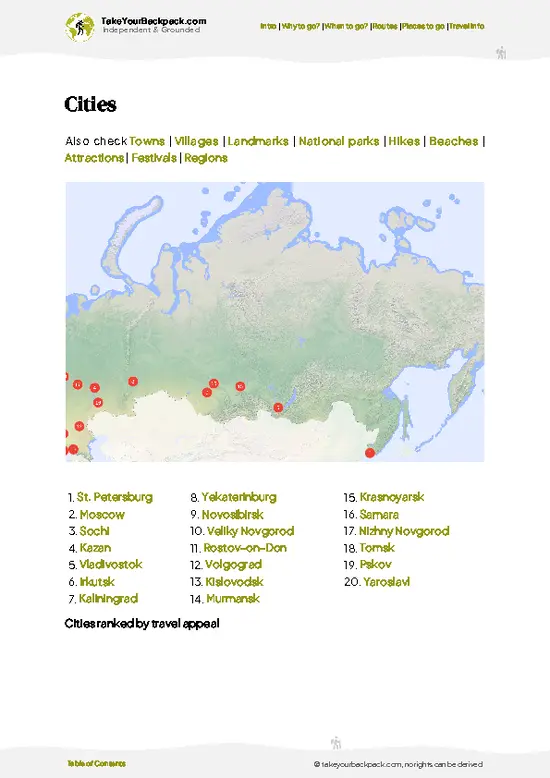
Cities, national parks, landmarks, beaches
How to get around
Offline-friendly for travel without Wi-Fi
👉 Click to see all 30+ guide features

📅 Plan smarter in minutes, not weeks
Month by month travel advice
Festivals & national holidays
Budget expectations

🗺️ Go to the right places, skip the overrated ones
Honest pros & cons of destinations
Top hikes, parks & viewpoints
Lesser-known places most travelers miss
Clear “worth it vs skip it” guidance

🛏️ Travel smoothly without rookie mistakes
Best areas to stay
Transport systems explained simply
Common scams & safety advice
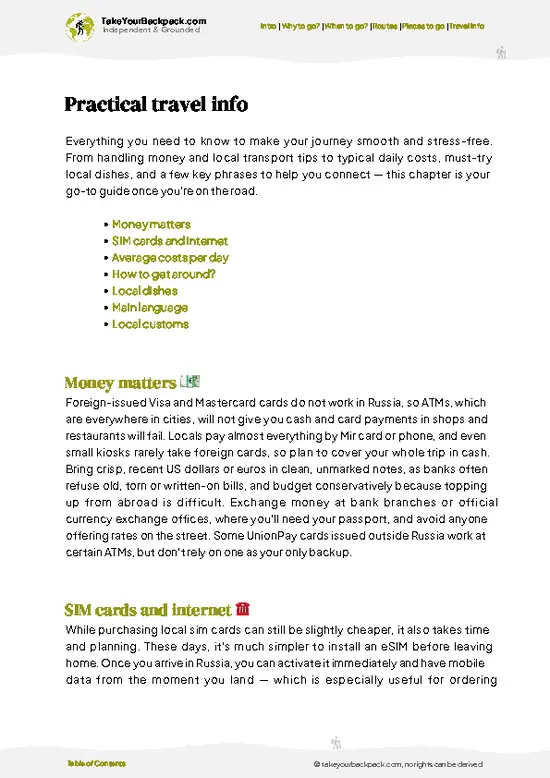
SIM cards, money & practical tips

🌍 Understand the country, not just visit it
Culture & traditions
52 Essential phrases & customs
Festivals worth planning around
Traveler-friendly historical context
Insights that make places more meaningful

📱 Built for real travel conditions
Fully downloadable PDF
Works completely offline
Optimized for phone use
Useful in remote areas & buses
Everything in one place
Save weeks of stressful planning
Get instant access to your full guide. 30‑day money-back guarantee.


By proceeding you agree to our terms.
Sent to your inbox immediately after payment • 100% Secure Checkout
Best Backpacking Travel Advisor 2025 tourism awardBest Backpacking
Travel Advisor
2025
What others say about Take Your Backpack Guides:
⭐⭐⭐⭐⭐
Fantastic, amazing amount of information!
⭐⭐⭐⭐⭐
My goodness this is amazing, it's what I've been looking for hats off too you!
⭐⭐⭐⭐⭐
I think this is absolutely BRILLIANT
⭐⭐⭐⭐
Very complete and informative. It's still missing places, but I gotta to commend you
⭐⭐⭐⭐⭐
This is truly amazing, thank you, can't wait to explore it with my kids!
⭐⭐⭐⭐⭐
Awesome resource, thank you!
⭐⭐⭐⭐⭐
This is amazing! Can't wait to explore the ones I haven't seen
⭐⭐⭐⭐
I love this! Well done, great idea.
⭐⭐⭐⭐⭐
Thanks for taking the time to make this gem!
⭐⭐⭐⭐⭐
This might be the best website I've ever seen.
⭐⭐⭐⭐⭐
Congratulations, and thank you so much for your work; it's incredibly valuable.
⭐⭐⭐⭐
In all seriousness I think you did a great job pointing out the important spots
⭐⭐⭐⭐⭐
10/10 very good
⭐⭐⭐⭐⭐
As someone who's only just starting to visit regularly this is awesome, thank you.
⭐⭐⭐⭐
Thank you very much! I'm going to visit my dad, it's going to be very useful!
⭐⭐⭐⭐⭐
This is really cool! We'll be travelling for the first time and this definitely come in handy.
⭐⭐⭐⭐⭐
You are now our minister of culture, congratulations 👨‍💼
⭐⭐⭐⭐⭐
Just wanted to tell you that this is a pearl! Going to follow your recommendations.
⭐⭐⭐⭐⭐
This is so cool. I'll definitely be using the resource for my travels soon.
⭐⭐⭐⭐⭐
This is very impressive! Good work.
⭐⭐⭐⭐⭐
This is an amazing and informative site. Very well done!

🛏️ Where to stay?Top Places to Consider Staying

Yes — hostels and budget guesthouses are common in Russia’s main cities and tourist hubs such as Moscow, St. Petersburg, Kazan, Irkutsk (for Baikal) and Sochi, so backpackers can usually find cheap beds in city centres and near train stations.
In Moscow the densest options sit around Arbat, Kitai‑Gorod, Tverskaya and the rail‑terminal area near Komsomolskaya; in St. Petersburg most budget places cluster on Nevsky Prospekt, in Admiralteysky district and on Vasilievsky / Petrogradsky islands, while regional cities concentrate choices in central districts and beside main stations.
Pros and cons: Arbat/Kitai = best for Red Square access and tourist services but crowded and pricier; Tverskayaread more 👉
Yes — hostels and budget guesthouses are common in Russia’s main cities and tourist hubs such as Moscow, St. Petersburg, Kazan, Irkutsk (for Baikal) and Sochi, so backpackers can usually find cheap beds in city centres and near train stations.
In Moscow the densest options sit around Arbat, Kitai‑Gorod, Tverskaya and the rail‑terminal area near Komsomolskaya; in St. Petersburg most budget places cluster on Nevsky Prospekt, in Admiralteysky district and on Vasilievsky / Petrogradsky islands, while regional cities concentrate choices in central districts and beside main stations.
Pros and cons: Arbat/Kitai = best for Red Square access and tourist services but crowded and pricier; Tverskaya = excellent transport and nightlife, busier and less quiet; Komsomolskaya = cheapest and ideal for train connections but noisy; Nevsky/Admiralteysky = immediate museum/nightlife access yet very touristy; Vasilievsky/Petrogradsky = calmer and more local but a bit farther from flagship sights; central/station areas in regional towns = economical and practical for transit but often noisy and lower on atmosphere.

If you enjoy meeting fellow travelers, consider choosing hostels with high ratings for atmosphere. On the other hand, if you prefer having your own space, a hotel might be a better option.

RussiaMore Places Across Russia

👋 Meet the founderWho’s Behind Take Your Backpack?

Johan, backpacker and founder of TakeYourBackpackHi, I’m Johan (Netherlands 🇳🇱), the creator of TakeYourBackpack. Over the past decade, I’ve backpacked through 80+ countries across six continents, gaining extensive experience with independent travel, long-term trips, and overland routes.

This site is built on a combination of firsthand travel experience and carefully curated insights from other backpackers. Many guides are based on places I’ve personally visited, while others bring together tips, observations, and practical advice shared by trusted travelers I’ve met along the way.

The goal is to provide realistic, experience-driven guidance — not generic itineraries — so you can explore destinations with better context, clearer expectations, and more confidence.

Get full Russia guide •
Instant download • 115 highlights • Full Offline guide