
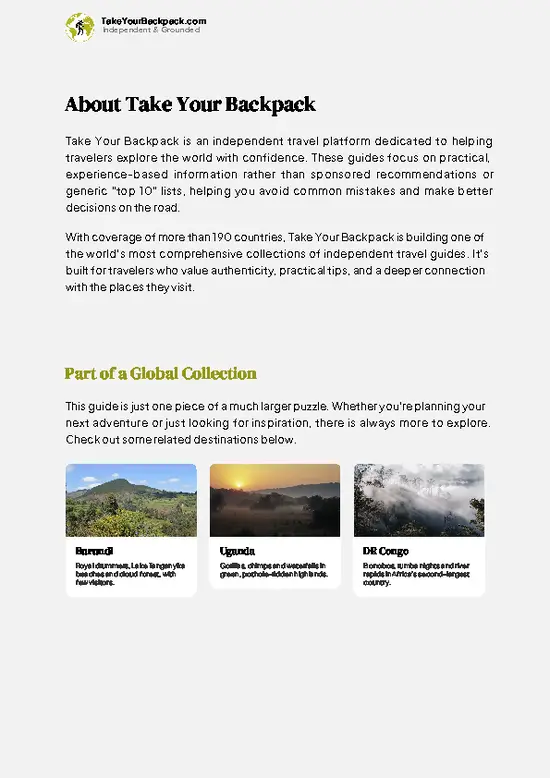
1. The Drumbeat of Real Rwanda: Live Artisan Demonstrations
Forget the staged “cultural experiences” you see on travel brochures. At Caplaki, you’re not watching a show—you’re in the workshop. The artists here aren’t actors. They’re the same people who designed the baskets, carved the masks, and painted the canvases you see for sale. You’ll hear the scrape of wood, the snap of weaving reeds, and the low hum of Kinyarwanda conversation. If you want to understand Rwanda’s creative pulse, stand here for ten minutes. You’ll see hands moving faster than your eyes can follow, and you’ll realize: this isn’t just craft, it’s living heritage.
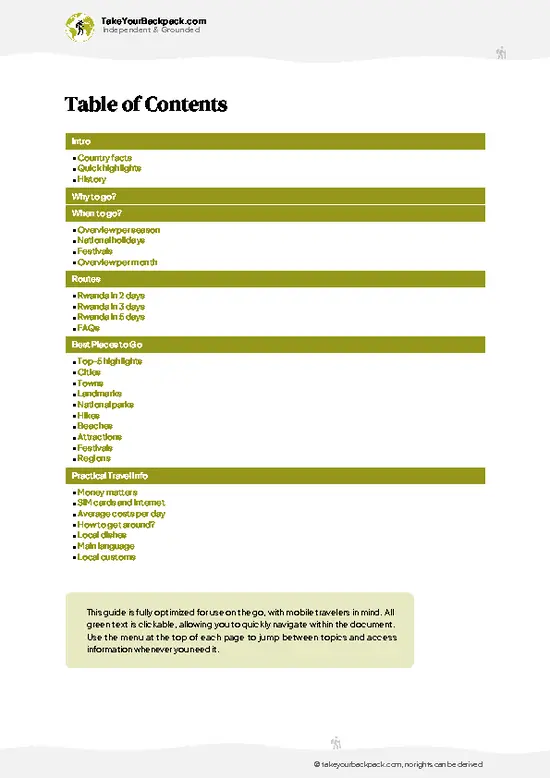
2. The Marketplace Without the Middleman: Direct-to-Artist Shopping
Caplaki isn’t a tourist trap where you pay triple for mass-produced souvenirs. The stalls … read more 👉
Forget the staged “cultural experiences” you see on travel brochures. At Caplaki, you’re not watching a show—you’re in the workshop. The artists here aren’t actors. They’re the same people who designed the baskets, carved the masks, and painted the canvases you see for sale. You’ll hear the scrape of wood, the snap of weaving reeds, and the low hum of Kinyarwanda conversation. If you want to understand Rwanda’s creative pulse, stand here for ten minutes. You’ll see hands moving faster than your eyes can follow, and you’ll realize: this isn’t just craft, it’s living heritage.
2. The Marketplace Without the Middleman: Direct-to-Artist Shopping
Caplaki isn’t a tourist trap where you pay triple for mass-produced souvenirs. The stalls … read more 👉
1. The Drumbeat of Real Rwanda: Live Artisan Demonstrations
Forget the staged “cultural experiences” you see on travel brochures. At Caplaki, you’re not watching a show—you’re in the workshop. The artists here aren’t actors. They’re the same people who designed the baskets, carved the masks, and painted the canvases you see for sale. You’ll hear the scrape of wood, the snap of weaving reeds, and the low hum of Kinyarwanda conversation. If you want to understand Rwanda’s creative pulse, stand here for ten minutes. You’ll see hands moving faster than your eyes can follow, and you’ll realize: this isn’t just craft, it’s living heritage.
2. The Marketplace Without the Middleman: Direct-to-Artist Shopping
Caplaki isn’t a tourist trap where you pay triple for mass-produced souvenirs. The stalls are run by cooperatives and individual artists. When you buy a basket, you’re handing your francs to the person who wove it. Prices are negotiable, but don’t expect rock-bottom deals—this is about fair trade, not flea market haggling. The real value? You get the story behind the piece, straight from the source. Ask about the meaning of a pattern or the origin of a wood. You’ll walk away with more than a trinket; you’ll have a piece of someone’s story.
3. The Color Riot: Imigongo Art
If you’ve seen those hypnotic, geometric black-and-white patterns on Instagram, here’s where they’re born. Imigongo is a Rwandan art form made from cow dung (yes, really), painted in bold, earthy colors. At Caplaki, you can see the real deal—thick, textured panels that feel alive under your fingertips. The artists will explain the symbolism if you ask. This isn’t just wall decor; it’s a centuries-old tradition that survived genocide and reinvention. It’s tactile, it’s weird, and it’s absolutely Rwandan.
4. The Soundtrack: Spontaneous Music and Dance
No, there’s no fixed schedule. But if you linger, you might catch a group of artists breaking into song, drumming, or even a quick dance. It’s not for your camera—it’s for themselves, and you’re just lucky to witness it. The energy is contagious. If you’re brave, join in. Nobody’s judging your rhythm.
5. The Crash Course in Rwandan Identity: Masks and Symbolism
Caplaki’s mask selection isn’t just for decoration. Each mask tells a story—of spirits, ancestors, or local legends. The artists will explain the difference between a mask for celebration and one for protection. This is your shortcut to understanding Rwandan folklore, without a museum’s glass barrier. If you want a souvenir with soul, start here.
Forget the staged “cultural experiences” you see on travel brochures. At Caplaki, you’re not watching a show—you’re in the workshop. The artists here aren’t actors. They’re the same people who designed the baskets, carved the masks, and painted the canvases you see for sale. You’ll hear the scrape of wood, the snap of weaving reeds, and the low hum of Kinyarwanda conversation. If you want to understand Rwanda’s creative pulse, stand here for ten minutes. You’ll see hands moving faster than your eyes can follow, and you’ll realize: this isn’t just craft, it’s living heritage.
2. The Marketplace Without the Middleman: Direct-to-Artist Shopping
Caplaki isn’t a tourist trap where you pay triple for mass-produced souvenirs. The stalls are run by cooperatives and individual artists. When you buy a basket, you’re handing your francs to the person who wove it. Prices are negotiable, but don’t expect rock-bottom deals—this is about fair trade, not flea market haggling. The real value? You get the story behind the piece, straight from the source. Ask about the meaning of a pattern or the origin of a wood. You’ll walk away with more than a trinket; you’ll have a piece of someone’s story.
3. The Color Riot: Imigongo Art
If you’ve seen those hypnotic, geometric black-and-white patterns on Instagram, here’s where they’re born. Imigongo is a Rwandan art form made from cow dung (yes, really), painted in bold, earthy colors. At Caplaki, you can see the real deal—thick, textured panels that feel alive under your fingertips. The artists will explain the symbolism if you ask. This isn’t just wall decor; it’s a centuries-old tradition that survived genocide and reinvention. It’s tactile, it’s weird, and it’s absolutely Rwandan.
4. The Soundtrack: Spontaneous Music and Dance
No, there’s no fixed schedule. But if you linger, you might catch a group of artists breaking into song, drumming, or even a quick dance. It’s not for your camera—it’s for themselves, and you’re just lucky to witness it. The energy is contagious. If you’re brave, join in. Nobody’s judging your rhythm.
5. The Crash Course in Rwandan Identity: Masks and Symbolism
Caplaki’s mask selection isn’t just for decoration. Each mask tells a story—of spirits, ancestors, or local legends. The artists will explain the difference between a mask for celebration and one for protection. This is your shortcut to understanding Rwandan folklore, without a museum’s glass barrier. If you want a souvenir with soul, start here.
Spotted a mistake or missing something? Contact us.
v2.webp)


Best Backpacking
Hi, I’m Johan (Netherlands 🇳🇱), the creator of TakeYourBackpack. Over the past decade, I’ve backpacked through 80+ countries across six continents, gaining extensive experience with independent travel, long-term trips, and overland routes.