×

Saint Barthélemy🇧🇱 | regionsMarigot BaySheltered cove, kitesurf lagoon, Lorient church, Saint Martin views | things to do and best time to go

Explore Grand FondExplore Colombier

Backpacking in Marigot Bay
🏆 Top pickregion ranked #1
By Johan Kruseman 🇳🇱 | Updated October 22, 2026

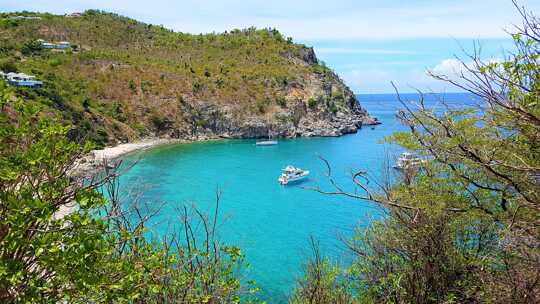
Decades ago Marigot Bay was a quiet fishing quarter, a few houses behind a beach where boats were pulled onto the sand. Today villas stack up the hillsides, and rental cars and scooters park along a narrow lane above the water. Marigot Bay sits on the north coast of Saint Barthélemy, a short drive from Gustavia. It is no place for nightlife, and there are no hostels, so the stay is pricey and calm. You come for the water. The cove is sheltered and shallow, and a slow swim here is easier than on the Atlantic-facing beaches. The road toward Grand Cul-de-Sac passes salt air, goats and low stone walls, and ends at a lagoon where the wind never quite drops. Lorient is next door if you want a village with a church and a bakery. The reward is a quiet corner of an expensive island. On clear days the hills of Saint Martin show on the horizon across the channel.

Discover everything you want to know in the 📖 Saint Barthélemy Travel Guide.


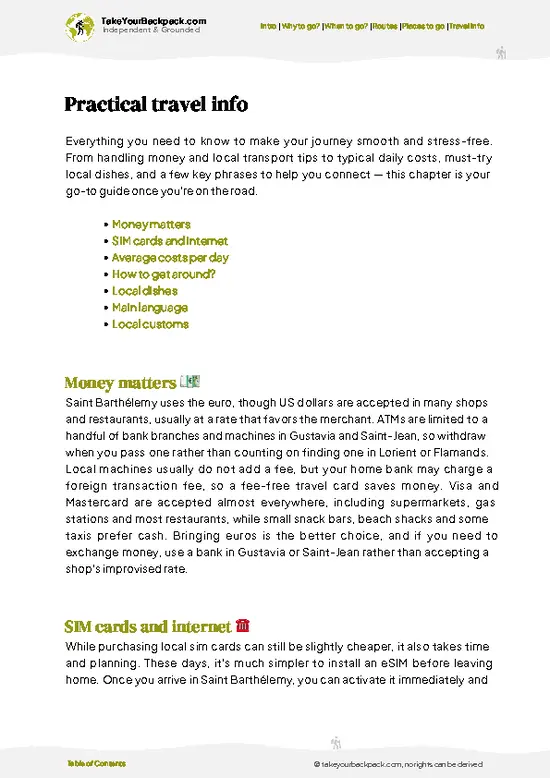
example page 0 from our offline Travel Guide for Saint Barthélemy
example page 1 from our offline Travel Guide for Saint Barthélemy
example page 2 from our offline Travel Guide for Saint Barthélemy
example page 3 from our offline Travel Guide for Saint Barthélemy
example page 4 from our offline Travel Guide for Saint Barthélemy
example page 5 from our offline Travel Guide for Saint Barthélemy
example page 6 from our offline Travel Guide for Saint Barthélemy
example page 7 from our offline Travel Guide for Saint Barthélemy
Loading the map 🌍
CLICK TO FILTER
towns
landmarks
hikes
beaches
attractions
festivals
regions
SHOW COUNTRY’S BESTSHOW ALL

✨ Why go?
Ranked #1 region in Saint Barthélemy
The unique appeal for travelers

Marigot Bay works as a base because the north coast packs several different beaches into a few minutes of driving. Grand Cul-de-Sac has the lagoon where kitesurfers and windsurfers share the shallows, Lorient has a surf break and a village center, and the bay itself offers calm swimming when the Atlantic side is rough. You can change scenery in the same morning without packing a bag.

The island is small, so slow travel is easy. A rental car or a scooter lets you move between coves at your own pace, and a morning swim, a lunch of grilled fish and an afternoon walk fit in the same day. The north also stays quieter than the Gustavia waterfront and the St Jean strip, which suits anyone who wants to hear the sea instead of a sound system.

Culture is part of the deal. Lorient’s church and cemetery … read more 👉
Marigot Bay works as a base because the north coast packs several different beaches into a few minutes of driving. Grand Cul-de-Sac has the lagoon where kitesurfers and windsurfers share the shallows, Lorient has a surf break and a village center, and the bay itself offers calm swimming when the Atlantic side is rough. You can change scenery in the same morning without packing a bag.

The island is small, so slow travel is easy. A rental car or a scooter lets you move between coves at your own pace, and a morning swim, a lunch of grilled fish and an afternoon walk fit in the same day. The north also stays quieter than the Gustavia waterfront and the St Jean strip, which suits anyone who wants to hear the sea instead of a sound system.

Culture is part of the deal. Lorient’s church and cemetery tell the story of the island’s Breton and Norman settlers, and the roadside stalls and small snack shacks give a sense of everyday life beyond the yacht scene.

💡 HighlightsThe experiences that define the visit

  1. Anse de Marigot: the small, sheltered beach for which the area is named. The water is shallow and calm, and the hills of Saint Martin show on the horizon. Free to visit.
  2. Anse du Grand Cul-de-Sac: a wide lagoon protected by a reef, popular with kitesurfers, windsurfers and paddleboarders. The shallows suit beginners and the beach bars serve lunch right on the sand.
  3. Anse du Petit Cul-de-Sac: a quiet inlet next to the larger lagoon with few people and little shade, good for a short swim and a look at the moored boats.
  4. Anse de Lorient: a long beach with a reliable surf break and a laid-back crowd of locals. Sit in the shade of the sea grapes and watch the surfers.
  5. Église Notre-Dame-de-l’Assomption de Lorient: the island’s oldest parish church, standing in the village center. It is simple and white,
… read more 👉
  1. Anse de Marigot: the small, sheltered beach for which the area is named. The water is shallow and calm, and the hills of Saint Martin show on the horizon. Free to visit.
  2. Anse du Grand Cul-de-Sac: a wide lagoon protected by a reef, popular with kitesurfers, windsurfers and paddleboarders. The shallows suit beginners and the beach bars serve lunch right on the sand.
  3. Anse du Petit Cul-de-Sac: a quiet inlet next to the larger lagoon with few people and little shade, good for a short swim and a look at the moored boats.
  4. Anse de Lorient: a long beach with a reliable surf break and a laid-back crowd of locals. Sit in the shade of the sea grapes and watch the surfers.
  5. Église Notre-Dame-de-l’Assomption de Lorient: the island’s oldest parish church, standing in the village center. It is simple and white, and the adjacent cemetery tells the story of the first settlers.
  6. Anse de Toiny: a rugged stretch of Atlantic coast with crashing waves and steep cliffs. Swimming is not safe here, but the viewpoints give a raw contrast to the calm bays.
  7. Anse de Grand Fond: a lesser-known cliff-top shoreline with goats, dry scrub and wind. Locals come for the walk and the empty view over the open ocean.
  8. Pointe Milou: a rocky headland with sea-view lookouts and rough water below. It is a short stop for photographs of the surf breaking on the black rocks.
  9. Saline Beach: a broad, wild beach backed by dunes and a salt pond. Bring water and snacks, since there is almost no shade and few facilities.
  10. Anse du Gouverneur: a remote beach below tall hills, with fine pale sand and clear water. Reaching it means a winding drive, which keeps crowds low.
Marigot Bay and these highlights fit into two relaxed days, or a long single day if you keep to the beaches and skip the long lunches.
Spotted a mistake or missing something? Contact us.

⌛️ 5 daysHow to make the most of Marigot Bay

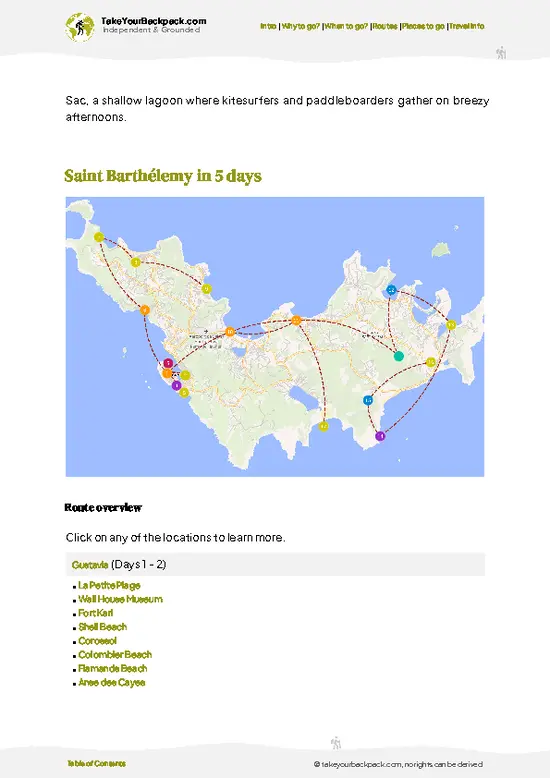
Day 1: Marigot Bay: Start the day on the sand here, early, while the water is glass-flat and the lane above the bay is empty. A rental car or scooter is the logical way to cover this coast, because buses are limited and taxis are costly, so pick up your wheels the evening before and use the first morning to settle in with a swim and a slow breakfast.
Day 2: Grand Cul-de-Sac: Drive to the lagoon for the afternoon, when the wind picks up and the kitesurfers come out. The reef-protected water lets you wade far out, and lunch at a beach bar sits directly on the sand. Walk on to the quieter Petit Cul-de-Sac before returning.
Day 3: Lorient: Spend the morning in the village among the church, the cemetery and the bakery, then head to the beach for the surf. The compact layout means you can do all of … read more 👉
Day 1: Marigot Bay: Start the day on the sand here, early, while the water is glass-flat and the lane above the bay is empty. A rental car or scooter is the logical way to cover this coast, because buses are limited and taxis are costly, so pick up your wheels the evening before and use the first morning to settle in with a swim and a slow breakfast.
Day 2: Grand Cul-de-Sac: Drive to the lagoon for the afternoon, when the wind picks up and the kitesurfers come out. The reef-protected water lets you wade far out, and lunch at a beach bar sits directly on the sand. Walk on to the quieter Petit Cul-de-Sac before returning.
Day 3: Lorient: Spend the morning in the village among the church, the cemetery and the bakery, then head to the beach for the surf. The compact layout means you can do all of this without ever moving the car for long.
Day 4: Toiny and Grand Fond: Turn to the Atlantic side. The coast road climbs and dips past stone walls and scrub, and the viewpoints at Toiny and Grand Fond give the wild contrast to the calm bays. Swim elsewhere and enjoy the cliffs.
Day 5: Saline and Gouverneur: For the detour, drive south to the long dune beach of Saline and the sheltered cove of Gouverneur. The road is longer and the beaches are emptier, but they stay within the same loop, so you can still be back by dusk. Of all five days, this one justifies the trip, because the wide sand, the clear water and the lack of buildings show the island at its most natural.

🌤️ When to go?Choosing the right time of year

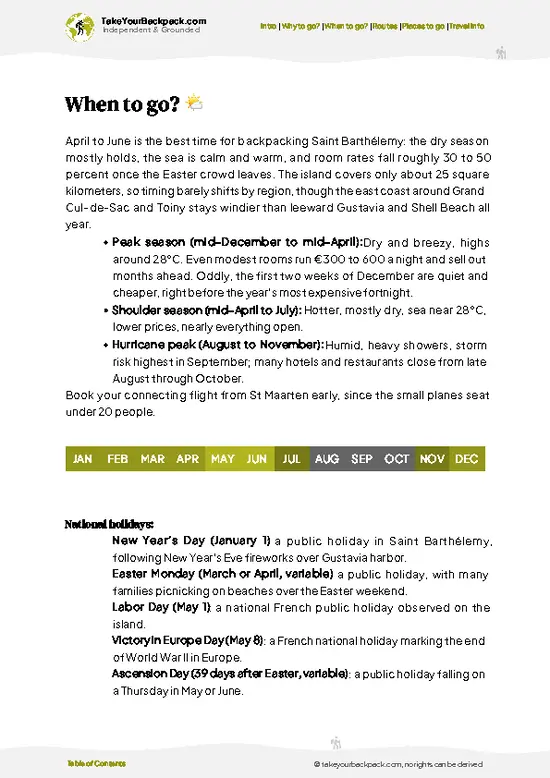
  • Dry season (December to April): Marigot Bay is at its most reliable, with highs of 28 to 31°C (82 to 88°F), steady trade winds and little rain. Days run about 11 to 12 hours, and the water is calm enough for easy snorkeling. Christmas and New Year bring the highest prices on the island, and rooms book months ahead.
  • Shoulder months (May and November): Expect 27 to 31°C (81 to 88°F), short showers and thinner crowds. Many restaurants close for part of this period, but flights and rooms cost noticeably less, often 30 to 50 percent below the winter peak.
  • Hurricane season (June to October): It is hot and humid at 29 to 32°C (84 to 90°F), with the heaviest rain and storm risk from August to October. Some businesses shut for weeks, though prices are the lowest of the year.
  • Whale season (February to
… read more 👉
  • Dry season (December to April): Marigot Bay is at its most reliable, with highs of 28 to 31°C (82 to 88°F), steady trade winds and little rain. Days run about 11 to 12 hours, and the water is calm enough for easy snorkeling. Christmas and New Year bring the highest prices on the island, and rooms book months ahead.
  • Shoulder months (May and November): Expect 27 to 31°C (81 to 88°F), short showers and thinner crowds. Many restaurants close for part of this period, but flights and rooms cost noticeably less, often 30 to 50 percent below the winter peak.
  • Hurricane season (June to October): It is hot and humid at 29 to 32°C (84 to 90°F), with the heaviest rain and storm risk from August to October. Some businesses shut for weeks, though prices are the lowest of the year.
  • Whale season (February to April): Humpbacks pass the island's waters, and clear winter visibility helps for boat trips from nearby Gustavia.
Book flights for late January or early March to get dry-season weather without the holiday price jump.


source: climatestotravel.comJANJanuary: excellent for travelingFEBFebruary: excellent for travelingMARMarch: excellent for travelingAPRApril: highly recommended for travelingMAYMay: good for travelingJUNJune: good for travelingJULJuly: good for travelingAUGAugust: fair for travelingSEPSeptember: fair for travelingOCTOctober: fair for travelingNOVNovember: highly recommended for travelingDECDecember: excellent for traveling
when-to-go

✈️ The backpacker research shortcutSaint Barthélemy Travel Guide

An offline-friendly backpacking guide with optimized travel routes, ranked highlights, transport advice, and the best areas to stay.
example page 0 from our offline Travel Guide for Saint Barthélemy
example page 1 from our offline Travel Guide for Saint Barthélemy
example page 2 from our offline Travel Guide for Saint Barthélemy
example page 3 from our offline Travel Guide for Saint Barthélemy
example page 4 from our offline Travel Guide for Saint Barthélemy
example page 5 from our offline Travel Guide for Saint Barthélemy
example page 6 from our offline Travel Guide for Saint Barthélemy
example page 7 from our offline Travel Guide for Saint Barthélemy
The digital guide (107 pages) contains:
✅ 22 highlights, ranked by travel appeal
✅ Optimized 2, 3 & 5-day travel routes
✅ Cities, national parks, landmarks, beaches
✅ How to get around
✅ Offline-friendly for travel without Wi-Fi
👉 Click to see all 30+ guide features

📅 Plan smarter in minutes, not weeks
✅ Month by month travel advice
✅ Festivals & national holidays
✅ Budget expectations

🗺️ Go to the right places, skip the overrated ones
✅ Honest pros & cons of destinations
✅ Top hikes, parks & viewpoints
✅ Lesser-known places most travelers miss
✅ Clear “worth it vs skip it” guidance

🛏️ Travel smoothly without rookie mistakes
✅ Best areas to stay
✅ Transport systems explained simply
✅ Common scams & safety advice
✅ SIM cards, money & practical tips

🌍 Understand the country, not just visit it
✅ Culture & traditions
✅ 52 Essential phrases & customs
✅ Festivals worth planning around
✅ Traveler-friendly historical context
✅ Insights that make places more meaningful

📱 Built for real travel conditions
✅ Fully downloadable PDF
✅ Works completely offline
✅ Optimized for phone use
✅ Useful in remote areas & buses
✅ Everything in one place
Stop searching, start planning
Get instant access to your full guide. 30‑day money-back guarantee.
+ Add another guide for just

By proceeding you agree to our terms.
Sent to your inbox immediately after payment • 100% Secure Checkout
Best Backpacking Travel Advisor 2025 tourism awardBest Backpacking
Travel Advisor
2025
What others say about Take Your Backpack Guides:
⭐⭐⭐⭐⭐
Fantastic, amazing amount of information!
⭐⭐⭐⭐⭐
My goodness this is amazing, it's what I've been looking for hats off too you!
⭐⭐⭐⭐⭐
I think this is absolutely BRILLIANT
⭐⭐⭐⭐
Very complete and informative. It's still missing places, but I gotta to commend you
⭐⭐⭐⭐⭐
This is truly amazing, thank you, can't wait to explore it with my kids!
⭐⭐⭐⭐⭐
Awesome resource, thank you!
⭐⭐⭐⭐⭐
This is amazing! Can't wait to explore the ones I haven't seen
⭐⭐⭐⭐
I love this! Well done, great idea.
⭐⭐⭐⭐⭐
Thanks for taking the time to make this gem!
⭐⭐⭐⭐⭐
This might be the best website I've ever seen.
⭐⭐⭐⭐⭐
Congratulations, and thank you so much for your work; it's incredibly valuable.
⭐⭐⭐⭐
In all seriousness I think you did a great job pointing out the important spots
⭐⭐⭐⭐⭐
10/10 very good
⭐⭐⭐⭐⭐
As someone who's only just starting to visit regularly this is awesome, thank you.
⭐⭐⭐⭐
Thank you very much! I'm going to visit my dad, it's going to be very useful!
⭐⭐⭐⭐⭐
This is really cool! We'll be travelling for the first time and this definitely come in handy.
⭐⭐⭐⭐⭐
You are now our minister of culture, congratulations 👨‍💼
⭐⭐⭐⭐⭐
Just wanted to tell you that this is a pearl! Going to follow your recommendations.
⭐⭐⭐⭐⭐
This is so cool. I'll definitely be using the resource for my travels soon.
⭐⭐⭐⭐⭐
This is very impressive! Good work.
⭐⭐⭐⭐⭐
This is an amazing and informative site. Very well done!

🛏️ Where to stay?Where staying makes the most sense

Gustavia is the most practical base for backpackers, because it has the island's supermarkets, the ferry dock and the most places to eat for under €25. Marigot Bay itself is a quiet cove with very few rooms, so most budget travelers sleep elsewhere and come by scooter or taxi.

Saint-Jean is the second choice. It sits close to the airport, and its long beach is lined with casual cafés where solo travelers share tables and trade snorkeling tips. Walking between bars, the beach and shops is easy, and a rented scooter reaches the north coast in about ten minutes. Rooms here run higher, around €150 … read more 👉
Gustavia is the most practical base for backpackers, because it has the island's supermarkets, the ferry dock and the most places to eat for under €25. Marigot Bay itself is a quiet cove with very few rooms, so most budget travelers sleep elsewhere and come by scooter or taxi.

Saint-Jean is the second choice. It sits close to the airport, and its long beach is lined with casual cafés where solo travelers share tables and trade snorkeling tips. Walking between bars, the beach and shops is easy, and a rented scooter reaches the north coast in about ten minutes. Rooms here run higher, around €150 to 250 a night outside the peak, so sharing a room or apartment saves a lot.

Lorient is calmer and more local. It has a bakery, a small market and a long, surf-washed beach, and it is a short ride from Marigot Bay. Stays here are often small guesthouses and rented rooms at about €110 to 190 in low season, which is the lowest tier on this island.

Dedicated hostels are essentially absent, so the social scene comes from the beach bars, dive boats and shared villas. Book early for December to April, and look for self-catering places with a kitchen to keep food costs down.

🚌 Getting aroundMoving around without the hassle

Marigot Bay is easiest to explore by rented scooter, because the roads are short, steep and often too narrow for parking near the beaches. A scooter costs about €40 to 65 a day, and you can ride from here to Grand Cul-de-Sac and Lorient in minutes. Public transport is thin, so wheels or your feet do most of the work.
  • Scooter or small rental car: Scooters cost about €40 to 65 a day, and small cars or open Mokes run €60 to 100. Roads climb and dip sharply between bays, and the engine whine on the hills is part of the ride. You get to a quiet beach before the day-trippers do.
  • Walking: Between Marigot Bay and neighboring Grand Cul-de-Sac it is about 1.5 to 2 kilometers along a paved road with little shade. Drivers slow down and wave you past. You arrive with salt-dry skin and a view of the reef
… read more 👉
Marigot Bay is easiest to explore by rented scooter, because the roads are short, steep and often too narrow for parking near the beaches. A scooter costs about €40 to 65 a day, and you can ride from here to Grand Cul-de-Sac and Lorient in minutes. Public transport is thin, so wheels or your feet do most of the work.
  • Scooter or small rental car: Scooters cost about €40 to 65 a day, and small cars or open Mokes run €60 to 100. Roads climb and dip sharply between bays, and the engine whine on the hills is part of the ride. You get to a quiet beach before the day-trippers do.
  • Walking: Between Marigot Bay and neighboring Grand Cul-de-Sac it is about 1.5 to 2 kilometers along a paved road with little shade. Drivers slow down and wave you past. You arrive with salt-dry skin and a view of the reef from above.
  • Taxi: Taxis work from fixed stands and are priced by distance. Expect about €20 to 35 from the airport or Gustavia to this side of the island, and more at night. Call ahead, since cabs rarely cruise. You get a driver who knows which beach is sheltered from the day's wind.
  • Hitchhiking: Locals regularly pick up walkers on the main roads, and a thumb is accepted without fuss. Waits are usually short, from a few minutes to a quarter hour. You get a lift and a short conversation, often in French.
  • Ferry from Saint Martin: Boats from Saint Martin cross in about 45 to 60 minutes and cost about €50 to 70 each way. The channel can be rough, so sit near the back. You step off in Gustavia with the harbor and its yachts in front of you.
Pick up a rental the evening before you need it, since scooters sell out in high season, and fill the tank in Lorient or Gustavia, where stations are easiest to reach.

🍲 FoodWhat to Eat & Drink

Start with accras, golden salt-cod fritters served hot and slightly oily, usually about €8 to 12 for a plate. Boudin créole is a spiced blood sausage with a peppery bite, and féroce d'avocat mixes avocado, cassava flour and chili into a rich, rough-textured spread. Grilled lobster is the splurge, often €45 to 80, and best eaten beside the water with a squeeze of lime.

For drinks, a ti punch is the local standard: white rhum agricole, a wedge of lime and a spoon of cane syrup, mixed by you at the table. Rum from neighboring Martinique and Guadeloupe turns up everywhere. Café gourmand sets and a strong espresso pair well with a morning croissant from a village bakery for about €2 to 4.

For budget eating, buy baguette sandwiches and fruit from the supermarkets and bakeries in Gustavia and Lorient, … read more 👉
Start with accras, golden salt-cod fritters served hot and slightly oily, usually about €8 to 12 for a plate. Boudin créole is a spiced blood sausage with a peppery bite, and féroce d'avocat mixes avocado, cassava flour and chili into a rich, rough-textured spread. Grilled lobster is the splurge, often €45 to 80, and best eaten beside the water with a squeeze of lime.

For drinks, a ti punch is the local standard: white rhum agricole, a wedge of lime and a spoon of cane syrup, mixed by you at the table. Rum from neighboring Martinique and Guadeloupe turns up everywhere. Café gourmand sets and a strong espresso pair well with a morning croissant from a village bakery for about €2 to 4.

For budget eating, buy baguette sandwiches and fruit from the supermarkets and bakeries in Gustavia and Lorient, about €8 to 12 a sandwich. Beach shacks around Saint-Jean and Grand Cul-de-Sac serve salads, grilled fish and burgers for about €18 to 30 at lunch. Dinner at a sit-down restaurant easily reaches €40 to 60 a head.

Greet staff with a bonjour before ordering, since it is expected. Service is normally built into the bill, so extra tips are optional. Lunch runs long, evening kitchens often close early, and tap water is safe but tastes of desalination, so most people buy bottled.

FAQTraveler FAQ

Two to three days is enough for Marigot Bay and the north-east coast. One day covers the cove's beach and snorkeling, a second adds Grand Cul-de-Sac and Lorient, and a third fits in Gustavia, about 10 to 15 minutes away by scooter. Add a day if you want a boat trip or whale watching between February and April.
Around Marigot Bay without a car, the simplest options are taxis from fixed stands, hitchhiking and walking. A taxi from Gustavia or the airport costs about €20 to 35, and the walk to Grand Cul-de-Sac takes about 25 to 35 minutes. Scooters (about €40 to 65 a day) need no car license in many cases, but you should check the rental terms.
Marigot Bay is known for its calm, sheltered water, easy snorkeling over the reef and a quiet, low-development shoreline compared with Saint-Jean and Gustavia. It sits on the north coast near Grand Cul-de-Sac, an area of reef-protected lagoon water. Most visitors come for a half-day of swimming, a lunch of grilled fish at about €18 to 30, and a view across to neighboring islands.
⚠️ Things can change over time, so always validate details locally before you go.

More places to explore across Saint Barthélemy

Marigot Bay isn’t the only highlight in Saint Barthélemy. Explore all what Saint Barthélemy has to offer.
Country photo of Saint Barthélemy

We 💚 feedbackWhat to keep in mind

Marigot Bay catches out travelers who treat it as a day stop and rush back to Gustavia for lunch. Stay for the quiet instead. I would rent a car, swim here first thing, then drive the north coast loop slowly and carry water, snacks and sunscreen, since the wild beaches have almost no shade or shops.

✍️ Help improve this page!
The information on this page is based on in-depth research, insights shared by experienced travelers, and feedback from the local travel community in Saint Barthélemy. While every effort is made to keep the information accurate and current, conditions can change — so if you spot anything incorrect or outdated, please get in touch.


🙋‍♂️ Give feedback

👋 Meet the founderWho’s Behind Take Your Backpack?

Johan, backpacker and founder of TakeYourBackpackHi, I’m Johan (Netherlands 🇳🇱), the creator of TakeYourBackpack. Over the past 3 decades, I’ve backpacked through 90+ countries across six continents, gaining extensive experience with independent travel, long-term trips, and overland routes.

This site is built on a combination of firsthand travel experience and carefully curated insights from other backpackers. Many guides are based on places I’ve personally visited, while others bring together tips, observations, and practical advice shared by trusted travelers I’ve met along the way.

The goal is to provide realistic, experience-driven guidance — not generic itineraries — so you can explore destinations with better context, clearer expectations, and more confidence.