×

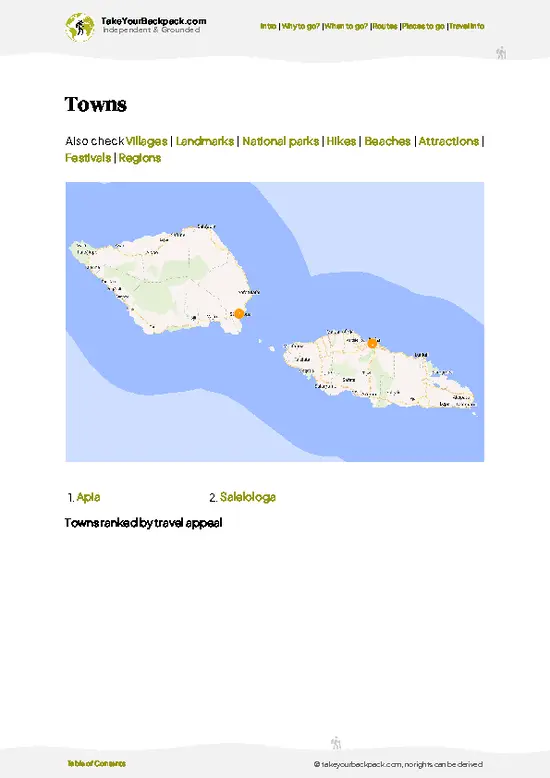
Samoa🇼🇸 | townsApiacentral market, colonial buildings, harborfront, nightlife spots | things to do and best time to go

Explore Savai’iExplore Salelologa

Backpacking in Apia
🏆 Top picktown ranked #1
By Johan Kruseman 🇳🇱 | Updated September 4, 2026

Most people only realize on their last day that Apia is the one place in Samoa where logistics are actually easy: buses fan out from here, ferries are bookable, cash machines work, and you can fix everything from SIM cards to broken sandals in a single sweaty afternoon. Apia sits on the north coast of Upolu, roughly mid-island, hugging a wide, calm harbor that smells faintly of salt and exhaust at dusk. For backpackers, it’s more launchpad than dream destination: a practical base before you disappear to Lalomanu, the south coast, or over to Savai’i. The town itself is low-rise and spread out, with a compact central area of markets, churches, and a few bars where you can actually meet other travelers, unlike in most villages. It’s bus-accessible but not truly walkable beyond the core, so you’ll mix walking with cheap taxis. Compared with sleepy coastal spots, Apia feels busier, less pretty, more useful—and that’s exactly its value.

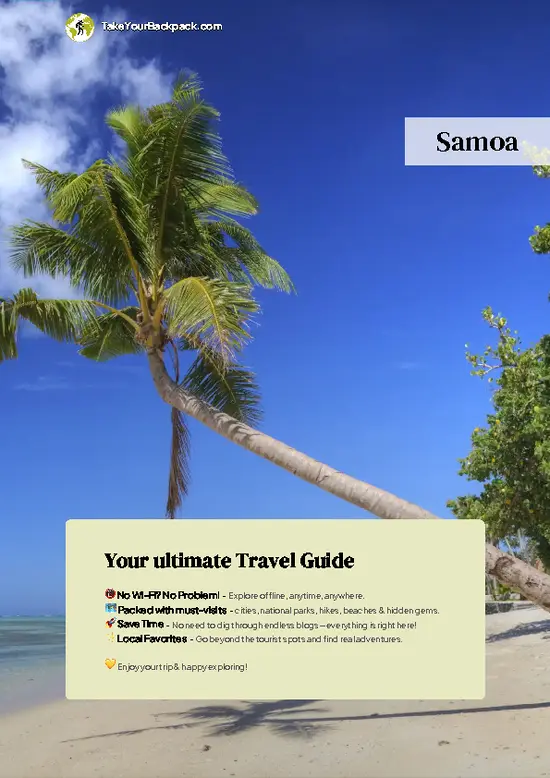
Discover everything you want to know in the 📖 Samoa Travel Guide.


Get your Samoa guide
37 ranked highlights, routes & tips, works offline (162 pages)
Loading the map 🌍
CLICK TO FILTER
towns
villages
landmarks
national parks
hikes
beaches
attractions
festivals
regions
SHOW COUNTRY’S BESTSHOW ALL

✨ Why go?
Ranked #1 town in Samoa
What sets this place apart

Backpackers flock to Apia not just for its charm but for its strategic position as a gateway to Samoa’s natural wonders. The town is a launchpad for nearby hikes, like the lush trails of Mount Vaea, where the scent of tropical flora fills the air. You can easily access stunning beaches like Lalomanu for a refreshing dip after a day of exploration.

Accommodations here are mostly small-scale hostels and guesthouses, fostering a friendly social atmosphere. You’ll find yourself sharing stories over a plate of local food, perhaps trying palusami or fresh fish, which adds to the communal vibe. The streets are walkable, making it easy to pop into local markets or cafes, where the sounds of laughter and chatter create a warm backdrop.

Most travelers tend to stay a few days, soaking in the laid-back … read more 👉
Backpackers flock to Apia not just for its charm but for its strategic position as a gateway to Samoa’s natural wonders. The town is a launchpad for nearby hikes, like the lush trails of Mount Vaea, where the scent of tropical flora fills the air. You can easily access stunning beaches like Lalomanu for a refreshing dip after a day of exploration.

Accommodations here are mostly small-scale hostels and guesthouses, fostering a friendly social atmosphere. You’ll find yourself sharing stories over a plate of local food, perhaps trying palusami or fresh fish, which adds to the communal vibe. The streets are walkable, making it easy to pop into local markets or cafes, where the sounds of laughter and chatter create a warm backdrop.

Most travelers tend to stay a few days, soaking in the laid-back rhythm. It’s ideal for slow travelers, solo adventurers, or small groups looking to connect. While Apia isn’t a nightlife hub, its charm lies in the authentic experiences and the sense of community, making it a perfect spot to recharge before diving deeper into Samoa’s beauty.
Want to include Apia in your Samoa route?
Create a personalized Samoa itinerary that includes Apia and the places that fit your trip — based on your travel style, budget, and available time. Get your route in seconds.

Generate my trip

💡 HighlightsWhat this place is best known for

  1. Apia (Fagatogo) Market — The beating heart of town: fresh fish, tropical fruit, heaps of taro, and stalls full of woven mats and wooden carvings. Great for people-watching, cheap lunches, and bargaining for a tapa or kava bowl.
  2. Mulinu’u Peninsula (Parliament House & Memorials) — Where politics, history and seaside views meet. Walk the lawns to see the Parliament (Fale Fono), the national flagpole and tombs/memorials—good spot to feel Samoa’s modern identity and civic pride.
  3. Robert Louis Stevenson Museum (Vailima) — Stevenson’s colonial villa and gardens are kept as a museum with his belongings and local history displays. The house and grounds are peaceful and full of stories about Samoa’s colonial era and the writer’s relationship with the islands.
  4. Mount Vaea & Stevenson’s Tomb — A short,
read more 👉
  1. Apia (Fagatogo) Market — The beating heart of town: fresh fish, tropical fruit, heaps of taro, and stalls full of woven mats and wooden carvings. Great for people-watching, cheap lunches, and bargaining for a tapa or kava bowl.
  2. Mulinu’u Peninsula (Parliament House & Memorials) — Where politics, history and seaside views meet. Walk the lawns to see the Parliament (Fale Fono), the national flagpole and tombs/memorials—good spot to feel Samoa’s modern identity and civic pride.
  3. Robert Louis Stevenson Museum (Vailima) — Stevenson’s colonial villa and gardens are kept as a museum with his belongings and local history displays. The house and grounds are peaceful and full of stories about Samoa’s colonial era and the writer’s relationship with the islands.
  4. Mount Vaea & Stevenson’s Tomb — A short, sweaty hike that rewards you with sweeping views over Apia and the Pacific, and the simple grave of R.L. Stevenson. It’s one of those visits that mixes landscape with a strong human story.
  5. Immaculate Conception Cathedral (Catholic Cathedral) — An important spiritual and architectural landmark in central Apia. Pop inside to see stained glass, local devotional art, and to witness how Christianity is bound into daily Samoan life.
  6. Palolo Deep Marine Reserve — Right off the eastern edge of Apia Harbour, this community-managed marine reserve offers snorkeling and a chance to see how locals protect reefs. Boat trips and guided snorkel sessions are available from town.
  7. Papase’ea Sliding Rocks — A short ride from the centre and hugely popular with locals: natural rock water-slides and pools carved into lava rock. It’s fun, photogenic, and gives a real taste of how Samoans play outdoors.
  8. Tanoa Tusitala Hotel & Beachfront — Historic coastal hotel named for Stevenson; even if you’re not staying, the lawn, beachfront and occasional cultural nights are worth a stroll. A classic place to sip a drink and watch Apia’s harbour life.
  9. Fagatogo Wharf & Waterfront — The working port where ferries, cargo and fishing boats come and go. Walk the wharf, see daily commerce, catch a ferry to Savai’i, or watch fishermen bring in the day’s catch—very live and local.
  10. Beach Road Carving & Handicraft Stalls — The stretch along Beach Road (and nearby lanes) where woodcarvers, weavers and tattoo artists sell and demonstrate their work. Great for picking up a genuine kava bowl, siapo (tapa cloth) or watching master carvers at work.
A few excellent day trips outside Apia include the To-Sua Ocean Trench, the white sands of Lalomanu Beach, and O le Pupu-Puʻe National Park — all easily reached from town for a single-day outing.
Spotted a mistake or missing something? Contact us.

Things to do around Apia

Ratings based on Tripadvisor reviews. When you book through this link, you support our work at no extra cost to you.

🏘️ NeighborhoodsWhere things are and how it's laid out

Apia, the capital of Samoa, is a vibrant hub where the rhythm of island life meets the pulse of urban energy. Each neighborhood offers a unique flavor, making it essential for backpackers to choose wisely.

Central Apia: This is the heart of the action. You’ll find bustling markets, local eateries, and shops filled with colorful crafts. The vibe is lively, perfect for those who thrive on energy. Walkability is high; you can easily explore on foot. Expect a mix of budget accommodations and mid-range options. Nightlife here is casual, with bars and live music spots that cater to a laid-back crowd. Ideal for short stays, but longer visits can feel repetitive.

Vaiala Beach: If you crave a more relaxed atmosphere, head to Vaiala Beach. The soft sand and gentle waves create a serene backdrop. Accommodations … read more 👉
Apia, the capital of Samoa, is a vibrant hub where the rhythm of island life meets the pulse of urban energy. Each neighborhood offers a unique flavor, making it essential for backpackers to choose wisely.

Central Apia: This is the heart of the action. You’ll find bustling markets, local eateries, and shops filled with colorful crafts. The vibe is lively, perfect for those who thrive on energy. Walkability is high; you can easily explore on foot. Expect a mix of budget accommodations and mid-range options. Nightlife here is casual, with bars and live music spots that cater to a laid-back crowd. Ideal for short stays, but longer visits can feel repetitive.

Vaiala Beach: If you crave a more relaxed atmosphere, head to Vaiala Beach. The soft sand and gentle waves create a serene backdrop. Accommodations range from budget hostels to beachfront bungalows. It’s a bit quieter, making it perfect for unwinding after a day of exploration. While it’s walkable, you might want a bike or scooter for easier access to Apia’s center. Great for both short and longer stays, especially if you want to soak in the sun.

Mulinu’u: This area is steeped in history, with cultural sites and stunning coastal views. It’s less touristy, giving you a more authentic experience. The vibe is peaceful, ideal for those looking to escape the hustle. Accommodations are limited but affordable. Transport options are available, but you’ll likely need to rely on taxis or local buses. Best for longer stays, as you can immerse yourself in local life.

Each neighborhood in Apia offers a distinct experience, so choose based on your travel style and what you want to get out of your time in Samoa.

⌛️ 1 day1-day itinerary for Apia

Apia, the capital of Samoa, pulses with a unique blend of culture and charm. The air is thick with the scent of tropical flowers and the distant sound of waves crashing against the shore. This town is a gateway to the rich traditions of the Samoan people, where every corner tells a story.

Start your day at the bustling Apia Market. The early morning light filters through the stalls, illuminating vibrant fruits and handmade crafts. Grab a fresh coconut to sip on while you wander. The locals are friendly, and you might even pick up a few words of Samoan. This market isn’t just a place to shop; it’s a slice of daily life, where you can feel the rhythm of the town.

After soaking in the market’s energy, head to the nearby Robert Louis Stevenson Museum. This isn’t just a tourist stop; it’s a … read more 👉
Apia, the capital of Samoa, pulses with a unique blend of culture and charm. The air is thick with the scent of tropical flowers and the distant sound of waves crashing against the shore. This town is a gateway to the rich traditions of the Samoan people, where every corner tells a story.

Start your day at the bustling Apia Market. The early morning light filters through the stalls, illuminating vibrant fruits and handmade crafts. Grab a fresh coconut to sip on while you wander. The locals are friendly, and you might even pick up a few words of Samoan. This market isn’t just a place to shop; it’s a slice of daily life, where you can feel the rhythm of the town.

After soaking in the market’s energy, head to the nearby Robert Louis Stevenson Museum. This isn’t just a tourist stop; it’s a glimpse into the life of the author who fell in love with Samoa. The museum is set in his former home, surrounded by lush gardens that invite you to linger. The scent of frangipani fills the air as you explore the rooms filled with artifacts. Take your time here; it’s a peaceful retreat from the town’s hustle.

For lunch, venture to the less-traveled neighborhood of Vaiala. Here, you’ll find local eateries serving up traditional dishes like palusami (taro leaves baked in coconut cream). The atmosphere is relaxed, and the food is authentic—just what you need to recharge.

As the sun begins to dip, make your way to the iconic Mulinu’u Peninsula. This area is steeped in history and offers stunning views of the ocean. It’s a perfect spot to reflect on your day. The golden light casts long shadows, and the sound of the waves creates a soothing backdrop.

Wrap up your evening at a local fale (a traditional Samoan house) for dinner. Enjoy fresh fish grilled to perfection while listening to the gentle lapping of the sea. This is where the day’s hard work pays off, as you savor the flavors of Samoa, surrounded by the warmth of its people.
Turn your Apia visit into an Samoa adventure
Build a complete Samoa route with Apia, hidden gems, must-see destinations, and realistic travel times included.

Generate my trip

🌤️ When to go?Seasonal considerations and timing


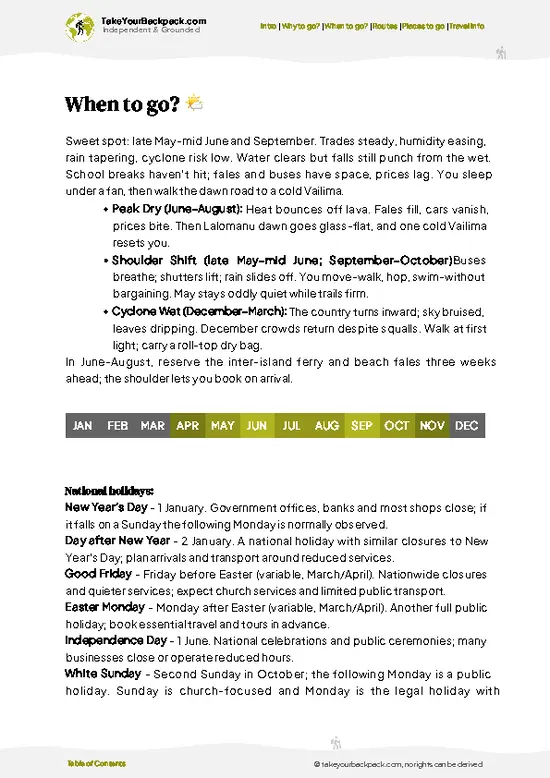
  • Weather: Apia’s tropical climate means warm, humid days year-round, but the dry season from May to October offers clearer skies and less rain, making trekking and beach days more reliable.

  • Temperature: Expect daily highs around 28-31°C (82-88°F) during the dry months, with nights cooling to a comfortable 22-24°C (72-75°F). The wet season (November to April) can push temps higher, often feeling sticky and oppressive.

  • Daylight Hours: Near the equator, Apia enjoys roughly 12 hours of daylight year-round, so your hiking and exploring windows stay consistent—no need to rush or linger too long chasing sunsets.

  • Crowds: The dry season attracts more tourists, especially July and August, so expect busier markets and fuller guesthouses. The wet season is quieter, offering more space but with
read more 👉

  • Weather: Apia’s tropical climate means warm, humid days year-round, but the dry season from May to October offers clearer skies and less rain, making trekking and beach days more reliable.

  • Temperature: Expect daily highs around 28-31°C (82-88°F) during the dry months, with nights cooling to a comfortable 22-24°C (72-75°F). The wet season (November to April) can push temps higher, often feeling sticky and oppressive.

  • Daylight Hours: Near the equator, Apia enjoys roughly 12 hours of daylight year-round, so your hiking and exploring windows stay consistent—no need to rush or linger too long chasing sunsets.

  • Crowds: The dry season attracts more tourists, especially July and August, so expect busier markets and fuller guesthouses. The wet season is quieter, offering more space but with the trade-off of sporadic downpours.

  • Seasonal Activities: Cultural festivals like Teuila Festival in September bring vibrant performances and local crafts, enriching your visit if timed right. Wet season’s rougher seas limit some water activities but enhance waterfall flows inland.

  • Price Fluctuations: Accommodation and flights peak in the dry season, especially mid-year. Booking in shoulder months like May or October can save money while still enjoying decent weather.


Pro-tip: Aim for late May or early October—less rain, manageable crowds, and prices that won’t make your wallet wince, all while the island’s lushness is still at its peak.


source: climatestotravel.comJANJanuary: fair for travelingFEBFebruary: fair for travelingMARMarch: fair for travelingAPRApril: fair for travelingMAYMay: highly recommended for travelingJUNJune: highly recommended for travelingJULJuly: highly recommended for travelingAUGAugust: highly recommended for travelingSEPSeptember: excellent for travelingOCTOctober: highly recommended for travelingNOVNovember: fair for travelingDECDecember: fair for traveling
samoa-city-apia
© Google |

✈️ The backpacker research shortcutSamoa Travel Guide

An offline-friendly backpacking guide with optimized travel routes, ranked highlights, transport advice, and the best areas to stay.
example page 0 from our offline Travel Guide for Samoa
example page 1 from our offline Travel Guide for Samoa
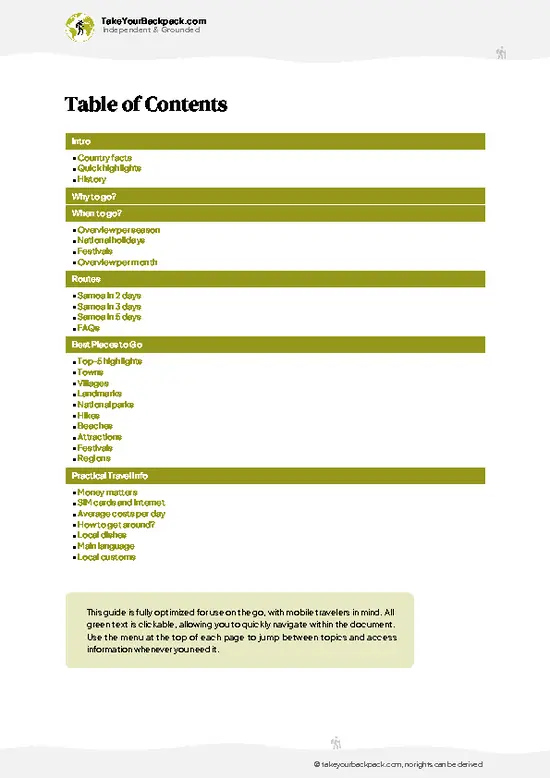
example page 2 from our offline Travel Guide for Samoa
example page 3 from our offline Travel Guide for Samoa
example page 4 from our offline Travel Guide for Samoa
example page 5 from our offline Travel Guide for Samoa
example page 6 from our offline Travel Guide for Samoa
example page 7 from our offline Travel Guide for Samoa
The digital guide (162 pages) contains:
37 highlights, ranked by travel appeal
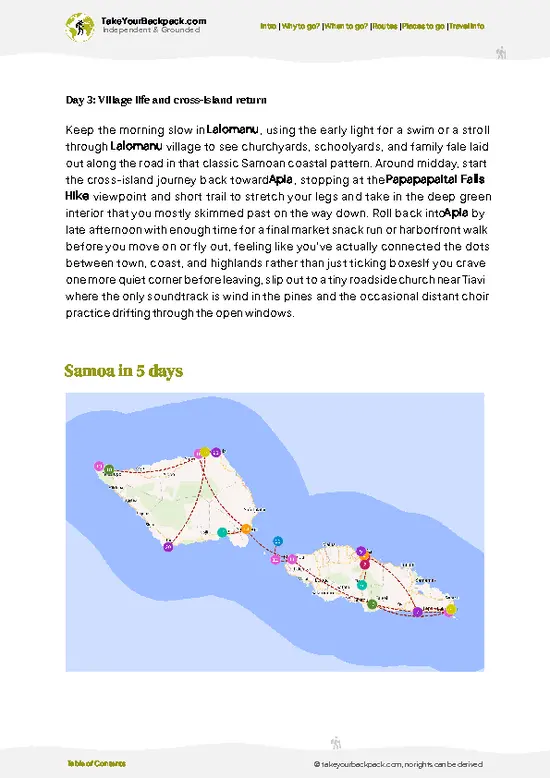
Optimized 2, 3 & 5-day travel routes
Cities, national parks, landmarks, beaches
How to get around
Offline-friendly for travel without Wi-Fi
👉 Click to see all 30+ guide features

📅 Plan smarter in minutes, not weeks
Month by month travel advice
Festivals & national holidays
Budget expectations

🗺️ Go to the right places, skip the overrated ones
Honest pros & cons of destinations
Top hikes, parks & viewpoints
Lesser-known places most travelers miss
Clear “worth it vs skip it” guidance

🛏️ Travel smoothly without rookie mistakes
Best areas to stay
Transport systems explained simply
Common scams & safety advice
SIM cards, money & practical tips

🌍 Understand the country, not just visit it
Culture & traditions
52 Essential phrases & customs
Festivals worth planning around
Traveler-friendly historical context
Insights that make places more meaningful

📱 Built for real travel conditions
Fully downloadable PDF
Works completely offline
Optimized for phone use
Useful in remote areas & buses
Everything in one place
Save weeks of stressful planning
Get instant access to your full guide. 30‑day money-back guarantee.
+ Add another guide for just US$7.80

By proceeding you agree to our terms.
Sent to your inbox immediately after payment • 100% Secure Checkout
Best Backpacking Travel Advisor 2025 tourism awardBest Backpacking
Travel Advisor
2025
What others say about Take Your Backpack Guides:
⭐⭐⭐⭐⭐
Fantastic, amazing amount of information!
⭐⭐⭐⭐⭐
My goodness this is amazing, it's what I've been looking for hats off too you!
⭐⭐⭐⭐⭐
I think this is absolutely BRILLIANT
⭐⭐⭐⭐
Very complete and informative. It's still missing places, but I gotta to commend you
⭐⭐⭐⭐⭐
This is truly amazing, thank you, can't wait to explore it with my kids!
⭐⭐⭐⭐⭐
Awesome resource, thank you!
⭐⭐⭐⭐⭐
This is amazing! Can't wait to explore the ones I haven't seen
⭐⭐⭐⭐
I love this! Well done, great idea.
⭐⭐⭐⭐⭐
Thanks for taking the time to make this gem!
⭐⭐⭐⭐⭐
This might be the best website I've ever seen.
⭐⭐⭐⭐⭐
Congratulations, and thank you so much for your work; it's incredibly valuable.
⭐⭐⭐⭐
In all seriousness I think you did a great job pointing out the important spots
⭐⭐⭐⭐⭐
10/10 very good
⭐⭐⭐⭐⭐
As someone who's only just starting to visit regularly this is awesome, thank you.
⭐⭐⭐⭐
Thank you very much! I'm going to visit my dad, it's going to be very useful!
⭐⭐⭐⭐⭐
This is really cool! We'll be travelling for the first time and this definitely come in handy.
⭐⭐⭐⭐⭐
You are now our minister of culture, congratulations 👨‍💼
⭐⭐⭐⭐⭐
Just wanted to tell you that this is a pearl! Going to follow your recommendations.
⭐⭐⭐⭐⭐
This is so cool. I'll definitely be using the resource for my travels soon.
⭐⭐⭐⭐⭐
This is very impressive! Good work.
⭐⭐⭐⭐⭐
This is an amazing and informative site. Very well done!

🛏️ Where to stay?How to pick the right area

In Apia, the heartbeat for backpackers pulses strongest around the central waterfront and the nearby Tuanaimato district. This stretch isn’t just about proximity to the harbor’s salty breeze or the morning market’s sharp tang of fresh fish and tropical fruit—it’s where the city’s rhythm feels accessible without the chaos of heavy traffic or tourist traps. Staying here means you’re steps away from the local pulse: vendors calling out in Samoan, the clatter of fale construction, and the occasional church bell cutting through the humid air.

Compared to the quieter, more residential outskirts, this … read more 👉
In Apia, the heartbeat for backpackers pulses strongest around the central waterfront and the nearby Tuanaimato district. This stretch isn’t just about proximity to the harbor’s salty breeze or the morning market’s sharp tang of fresh fish and tropical fruit—it’s where the city’s rhythm feels accessible without the chaos of heavy traffic or tourist traps. Staying here means you’re steps away from the local pulse: vendors calling out in Samoan, the clatter of fale construction, and the occasional church bell cutting through the humid air.

Compared to the quieter, more residential outskirts, this area offers a social vibe that’s hard to beat. Hostels and budget guesthouses cluster here, creating a natural meeting point for solo travelers and groups alike. You’ll find common rooms where stories flow as easily as the local kava, and the chance to swap tips over a shared meal or a sunset stroll along the waterfront. Safety is solid—locals are friendly and watchful, and the streets stay lively well into the evening without feeling sketchy.

Venturing further out, you lose that immediate connection to Apia’s daily life and the ease of walking to markets, eateries, and transport hubs. For backpackers, the waterfront-Tuanaimato corridor strikes the perfect balance: enough buzz to feel part of the scene, but calm enough to recharge before the next adventure.

🚌 Getting aroundHow to get around Apia

Apia moves at its own rhythm—part laid-back island charm, part bustling market energy. The sun filters through palm fronds, casting dappled shadows on cracked sidewalks where locals and vendors weave in and out like a slow, deliberate dance. Time here isn’t a strict taskmaster; it’s more like a gentle suggestion. You’ll find schedules that exist mostly on paper, with buses and taxis arriving when they feel like it, not a minute sooner or later. This isn’t a place for rigid timetables but for tuning into the pulse of the town, where patience rewards you with authentic encounters and a chance to soak in the scent of fresh bread from the bakery or the salty breeze off the harbor.


  • Walking: Apia’s compact center is best explored on foot. Streets are narrow and often crowded, but walking lets
read more 👉
Apia moves at its own rhythm—part laid-back island charm, part bustling market energy. The sun filters through palm fronds, casting dappled shadows on cracked sidewalks where locals and vendors weave in and out like a slow, deliberate dance. Time here isn’t a strict taskmaster; it’s more like a gentle suggestion. You’ll find schedules that exist mostly on paper, with buses and taxis arriving when they feel like it, not a minute sooner or later. This isn’t a place for rigid timetables but for tuning into the pulse of the town, where patience rewards you with authentic encounters and a chance to soak in the scent of fresh bread from the bakery or the salty breeze off the harbor.


  • Walking: Apia’s compact center is best explored on foot. Streets are narrow and often crowded, but walking lets you catch the scent of tropical flowers and the chatter of market vendors. Most key spots—like the main market, waterfront, and local eateries—are within a 20-minute stroll. It’s free, flexible, and the best way to absorb the town’s atmosphere.


  • Public Buses (‘Aiga’ buses): These are the backbone of budget travel in Apia. They run from early morning around 6:30 AM until about 6 PM, though don’t expect strict adherence to these times. Fares hover around 1 to 3 SAT (Samoan Tala), making them incredibly cheap. The buses are often packed, with locals chatting and music playing, so brace for a lively, sometimes cramped ride. They’re slower than taxis but perfect for stretching your legs and people-watching.


  • Shared Taxis: These minibuses or vans operate on popular routes and fill up before leaving. They’re faster than public buses and cost a bit more—around 5 to 10 SAT—but still budget-friendly. Shared taxis don’t have fixed schedules; they leave when full, so timing can be unpredictable. They offer a middle ground between speed and cost, with a bit more comfort than the buses.


  • Private Taxis: If you’re short on time or traveling in a group, private taxis are your go-to. They’re available throughout the day and can be flagged down or booked via phone. Expect to pay around 20 to 40 SAT for short trips within town. While pricier, they offer air-conditioned comfort and direct routes, cutting through Apia’s sometimes chaotic traffic.


  • Bicycle Rentals: For the adventurous, renting a bike is a quiet, flexible way to explore beyond the center. Rentals cost about 20 to 30 SAT per day. The roads can be uneven and traffic unpredictable, so it’s best for confident riders. The reward is a breeze on your face and access to quieter neighborhoods and coastal views that buses and taxis can’t reach.

👛 Costs (as of 4 September 2026)How expensive it really is

Backpacking in Apia, Samoa, offers a laid-back vibe with costs that reflect its small-town charm and island pace. Here’s what you can expect to spend daily as an independent traveler.
  • Dorm Accommodation: Budget hostels and guesthouses in Apia typically charge between $10 and $20 USD per night for a dorm bed. These places are simple but clean, often with shared bathrooms and a communal feel that’s perfect for meeting other travelers.
  • Meals: Local food is affordable and fresh. Expect to pay around $3 to $6 USD for a hearty plate of traditional Samoan fare like palusami or taro with fish at roadside stalls or small eateries. If you opt for a meal at a mid-range café or restaurant, prices rise to about $8 to $15 USD.
  • Local Transport: Getting around Apia is mostly done by local buses or shared
read more 👉
Backpacking in Apia, Samoa, offers a laid-back vibe with costs that reflect its small-town charm and island pace. Here’s what you can expect to spend daily as an independent traveler.
  • Dorm Accommodation: Budget hostels and guesthouses in Apia typically charge between $10 and $20 USD per night for a dorm bed. These places are simple but clean, often with shared bathrooms and a communal feel that’s perfect for meeting other travelers.
  • Meals: Local food is affordable and fresh. Expect to pay around $3 to $6 USD for a hearty plate of traditional Samoan fare like palusami or taro with fish at roadside stalls or small eateries. If you opt for a meal at a mid-range café or restaurant, prices rise to about $8 to $15 USD.
  • Local Transport: Getting around Apia is mostly done by local buses or shared taxis, which cost about $1 to $3 USD per trip depending on distance. Renting a scooter is an option too, usually around $20 to $30 USD per day, giving you more freedom to explore beyond town.
  • Basic Activities/Entry Fees: Many natural attractions like waterfalls and beaches are free or ask for a small donation of $1 to $5 USD. Organized tours or cultural experiences can run from $20 to $50 USD, but you can often negotiate or join group tours to keep costs down.
  • Miscellaneous Expenses: Budget around $2 to $5 USD for essentials like bottled water, snacks, or occasional internet access at cafés. Souvenirs and small purchases vary, but local markets offer affordable options if you’re selective.

All told, a daily budget in Apia for a backpacker comfortably ranges from about $20 to $50 USD. This spread covers the basics without skimping on the experience, letting you soak in the island’s atmosphere without constant money stress.
⚠️ Prices can change and everyone travels differently, so take this as a rough guide. Hope it helps you plan your adventure!

🚌 Day tripsExploring the surroundings

Apia, Samoa, is a vibrant launchpad for unforgettable day trips that blend adventure with cultural immersion. Here’s how to make the most of your time.

1. To Sua Ocean Trench
Just a short drive from Apia, the To Sua Ocean Trench is a breathtaking natural wonder. Picture this: a massive, deep blue pool surrounded by lush greenery, with a ladder leading you down to the water. The experience is surreal, like stepping into a postcard. It takes about 30 minutes to get there, and the entrance fee is around 20 tala. Aim for early morning to beat the crowds and soak in the tranquility. A common mistake? Many visitors forget to bring water shoes; the rocky edges can be tough on bare feet.
👉 Explore To Sua Ocean Trench

2. Lalomanu Beach
Lalomanu Beach is a slice of paradise that’s worth the … read more 👉
Apia, Samoa, is a vibrant launchpad for unforgettable day trips that blend adventure with cultural immersion. Here’s how to make the most of your time.

1. To Sua Ocean Trench
Just a short drive from Apia, the To Sua Ocean Trench is a breathtaking natural wonder. Picture this: a massive, deep blue pool surrounded by lush greenery, with a ladder leading you down to the water. The experience is surreal, like stepping into a postcard. It takes about 30 minutes to get there, and the entrance fee is around 20 tala. Aim for early morning to beat the crowds and soak in the tranquility. A common mistake? Many visitors forget to bring water shoes; the rocky edges can be tough on bare feet.
👉 Explore To Sua Ocean Trench

2. Lalomanu Beach
Lalomanu Beach is a slice of paradise that’s worth the 45-minute drive from Apia. The soft, white sand and crystal-clear waters are perfect for a day of relaxation or snorkeling. Pack a picnic; there are few food options nearby, and you’ll want to savor the moment. The beach is best visited during the dry season, from May to October, when the sun shines bright. A typical budget for the day, including transport and snacks, is around 50 tala. Don’t miss the local beach fale experience; it’s a great way to connect with the culture.
👉 Explore Lalomanu Beach

3. Papapapaitai Falls
For a quick nature fix, head to Papapapaitai Falls, just 20 minutes from Apia. The waterfall cascades dramatically down a lush cliff, creating a stunning backdrop for photos. There’s no entrance fee, making it a budget-friendly stop. The best time to visit is after a rain, when the falls are at their most powerful. A common rookie mistake is not taking the time to enjoy the view from the lookout; it’s easy to rush through.


4. Sopoaga Falls
Sopoaga Falls is another gem, about 30 minutes from Apia. This spot offers a more intimate experience compared to Papapapaitai. You can even take a dip in the cool waters at the base. The entrance fee is minimal, around 10 tala, and it’s best to visit in the morning when the light hits just right. Many first-timers overlook the local guides who can share stories about the falls and the surrounding area—don’t miss out on that connection.


5. Mulinu’u Peninsula
Finally, the Mulinu’u Peninsula is a cultural hotspot that’s just a short drive from Apia. It’s home to the historic tombs of Samoan chiefs and offers a glimpse into the island’s rich heritage. Spend a few hours wandering the area, soaking in the history and the ocean breeze. There’s no fee, making it a perfect low-cost outing. The best time to visit is during the late afternoon when the sunset paints the sky. A common oversight is not bringing a camera; the views are spectacular.
👉 Explore Mulinu’u Peninsula
Want to know what more Samoa offers?
The Samoa Travel Guide describes 37 highlights, from cities to national parks, from beaches to hikes

Get the Travel Guide -

🛡️ SafetyScams, Hazards, and Annoyances

Apia, Samoa, is generally a safe place for backpackers, but a few practical tips can enhance your experience. The bustling markets and waterfront areas are vibrant, but keep your belongings close, especially in crowded spots. Pickpocketing isn’t rampant, but it can happen when you’re distracted by the colorful stalls or the scent of fresh coconut.

If you’re traveling solo, be mindful after dark. While the streets are usually quiet and friendly, it’s wise to stick to well-lit areas and avoid wandering too far from your accommodation. The locals are warm, but a friendly smile doesn’t mean you should let your guard down completely.

Scams are rare, but be cautious of overly eager vendors or guides offering “exclusive” deals. If something feels off, trust your instincts. Everyday annoyances might … read more 👉
Apia, Samoa, is generally a safe place for backpackers, but a few practical tips can enhance your experience. The bustling markets and waterfront areas are vibrant, but keep your belongings close, especially in crowded spots. Pickpocketing isn’t rampant, but it can happen when you’re distracted by the colorful stalls or the scent of fresh coconut.

If you’re traveling solo, be mindful after dark. While the streets are usually quiet and friendly, it’s wise to stick to well-lit areas and avoid wandering too far from your accommodation. The locals are warm, but a friendly smile doesn’t mean you should let your guard down completely.

Scams are rare, but be cautious of overly eager vendors or guides offering “exclusive” deals. If something feels off, trust your instincts. Everyday annoyances might include the occasional slow service in restaurants, but that’s part of the laid-back island vibe. Embrace it; the slower pace allows you to soak in the beauty around you.

FAQCommon questions from travelers

Apia is worth visiting for at least a couple of days, not just a stopover. It offers cultural sites like the Robert Louis Stevenson Museum and vibrant markets that give insight into Samoan life. The town is also a gateway to nearby natural attractions such as waterfalls and beaches.
You need about 2 to 3 days in Apia to explore the main cultural sites, markets, and nearby natural attractions without rushing. This allows time to visit places like the Palolo Deep Marine Reserve and the local museums. Staying this long also helps adjust to the local pace and enjoy some local cuisine.
No, Apia cannot be visited as a day trip from a nearby city because it is the main urban center on the island of Upolu, Samoa. There are no larger cities nearby to make a day trip feasible. Visitors usually stay in Apia itself or travel from other parts of the island.
⚠️ Things can change over time, so always validate details locally before you go.

Ideas for continuing your journey

Apia isn’t the only highlight in Samoa. Explore all what Samoa has to offer.
Country photo of Samoa

We 💚 feedbackParting advice and final tips

Apia has a laid-back vibe that wraps around you like a warm breeze. The best surprise? The local markets bursting with fresh fruit and handmade crafts; the scent of ripe mangoes and the sound of laughter fill the air. But watch out for the humidity—it can hit hard. Embrace the slow pace; it’s part of the charm. Take time to chat with locals; their stories are the real treasures here. You’ll leave with more than just souvenirs; you’ll carry a piece of Samoa in your heart.

✍️ Help improve this page!
The information on this page is based on in-depth research, insights shared by experienced travelers, and feedback from the local travel community in Samoa. While every effort is made to keep the information accurate and current, conditions can change — so if you spot anything incorrect or outdated, please get in touch.


🙋‍♂️ Give feedback

👋 Meet the founderWho’s Behind Take Your Backpack?

Johan, backpacker and founder of TakeYourBackpackHi, I’m Johan (Netherlands 🇳🇱), the creator of TakeYourBackpack. Over the past decade, I’ve backpacked through 80+ countries across six continents, gaining extensive experience with independent travel, long-term trips, and overland routes.

This site is built on a combination of firsthand travel experience and carefully curated insights from other backpackers. Many guides are based on places I’ve personally visited, while others bring together tips, observations, and practical advice shared by trusted travelers I’ve met along the way.

The goal is to provide realistic, experience-driven guidance — not generic itineraries — so you can explore destinations with better context, clearer expectations, and more confidence.

Get full Samoa guide •
Instant download • 37 highlights • Full Offline guide