v2.webp)
- Alofaaga (Taga) Blowholes — Raw Atlantic surf squeezes through lava tubes here and explodes sky-high at high tide. It’s dramatic, noisy and characteristically Savai’i — wild coastline you can walk right up to (watch footing and local advice), not the tame “photo stop” you find elsewhere.
- Saleaula Lava Fields — A moonscape of black pahoehoe and aa lava from the Matavanu eruption (early 1900s) that swallowed villages and left church ruins half-buried. Walking among the twisted lava and exposed foundations gives a real sense of volcanic history that you won’t get on Upolu or in a museum.
- Pulemelei Mound (Palauli) — Samoa’s largest ancient stone mound, a massive pre-European platform that’s still a bit mysterious archaeologically. It’s quiet, rural, and hugely atmospheric — climb the terraces,
- Alofaaga (Taga) Blowholes — Raw Atlantic surf squeezes through lava tubes here and explodes sky-high at high tide. It’s dramatic, noisy and characteristically Savai’i — wild coastline you can walk right up to (watch footing and local advice), not the tame “photo stop” you find elsewhere.
- Saleaula Lava Fields — A moonscape of black pahoehoe and aa lava from the Matavanu eruption (early 1900s) that swallowed villages and left church ruins half-buried. Walking among the twisted lava and exposed foundations gives a real sense of volcanic history that you won’t get on Upolu or in a museum.
- Pulemelei Mound (Palauli) — Samoa’s largest ancient stone mound, a massive pre-European platform that’s still a bit mysterious archaeologically. It’s quiet, rural, and hugely atmospheric — climb the terraces, talk to locals, and feel like you’ve stepped back before missionaries and colonial maps. (Hidden gem.)
- Mount Silisili & Aopo interior treks — Savai’i is home to Samoa’s highest peaks; the trek into the interior from Aopo is steep, wet and properly remote. Bring a guide, expect jungle, ridgelines and views that make the effort worth it — very different from coastal languor and not easily replicated on small tropical islands.
- Safune village & the “Moana” film sites — This small north-coast village was the filming location for Robert Flaherty’s 1926 Moana. There’s a timeless lagoon, old fale and storytelling traditions here; it’s intimate, lived-in Samoa rather than a curated tourist display. (Hidden gem — most visitors miss it.)
- Manase beaches & village life — Low, coconut-lined beaches with simple fales you can rent right on the sand; evenings are local — church choirs, barbecues, and very few packaged tours. It’s the classic laid-back Savai’i beach vibe where you actually meet Samoans rather than other tourists.
- Salelologa Market & Wharf — The island’s main arrival point doubles as the best real-world snapshot of island life: fresh taro, fish, woven mats and a jumble of hardware, groceries and gossip. Time your visit for market day and you’ll see the island’s food and craft economy up close.
- Falealupo and the western cape — The extreme western tip of Savai’i has tall coastal trees, sacred malae (meeting grounds) and genuine local lore — the place Samoans point to when they talk about the edge of the world. The village conserves its forest and myths; sunsets and evening chants there stick with you.
- Asau harbour & northern coastline — A working port town with a gritty, off-the-tourist-trail feel: historical plantation/industry traces, remote beaches and dramatic sea cliffs. Good for a slow day exploring local life, roadside markets and quiet, rugged coastline that most visitors skip. (Hidden gem.)
- Sapapali’i historic village — One of Savai’i’s culturally important settlements, with strong links to Samoan chiefly history and early missionary contact. It’s small and rarely crowded, so you can sit in village fale, hear local perspectives, and see the quieter side of Samoa’s story away from the main tourist lanes.
Spotted a mistake or missing something? Contact us.

Full Day Tour in Samoa with a Local

Full-Day Upolu Island Highlights Tour from Apia

Apia Cruise: To Sua Trench, Lalomanu Beach

The Pristine Waters of Upolu

Apia Highlights Shore Excursion Tour + Lunch & Island Show

Island Show Fiafia Night @ Le Manumea Hotel

Namua Turtle Island and Eastern Upolu Tour

Guided Tour to Primeval Crystal Waters of Samoa

Tour Samoa with a local Full Day Island Tour of Apia Upolu Samoa


 Best Backpacking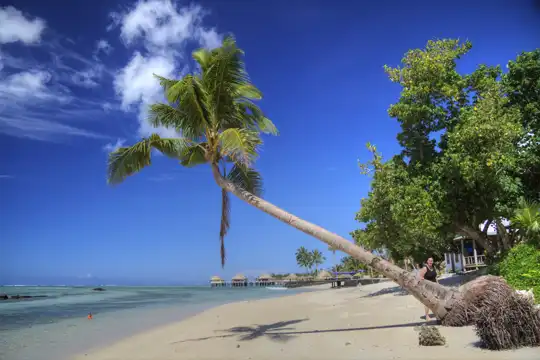
.jpg) Hi, I’m Johan (Netherlands 🇳🇱), the creator of TakeYourBackpack. Over the past decade, I’ve backpacked through 80+ countries across six continents, gaining extensive experience with independent travel, long-term trips, and overland routes.
Hi, I’m Johan (Netherlands 🇳🇱), the creator of TakeYourBackpack. Over the past decade, I’ve backpacked through 80+ countries across six continents, gaining extensive experience with independent travel, long-term trips, and overland routes.