×

Samoa🇼🇸 | attractionsFugalei MarketTaro and yam piles, green bananas, kava roots, dawn trucks | things to do and best time to go

Explore Museum of SamoaExplore Aganoa Beach

Backpacking in Fugalei Market
👍 Recommendedattraction ranked #3
By Johan Kruseman 🇳🇱 | Updated October 15, 2026

Fugalei Market is where Apia buys its dinner, and that is the reason to come: pyramids of taro, green bananas, breadfruit and coconuts stacked on tables under a roof that traps the heat and the smell of ripe pawpaw. Just as useful for travelers, it is the cheapest place in town to eat a proper Samoan meal and to stock a hostel kitchen. It sits on the inland edge of Apia, in Samoa’s capital, a short walk or taxi ride from the waterfront. Go early, when the light is soft and sellers are still arranging their piles. By midday it is hot, loud with bus engines and radio music, and half the best stock is gone. Skip it if you want souvenirs; the central waterfront market does that better. Start with a breakfast of fresh fruit, then walk the aisles slowly and buy supplies for lunch on a beach.

Discover everything you want to know in the 📖 Samoa Travel Guide.


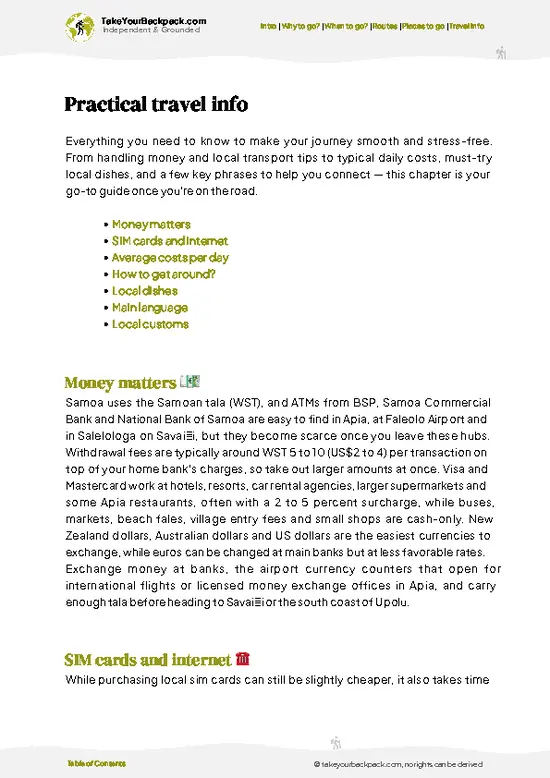
example page 0 from our offline Travel Guide for Samoa
example page 1 from our offline Travel Guide for Samoa
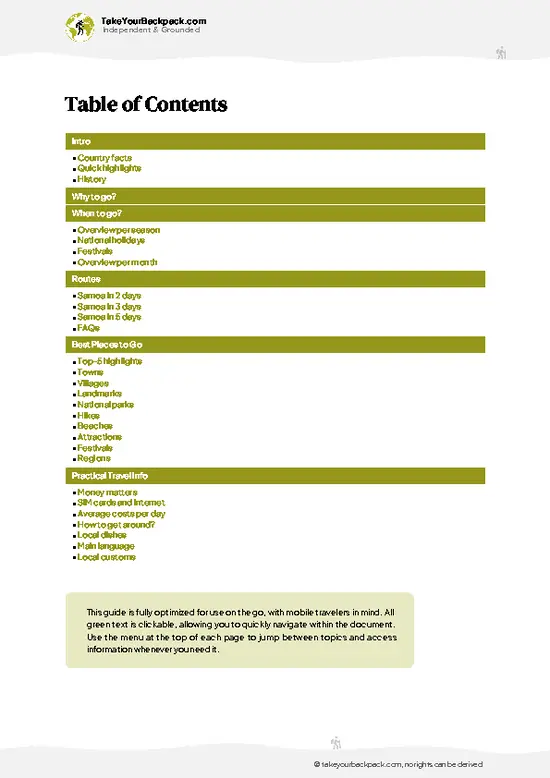
example page 2 from our offline Travel Guide for Samoa
example page 3 from our offline Travel Guide for Samoa
example page 4 from our offline Travel Guide for Samoa
example page 5 from our offline Travel Guide for Samoa
example page 6 from our offline Travel Guide for Samoa
example page 7 from our offline Travel Guide for Samoa
Loading the map 🌍
CLICK TO FILTER
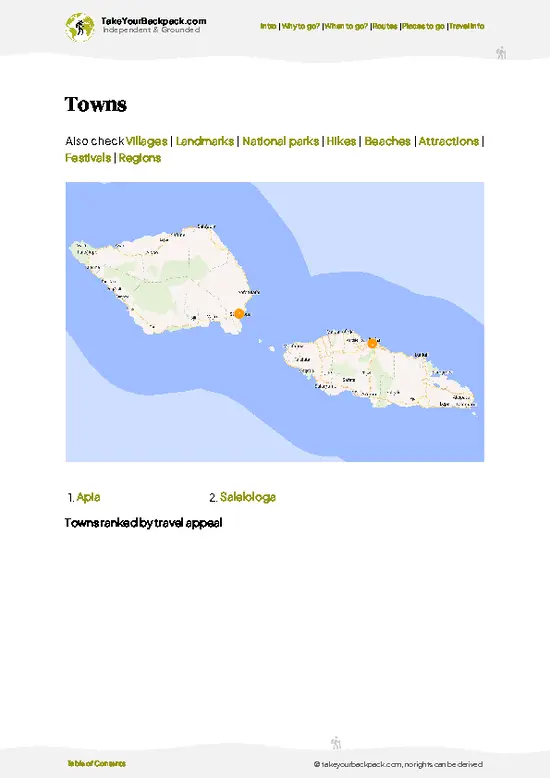
towns
villages
landmarks
national parks
hikes
beaches
attractions
festivals
regions
SHOW COUNTRY’S BESTSHOW ALL

✨ Why go?
Ranked #3 attraction in Samoa
What makes it a must-see attraction

Fugalei Market is the honest side of Apia. Tourist stalls sell carved bowls and printed lavalava, but here the customers are Samoan families shopping for the week, and the goods are what actually fills the umu (earth oven) on a Sunday. If you want to understand what taro, breadfruit and green bananas look like before they become a plate of food, this is the quickest lesson on the island. Sellers truck produce in from plantations around Upolu, so the stock changes with the season, and you can see what is ripe right now instead of reading it off a menu.

It also earns its place on a route for practical reasons. A backpacker staying in a self-catering guesthouse can buy a whole week of tropical fruit and vegetables here at prices well below any supermarket. Add the chance to buy a bag of coconuts … read more 👉
Fugalei Market is the honest side of Apia. Tourist stalls sell carved bowls and printed lavalava, but here the customers are Samoan families shopping for the week, and the goods are what actually fills the umu (earth oven) on a Sunday. If you want to understand what taro, breadfruit and green bananas look like before they become a plate of food, this is the quickest lesson on the island. Sellers truck produce in from plantations around Upolu, so the stock changes with the season, and you can see what is ripe right now instead of reading it off a menu.

It also earns its place on a route for practical reasons. A backpacker staying in a self-catering guesthouse can buy a whole week of tropical fruit and vegetables here at prices well below any supermarket. Add the chance to buy a bag of coconuts or a hand of sweet apple bananas for a beach day, and you have a stop that takes an hour, costs almost nothing and gives you far more of local life than a museum visit would.

💡 HighlightsPlaces and moments you shouldn't skip

  1. The root-crop tables: taro, yams and cassava are piled in tidy heaps and sold by the bunch. This is the starch base of Samoan cooking, and the sellers will tell you how to cook each one if you ask.
  2. Green banana and breadfruit stalls: unripe bananas and breadfruit are boiled or baked in the umu. Seeing the sizes and varieties explains why a Samoan plate looks so heavy.
  3. Tropical fruit counters: pawpaw, pineapple, watermelon, mangoes and small sweet bananas in season. Buy one ripe fruit and eat it on the spot; the flavor is a long way ahead of anything imported.
  4. Coconut sellers: green drinking coconuts are opened with a machete in a couple of swings. It is the cheapest cold drink in town and a good way to cool down in the middle of the aisles.
  5. Leafy greens and vegetables: bundles of taro leaves (the
… read more 👉
  1. The root-crop tables: taro, yams and cassava are piled in tidy heaps and sold by the bunch. This is the starch base of Samoan cooking, and the sellers will tell you how to cook each one if you ask.
  2. Green banana and breadfruit stalls: unripe bananas and breadfruit are boiled or baked in the umu. Seeing the sizes and varieties explains why a Samoan plate looks so heavy.
  3. Tropical fruit counters: pawpaw, pineapple, watermelon, mangoes and small sweet bananas in season. Buy one ripe fruit and eat it on the spot; the flavor is a long way ahead of anything imported.
  4. Coconut sellers: green drinking coconuts are opened with a machete in a couple of swings. It is the cheapest cold drink in town and a good way to cool down in the middle of the aisles.
  5. Leafy greens and vegetables: bundles of taro leaves (the base of palusami), cucumbers, tomatoes and cabbages sit beside the starches. They are a good way to build a cheap salad or a self-cooked dinner.
  6. Cooked food and snacks: small vendors sell hot items such as baked goods, boiled bananas and sweet coconut treats. Eat what the locals around you are eating, and it will be fresh.
  7. Kava roots (ava): dried roots for the ceremonial drink are sold by the bundle. They are a real cultural item here, not a souvenir novelty, and you may see buyers choosing them with great care.
  8. The early-morning rush: the market is at its best before the sun gets high, when trucks are unloading, sellers are shouting prices and the first shoppers are filling their bags. Arrive then and the whole place has a rhythm you will miss at noon.
Most visitors walk straight past the kava root stalls, but they are the quickest way to see how important the ceremonial drink still is in Samoan life.
Spotted a mistake or missing something? Contact us.

Things to do around Fugalei Market

Ratings based on Tripadvisor reviews. When you book through this link, you support our work at no extra cost to you.

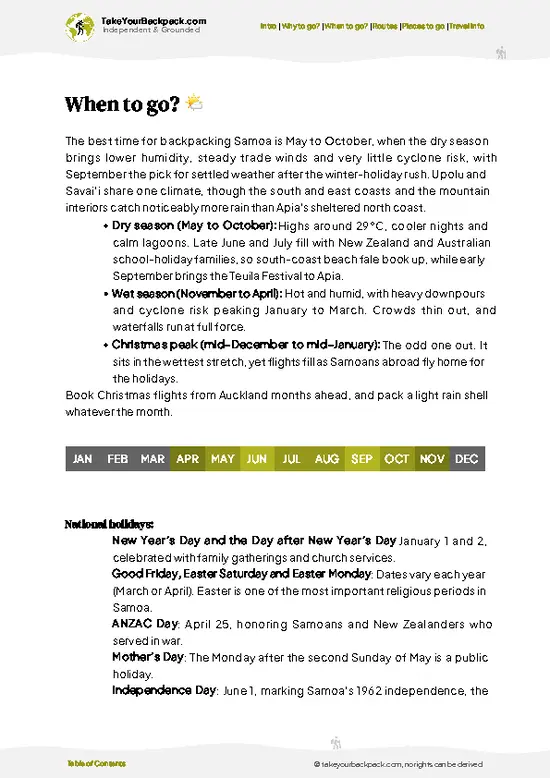
🌤️ When to go?Seasonal considerations and timing

Go early in the morning, ideally Saturday before 8 a.m. if you want the market at full volume, and pick the dry season from May to October for the most comfortable wandering.
  • Dry Season (May to October): Days run 28 to 30°C (82 to 86°F) with lower humidity and far fewer downpours, so the open-air stalls stay pleasant. Daylight lasts roughly 11.5 to 12 hours, with sunrise around 6:30 a.m.
  • Wet Season (November to April): Expect 29 to 32°C (84 to 90°F), heavy humidity and sudden afternoon storms. Covered sections keep you dry, but the lanes get muddy. Cyclone risk peaks from December to March.
  • Time of Week: The market runs six days a week and is busiest on Saturday mornings, when villagers bring in produce. Sunday it is closed, and Samoa keeps it quiet.
  • Crowds and Prices: Fruit and vegetable prices
… read more 👉
Go early in the morning, ideally Saturday before 8 a.m. if you want the market at full volume, and pick the dry season from May to October for the most comfortable wandering.
  • Dry Season (May to October): Days run 28 to 30°C (82 to 86°F) with lower humidity and far fewer downpours, so the open-air stalls stay pleasant. Daylight lasts roughly 11.5 to 12 hours, with sunrise around 6:30 a.m.
  • Wet Season (November to April): Expect 29 to 32°C (84 to 90°F), heavy humidity and sudden afternoon storms. Covered sections keep you dry, but the lanes get muddy. Cyclone risk peaks from December to March.
  • Time of Week: The market runs six days a week and is busiest on Saturday mornings, when villagers bring in produce. Sunday it is closed, and Samoa keeps it quiet.
  • Crowds and Prices: Fruit and vegetable prices dip in peak harvest, often from the wet season. Crowds swell near Christmas when families shop for feasts.
Arrive early, since heat builds by 10 a.m. and the best produce is gone by midday.


source: climatestotravel.comJANJanuary: fair for travelingFEBFebruary: fair for travelingMARMarch: fair for travelingAPRApril: good for travelingMAYMay: highly recommended for travelingJUNJune: highly recommended for travelingJULJuly: highly recommended for travelingAUGAugust: highly recommended for travelingSEPSeptember: highly recommended for travelingOCTOctober: highly recommended for travelingNOVNovember: good for travelingDECDecember: fair for traveling
when-to-go

✈️ The backpacker research shortcutSamoa Travel Guide

An offline-friendly backpacking guide with optimized travel routes, ranked highlights, transport advice, and the best areas to stay.
example page 0 from our offline Travel Guide for Samoa
example page 1 from our offline Travel Guide for Samoa
example page 2 from our offline Travel Guide for Samoa
example page 3 from our offline Travel Guide for Samoa
example page 4 from our offline Travel Guide for Samoa
example page 5 from our offline Travel Guide for Samoa
example page 6 from our offline Travel Guide for Samoa
example page 7 from our offline Travel Guide for Samoa
The digital guide (138 pages) contains:
✅ 37 highlights, ranked by travel appeal
✅ Optimized 2, 3 & 5-day travel routes
✅ Cities, national parks, landmarks, beaches
✅ How to get around
✅ Offline-friendly for travel without Wi-Fi
👉 Click to see all 30+ guide features

📅 Plan smarter in minutes, not weeks
✅ Month by month travel advice
✅ Festivals & national holidays
✅ Budget expectations

🗺️ Go to the right places, skip the overrated ones
✅ Honest pros & cons of destinations
✅ Top hikes, parks & viewpoints
✅ Lesser-known places most travelers miss
✅ Clear “worth it vs skip it” guidance

🛏️ Travel smoothly without rookie mistakes
✅ Best areas to stay
✅ Transport systems explained simply
✅ Common scams & safety advice
✅ SIM cards, money & practical tips

🌍 Understand the country, not just visit it
✅ Culture & traditions
✅ 52 Essential phrases & customs
✅ Festivals worth planning around
✅ Traveler-friendly historical context
✅ Insights that make places more meaningful

📱 Built for real travel conditions
✅ Fully downloadable PDF
✅ Works completely offline
✅ Optimized for phone use
✅ Useful in remote areas & buses
✅ Everything in one place
Stop searching, start planning
Get instant access to your full guide. 30‑day money-back guarantee.
+ Add another guide for just

By proceeding you agree to our terms.
Sent to your inbox immediately after payment • 100% Secure Checkout
Best Backpacking Travel Advisor 2025 tourism awardBest Backpacking
Travel Advisor
2025
What others say about Take Your Backpack Guides:
⭐⭐⭐⭐⭐
Fantastic, amazing amount of information!
⭐⭐⭐⭐⭐
My goodness this is amazing, it's what I've been looking for hats off too you!
⭐⭐⭐⭐⭐
I think this is absolutely BRILLIANT
⭐⭐⭐⭐
Very complete and informative. It's still missing places, but I gotta to commend you
⭐⭐⭐⭐⭐
This is truly amazing, thank you, can't wait to explore it with my kids!
⭐⭐⭐⭐⭐
Awesome resource, thank you!
⭐⭐⭐⭐⭐
This is amazing! Can't wait to explore the ones I haven't seen
⭐⭐⭐⭐
I love this! Well done, great idea.
⭐⭐⭐⭐⭐
Thanks for taking the time to make this gem!
⭐⭐⭐⭐⭐
This might be the best website I've ever seen.
⭐⭐⭐⭐⭐
Congratulations, and thank you so much for your work; it's incredibly valuable.
⭐⭐⭐⭐
In all seriousness I think you did a great job pointing out the important spots
⭐⭐⭐⭐⭐
10/10 very good
⭐⭐⭐⭐⭐
As someone who's only just starting to visit regularly this is awesome, thank you.
⭐⭐⭐⭐
Thank you very much! I'm going to visit my dad, it's going to be very useful!
⭐⭐⭐⭐⭐
This is really cool! We'll be travelling for the first time and this definitely come in handy.
⭐⭐⭐⭐⭐
You are now our minister of culture, congratulations 👨‍💼
⭐⭐⭐⭐⭐
Just wanted to tell you that this is a pearl! Going to follow your recommendations.
⭐⭐⭐⭐⭐
This is so cool. I'll definitely be using the resource for my travels soon.
⭐⭐⭐⭐⭐
This is very impressive! Good work.
⭐⭐⭐⭐⭐
This is an amazing and informative site. Very well done!

🛏️ Where to stay?How to pick the right area

Stay in central Apia, within walking distance or a short bus ride of the market, because that is where the hostels, guesthouses and cheap eats cluster.
The downtown waterfront strip along Beach Road is the most convenient base. You can walk to Fugalei Market in 10 to 15 minutes, and the main bus terminal, the Flea Market, banks and the harbor are all close. Evenings are quiet by backpacker standards, but this area has the most travelers, so meeting people to share taxis or island tours is easy. Streets are well lit and generally safe, though you should keep valuables out of sight after dark.
The … read more 👉
Stay in central Apia, within walking distance or a short bus ride of the market, because that is where the hostels, guesthouses and cheap eats cluster.
The downtown waterfront strip along Beach Road is the most convenient base. You can walk to Fugalei Market in 10 to 15 minutes, and the main bus terminal, the Flea Market, banks and the harbor are all close. Evenings are quiet by backpacker standards, but this area has the most travelers, so meeting people to share taxis or island tours is easy. Streets are well lit and generally safe, though you should keep valuables out of sight after dark.
The quieter residential neighborhoods inland toward Vaivase and Vailima suit travelers wanting space, garden settings and lower noise. They sit a short bus or taxi ride from the market, and cheaper guesthouses there often include kitchens, which pairs well with a market shopping run.
If your plan is beaches rather than town, stay on the south coast of Upolu and make the market a single-morning trip by bus. Most budget travelers choose Apia for at least the first and last nights because ferry and flight timings are easier from there.

👛 Costs (as of 15 October 2026)Money, prices, and spending tips

A day around Fugalei Market in Apia runs about US$27 to 73 for a backpacker, and the market itself costs nothing to enter. You pay in tala, so the figures below are converted to US dollars.
CategoryBudget RangeLocal Reality
Entry feeUS$0Walk in any time during trading hours. Early morning is the busiest and has the best produce.
Fresh produce and snacksUS$2 to 6Bananas, papayas, coconuts, taro and pineapples are sold by the pile or bunch. Prices are fixed by the seller, and light haggling is rare.
Cooked foodUS$3 to 8Food stalls sell plates of fish, chicken, taro and fried bread. A fresh coconut to drink costs about US$0.50 to 1.
HandicraftsUS$3 to 25Lava-lava cloth, woven fans, and small carvings. Larger items cost more and are usually found in the craft stalls.
Local transportUS$1 to 4Colorful
… read more 👉
A day around Fugalei Market in Apia runs about US$27 to 73 for a backpacker, and the market itself costs nothing to enter. You pay in tala, so the figures below are converted to US dollars.
CategoryBudget RangeLocal Reality
Entry feeUS$0Walk in any time during trading hours. Early morning is the busiest and has the best produce.
Fresh produce and snacksUS$2 to 6Bananas, papayas, coconuts, taro and pineapples are sold by the pile or bunch. Prices are fixed by the seller, and light haggling is rare.
Cooked foodUS$3 to 8Food stalls sell plates of fish, chicken, taro and fried bread. A fresh coconut to drink costs about US$0.50 to 1.
HandicraftsUS$3 to 25Lava-lava cloth, woven fans, and small carvings. Larger items cost more and are usually found in the craft stalls.
Local transportUS$1 to 4Colorful local buses run around Apia and to nearby villages for small fares. A short taxi ride in town costs about US$3 to 6.
Accommodation (high season)US$18 to 30A dorm bed or basic guesthouse room in Apia. Prices rise from June to October and around school holidays.
Accommodation (low season)US$14 to 24Rooms are easier to find and can often be had for less from November to April.
Total Daily BudgetUS$27 to 73Mid-range of about US$38 to 62 for most backpackers, counting one high season bed, market food, a few purchases and bus fares.
⚠️ Prices can change and everyone travels differently, so take this as a rough guide. Hope it helps you plan your adventure!

FAQTraveler FAQ

Plan on one to two hours at Fugalei Market, which is enough to wander the produce stalls, try a snack and pick up crafts. Go early, ideally before 9 a.m., since the freshest fruit and vegetables sell out by late morning. Add another hour if you combine it with a walk to the nearby Flea Market and waterfront in central Apia.
Entry is free, so the only question is whether the food and atmosphere suit you, and for most backpackers they do. A plate of cooked food or fresh tropical fruit costs about US$2 to 6, and you see how locals shop for taro, bananas and coconuts. If you only want sights and swimming, skip it, but it is the best cheap, authentic stop in Apia.
Take a local bus or taxi into central Apia, since the market sits just inland from the main downtown area, about 10 to 15 minutes on foot from the waterfront. From Faleolo Airport, expect a taxi of roughly 45 minutes for around US$30 to 40. Buses from villages across Upolu arrive at the nearby terminal and cost about US$1 to 4, and the market is a short walk from there.
⚠️ Things can change over time, so always validate details locally before you go.

Other Samoan attractions near Fugalei Market

Explore more nearby:


💡 Not sure where to go next?
Create a personalized itinerary for Samoa including Fugalei Market and the places that fit your trip.

Generate my itinerary

👉 Discover all attractions

Or checkout all Samoa has to offer (think cities, towns, villages, national parks, hikes, beaches, festivals)
Country photo of Samoa

We 💚 feedbackWhat to keep in mind

Fugalei suits curious eaters, self-caterers and anyone who prefers a real market to a souvenir stall. If you are staying somewhere with a kitchen, shop here first, then buy a few coconuts for the road. Go before the heat peaks, carry small change, and bring a bag of your own.

✍️ Help improve this page!
The information on this page is based on in-depth research, insights shared by experienced travelers, and feedback from the local travel community in Samoa. While every effort is made to keep the information accurate and current, conditions can change — so if you spot anything incorrect or outdated, please get in touch.


🙋‍♂️ Give feedback

👋 Meet the founderWho’s Behind Take Your Backpack?

Johan, backpacker and founder of TakeYourBackpackHi, I’m Johan (Netherlands 🇳🇱), the creator of TakeYourBackpack. Over the past 3 decades, I’ve backpacked through 90+ countries across six continents, gaining extensive experience with independent travel, long-term trips, and overland routes.

This site is built on a combination of firsthand travel experience and carefully curated insights from other backpackers. Many guides are based on places I’ve personally visited, while others bring together tips, observations, and practical advice shared by trusted travelers I’ve met along the way.

The goal is to provide realistic, experience-driven guidance — not generic itineraries — so you can explore destinations with better context, clearer expectations, and more confidence.