v2.webp)
- Fortaleza de São Sebastião (Museu Nacional): The red-walled Portuguese fort dates from the 16th century and sits right at the bay. Inside, the national museum holds colonial-era religious statuary, slave-trade history, and cocoa and coffee displays, with a rooftop-style view of the harbor from the ramparts. Go in the morning before the heat builds. Entry is about €2, and an hour is enough.
- Sé Catedral: The whitewashed cathedral with two blunt towers faces the main square and is the city’s best-known landmark. The interior is plain, cool and echoing, and Sunday mass fills it with loud, harmonized singing. Visit in the early morning or at mass. It is free and takes 20 to 30 minutes.
- Mercado Municipal: The central market is the city’s loudest, smelliest and most honest place. Look for tuna and
- Fortaleza de São Sebastião (Museu Nacional): The red-walled Portuguese fort dates from the 16th century and sits right at the bay. Inside, the national museum holds colonial-era religious statuary, slave-trade history, and cocoa and coffee displays, with a rooftop-style view of the harbor from the ramparts. Go in the morning before the heat builds. Entry is about €2, and an hour is enough.
- Sé Catedral: The whitewashed cathedral with two blunt towers faces the main square and is the city’s best-known landmark. The interior is plain, cool and echoing, and Sunday mass fills it with loud, harmonized singing. Visit in the early morning or at mass. It is free and takes 20 to 30 minutes.
- Mercado Municipal: The central market is the city’s loudest, smelliest and most honest place. Look for tuna and flying fish on wet slabs, pyramids of cocoa and chili, palm oil, and stalls of secondhand clothes. Morning is the liveliest. Entry is free, a browse takes about an hour, and a snack runs under €2.
- Avenida Marginal and the waterfront: This seafront road links the fort, the presidential palace façade and the old colonial buildings, with palms leaning over the bay. Walk it late in the afternoon when locals stroll and fishermen mend nets. It is free and takes 45 to 60 minutes at a slow pace.
- Praia Gamboa: A city beach where kids play football on dark sand and fishing canoes come in. It is a place to watch daily life rather than swim, and the water quality is mixed near town. Visit early morning or late afternoon. It is free, and 30 to 45 minutes is plenty.
- Praça Yon Gato and the old center streets: A wander through the grid of faded colonial houses, small bakeries and shops shows how the capital feels away from the water. Late morning has the most street life. It is free and takes about an hour.
The cathedral, market, waterfront and beach cost nothing, and the fort is the only item here with an entry fee.
Spotted a mistake or missing something? Contact us.


 Best Backpacking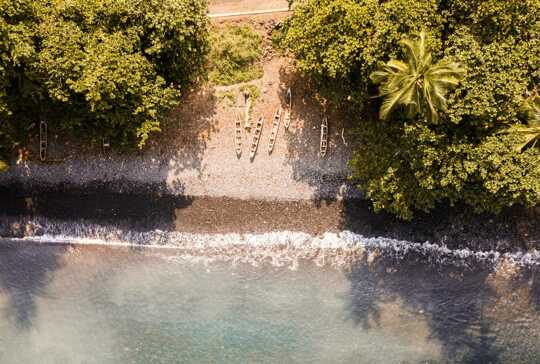
.jpg) Hi, I’m Johan (Netherlands 🇳🇱), the creator of TakeYourBackpack. Over the past 3 decades, I’ve backpacked through 90+ countries across six continents, gaining extensive experience with independent travel, long-term trips, and overland routes.
Hi, I’m Johan (Netherlands 🇳🇱), the creator of TakeYourBackpack. Over the past 3 decades, I’ve backpacked through 90+ countries across six continents, gaining extensive experience with independent travel, long-term trips, and overland routes.