v2.webp)
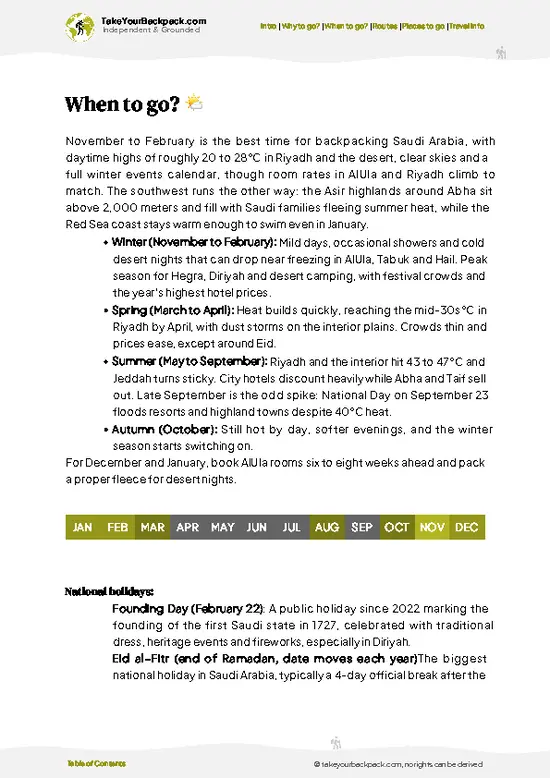
Al Qarah Mountain (Jabal Al Qarah)
This isn’t just a photo op—it’s a labyrinth of cool limestone caves that locals have used for centuries to escape the desert heat. The caves are naturally air-conditioned, and the view from the summit stretches over the palm groves that define Al Ahsa. Go early morning or late afternoon for softer light and fewer crowds. Entry is around 50 SAR. You’ll want at least 1.5 hours to wander, climb, and soak up the geology lesson you never knew you needed.
Al Ahsa Oasis (UNESCO World Heritage Site)
This is the world’s largest date palm oasis, and it’s not just a pretty backdrop. Walk or bike the shaded paths, watch farmers at work, and taste dates that actually taste like something. The oasis is free to enter, but guided tours (about 100-150 SAR) unlock the stories … read more 👉
This isn’t just a photo op—it’s a labyrinth of cool limestone caves that locals have used for centuries to escape the desert heat. The caves are naturally air-conditioned, and the view from the summit stretches over the palm groves that define Al Ahsa. Go early morning or late afternoon for softer light and fewer crowds. Entry is around 50 SAR. You’ll want at least 1.5 hours to wander, climb, and soak up the geology lesson you never knew you needed.
Al Ahsa Oasis (UNESCO World Heritage Site)
This is the world’s largest date palm oasis, and it’s not just a pretty backdrop. Walk or bike the shaded paths, watch farmers at work, and taste dates that actually taste like something. The oasis is free to enter, but guided tours (about 100-150 SAR) unlock the stories … read more 👉
Al Qarah Mountain (Jabal Al Qarah)
This isn’t just a photo op—it’s a labyrinth of cool limestone caves that locals have used for centuries to escape the desert heat. The caves are naturally air-conditioned, and the view from the summit stretches over the palm groves that define Al Ahsa. Go early morning or late afternoon for softer light and fewer crowds. Entry is around 50 SAR. You’ll want at least 1.5 hours to wander, climb, and soak up the geology lesson you never knew you needed.
Al Ahsa Oasis (UNESCO World Heritage Site)
This is the world’s largest date palm oasis, and it’s not just a pretty backdrop. Walk or bike the shaded paths, watch farmers at work, and taste dates that actually taste like something. The oasis is free to enter, but guided tours (about 100-150 SAR) unlock the stories behind the canals and mudbrick architecture. Best visited in the cooler months (October-March). Give yourself 2-3 hours if you want to see more than just the edge.
Qaisariah Souq
This covered market is the city’s beating heart. It’s not sanitized for tourists—expect the scent of cardamom, the clang of metalworkers, and shopkeepers who’ll actually talk to you. Go in the evening when it’s busiest. Free to enter, but bring cash for snacks or souvenirs. One hour is enough for a first pass, but you’ll want to linger if you’re a people-watcher or collector of oddities.
Jawatha Mosque
One of the oldest mosques in the region, built by the Bani Abd al-Qays tribe in the 7th century. The original structure is mostly gone, but the site’s spiritual gravity is real. Modest dress is essential. Free entry. Early morning is peaceful; 30-45 minutes is enough unless you’re a history buff.
Al Ahsa National Park
A green lung in the desert, with shady picnic spots, walking paths, and a small zoo. It’s where local families unwind, especially on weekends. Entry is about 10 SAR. Go late afternoon for cooler temps and a slice of local life. Plan for 1-2 hours if you want to relax.
Al Amiriya School
A restored mudbrick schoolhouse that’s now a museum of local education and culture. The architecture alone is worth a look, and the exhibits are refreshingly hands-on. Open mornings; entry is free or a nominal fee. You’ll need 30-45 minutes.
For those with extra time, the jaw-dropping Al Asfar Lake, the ancient Ibrahim Palace, and the hot springs of Al Jishah are all just outside city limits—prime day-trip material from Al Ahsa.
This isn’t just a photo op—it’s a labyrinth of cool limestone caves that locals have used for centuries to escape the desert heat. The caves are naturally air-conditioned, and the view from the summit stretches over the palm groves that define Al Ahsa. Go early morning or late afternoon for softer light and fewer crowds. Entry is around 50 SAR. You’ll want at least 1.5 hours to wander, climb, and soak up the geology lesson you never knew you needed.
Al Ahsa Oasis (UNESCO World Heritage Site)
This is the world’s largest date palm oasis, and it’s not just a pretty backdrop. Walk or bike the shaded paths, watch farmers at work, and taste dates that actually taste like something. The oasis is free to enter, but guided tours (about 100-150 SAR) unlock the stories behind the canals and mudbrick architecture. Best visited in the cooler months (October-March). Give yourself 2-3 hours if you want to see more than just the edge.
Qaisariah Souq
This covered market is the city’s beating heart. It’s not sanitized for tourists—expect the scent of cardamom, the clang of metalworkers, and shopkeepers who’ll actually talk to you. Go in the evening when it’s busiest. Free to enter, but bring cash for snacks or souvenirs. One hour is enough for a first pass, but you’ll want to linger if you’re a people-watcher or collector of oddities.
Jawatha Mosque
One of the oldest mosques in the region, built by the Bani Abd al-Qays tribe in the 7th century. The original structure is mostly gone, but the site’s spiritual gravity is real. Modest dress is essential. Free entry. Early morning is peaceful; 30-45 minutes is enough unless you’re a history buff.
Al Ahsa National Park
A green lung in the desert, with shady picnic spots, walking paths, and a small zoo. It’s where local families unwind, especially on weekends. Entry is about 10 SAR. Go late afternoon for cooler temps and a slice of local life. Plan for 1-2 hours if you want to relax.
Al Amiriya School
A restored mudbrick schoolhouse that’s now a museum of local education and culture. The architecture alone is worth a look, and the exhibits are refreshingly hands-on. Open mornings; entry is free or a nominal fee. You’ll need 30-45 minutes.
For those with extra time, the jaw-dropping Al Asfar Lake, the ancient Ibrahim Palace, and the hot springs of Al Jishah are all just outside city limits—prime day-trip material from Al Ahsa.
Spotted a mistake or missing something? Contact us.

 Best Backpacking
.jpg) Hi, I’m Johan (Netherlands 🇳🇱), the creator of TakeYourBackpack. Over the past 3 decades, I’ve backpacked through 90+ countries across six continents, gaining extensive experience with independent travel, long-term trips, and overland routes.
Hi, I’m Johan (Netherlands 🇳🇱), the creator of TakeYourBackpack. Over the past 3 decades, I’ve backpacked through 90+ countries across six continents, gaining extensive experience with independent travel, long-term trips, and overland routes.