v2.webp)
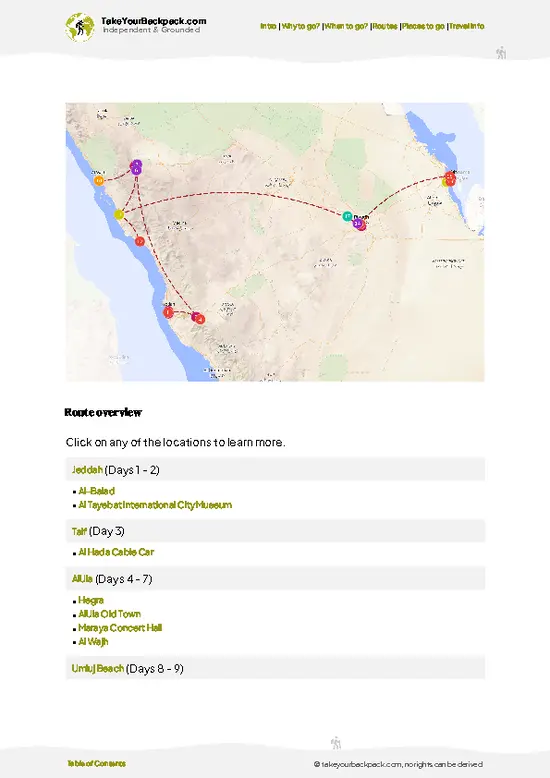
The Fortress Walls and Towers
Forget the Instagram filters—these mud-brick walls are the real deal, pockmarked and battered by history, not by a photo app. Walk right up and run your hand along the thick, sun-baked ramparts. This is not a Disney set. You’re touching the same fortress that played a starring role in the 1902 recapture of Riyadh, a turning point that shaped modern Saudi Arabia. The towers aren’t just for show; they’re a masterclass in desert defense, with arrow slits and murder holes that remind you this place was built for survival, not selfies.
The Main Gate (Bab al-Masmak)
This isn’t just a door—it’s a legend. The heavy wooden gate, still studded with iron, is where the famous spearhead of Ibn Saud’s daring assault is said to have lodged. You can see the actual spearhead … read more 👉
Forget the Instagram filters—these mud-brick walls are the real deal, pockmarked and battered by history, not by a photo app. Walk right up and run your hand along the thick, sun-baked ramparts. This is not a Disney set. You’re touching the same fortress that played a starring role in the 1902 recapture of Riyadh, a turning point that shaped modern Saudi Arabia. The towers aren’t just for show; they’re a masterclass in desert defense, with arrow slits and murder holes that remind you this place was built for survival, not selfies.
The Main Gate (Bab al-Masmak)
This isn’t just a door—it’s a legend. The heavy wooden gate, still studded with iron, is where the famous spearhead of Ibn Saud’s daring assault is said to have lodged. You can see the actual spearhead … read more 👉
The Fortress Walls and Towers
Forget the Instagram filters—these mud-brick walls are the real deal, pockmarked and battered by history, not by a photo app. Walk right up and run your hand along the thick, sun-baked ramparts. This is not a Disney set. You’re touching the same fortress that played a starring role in the 1902 recapture of Riyadh, a turning point that shaped modern Saudi Arabia. The towers aren’t just for show; they’re a masterclass in desert defense, with arrow slits and murder holes that remind you this place was built for survival, not selfies.
The Main Gate (Bab al-Masmak)
This isn’t just a door—it’s a legend. The heavy wooden gate, still studded with iron, is where the famous spearhead of Ibn Saud’s daring assault is said to have lodged. You can see the actual spearhead notch. It’s a physical scar, a literal mark of revolution, and it’s right there in front of you. No velvet ropes, no glass case—just raw, unvarnished history.
The Courtyard and Well
Step into the central courtyard and you’ll feel the temperature drop—a clever bit of ancient engineering. The well in the corner isn’t just a prop; it was the lifeline for defenders under siege. Stand here at midday and you’ll understand why every inch of this place was designed for function over form. It’s a rare, tactile lesson in how people actually survived in the heart of the desert.
The Museum Exhibits
Skip the expectation of dusty, irrelevant displays. The fortress’s museum is compact but punchy, loaded with artifacts that actually matter: rifles, swords, and everyday objects from the era of Al Saud’s rise. The dioramas are refreshingly direct—no sugarcoating, just the grit and improvisation of a city in flux. If you want to understand how a fortress becomes a symbol, this is where it clicks.
The Rooftop Views
Climb up to the roof and you’ll get a jolt of contrast: ancient mud walls framing the glass-and-steel skyline of modern Riyadh. It’s not a panoramic fantasy, but it’s real, and it’s powerful. You’re standing where sentries once watched for enemies, now looking out at a city that’s exploded into the future. It’s a rare, honest collision of past and present—no filter needed.
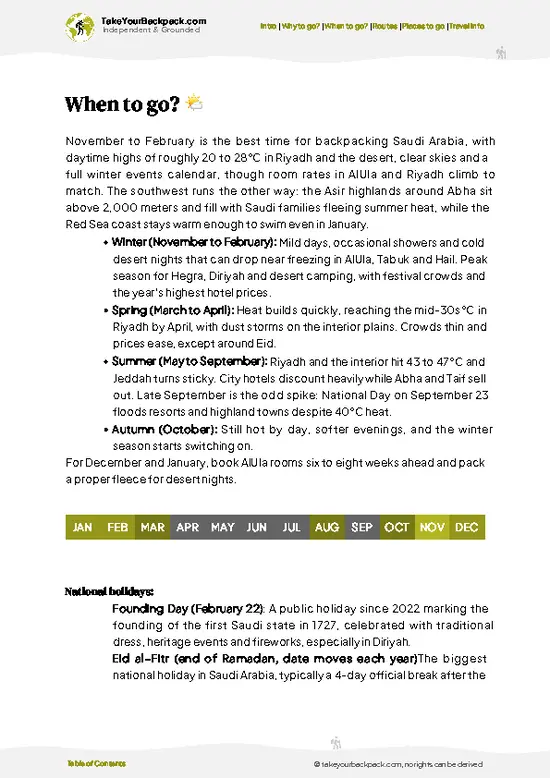
Forget the Instagram filters—these mud-brick walls are the real deal, pockmarked and battered by history, not by a photo app. Walk right up and run your hand along the thick, sun-baked ramparts. This is not a Disney set. You’re touching the same fortress that played a starring role in the 1902 recapture of Riyadh, a turning point that shaped modern Saudi Arabia. The towers aren’t just for show; they’re a masterclass in desert defense, with arrow slits and murder holes that remind you this place was built for survival, not selfies.
The Main Gate (Bab al-Masmak)
This isn’t just a door—it’s a legend. The heavy wooden gate, still studded with iron, is where the famous spearhead of Ibn Saud’s daring assault is said to have lodged. You can see the actual spearhead notch. It’s a physical scar, a literal mark of revolution, and it’s right there in front of you. No velvet ropes, no glass case—just raw, unvarnished history.
The Courtyard and Well
Step into the central courtyard and you’ll feel the temperature drop—a clever bit of ancient engineering. The well in the corner isn’t just a prop; it was the lifeline for defenders under siege. Stand here at midday and you’ll understand why every inch of this place was designed for function over form. It’s a rare, tactile lesson in how people actually survived in the heart of the desert.
The Museum Exhibits
Skip the expectation of dusty, irrelevant displays. The fortress’s museum is compact but punchy, loaded with artifacts that actually matter: rifles, swords, and everyday objects from the era of Al Saud’s rise. The dioramas are refreshingly direct—no sugarcoating, just the grit and improvisation of a city in flux. If you want to understand how a fortress becomes a symbol, this is where it clicks.
The Rooftop Views
Climb up to the roof and you’ll get a jolt of contrast: ancient mud walls framing the glass-and-steel skyline of modern Riyadh. It’s not a panoramic fantasy, but it’s real, and it’s powerful. You’re standing where sentries once watched for enemies, now looking out at a city that’s exploded into the future. It’s a rare, honest collision of past and present—no filter needed.
Spotted a mistake or missing something? Contact us.

Dubai Evening Desert Safari BBQ Premium Camp & optional Quad Bike

Edge of the World Riyadh Tour with Bat Cave Experience & Dinner

Dubai Private Evening Red Dunes Safari, BBQ & Premium Camp

Dubai 4-Hour Red Dunes Safari, Camel Ride, Sandboarding & Falcon

Private Abu Dhabi City Tour with Grand Mosque & Heritage Village

Dubai Evening Safari: 30-Min Can-Am Buggy, Dinner & Shows

Red Sand Adventure Riyadh (Quad Biking,Camel Ride ,HeritageHouse)

Edge of the World by 4x4 Car, Camels, Gazelles & Sunset

Sunset Edge of the World with Deers & Camels 4x4 Adventure Riyadh


 Best Backpacking
.jpg) Hi, I’m Johan (Netherlands 🇳🇱), the creator of TakeYourBackpack. Over the past 3 decades, I’ve backpacked through 90+ countries across six continents, gaining extensive experience with independent travel, long-term trips, and overland routes.
Hi, I’m Johan (Netherlands 🇳🇱), the creator of TakeYourBackpack. Over the past 3 decades, I’ve backpacked through 90+ countries across six continents, gaining extensive experience with independent travel, long-term trips, and overland routes.