v2.webp)
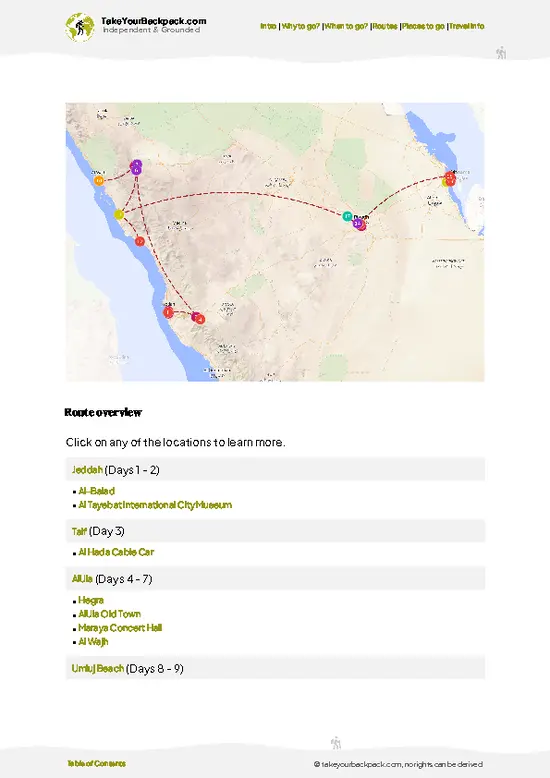
1. The Man and the Universe Hall
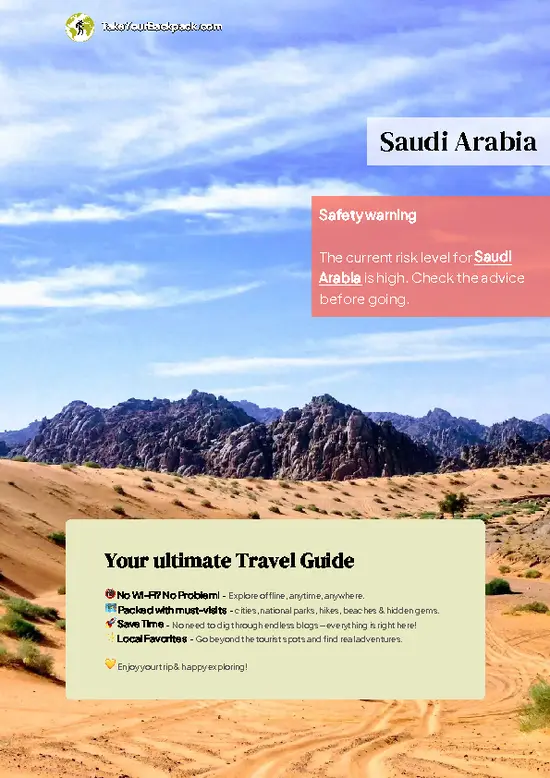
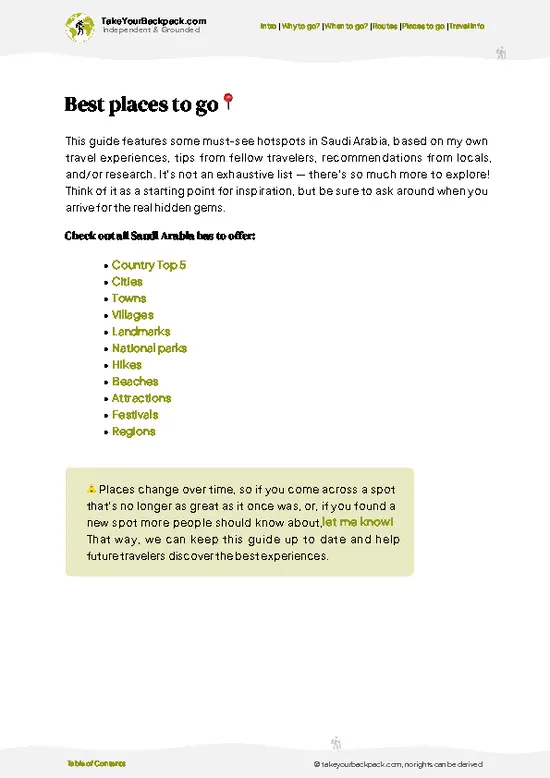
Forget the usual “diorama of early man” snooze fest. This hall launches you straight into the cosmic deep end—think meteorites you can touch, ancient fossils, and a timeline that doesn’t just start with human history, but with the literal birth of the universe. The lighting is dramatic, the scale is ambitious, and you’ll actually feel the weight of deep time. If you’ve ever wanted to see a museum treat geology and astronomy with the same reverence as royal history, this is your hall.
2. The Arabian Kingdoms Gallery
This is where the museum flexes its muscle. You get up close with artifacts from the ancient kingdoms that predate Islam—think Dedan, Lihyan, and the Nabataeans. These aren’t just dusty relics; the curation is sharp, with massive stone statues, … read more 👉
Forget the usual “diorama of early man” snooze fest. This hall launches you straight into the cosmic deep end—think meteorites you can touch, ancient fossils, and a timeline that doesn’t just start with human history, but with the literal birth of the universe. The lighting is dramatic, the scale is ambitious, and you’ll actually feel the weight of deep time. If you’ve ever wanted to see a museum treat geology and astronomy with the same reverence as royal history, this is your hall.
2. The Arabian Kingdoms Gallery
This is where the museum flexes its muscle. You get up close with artifacts from the ancient kingdoms that predate Islam—think Dedan, Lihyan, and the Nabataeans. These aren’t just dusty relics; the curation is sharp, with massive stone statues, … read more 👉
1. The Man and the Universe Hall
Forget the usual “diorama of early man” snooze fest. This hall launches you straight into the cosmic deep end—think meteorites you can touch, ancient fossils, and a timeline that doesn’t just start with human history, but with the literal birth of the universe. The lighting is dramatic, the scale is ambitious, and you’ll actually feel the weight of deep time. If you’ve ever wanted to see a museum treat geology and astronomy with the same reverence as royal history, this is your hall.
2. The Arabian Kingdoms Gallery
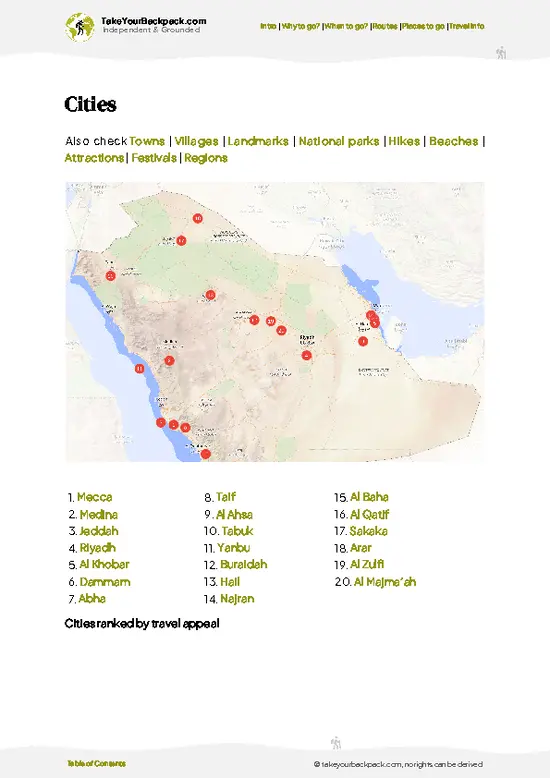
This is where the museum flexes its muscle. You get up close with artifacts from the ancient kingdoms that predate Islam—think Dedan, Lihyan, and the Nabataeans. These aren’t just dusty relics; the curation is sharp, with massive stone statues, intricate inscriptions, and a sense of drama that makes you realize Arabia was a crossroads of empires, not a cultural backwater. The storytelling is clear: this land has always been a big deal.
3. The Islamic Era Halls
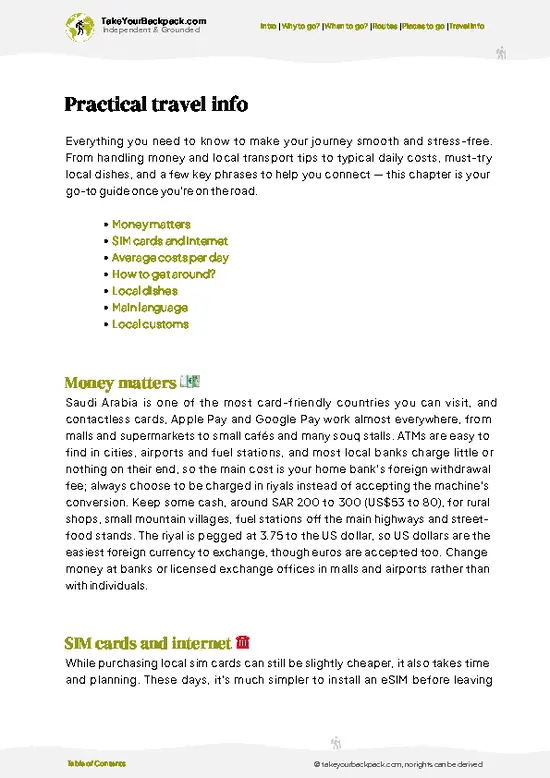
Here’s where the Instagrammers usually crowd, snapping shots of illuminated Qur’ans and ornate doors. But the real magic is in the context: you see how Islam transformed the region, not just spiritually but artistically and scientifically. The exhibits don’t shy away from complexity—there’s a palpable sense of how the faith shaped architecture, trade, and daily life. The craftsmanship on display is world-class, and the narrative is refreshingly honest about change and continuity.
4. The Hajj and the Two Holy Mosques Gallery
This is not a touristy “look at the pretty models” stop. The gallery is immersive, with scale models of Mecca and Medina, rare photographs, and personal stories that cut through the abstraction. You’ll walk away with a visceral sense of what the pilgrimage means to millions—logistics, emotion, and all. It’s one of the few places outside the holy cities where you can grasp the scale and intensity of Hajj without the crowds.
5. The Unfiltered Saudi Heritage Experience
Skip the gift shop and head for the reconstructed Saudi homes and markets. This isn’t a sanitized, Disney-fied version of tradition. You’ll see real tools, textiles, and even the architecture of mud-brick houses. The museum doesn’t pretend the past was always glamorous; it’s honest about hardship, resourcefulness, and the wild diversity of Saudi cultures. It’s a rare, unvarnished look at daily life before oil changed everything.
Forget the usual “diorama of early man” snooze fest. This hall launches you straight into the cosmic deep end—think meteorites you can touch, ancient fossils, and a timeline that doesn’t just start with human history, but with the literal birth of the universe. The lighting is dramatic, the scale is ambitious, and you’ll actually feel the weight of deep time. If you’ve ever wanted to see a museum treat geology and astronomy with the same reverence as royal history, this is your hall.
2. The Arabian Kingdoms Gallery
This is where the museum flexes its muscle. You get up close with artifacts from the ancient kingdoms that predate Islam—think Dedan, Lihyan, and the Nabataeans. These aren’t just dusty relics; the curation is sharp, with massive stone statues, intricate inscriptions, and a sense of drama that makes you realize Arabia was a crossroads of empires, not a cultural backwater. The storytelling is clear: this land has always been a big deal.
3. The Islamic Era Halls
Here’s where the Instagrammers usually crowd, snapping shots of illuminated Qur’ans and ornate doors. But the real magic is in the context: you see how Islam transformed the region, not just spiritually but artistically and scientifically. The exhibits don’t shy away from complexity—there’s a palpable sense of how the faith shaped architecture, trade, and daily life. The craftsmanship on display is world-class, and the narrative is refreshingly honest about change and continuity.
4. The Hajj and the Two Holy Mosques Gallery
This is not a touristy “look at the pretty models” stop. The gallery is immersive, with scale models of Mecca and Medina, rare photographs, and personal stories that cut through the abstraction. You’ll walk away with a visceral sense of what the pilgrimage means to millions—logistics, emotion, and all. It’s one of the few places outside the holy cities where you can grasp the scale and intensity of Hajj without the crowds.
5. The Unfiltered Saudi Heritage Experience
Skip the gift shop and head for the reconstructed Saudi homes and markets. This isn’t a sanitized, Disney-fied version of tradition. You’ll see real tools, textiles, and even the architecture of mud-brick houses. The museum doesn’t pretend the past was always glamorous; it’s honest about hardship, resourcefulness, and the wild diversity of Saudi cultures. It’s a rare, unvarnished look at daily life before oil changed everything.
Spotted a mistake or missing something? Contact us.

Dubai Evening Desert Safari BBQ Premium Camp & optional Quad Bike

Edge of the World Riyadh Tour with Bat Cave Experience & Dinner

Dubai Private Evening Red Dunes Safari, BBQ & Premium Camp

Dubai 4-Hour Red Dunes Safari, Camel Ride, Sandboarding & Falcon

Private Abu Dhabi City Tour with Grand Mosque & Heritage Village

Dubai Evening Safari: 30-Min Can-Am Buggy, Dinner & Shows

Red Sand Adventure Riyadh (Quad Biking,Camel Ride ,HeritageHouse)

Edge of the World by 4x4 Car, Camels, Gazelles & Sunset

Sunset Edge of the World with Deers & Camels 4x4 Adventure Riyadh


 Best Backpacking
.jpg) Hi, I’m Johan (Netherlands 🇳🇱), the creator of TakeYourBackpack. Over the past 3 decades, I’ve backpacked through 90+ countries across six continents, gaining extensive experience with independent travel, long-term trips, and overland routes.
Hi, I’m Johan (Netherlands 🇳🇱), the creator of TakeYourBackpack. Over the past 3 decades, I’ve backpacked through 90+ countries across six continents, gaining extensive experience with independent travel, long-term trips, and overland routes.