×

Saudi Arabia🇸🇦 | townsAl WajhRed Sea port, coral architecture, fishing harbor | things to do and best time to go

Explore Al UwayqilahExplore Wajh

Backpacking in Al Wajh
🏆 Top picktown ranked #2
By Johan Kruseman 🇳🇱 | Updated June 7, 2026

Ten years ago Al Wajh felt like a sleepy Red Sea port where time moved with the tide: peeling facades, a quiet harbor, fishermen’s calls at dawn, almost no tourism infrastructure. Today it’s still low-key, but you feel the new Saudi push—fresh paint on the corniche, better roads, a few family-run stays and cafés that clearly weren’t here before. Al Wajh sits on the northwestern Red Sea coast, between Yanbu and the Jordan border, a coastal pause on the way to Tabuk, NEOM areas, or inland deserts. For backpackers it works best as a calm stopover and a base for sea air, simple beaches, and short coastal walks rather than big-ticket sights. It’s more relaxed and scruffy than Yanbu, far less built-up than Tabuk, and still cheap for food and rooms. Buses and shared cars connect it, the center is walkable, nights are quiet, and meeting other backpackers is possible but never guaranteed.

Discover everything you want to know in the 📖 Saudi Arabia Travel Guide.
Safety warning

The current risk level for Saudi Arabia is high. Check the advice before going.


Get your Saudi Arabia guide
101 ranked highlights, routes & tips, works offline (375 pages)
Loading the map 🌍
CLICK TO FILTER
cities
towns
landmarks
national parks
hikes
beaches
attractions
festivals
regions
SHOW COUNTRY’S BESTSHOW ALL

✨ Why go?
Ranked #2 town in Saudi Arabia
Why visitors keep coming back

Backpackers flock to Al Wajh for its strategic position along the Red Sea, making it a perfect base for hikes and beach days. The nearby Tabuk region offers stunning trails, while the coastline invites lazy afternoons by the water. The town itself is a blend of local charm and convenience. You’ll find small-scale hostels and guesthouses that feel welcoming, often run by locals eager to share their culture.

Strolling through Al Wajh’s streets, you’ll notice the scent of spices wafting from street vendors, tempting you to try traditional dishes that are both affordable and delicious. This isn’t a party town; it’s more suited for slow travelers and solo adventurers who appreciate a quieter atmosphere. Many backpackers stay a few days, soaking in the laid-back vibe and connecting with fellow … read more 👉
Backpackers flock to Al Wajh for its strategic position along the Red Sea, making it a perfect base for hikes and beach days. The nearby Tabuk region offers stunning trails, while the coastline invites lazy afternoons by the water. The town itself is a blend of local charm and convenience. You’ll find small-scale hostels and guesthouses that feel welcoming, often run by locals eager to share their culture.

Strolling through Al Wajh’s streets, you’ll notice the scent of spices wafting from street vendors, tempting you to try traditional dishes that are both affordable and delicious. This isn’t a party town; it’s more suited for slow travelers and solo adventurers who appreciate a quieter atmosphere. Many backpackers stay a few days, soaking in the laid-back vibe and connecting with fellow travelers over shared meals or stories.

If you’re looking for a place to recharge between adventures, Al Wajh offers a friendly social atmosphere without the chaos of larger cities. It’s a spot where you can truly appreciate the journey, making it a worthwhile stop on your backpacking route.
Want to include Al Wajh in your Saudi Arabia route?
Create a personalized Saudi Arabia itinerary that includes Al Wajh and the places that fit your trip — based on your travel style, budget, and available time. Get your route in seconds.

Generate my trip

💡 HighlightsEssential experiences to have while visiting Al Wajh

  1. Al Wajh Old Town (the coral quarter) — A tight maze of old coral-stone houses, wooden doors and narrow alleys; the best place to feel the town’s maritime history and see traditional wind-tower architecture up close.
  2. Al Wajh Corniche — A low-key seaside promenade where locals walk, kite-fly and watch dramatic Red Sea sunsets; great for people-watching and easy access to beaches without leaving town.
  3. Al Wajh Harbour & Fish Market — The working heart of the town: early-morning fish landings, dhows coming in, noisy bargaining and fresh seafood stalls—excellent for a raw, sensory feel of local life.
  4. Old Fort / Coastal Watchtower — A small, visitable fortification/watchtower above the bay that gives context to Al Wajh’s role as a historic Red Sea port and offers good views over the water and
read more 👉
  1. Al Wajh Old Town (the coral quarter) — A tight maze of old coral-stone houses, wooden doors and narrow alleys; the best place to feel the town’s maritime history and see traditional wind-tower architecture up close.
  2. Al Wajh Corniche — A low-key seaside promenade where locals walk, kite-fly and watch dramatic Red Sea sunsets; great for people-watching and easy access to beaches without leaving town.
  3. Al Wajh Harbour & Fish Market — The working heart of the town: early-morning fish landings, dhows coming in, noisy bargaining and fresh seafood stalls—excellent for a raw, sensory feel of local life.
  4. Old Fort / Coastal Watchtower — A small, visitable fortification/watchtower above the bay that gives context to Al Wajh’s role as a historic Red Sea port and offers good views over the water and town.
  5. Dhow yards and local shipwrights — Where traditional wooden dhows are repaired and built; watching craftsmen at work is both photogenic and a direct link to centuries of seafaring tradition.
  6. Al Wajh Souq (central market) — A compact market selling spices, dates, basic provisions and small handicrafts; it’s where you’ll find everyday items and a real slice of local commerce.
  7. Harbourfront seafood cafés and grills — Small family-run places along the water serving freshly caught fish—simple, cheap, and the best way to taste the local seafood culture.
  8. The town’s main mosque and adjacent community space — Architecturally modest but socially important: visit outside prayer times to observe courtyard life and local rhythms of the community.
  9. Lighthouse / coastal beacon — A photogenic spot at the bay entrance; it’s a short walk from town and good for coastal views, sunrise/sunset shots and watching small-boat traffic.
  10. Restored heritage clusters and alleyways — Small pockets in town where old coral houses have been repaired and interpreted; quieter than the main old quarter, they reward slow wandering with details and local anecdotes.
For day trips from Al Wajh, consider boat trips to the nearby Red Sea islands and snorkeling areas off the coast, the island-hopping and beaches around Umluj, or the coastal town of Duba for more maritime history and coastal views.
Spotted a mistake or missing something? Contact us.

🏘️ NeighborhoodsWhere things are and how it's laid out

Al Wajh is a captivating blend of history and coastal charm, perfect for backpackers seeking an authentic experience in Saudi Arabia.

**Old Town**
This area is steeped in history, with narrow streets and traditional architecture. The vibe is laid-back, making it ideal for leisurely strolls. Costs here are lower, with budget-friendly accommodations and local eateries serving up delicious, affordable meals. Walkability is high; you can easily explore on foot. While nightlife is minimal, the quiet evenings allow for reflection and connection with locals. Perfect for short stays to soak in the culture.

**Corniche District**
The Corniche offers stunning views of the Red Sea, making it a prime spot for sunset watching. The atmosphere is vibrant, especially in the evenings when families gather. … read more 👉
Al Wajh is a captivating blend of history and coastal charm, perfect for backpackers seeking an authentic experience in Saudi Arabia.

**Old Town**
This area is steeped in history, with narrow streets and traditional architecture. The vibe is laid-back, making it ideal for leisurely strolls. Costs here are lower, with budget-friendly accommodations and local eateries serving up delicious, affordable meals. Walkability is high; you can easily explore on foot. While nightlife is minimal, the quiet evenings allow for reflection and connection with locals. Perfect for short stays to soak in the culture.

**Corniche District**
The Corniche offers stunning views of the Red Sea, making it a prime spot for sunset watching. The atmosphere is vibrant, especially in the evenings when families gather. Accommodations range from budget hostels to mid-range hotels. It’s walkable, with plenty of parks and cafes. While nightlife is more subdued, the area buzzes with activity during the day. Ideal for longer stays if you want to relax by the sea.

**Al Wajh Port Area**
This bustling area is where the action happens. The scent of fresh seafood fills the air, and you’ll find local markets brimming with life. Costs are moderate, with options for street food and local dining. It’s a bit less walkable due to traffic, but public transport is accessible. The port area is lively, making it suitable for those who enjoy a more energetic atmosphere. Great for both short and extended visits, especially if you’re keen on fishing or boat tours.

⌛️ 1 day1-day itinerary for Al Wajh

Al Wajh, a coastal town on the Red Sea, offers a unique blend of history and local culture. Its charm lies in the quiet streets, where traditional architecture meets the vibrant life of its residents. The scent of saltwater mingles with spices from nearby markets, creating an atmosphere that feels both timeless and alive.

Start your morning at the bustling Al Wajh Corniche. The sun rises over the water, casting a golden hue on the waves. Grab a cup of Arabic coffee from a local vendor, and take a moment to breathe in the fresh sea air. As you stroll along the waterfront, watch fishermen preparing their boats, a daily ritual that connects you to the town’s maritime roots.

After soaking in the morning light, head to the old town, where narrow alleys reveal the town’s history. The architecture … read more 👉
Al Wajh, a coastal town on the Red Sea, offers a unique blend of history and local culture. Its charm lies in the quiet streets, where traditional architecture meets the vibrant life of its residents. The scent of saltwater mingles with spices from nearby markets, creating an atmosphere that feels both timeless and alive.

Start your morning at the bustling Al Wajh Corniche. The sun rises over the water, casting a golden hue on the waves. Grab a cup of Arabic coffee from a local vendor, and take a moment to breathe in the fresh sea air. As you stroll along the waterfront, watch fishermen preparing their boats, a daily ritual that connects you to the town’s maritime roots.

After soaking in the morning light, head to the old town, where narrow alleys reveal the town’s history. The architecture here tells stories of a bygone era, with coral stone buildings that have stood the test of time. Don’t miss the Al Wajh Fort, a lesser-known site that offers a glimpse into the town’s past. Climb to the top for panoramic views of the surrounding area, where the desert meets the sea.

For lunch, find a local eatery in the Al Hada neighborhood. Try the grilled fish, fresh from the morning catch, served with fragrant rice and a side of tangy salad. The flavors are simple yet satisfying, a true reflection of the region’s culinary heritage.

As the afternoon fades, make your way to the nearby Al Wajh Heritage Museum. This spot is often overlooked by tourists, but it’s a treasure trove of artifacts that showcase the town’s rich cultural tapestry. Spend some time here, absorbing the stories of the people who have called this place home.

As evening approaches, return to the Corniche for a sunset picnic. Grab some snacks from a local market and find a cozy spot on the beach. The sky transforms into a canvas of oranges and purples, a perfect backdrop for reflection.

End your day with a leisurely walk along the shore, the sound of waves lapping at your feet. Al Wajh may not be on every traveler’s radar, but its authentic experiences make it a worthy stop on your journey through Saudi Arabia.
Turn your Al Wajh visit into an Saudi Arabia adventure
Build a complete Saudi Arabia route with Al Wajh, hidden gems, must-see destinations, and realistic travel times included.

Generate my trip

🌤️ When to go?Weather, crowds, and seasonal trade-offs


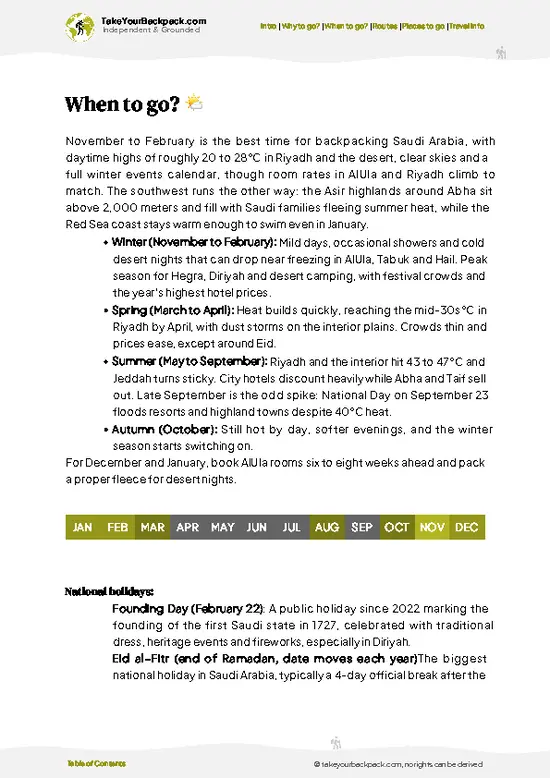
  • Weather: Al Wajh bakes under the Saudi sun most of the year, with summer highs often soaring above 40°C (104°F). The best window is between November and March when temperatures dip to a comfortable 20-25°C (68-77°F), making hiking and exploring bearable rather than brutal.

  • Temperature: Nights can get surprisingly cool in winter, dropping to around 10°C (50°F), so pack layers. Daytime warmth invites long walks along the Red Sea coast without the sweat-drenched misery of summer.

  • Daylight Hours: Winter days are shorter, offering about 10 hours of light, which means planning your hikes and beach time efficiently. Summer stretches daylight to nearly 14 hours, but the heat often forces a midday siesta.

  • Crowds: Al Wajh remains off the beaten path, but winter draws more local visitors escaping
read more 👉

  • Weather: Al Wajh bakes under the Saudi sun most of the year, with summer highs often soaring above 40°C (104°F). The best window is between November and March when temperatures dip to a comfortable 20-25°C (68-77°F), making hiking and exploring bearable rather than brutal.

  • Temperature: Nights can get surprisingly cool in winter, dropping to around 10°C (50°F), so pack layers. Daytime warmth invites long walks along the Red Sea coast without the sweat-drenched misery of summer.

  • Daylight Hours: Winter days are shorter, offering about 10 hours of light, which means planning your hikes and beach time efficiently. Summer stretches daylight to nearly 14 hours, but the heat often forces a midday siesta.

  • Crowds: Al Wajh remains off the beaten path, but winter draws more local visitors escaping the desert interior’s chill. You’ll find a quieter vibe in shoulder seasons like late autumn or early spring.

  • Seasonal Activities: Winter months bring mild seas perfect for snorkeling and diving, revealing vibrant coral reefs. Summer’s rougher waters and heat limit water activities but reward early risers with spectacular sunrises.

  • Price Fluctuations: Tourist infrastructure is minimal, so prices don’t spike dramatically, but accommodation and transport can be slightly pricier during the cooler months when demand nudges up.


Pro-tip: Aim for late February to early March—cool enough to roam freely, long enough days to soak in the sea and sand, and just before the local crowd swells.


source: climatestotravel.comJANJanuary: excellent for travelingFEBFebruary: excellent for travelingMARMarch: excellent for travelingAPRApril: good for travelingMAYMay: fair for travelingJUNJune: below average for travelingJULJuly: below average for travelingAUGAugust: below average for travelingSEPSeptember: fair for travelingOCTOctober: good for travelingNOVNovember: highly recommended for travelingDECDecember: excellent for traveling
when-to-go

✈️ The backpacker research shortcutSaudi Arabia Travel Guide

An offline-friendly backpacking guide with optimized travel routes, ranked highlights, transport advice, and the best areas to stay.
example page 0 from our offline Travel Guide for Saudi Arabia
example page 1 from our offline Travel Guide for Saudi Arabia
example page 2 from our offline Travel Guide for Saudi Arabia
example page 3 from our offline Travel Guide for Saudi Arabia
example page 4 from our offline Travel Guide for Saudi Arabia
example page 5 from our offline Travel Guide for Saudi Arabia
example page 6 from our offline Travel Guide for Saudi Arabia
example page 7 from our offline Travel Guide for Saudi Arabia
The digital guide (375 pages) contains:
101 highlights, ranked by travel appeal
Optimized 5, 10 & 15-day travel routes
Cities, national parks, landmarks, beaches
How to get around
Offline-friendly for travel without Wi-Fi
👉 Click to see all 30+ guide features

📅 Plan smarter in minutes, not weeks
Month by month travel advice
Festivals & national holidays
Budget expectations

🗺️ Go to the right places, skip the overrated ones
Honest pros & cons of destinations
Top hikes, parks & viewpoints
Lesser-known places most travelers miss
Clear “worth it vs skip it” guidance

🛏️ Travel smoothly without rookie mistakes
Best areas to stay
Transport systems explained simply
Common scams & safety advice
SIM cards, money & practical tips

🌍 Understand the country, not just visit it
Culture & traditions
52 Essential phrases & customs
Festivals worth planning around
Traveler-friendly historical context
Insights that make places more meaningful

📱 Built for real travel conditions
Fully downloadable PDF
Works completely offline
Optimized for phone use
Useful in remote areas & buses
Everything in one place
Save weeks of stressful planning
Get instant access to your full guide. 30‑day money-back guarantee.


By proceeding you agree to our terms.
Sent to your inbox immediately after payment • 100% Secure Checkout
Best Backpacking Travel Advisor 2025 tourism awardBest Backpacking
Travel Advisor
2025
What others say about Take Your Backpack Guides:
⭐⭐⭐⭐⭐
Fantastic, amazing amount of information!
⭐⭐⭐⭐⭐
My goodness this is amazing, it's what I've been looking for hats off too you!
⭐⭐⭐⭐⭐
I think this is absolutely BRILLIANT
⭐⭐⭐⭐
Very complete and informative. It's still missing places, but I gotta to commend you
⭐⭐⭐⭐⭐
This is truly amazing, thank you, can't wait to explore it with my kids!
⭐⭐⭐⭐⭐
Awesome resource, thank you!
⭐⭐⭐⭐⭐
This is amazing! Can't wait to explore the ones I haven't seen
⭐⭐⭐⭐
I love this! Well done, great idea.
⭐⭐⭐⭐⭐
Thanks for taking the time to make this gem!
⭐⭐⭐⭐⭐
This might be the best website I've ever seen.
⭐⭐⭐⭐⭐
Congratulations, and thank you so much for your work; it's incredibly valuable.
⭐⭐⭐⭐
In all seriousness I think you did a great job pointing out the important spots
⭐⭐⭐⭐⭐
10/10 very good
⭐⭐⭐⭐⭐
As someone who's only just starting to visit regularly this is awesome, thank you.
⭐⭐⭐⭐
Thank you very much! I'm going to visit my dad, it's going to be very useful!
⭐⭐⭐⭐⭐
This is really cool! We'll be travelling for the first time and this definitely come in handy.
⭐⭐⭐⭐⭐
You are now our minister of culture, congratulations 👨‍💼
⭐⭐⭐⭐⭐
Just wanted to tell you that this is a pearl! Going to follow your recommendations.
⭐⭐⭐⭐⭐
This is so cool. I'll definitely be using the resource for my travels soon.
⭐⭐⭐⭐⭐
This is very impressive! Good work.
⭐⭐⭐⭐⭐
This is an amazing and informative site. Very well done!

🛏️ Where to stay?Best areas and accommodation options

Al Wajh’s best backpacker base is the compact town center near the waterfront. This area hums with local life—fishermen unloading their catch, the salty breeze mixing with the scent of fresh bread from nearby bakeries. It’s safe, well-lit after dark, and the streets pulse with a relaxed rhythm that invites wandering without worry. Staying here means you’re steps away from the small cafes and street vendors where locals gather, making it easier to strike up conversations and soak in authentic daily life.

Hostel options are limited but tend to cluster around this central zone, offering budget-friendly … read more 👉
Al Wajh’s best backpacker base is the compact town center near the waterfront. This area hums with local life—fishermen unloading their catch, the salty breeze mixing with the scent of fresh bread from nearby bakeries. It’s safe, well-lit after dark, and the streets pulse with a relaxed rhythm that invites wandering without worry. Staying here means you’re steps away from the small cafes and street vendors where locals gather, making it easier to strike up conversations and soak in authentic daily life.

Hostel options are limited but tend to cluster around this central zone, offering budget-friendly dorms or simple private rooms. The vibe is low-key but social—think shared meals on rooftop terraces catching the fading light over the Red Sea, not loud party hostels. This neighborhood’s compactness means you can walk everywhere, from the waterfront promenade to the local markets, avoiding the need for taxis or complicated transport.

Other parts of Al Wajh, like the newer residential districts, feel quieter and more isolated, lacking the social pulse backpackers thrive on. The town center’s blend of safety, accessibility, and genuine local interaction makes it the clear choice for solo travelers wanting to feel part of the place rather than just passing through.

🚌 Getting aroundHow to get from A to B

Al Wajh moves at the pace of the sea breeze—unhurried but purposeful. The town’s rhythm isn’t dictated by strict timetables but by the ebb and flow of daily life, where fishermen haul their catch at dawn and markets pulse with quiet energy by mid-morning. The sun casts long shadows over the coral-stone streets, and the scent of salt and spices lingers in the air, grounding you in a place where intuition guides movement more than rigid schedules. This is a town where you lean into the moment, but knowing the transit options can turn wandering into a smooth, confident exploration.


  • Walking: The heart of Al Wajh is compact enough to explore on foot, especially the old town and waterfront. Walking lets you soak in the salty air, hear the call of seagulls, and catch the subtle shifts in light
read more 👉
Al Wajh moves at the pace of the sea breeze—unhurried but purposeful. The town’s rhythm isn’t dictated by strict timetables but by the ebb and flow of daily life, where fishermen haul their catch at dawn and markets pulse with quiet energy by mid-morning. The sun casts long shadows over the coral-stone streets, and the scent of salt and spices lingers in the air, grounding you in a place where intuition guides movement more than rigid schedules. This is a town where you lean into the moment, but knowing the transit options can turn wandering into a smooth, confident exploration.


  • Walking: The heart of Al Wajh is compact enough to explore on foot, especially the old town and waterfront. Walking lets you soak in the salty air, hear the call of seagulls, and catch the subtle shifts in light on the whitewashed buildings. It’s free, flexible, and the best way to discover tucked-away cafes and local life.


  • Local Shared Taxis (Service Taxis): These operate without fixed schedules, leaving when full, usually from the town center to nearby villages or the bus station. Fares hover around 10-15 SAR, making them a budget-friendly choice. They’re not the fastest, but the ride offers a slice of daily life, with stops dictated by passengers’ needs.


  • Private Taxis: More expensive but faster and more direct, private taxis can be flagged down or booked through your accommodation. Expect to pay around 50-70 SAR for trips within town or to the outskirts. Negotiating the fare upfront is key, as meters are rare. This option is best when time is tight or you’re carrying gear.


  • Intercity Buses: For budget travelers heading beyond Al Wajh, buses connect to larger hubs like Tabuk or Umluj. Departures are early morning, around 6-7 AM, with tickets costing roughly 30-50 SAR. The buses are basic but reliable, and the ride offers a chance to watch the landscape shift from coastal to desert.


  • Rental Motorbikes or Scooters: If you want freedom beyond the town’s edges, renting a scooter is a smart move. Prices start at about 70 SAR per day. The coastal roads invite slow rides with sea spray on your face, but be ready for uneven pavement and local driving quirks. Helmets are a must, and fuel is cheap.

👛 Costs (as of 16 June 2026)What things cost and how to budget

Backpacking in Al Wajh, Saudi Arabia, offers a unique blend of quiet coastal charm and desert stillness, but understanding the costs upfront helps you navigate the town without surprises.
  • Dorm Accommodation: Options here are limited, as Al Wajh is not a typical backpacker hotspot. Expect basic guesthouses or small hotels rather than hostels. Prices hover around $20 to $35 per night for a shared or budget private room. The rooms are simple, often with minimal amenities, but clean and functional.
  • Meals: Food in Al Wajh leans toward local Saudi and Middle Eastern fare. Street food and small eateries offer filling meals for about $3 to $7. If you opt for a sit-down restaurant, expect to pay $8 to $15 for a main dish. Fresh seafood is a highlight here, given the town’s Red Sea location, but it
read more 👉
Backpacking in Al Wajh, Saudi Arabia, offers a unique blend of quiet coastal charm and desert stillness, but understanding the costs upfront helps you navigate the town without surprises.
  • Dorm Accommodation: Options here are limited, as Al Wajh is not a typical backpacker hotspot. Expect basic guesthouses or small hotels rather than hostels. Prices hover around $20 to $35 per night for a shared or budget private room. The rooms are simple, often with minimal amenities, but clean and functional.
  • Meals: Food in Al Wajh leans toward local Saudi and Middle Eastern fare. Street food and small eateries offer filling meals for about $3 to $7. If you opt for a sit-down restaurant, expect to pay $8 to $15 for a main dish. Fresh seafood is a highlight here, given the town’s Red Sea location, but it can push costs slightly higher.
  • Local Transport: Public transport is sparse. Most travelers rely on taxis or car rentals. Short taxi rides within town typically cost $2 to $5. Renting a car is more practical if you want to explore the surrounding coast and desert, with daily rates starting around $40, but for simple town travel, taxis suffice.
  • Basic Activities/Entry Fees: Al Wajh’s draw is its natural environment—beaches, coral reefs, and desert landscapes. Most outdoor activities, like beach access or hiking, are free. Organized tours or diving excursions can run $50 to $100, but casual independent exploration costs little beyond transport.
  • Miscellaneous Expenses: Water, snacks, and small purchases like SIM cards or toiletries add up to about $3 to $7 daily. Keep cash handy, as card acceptance can be spotty in smaller shops.

Overall, a realistic daily budget for backpacking in Al Wajh ranges from about $30 on the lean side, covering basic accommodation, meals, and local transport, up to $70 if you include occasional tours or more comfortable lodging. This range reflects the town’s quiet pace and limited infrastructure, rewarding those who embrace simplicity and local rhythms.
⚠️ Prices can change and everyone travels differently, so take this as a rough guide. Hope it helps you plan your adventure!

🚌 Day tripsShort trips worth adding

Al Wajh is a fantastic base for exploring the stunning landscapes and rich history of northwestern Saudi Arabia. With its strategic location, you can dive into adventures that are both accessible and rewarding. Here are some day trips that will elevate your experience.

Trip to Yanbu
Just a couple of hours south, Yanbu offers a vibrant coastal scene. The turquoise waters are perfect for snorkeling, and the local fish market is a sensory delight, filled with the scent of the sea and the chatter of vendors. You can easily spend a day wandering the corniche, sampling fresh seafood, and soaking up the sun. The best time to visit is in the cooler months, from October to April, when the heat isn’t oppressive. A budget traveler can manage this trip for around 50 SAR, including transport and a meal. … read more 👉
Al Wajh is a fantastic base for exploring the stunning landscapes and rich history of northwestern Saudi Arabia. With its strategic location, you can dive into adventures that are both accessible and rewarding. Here are some day trips that will elevate your experience.

Trip to Yanbu
Just a couple of hours south, Yanbu offers a vibrant coastal scene. The turquoise waters are perfect for snorkeling, and the local fish market is a sensory delight, filled with the scent of the sea and the chatter of vendors. You can easily spend a day wandering the corniche, sampling fresh seafood, and soaking up the sun. The best time to visit is in the cooler months, from October to April, when the heat isn’t oppressive. A budget traveler can manage this trip for around 50 SAR, including transport and a meal. Many first-timers underestimate the time it takes to explore the market, so plan for a leisurely afternoon.
👉 Explore Yanbu

Trip to Al Ula
Al Ula is a must-see, known for its breathtaking rock formations and ancient tombs. It’s about a three-hour drive, but the scenery along the way is a visual feast. Once there, you can hike through the stunning canyons or visit the UNESCO World Heritage site of Madain Saleh. The best time to go is during the cooler months, ideally from November to February. Expect to spend around 100 SAR for transport and entry fees. A common mistake is to rush through the sites; take your time to absorb the history and beauty around you.


Trip to Tabuk
Head north to Tabuk, a city steeped in history and surrounded by dramatic mountains. It’s about a two-hour drive, and the journey offers glimpses of the rugged landscape. In Tabuk, visit the ancient Tabuk Castle and explore the local souks, where the aroma of spices fills the air. The best time to visit is in the spring, when the weather is mild. Budget around 60 SAR for transport and snacks. Many backpackers overlook the cultural richness of the souks, so don’t miss the chance to interact with locals and sample traditional foods.
👉 Explore Tabuk

Trip to the Red Sea Beaches
The nearby Red Sea beaches are a paradise for those seeking relaxation or adventure. Just an hour’s drive from Al Wajh, you’ll find pristine sands and crystal-clear waters. Bring your snorkeling gear to explore the vibrant marine life. The best time to visit is early morning or late afternoon to avoid the heat. Expect to spend around 30 SAR for transport and a beachside meal. First-timers often forget to pack enough water and snacks, so come prepared to enjoy a full day by the sea.
Want to know what more Saudi Arabia offers?
The Saudi Arabia Travel Guide describes 101 highlights, from cities to national parks, from beaches to hikes

Get the Travel Guide -

🛡️ SafetyScams, Hazards, and Annoyances

Al Wajh is generally safe, but a few practical tips can enhance your experience. The town’s charm lies in its bustling markets and coastal views, but stay aware in crowded areas like the souk. Keep your belongings close; pickpocketing can happen in any busy spot.

If you’re traveling solo, especially at night, stick to well-lit areas. The waterfront promenade is lovely after dark, but avoid wandering too far off the main paths. Engage with locals—they’re often friendly and helpful, but be cautious of overly eager vendors who might try to upsell you on tours or goods.

Common annoyances include occasional language barriers; a few basic Arabic phrases can go a long way. Also, be prepared for the heat—stay hydrated and wear light clothing. Embrace the local pace, and you’ll find that the small … read more 👉
Al Wajh is generally safe, but a few practical tips can enhance your experience. The town’s charm lies in its bustling markets and coastal views, but stay aware in crowded areas like the souk. Keep your belongings close; pickpocketing can happen in any busy spot.

If you’re traveling solo, especially at night, stick to well-lit areas. The waterfront promenade is lovely after dark, but avoid wandering too far off the main paths. Engage with locals—they’re often friendly and helpful, but be cautious of overly eager vendors who might try to upsell you on tours or goods.

Common annoyances include occasional language barriers; a few basic Arabic phrases can go a long way. Also, be prepared for the heat—stay hydrated and wear light clothing. Embrace the local pace, and you’ll find that the small inconveniences are just part of the journey, leading to richer interactions and deeper connections.

Other Saudi towns near Al Wajh

Explore more nearby:

  • Wajh—Red Sea coastline, old town district, maritime history
  • Muwaileh—desert oasis, ancient wells, caravan routes| 189 km away
  • Al Bukayriyah—date farms, traditional souqs, palm groves| 717 km away

💡 Not sure where to go next?
Create a personalized itinerary for Saudi Arabia including Al Wajh and the places that fit your trip.

Generate my itinerary

👉 Discover all towns

Or checkout all Saudi Arabia has to offer (think cities, towns, villages, national parks, hikes, beaches, festivals)
Country photo of Saudi Arabia

We 💚 feedbackIs it worth it?

Al Wajh has a raw, unfiltered charm that’s hard to find elsewhere. The coastal breeze carries the scent of salt and spices, and the locals are genuinely warm, eager to share their stories. Don’t miss the sunset at the old port; it’s a moment that lingers. Just be prepared for limited amenities—bring your own snacks and water. Embrace the simplicity; it’s part of the experience. You’ll leave with a deeper appreciation for the beauty in the overlooked.

✍️ Help improve this page!
The information on this page is based on in-depth research, insights shared by experienced travelers, and feedback from the local travel community in Saudi Arabia. While every effort is made to keep the information accurate and current, conditions can change — so if you spot anything incorrect or outdated, please get in touch.


🙋‍♂️ Give feedback

👋 Meet the founderWho’s Behind Take Your Backpack?

Johan, backpacker and founder of TakeYourBackpackHi, I’m Johan (Netherlands 🇳🇱), the creator of TakeYourBackpack. Over the past decade, I’ve backpacked through 80+ countries across six continents, gaining extensive experience with independent travel, long-term trips, and overland routes.

This site is built on a combination of firsthand travel experience and carefully curated insights from other backpackers. Many guides are based on places I’ve personally visited, while others bring together tips, observations, and practical advice shared by trusted travelers I’ve met along the way.

The goal is to provide realistic, experience-driven guidance — not generic itineraries — so you can explore destinations with better context, clearer expectations, and more confidence.

Get full country guide •
Instant download • 101 highlights • Full Offline guide