v2.webp)
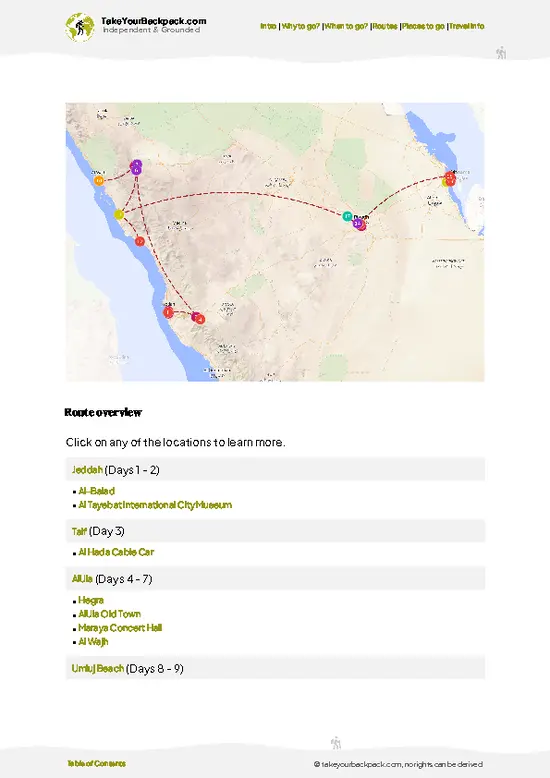
1. Muwaileh Old Town (Al-Qaryah Al-Qadimah)
Step into the heart of Muwaileh’s living history. The Old Town isn’t a museum piece—it’s a tangle of narrow lanes where the scent of cardamom coffee drifts from shaded courtyards, and the sun bounces off timeworn limestone walls. Here, you’ll find traditional mud-brick houses, some still inhabited, with intricately carved wooden doors that have weathered more than a century of sandstorms. The best time to wander is late afternoon, when the heat softens and the call to prayer echoes off the stone. Free to explore, but bring small cash for local snacks or a guided walk (typically SAR 20-30). Give yourself 1-2 hours to soak in the atmosphere and chat with shopkeepers—many are happy to share stories if you show genuine interest.
2. Al-Masjid Al-Kabir … read more 👉
Step into the heart of Muwaileh’s living history. The Old Town isn’t a museum piece—it’s a tangle of narrow lanes where the scent of cardamom coffee drifts from shaded courtyards, and the sun bounces off timeworn limestone walls. Here, you’ll find traditional mud-brick houses, some still inhabited, with intricately carved wooden doors that have weathered more than a century of sandstorms. The best time to wander is late afternoon, when the heat softens and the call to prayer echoes off the stone. Free to explore, but bring small cash for local snacks or a guided walk (typically SAR 20-30). Give yourself 1-2 hours to soak in the atmosphere and chat with shopkeepers—many are happy to share stories if you show genuine interest.
2. Al-Masjid Al-Kabir … read more 👉
1. Muwaileh Old Town (Al-Qaryah Al-Qadimah)
Step into the heart of Muwaileh’s living history. The Old Town isn’t a museum piece—it’s a tangle of narrow lanes where the scent of cardamom coffee drifts from shaded courtyards, and the sun bounces off timeworn limestone walls. Here, you’ll find traditional mud-brick houses, some still inhabited, with intricately carved wooden doors that have weathered more than a century of sandstorms. The best time to wander is late afternoon, when the heat softens and the call to prayer echoes off the stone. Free to explore, but bring small cash for local snacks or a guided walk (typically SAR 20-30). Give yourself 1-2 hours to soak in the atmosphere and chat with shopkeepers—many are happy to share stories if you show genuine interest.
2. Al-Masjid Al-Kabir (The Grand Mosque of Muwaileh)
This mosque is the spiritual anchor of the town, and its architecture tells a story of faith and community resilience. The minaret rises above the low skyline, and at sunset, the marble courtyard glows with a gentle warmth that feels almost cinematic. Non-Muslim visitors are welcome outside of prayer times; modest dress is essential. The interior’s geometric tilework and hand-painted calligraphy reward close attention. Entry is free. Plan for 30-45 minutes, ideally just before Maghrib (sunset prayer), when the atmosphere is contemplative and the light is at its most forgiving.
3. Muwaileh Date Market
Skip the supermarket and head to the open-air date market, where the air is thick with the earthy sweetness of fresh dates and the chatter of local farmers. This isn’t just a place to buy fruit—it’s a crash course in Saudi hospitality. Vendors will press samples into your palm, explaining the difference between Ajwa and Sukkari with the pride of vintners. Early morning is best, when the selection is widest and the sun hasn’t yet turned the market into a furnace. Entry is free; expect to spend SAR 10-30 if you want to take home a kilo or two. Allow 45 minutes to an hour, especially if you linger for tea and conversation.
4. Traditional Weaving Workshop (Bayt Al-Naseej)
Tucked behind a nondescript façade, this family-run workshop is where the town’s textile heritage comes alive. The rhythmic clack of wooden looms and the scent of dyed wool fill the air. Visitors can watch artisans at work, try their hand at basic weaving, and purchase handwoven rugs or scarves. The experience is hands-on and deeply personal—expect to leave with a new appreciation for the patience and skill behind every thread. Open most afternoons except Fridays; entry is SAR 15, with small items for sale. Set aside 1-1.5 hours if you want to participate.
5. Muwaileh Oasis Park
A rare patch of green in the desert, this park is where locals gather for evening picnics, impromptu football matches, and the slow ritual of tea under date palms. The air is cooler here, scented with grass and the faint mineral tang of irrigation water. It’s not manicured, but that’s the point—the park feels lived-in, not staged. Visit at dusk, when the sky turns lavender and families spread out carpets for dinner. Free entry. Stay as long as you like, but an hour is enough to catch the local rhythm.
If you’re craving more, Muwaileh is perfectly placed for day trips to the ancient Nabatean city of Hegra (Madain Salih), the rock art of Jubbah, and the dramatic sandstone canyons of Al-Ula—all within striking distance, each offering a different chapter of Saudi Arabia’s story.
Step into the heart of Muwaileh’s living history. The Old Town isn’t a museum piece—it’s a tangle of narrow lanes where the scent of cardamom coffee drifts from shaded courtyards, and the sun bounces off timeworn limestone walls. Here, you’ll find traditional mud-brick houses, some still inhabited, with intricately carved wooden doors that have weathered more than a century of sandstorms. The best time to wander is late afternoon, when the heat softens and the call to prayer echoes off the stone. Free to explore, but bring small cash for local snacks or a guided walk (typically SAR 20-30). Give yourself 1-2 hours to soak in the atmosphere and chat with shopkeepers—many are happy to share stories if you show genuine interest.
2. Al-Masjid Al-Kabir (The Grand Mosque of Muwaileh)
This mosque is the spiritual anchor of the town, and its architecture tells a story of faith and community resilience. The minaret rises above the low skyline, and at sunset, the marble courtyard glows with a gentle warmth that feels almost cinematic. Non-Muslim visitors are welcome outside of prayer times; modest dress is essential. The interior’s geometric tilework and hand-painted calligraphy reward close attention. Entry is free. Plan for 30-45 minutes, ideally just before Maghrib (sunset prayer), when the atmosphere is contemplative and the light is at its most forgiving.
3. Muwaileh Date Market
Skip the supermarket and head to the open-air date market, where the air is thick with the earthy sweetness of fresh dates and the chatter of local farmers. This isn’t just a place to buy fruit—it’s a crash course in Saudi hospitality. Vendors will press samples into your palm, explaining the difference between Ajwa and Sukkari with the pride of vintners. Early morning is best, when the selection is widest and the sun hasn’t yet turned the market into a furnace. Entry is free; expect to spend SAR 10-30 if you want to take home a kilo or two. Allow 45 minutes to an hour, especially if you linger for tea and conversation.
4. Traditional Weaving Workshop (Bayt Al-Naseej)
Tucked behind a nondescript façade, this family-run workshop is where the town’s textile heritage comes alive. The rhythmic clack of wooden looms and the scent of dyed wool fill the air. Visitors can watch artisans at work, try their hand at basic weaving, and purchase handwoven rugs or scarves. The experience is hands-on and deeply personal—expect to leave with a new appreciation for the patience and skill behind every thread. Open most afternoons except Fridays; entry is SAR 15, with small items for sale. Set aside 1-1.5 hours if you want to participate.
5. Muwaileh Oasis Park
A rare patch of green in the desert, this park is where locals gather for evening picnics, impromptu football matches, and the slow ritual of tea under date palms. The air is cooler here, scented with grass and the faint mineral tang of irrigation water. It’s not manicured, but that’s the point—the park feels lived-in, not staged. Visit at dusk, when the sky turns lavender and families spread out carpets for dinner. Free entry. Stay as long as you like, but an hour is enough to catch the local rhythm.
If you’re craving more, Muwaileh is perfectly placed for day trips to the ancient Nabatean city of Hegra (Madain Salih), the rock art of Jubbah, and the dramatic sandstone canyons of Al-Ula—all within striking distance, each offering a different chapter of Saudi Arabia’s story.
Spotted a mistake or missing something? Contact us.

 Best Backpacking
.jpg) Hi, I’m Johan (Netherlands 🇳🇱), the creator of TakeYourBackpack. Over the past 3 decades, I’ve backpacked through 90+ countries across six continents, gaining extensive experience with independent travel, long-term trips, and overland routes.
Hi, I’m Johan (Netherlands 🇳🇱), the creator of TakeYourBackpack. Over the past 3 decades, I’ve backpacked through 90+ countries across six continents, gaining extensive experience with independent travel, long-term trips, and overland routes.