v2.webp)
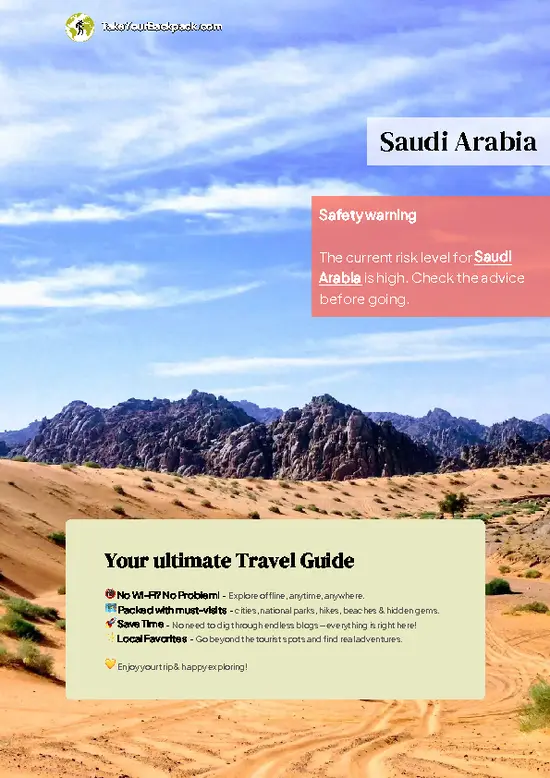
- The Great Dune Sea — The core of Uruq Bani Ma’arid: endless, wind-sculpted star dunes and sweeping dune corridors that change shape daily. Sunrises and sunsets here are otherworldly; the light and shadow on the crests are what photographers and dune-hikers come for. Put simply: you won’t find these particular dune forms and the scale of this sea anywhere else nearby.
- Arabian Oryx Release Grounds — One of the few places where the Arabian oryx has been successfully reintroduced into a wild desert habitat. Seeing oryx against broad sands is a conservation story come to life — rare, quietly dramatic, and uniquely tied to this reserve. Expect early mornings and patient watching; they’re shy but approaches here are far more natural than zoo encounters.
- Sabkha Flats and Crusty Salt Plains — Flat,
- The Great Dune Sea — The core of Uruq Bani Ma’arid: endless, wind-sculpted star dunes and sweeping dune corridors that change shape daily. Sunrises and sunsets here are otherworldly; the light and shadow on the crests are what photographers and dune-hikers come for. Put simply: you won’t find these particular dune forms and the scale of this sea anywhere else nearby.
- Arabian Oryx Release Grounds — One of the few places where the Arabian oryx has been successfully reintroduced into a wild desert habitat. Seeing oryx against broad sands is a conservation story come to life — rare, quietly dramatic, and uniquely tied to this reserve. Expect early mornings and patient watching; they’re shy but approaches here are far more natural than zoo encounters.
- Sabkha Flats and Crusty Salt Plains — Flat, hard-packed salt and clay expanses that sit between dune fields, sometimes shimmering white, sometimes a mirror after rare rains. These plains expose crusts, polygonal patterns and occasional ancient marine deposits that hint this was once a seabed — a stark contrast to the dunes and a great place to study desert geology up close.
- Ephemeral Wadis and Desert Blooms — Narrow dry riverbeds that suddenly come alive after uncommon downpours: temporary pools, flashes of green, and an explosion of wildflowers and migratory birds. Visiting after rain (if you catch it) is a rare treat — the desert briefly turns lush and you’ll see wildlife and plants you won’t find on the dry ridges.
- Bedouin Camp Experience (Hidden gem) — Small family-run camps dotted at the dune edges where local Bedouins still practice traditional camel care and hospitality. This is the best place to share tea, hear oral histories about the land, and learn small-but-real skills like tying desert knots or reading dune wind-lines. Authentic, personal, and far more intimate than staged “tourist” camps.
- Rocky Escarpments and Panorama Ridges (Hidden gem) — Scattered low mesas and rocky outcrops inside the reserve that give dramatic 360° views over the dune sea. Few visitors climb these; locals use them as lookout points. They’re ideal for sunrise photo runs and spotting wildlife against the sand plain — simple, quiet vantage points most people miss.
- Stone Cairn Fields and Traditional Herding Routes — Lines of stone markers, small cairns and worn tracks left by generations of nomadic herders and camel caravans. These aren’t grand monuments but they’re living history: you can trace how people moved through the desert, picked grazing spots, and marked water or safe routes. It’s subtle, but that human imprint is unique to Uruq’s landscape.
- Dune-Play Zones and Natural Sand-Slopes — Specific dune flanks favored by locals for sandboarding, slow sand-sledding, and climbing races — practical fun that uses the dunes without heavy infrastructure. The spots are chosen by locals for slope, safety and spectacle; they give a playful, low-cost way to experience the landscape’s physics.
- Desert Birding Pockets — Small wet or vegetated patches where resident and migratory species congregate: larks, sandgrouse, raptors and seasonal migrants. These micro-habitats are surprisingly biodiverse and are a draw for birders who know where to look — you’ll see species behaving differently here than in rocky or coastal deserts.
- Fossil Ridges and Shell-Bedded Outcrops (Hidden gem) — Little-exposed ridges where marine fossils and shell fragments crop out of the sand, evidence of an ancient shoreline. Not a big tourist attraction, but a neat hands-on lesson in deep time — locals sometimes point these out on trips, and they’re a quiet reminder that this “empty” desert was once very different.
Spotted a mistake or missing something? Contact us.

 Best Backpacking
.jpg) Hi, I’m Johan (Netherlands 🇳🇱), the creator of TakeYourBackpack. Over the past 3 decades, I’ve backpacked through 90+ countries across six continents, gaining extensive experience with independent travel, long-term trips, and overland routes.
Hi, I’m Johan (Netherlands 🇳🇱), the creator of TakeYourBackpack. Over the past 3 decades, I’ve backpacked through 90+ countries across six continents, gaining extensive experience with independent travel, long-term trips, and overland routes.