×

Senegal🇸🇳 | citiesDiourbelpeanut processing, Sufi shrines, railway stop, agricultural trade | things to do and best time to go

Explore KaffrineExplore Tambacounda

Backpacking in Diourbel
👍 Recommendedcity ranked #12
By Johan Kruseman 🇳🇱 | Updated September 3, 2026

Most travelers assume Diourbel is just a dusty transit point on the way to Touba, but that’s a rookie mistake. Set in Senegal’s peanut basin, about 150 kilometers east of Dakar, Diourbel is a city with its own pulse—less polished than the coast, but more authentic for it. The city’s grand mosque and lively central market are worth a detour, especially if you’re curious about Sufi culture or want to see Senegalese daily life without the tourist gloss. Backpackers will find Diourbel affordable and generally safe, but don’t expect a backpacker scene or nightlife—this is a place for immersion, not parties. Compared to Dakar or Saint-Louis, Diourbel is quieter, more conservative, and best for those who value real-world texture over Instagrammable moments.

Discover everything you want to know in the 📖 Senegal Travel Guide.


Get your Senegal guide
93 ranked highlights, routes & tips, works offline (380 pages)
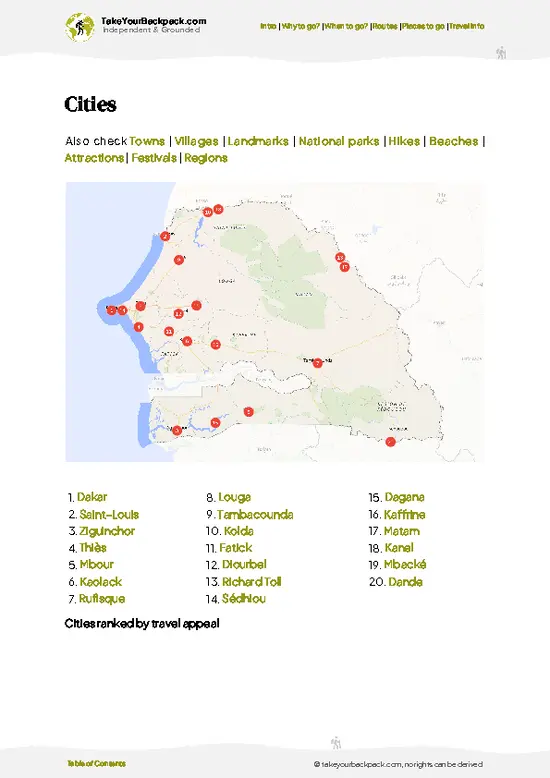
Loading the map 🌍
CLICK TO FILTER
cities
towns
villages
landmarks
national parks
hikes
beaches
attractions
festivals
regions
SHOW COUNTRY’S BESTSHOW ALL

✨ Why go?
Ranked #12 city in Senegal
What sets this place apart

Diourbel is a strategic stop for backpackers weaving through Senegal. It offers a solid mix of affordability and authenticity. The hostels here are budget-friendly and often buzzing with fellow travelers, making it easy to swap stories and tips. The walkability of the city means you can explore local markets and street food stalls without breaking a sweat. Speaking of food, the local cuisine is a treat—think hearty meals that won’t dent your wallet.

While Diourbel isn’t overflowing with highlights, it serves as a perfect basecamp for day trips to nearby attractions. The nightlife is laid-back but lively, with local bars offering a taste of Senegalese culture. Plus, onward travel is a breeze, connecting you to other major cities. If you’re looking for a place that balances comfort and value, … read more 👉
Diourbel is a strategic stop for backpackers weaving through Senegal. It offers a solid mix of affordability and authenticity. The hostels here are budget-friendly and often buzzing with fellow travelers, making it easy to swap stories and tips. The walkability of the city means you can explore local markets and street food stalls without breaking a sweat. Speaking of food, the local cuisine is a treat—think hearty meals that won’t dent your wallet.

While Diourbel isn’t overflowing with highlights, it serves as a perfect basecamp for day trips to nearby attractions. The nightlife is laid-back but lively, with local bars offering a taste of Senegalese culture. Plus, onward travel is a breeze, connecting you to other major cities. If you’re looking for a place that balances comfort and value, Diourbel is worth considering, especially for a short stay.
Want to include Diourbel in your Senegal route?
Create a personalized Senegal itinerary that includes Diourbel and the places that fit your trip — based on your travel style, budget, and available time. Get your route in seconds.

Generate my trip

💡 HighlightsKey sights and experiences for travelers

  • Marché Central de Diourbel (Central Market) — The real pulse of the town: peanuts piled high, cloth sellers, food stalls and bargaining. Great for people-watching, cheap street food, and picking up locally woven fabrics or leatherwork. Go early for the freshest produce and to see traders arrive.
  • Gare de Diourbel (Railway Station) — A working remnant of the Dakar-Niger line. The station area is atmospheric: colonial ironwork, the comings and goings of local travel, and a good spot to catch a train or buses heading toward Touba and Dakar. It feels like a proper place to start (or end) a regional journey.
  • Grande Mosquée de Diourbel — The central mosque where daily life and faith intersect. Even if you’re not able to go inside, the courtyard, the rhythm of prayer times, and the surrounding
read more 👉
  • Marché Central de Diourbel (Central Market) — The real pulse of the town: peanuts piled high, cloth sellers, food stalls and bargaining. Great for people-watching, cheap street food, and picking up locally woven fabrics or leatherwork. Go early for the freshest produce and to see traders arrive.
  • Gare de Diourbel (Railway Station) — A working remnant of the Dakar-Niger line. The station area is atmospheric: colonial ironwork, the comings and goings of local travel, and a good spot to catch a train or buses heading toward Touba and Dakar. It feels like a proper place to start (or end) a regional journey.
  • Grande Mosquée de Diourbel — The central mosque where daily life and faith intersect. Even if you’re not able to go inside, the courtyard, the rhythm of prayer times, and the surrounding streets give a real sense of local religious life. Dress respectfully and ask before taking photos.
  • Marché aux Bestiaux (Weekly Livestock Market) — A loud, colourful market day when herders sell cattle and goats. It’s raw, energetic, and an honest glimpse into the agricultural economy that sustains the region—good for photography (with permission) and observing rural traders in town.
  • Stade Municipal (local stadium) — Football and traditional wrestling (la lutte) are massive local passions. If you time it for a match or a wrestling event, you’ll see how sport ties the community together—and it’s one of the most entertaining, authentic experiences you can have in Diourbel.
  • Old colonial quarter / Main Boulevard — Walkable streets with a handful of French-era buildings, small cafés and shaded promenades. Not flashy, but it’s a pleasant stroll to read the town’s history in brick and plaster, watch vendors, and find a café to people-watch.
  • Peanut trading area — Diourbel sits in Senegal’s peanut belt; the trading sheds and small processing yards on the edge of the market show how the crop moves from farmer to trader. It’s industrial and tactile—good if you want to understand the local economy beyond tourist sights.
  • Local artisan workshops — Scattered around the market are tailors, leatherworkers and woodcarvers crafting everyday goods. These small, unglamorous workshops are perfect for watching skills in action and commissioning a cheap, solid item—ask a vendor to point you to a trusted maker.
  • Maison de la Culture / Community centres (local events) — Community halls where music, dance and meetings happen. Programming is irregular but if there’s a concert, rehearsal or public event you’ll get an intimate look at local culture and contemporary creativity—check noticeboards or ask at the market for dates.
  • Local cemeteries and marabout tombs — Small, well-tended tombs of local marabouts and family plots that reflect religious tradition, local genealogy, and community reverence. Visiting respectfully (and asking permission where appropriate) offers insight into spiritual life beyond the big urban mosques.
A few nearby visitable highlights that make easy day trips from Diourbel: Touba (the Grand Mosque and Mouride pilgrimage sites), Mbacké (local markets and marabout sites), and the town of Bambey with its rural markets and countryside scenery.
Spotted a mistake or missing something? Contact us.

🏘️ NeighborhoodsNeighborhood guide to Diourbel

Diourbel is a vibrant hub in Senegal, offering a mix of local culture and accessibility for backpackers. Here’s how the neighborhoods stack up:

Centre Ville: This is the heartbeat of Diourbel. It’s bustling, with markets and street vendors. Costs are moderate, and you can easily walk to most attractions. Nightlife is lively, with local bars and music. Perfect for short stays if you want to soak up the local vibe quickly.

Quartier de la Gare: Close to the train station, this area is great for transport access. It’s quieter than Centre Ville, making it suitable for longer stays. Accommodations are budget-friendly, and you’ll find a few cafes to relax in. Ideal if you want a balance of convenience and calm.

Nganda: A bit off the beaten path, Nganda offers a more authentic experience. It’s … read more 👉
Diourbel is a vibrant hub in Senegal, offering a mix of local culture and accessibility for backpackers. Here’s how the neighborhoods stack up:

Centre Ville: This is the heartbeat of Diourbel. It’s bustling, with markets and street vendors. Costs are moderate, and you can easily walk to most attractions. Nightlife is lively, with local bars and music. Perfect for short stays if you want to soak up the local vibe quickly.

Quartier de la Gare: Close to the train station, this area is great for transport access. It’s quieter than Centre Ville, making it suitable for longer stays. Accommodations are budget-friendly, and you’ll find a few cafes to relax in. Ideal if you want a balance of convenience and calm.

Nganda: A bit off the beaten path, Nganda offers a more authentic experience. It’s less touristy, so costs are lower. The walkability is decent, but you might need to rely on taxis for longer distances. This area is perfect for those looking to immerse themselves in local life.

Darou Mousty: A residential area with a slower pace. It’s great for longer stays, especially if you want to escape the hustle. Costs are low, but nightlife is minimal. Transport options are limited, so plan ahead.

⌛️ 1 day1-day itinerary for Diourbel

Diourbel, a city steeped in the vibrant culture of Senegal, offers a unique blend of history and local life. Known for its bustling markets and the iconic Grand Mosque, it’s a place where you can truly immerse yourself in the rhythm of everyday Senegalese life.

Start your morning at the lively Marché Central. The air is filled with the scent of spices and fresh produce. Grab a breakfast of *boulangerie*—a local bread—paired with sweet, milky tea. As you wander through the stalls, engage with vendors; their stories add depth to your experience.

In the afternoon, head to the Grand Mosque. Its impressive architecture is a sight to behold, but don’t rush. Take your time to appreciate the intricate details and the peaceful ambiance. Afterward, stroll through the nearby neighborhood of *Bambey*, … read more 👉
Diourbel, a city steeped in the vibrant culture of Senegal, offers a unique blend of history and local life. Known for its bustling markets and the iconic Grand Mosque, it’s a place where you can truly immerse yourself in the rhythm of everyday Senegalese life.

Start your morning at the lively Marché Central. The air is filled with the scent of spices and fresh produce. Grab a breakfast of *boulangerie*—a local bread—paired with sweet, milky tea. As you wander through the stalls, engage with vendors; their stories add depth to your experience.

In the afternoon, head to the Grand Mosque. Its impressive architecture is a sight to behold, but don’t rush. Take your time to appreciate the intricate details and the peaceful ambiance. Afterward, stroll through the nearby neighborhood of *Bambey*, where you can find the lesser-known *Maison de la Culture*. This cultural center often hosts local art exhibits and performances, giving you a taste of Diourbel’s artistic side.

As the sun sets, make your way to the *Place de l’Indépendance*. It’s a great spot to unwind and watch locals gather. Grab a bite at a nearby eatery—try the *yassa poulet*, a marinated chicken dish that’s a local favorite.

Your day in Diourbel will leave you with a deeper appreciation for Senegalese culture, blending the well-trodden paths with hidden treasures.
Turn your Diourbel visit into an Senegal adventure
Build a complete Senegal route with Diourbel, hidden gems, must-see destinations, and realistic travel times included.

Generate my trip

🌤️ When to go?Weather, crowds, and seasonal trade-offs


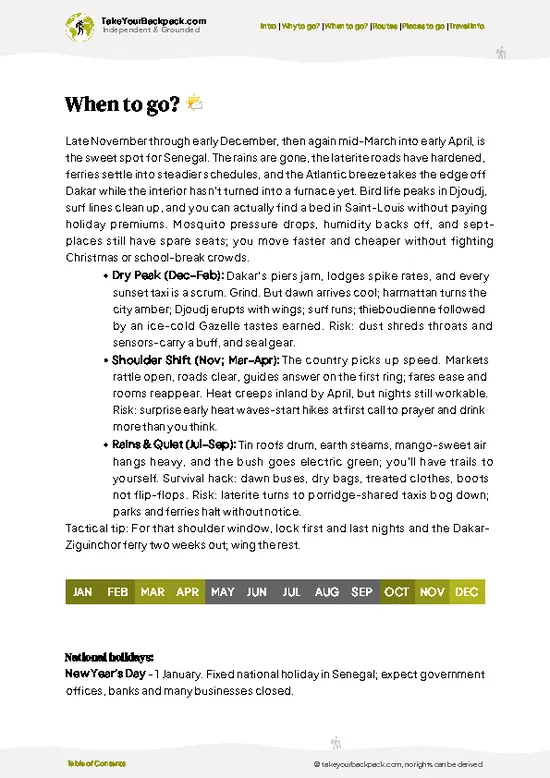
  • Topic: Weather – Diourbel’s climate swings between a dry season (November to May) and a rainy season (June to October). The dry months offer clear skies and minimal mud, making trekking and exploring easier.

  • Topic: Temperature – Expect highs around 30-35°C (86-95°F) during the dry season, with cooler nights dropping to 18-22°C (64-72°F). The rainy season brings slightly lower highs but higher humidity, which can sap your energy.

  • Topic: Daylight Hours – Daylight remains steady year-round, roughly 12 hours daily. This consistency lets you plan long days without worrying about early sunsets.

  • Topic: Crowds – Diourbel isn’t a tourist hotspot, so crowds are minimal year-round. However, local festivals during the dry season can bring a lively buzz without overwhelming the town.

  • Topic:
read more 👉

  • Topic: Weather – Diourbel’s climate swings between a dry season (November to May) and a rainy season (June to October). The dry months offer clear skies and minimal mud, making trekking and exploring easier.

  • Topic: Temperature – Expect highs around 30-35°C (86-95°F) during the dry season, with cooler nights dropping to 18-22°C (64-72°F). The rainy season brings slightly lower highs but higher humidity, which can sap your energy.

  • Topic: Daylight Hours – Daylight remains steady year-round, roughly 12 hours daily. This consistency lets you plan long days without worrying about early sunsets.

  • Topic: Crowds – Diourbel isn’t a tourist hotspot, so crowds are minimal year-round. However, local festivals during the dry season can bring a lively buzz without overwhelming the town.

  • Topic: Seasonal Activities – The dry season hosts cultural events and easier access to rural areas. The rainy season, while lush, can limit movement and outdoor plans due to muddy roads.

  • Topic: Price Fluctuations – Accommodation and transport costs dip during the rainy season when fewer travelers visit, but the trade-off is less reliable travel conditions.


Pro-tip: Aim for the shoulder months of November or May to balance pleasant weather, manageable crowds, and better prices—maximizing your comfort without sacrificing adventure.


source: climatestotravel.comJANJanuary: excellent for travelingFEBFebruary: excellent for travelingMARMarch: excellent for travelingAPRApril: excellent for travelingMAYMay: highly recommended for travelingJUNJune: fair for travelingJULJuly: fair for travelingAUGAugust: fair for travelingSEPSeptember: fair for travelingOCTOctober: fair for travelingNOVNovember: highly recommended for travelingDECDecember: excellent for traveling
when-to-go

✈️ The backpacker research shortcutSenegal Travel Guide

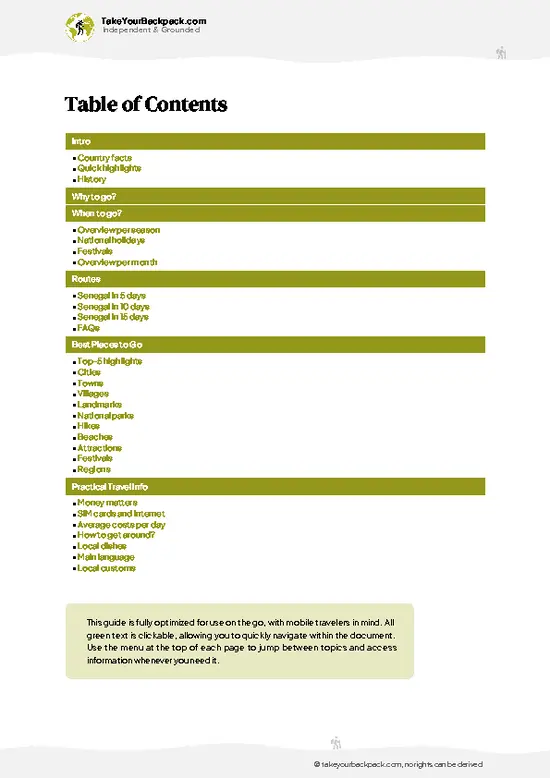
An offline-friendly backpacking guide with optimized travel routes, ranked highlights, transport advice, and the best areas to stay.
example page 0 from our offline Travel Guide for Senegal
example page 1 from our offline Travel Guide for Senegal
example page 2 from our offline Travel Guide for Senegal
example page 3 from our offline Travel Guide for Senegal
example page 4 from our offline Travel Guide for Senegal
example page 5 from our offline Travel Guide for Senegal
example page 6 from our offline Travel Guide for Senegal
example page 7 from our offline Travel Guide for Senegal
The digital guide (380 pages) contains:
93 highlights, ranked by travel appeal
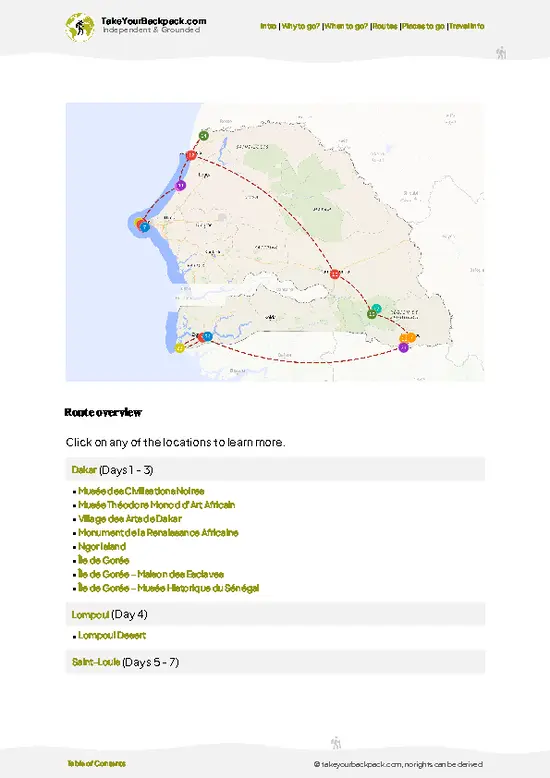
Optimized 5, 10 & 15-day travel routes
Cities, national parks, landmarks, beaches
How to get around
Offline-friendly for travel without Wi-Fi
👉 Click to see all 30+ guide features

📅 Plan smarter in minutes, not weeks
Month by month travel advice
Festivals & national holidays
Budget expectations

🗺️ Go to the right places, skip the overrated ones
Honest pros & cons of destinations
Top hikes, parks & viewpoints
Lesser-known places most travelers miss
Clear “worth it vs skip it” guidance

🛏️ Travel smoothly without rookie mistakes
Best areas to stay
Transport systems explained simply
Common scams & safety advice
SIM cards, money & practical tips

🌍 Understand the country, not just visit it
Culture & traditions
52 Essential phrases & customs
Festivals worth planning around
Traveler-friendly historical context
Insights that make places more meaningful

📱 Built for real travel conditions
Fully downloadable PDF
Works completely offline
Optimized for phone use
Useful in remote areas & buses
Everything in one place
Save weeks of stressful planning
Get instant access to your full guide. 30‑day money-back guarantee.
+ Add another guide for just US$7.80

By proceeding you agree to our terms.
Sent to your inbox immediately after payment • 100% Secure Checkout
Best Backpacking Travel Advisor 2025 tourism awardBest Backpacking
Travel Advisor
2025
What others say about Take Your Backpack Guides:
⭐⭐⭐⭐⭐
Fantastic, amazing amount of information!
⭐⭐⭐⭐⭐
My goodness this is amazing, it's what I've been looking for hats off too you!
⭐⭐⭐⭐⭐
I think this is absolutely BRILLIANT
⭐⭐⭐⭐
Very complete and informative. It's still missing places, but I gotta to commend you
⭐⭐⭐⭐⭐
This is truly amazing, thank you, can't wait to explore it with my kids!
⭐⭐⭐⭐⭐
Awesome resource, thank you!
⭐⭐⭐⭐⭐
This is amazing! Can't wait to explore the ones I haven't seen
⭐⭐⭐⭐
I love this! Well done, great idea.
⭐⭐⭐⭐⭐
Thanks for taking the time to make this gem!
⭐⭐⭐⭐⭐
This might be the best website I've ever seen.
⭐⭐⭐⭐⭐
Congratulations, and thank you so much for your work; it's incredibly valuable.
⭐⭐⭐⭐
In all seriousness I think you did a great job pointing out the important spots
⭐⭐⭐⭐⭐
10/10 very good
⭐⭐⭐⭐⭐
As someone who's only just starting to visit regularly this is awesome, thank you.
⭐⭐⭐⭐
Thank you very much! I'm going to visit my dad, it's going to be very useful!
⭐⭐⭐⭐⭐
This is really cool! We'll be travelling for the first time and this definitely come in handy.
⭐⭐⭐⭐⭐
You are now our minister of culture, congratulations 👨‍💼
⭐⭐⭐⭐⭐
Just wanted to tell you that this is a pearl! Going to follow your recommendations.
⭐⭐⭐⭐⭐
This is so cool. I'll definitely be using the resource for my travels soon.
⭐⭐⭐⭐⭐
This is very impressive! Good work.
⭐⭐⭐⭐⭐
This is an amazing and informative site. Very well done!

🛏️ Where to stay?Best areas and accommodation options

In Diourbel, the best spot for backpackers is the central district around the main market and the train station. This area strikes a rare balance: it’s safe enough to wander after dark, and it pulses with local life—street vendors, small cafés, and a steady flow of travelers and traders. You won’t find luxury here, but that’s the point. It’s where budget travelers naturally cluster, drawn by affordable guesthouses and the chance to connect with other solo adventurers. Hostels are sparse, but basic lodgings with communal spaces fill the gap, fostering a social vibe without the touristy gloss.

read more 👉
In Diourbel, the best spot for backpackers is the central district around the main market and the train station. This area strikes a rare balance: it’s safe enough to wander after dark, and it pulses with local life—street vendors, small cafés, and a steady flow of travelers and traders. You won’t find luxury here, but that’s the point. It’s where budget travelers naturally cluster, drawn by affordable guesthouses and the chance to connect with other solo adventurers. Hostels are sparse, but basic lodgings with communal spaces fill the gap, fostering a social vibe without the touristy gloss.

Compared to quieter residential neighborhoods on the outskirts, this central zone offers more energy and easier access to transport links, which is crucial if you’re hopping between towns or catching early buses. The trade-off? You sacrifice some peace and quiet for convenience and interaction. But if you want to tap into the city’s rhythm and meet fellow backpackers, this is your winning move.

🚌 Getting aroundHow to get from A to B

Diourbel moves at its own rhythm—less a clockwork precision and more a pulse you learn to read. The city’s flow isn’t about strict timetables but about catching the wave when it comes. You’ll find that schedules here are more like suggestions, and the real skill is in knowing when to jump in and when to wait. It’s a dance between patience and seizing the moment, where time, money, and comfort constantly trade places depending on your choice of transit.


  • Walking: The ultimate budget option. Diourbel’s compact center means many key spots are within a 20- to 30-minute stroll. Zero cost, full control over your pace, and a chance to soak in street life. Comfort depends on the weather—heat can be a factor midday.


  • Local Minibus (Car Rapide): These are the city’s informal arteries. They run
read more 👉
Diourbel moves at its own rhythm—less a clockwork precision and more a pulse you learn to read. The city’s flow isn’t about strict timetables but about catching the wave when it comes. You’ll find that schedules here are more like suggestions, and the real skill is in knowing when to jump in and when to wait. It’s a dance between patience and seizing the moment, where time, money, and comfort constantly trade places depending on your choice of transit.


  • Walking: The ultimate budget option. Diourbel’s compact center means many key spots are within a 20- to 30-minute stroll. Zero cost, full control over your pace, and a chance to soak in street life. Comfort depends on the weather—heat can be a factor midday.


  • Local Minibus (Car Rapide): These are the city’s informal arteries. They run roughly from 6 AM to 8 PM, cost under 200 CFA (~$0.30), and offer a fast way to cover longer distances. Expect crowding and a bumpy ride, but the price and speed make it a no-brainer for budget travelers who can handle a bit of chaos.


  • Shared Taxis: Slightly pricier than minibuses, around 300–500 CFA, but faster and more comfortable. They don’t run on a strict schedule—depart when full—so you might wait a bit. Best for when you want to save time but still keep costs low.


  • Motorcycle Taxis (Jakarta): The quickest way through traffic and narrow streets, costing about 200–400 CFA per trip. They offer flexibility and speed but sacrifice comfort and safety. Ideal for short hops when you’re in a hurry and traveling light.


Understanding these options is your key to mastering Diourbel’s transit game. You’re balancing speed, cost, and comfort, but the real win is knowing when to switch gears—sometimes a slow walk reveals more than a rushed taxi ever could.

👛 Costs (as of 3 September 2026)Travel costs and budget guide for Diourbel

Backpacking in Diourbel, Senegal, offers a straightforward cost structure that rewards those who understand the trade-offs between time, money, and comfort. Here’s how the daily expenses typically break down for an independent traveler:
  • Dorm Accommodation (High Season): Expect to pay around €8 to €12 per night. High season drives prices up slightly due to demand, but options remain basic and functional.
  • Dorm Accommodation (Off-Season): Prices drop to about €5 to €8. Off-season travelers can save by booking ahead or negotiating directly with guesthouses.
  • Meals: Local street food and simple eateries cost roughly €2 to €5 per meal. Sticking to traditional Senegalese dishes keeps costs low without sacrificing flavor or authenticity.
  • Local Transport: Shared taxis or minibuses within Diourbel
read more 👉
Backpacking in Diourbel, Senegal, offers a straightforward cost structure that rewards those who understand the trade-offs between time, money, and comfort. Here’s how the daily expenses typically break down for an independent traveler:
  • Dorm Accommodation (High Season): Expect to pay around €8 to €12 per night. High season drives prices up slightly due to demand, but options remain basic and functional.
  • Dorm Accommodation (Off-Season): Prices drop to about €5 to €8. Off-season travelers can save by booking ahead or negotiating directly with guesthouses.
  • Meals: Local street food and simple eateries cost roughly €2 to €5 per meal. Sticking to traditional Senegalese dishes keeps costs low without sacrificing flavor or authenticity.
  • Local Transport: Shared taxis or minibuses within Diourbel typically run €0.30 to €0.60 per ride. These are the backbone of getting around quickly and cheaply.
  • City Transport Pass: Diourbel doesn’t have a formal city transport pass system; budgeting for individual rides is necessary.
  • Basic Activities/Entry Fees: Most local attractions and markets have minimal or no entry fees, usually under €1. Cultural sites may ask for a small donation or fee around €1 to €3.
  • Miscellaneous Expenses: Budget about €1 to €3 for essentials like bottled water, snacks, or small tips. These add up but remain manageable.

In total, a savvy backpacker can expect to spend between €12 and €25 per day in Diourbel, balancing modest comfort with local immersion. This range reflects a clear trade-off: spending a bit more on accommodation or meals can boost comfort, but the city’s low-cost transport and activities keep the overall budget lean. Understanding these numbers lets you decide where to invest your time and money for the best experience.


source: senegal-tourism.com
⚠️ Prices can change and everyone travels differently, so take this as a rough guide. Hope it helps you plan your adventure!

🚌 Day tripsShort trips worth adding

Diourbel is a fantastic launchpad for day trips that dive deep into Senegal’s rich culture and stunning landscapes. Each journey offers unique experiences that are well worth your time and effort.

Bandiagara Escarpment
This UNESCO World Heritage site is a must-see. The dramatic cliffs and traditional Dogon villages create a breathtaking backdrop. It’s about a 3-hour drive from Diourbel, so start early. Expect to spend around $20 for transport and entry fees. The best time to visit is during the dry season, from November to February, when the weather is cooler. A common mistake is underestimating the time needed to explore; plan for a full day to soak it all in.


Lake Retba (Lac Rose)
Famous for its striking pink waters, Lake Retba is just a 2-hour drive away. You can take a dip or … read more 👉
Diourbel is a fantastic launchpad for day trips that dive deep into Senegal’s rich culture and stunning landscapes. Each journey offers unique experiences that are well worth your time and effort.

Bandiagara Escarpment
This UNESCO World Heritage site is a must-see. The dramatic cliffs and traditional Dogon villages create a breathtaking backdrop. It’s about a 3-hour drive from Diourbel, so start early. Expect to spend around $20 for transport and entry fees. The best time to visit is during the dry season, from November to February, when the weather is cooler. A common mistake is underestimating the time needed to explore; plan for a full day to soak it all in.


Lake Retba (Lac Rose)
Famous for its striking pink waters, Lake Retba is just a 2-hour drive away. You can take a dip or even try your hand at salt harvesting with local workers. Budget around $15 for transport and snacks. The ideal time to visit is during the dry season when the colors are most vibrant. Many first-timers miss the chance to interact with locals; don’t just snap photos—engage with the community for a richer experience.


Kaolack Market
A sensory overload, the bustling market in Kaolack is a mere 30-minute ride from Diourbel. It’s a great spot to sample local cuisine and pick up unique crafts. You can get by with about $10 for transport and food. Visit in the morning when the market is at its liveliest. A common pitfall is sticking to the touristy areas; venture deeper into the market for authentic finds.


These day trips not only broaden your horizons but also deepen your understanding of Senegalese culture, making your backpacking adventure truly rewarding.
Want to know what more Senegal offers?
The Senegal Travel Guide describes 93 highlights, from cities to national parks, from beaches to hikes

Get the Travel Guide -

🍲 FoodWhat to Eat & Drink

In Diourbel, the food scene is a vibrant tapestry of flavors and aromas that beckon you to dive in. Start with thieboudienne, a hearty dish of rice and fish, often cooked with a medley of vegetables and a rich tomato sauce. The spices are a revelation, each bite bursting with warmth and depth.

Street food is where the magic happens. Vendors line the bustling markets, serving up meat skewers and fritters that sizzle on hot grills. Grab a bowl of yassa, marinated chicken or fish in a tangy onion sauce, and enjoy it with locals who share stories over shared plates.

Don’t miss the attaya, a traditional mint tea ritual that’s as much about the experience as the drink itself. Sipping this sweet, strong tea is a social affair, often lasting hours.

Etiquette here is relaxed; sharing food is … read more 👉
In Diourbel, the food scene is a vibrant tapestry of flavors and aromas that beckon you to dive in. Start with thieboudienne, a hearty dish of rice and fish, often cooked with a medley of vegetables and a rich tomato sauce. The spices are a revelation, each bite bursting with warmth and depth.

Street food is where the magic happens. Vendors line the bustling markets, serving up meat skewers and fritters that sizzle on hot grills. Grab a bowl of yassa, marinated chicken or fish in a tangy onion sauce, and enjoy it with locals who share stories over shared plates.

Don’t miss the attaya, a traditional mint tea ritual that’s as much about the experience as the drink itself. Sipping this sweet, strong tea is a social affair, often lasting hours.

Etiquette here is relaxed; sharing food is common, and you’ll find that meals are often enjoyed communally. Embrace the local pace, and let the flavors of Diourbel linger on your palate.

🛡️ SafetyStaying Safe: What Travelers Should Know

Diourbel is generally safe for backpackers, but a few mindful practices can enhance your experience. Stay aware in crowded markets, especially around vendors selling textiles or local crafts; pickpockets can be opportunistic. If you’re traveling solo, avoid wandering too far after dark. The streets can be quiet, and it’s best to stick to well-lit areas.

Common scams are rare, but some taxi drivers might inflate fares. Always agree on a price before getting in. Everyday annoyances include persistent vendors; a polite but firm “no, thank you” usually does the trick. Carry yourself confidently, engage with locals, and you’ll find that Diourbel offers a warm welcome, making your journey both enriching and enjoyable.

FAQFrequently asked questions about Diourbel

2 to 3 days is sufficient to explore Diourbel, covering its main markets, local mosques, and nearby villages. This timeframe allows for a relaxed pace and some interaction with local culture. Additional days may be needed if planning to visit surrounding rural areas.
Yes, Diourbel is generally safe for solo backpackers, but standard precautions should be taken, especially after dark. Avoid isolated areas and keep valuables secure. Local people are friendly, and petty crime is the main concern.
Diourbel is known for its vibrant market scene and as a center for peanut farming in Senegal. It also hosts important religious sites, including the Grand Mosque of Diourbel, attracting visitors during Islamic festivals.
⚠️ Things can change over time, so always validate details locally before you go.

Other Senegalese cities near Diourbel

Explore more nearby:

  • Mbacké—Religious neighbor, transport hub, local commerce| 39 km away
  • Fatick—Serer culture, salt marshes, religious sites, crossroads town| 40 km away
  • Kaolack—peanut trade, salt flats, central market, river crossing| 57 km away

💡 Not sure where to go next?
Create a personalized itinerary for Senegal including Diourbel and the places that fit your trip.

Generate my itinerary

👉 Discover all cities

Or checkout all Senegal has to offer (think cities, towns, villages, national parks, hikes, beaches, festivals)
Country photo of Senegal

We 💚 feedbackWhat to keep in mind

Diourbel is a pulse of authenticity in Senegal. The vibrant local markets are a sensory overload—spices, textiles, and laughter fill the air. You might be surprised by the warmth of the people; they’re genuinely curious about you. Just a heads up: the heat can be relentless, so hydrate and take it slow. Embrace the chaos, and you’ll find moments that stick with you long after you leave.

✍️ Help improve this page!
The information on this page is based on in-depth research, insights shared by experienced travelers, and feedback from the local travel community in Senegal. While every effort is made to keep the information accurate and current, conditions can change — so if you spot anything incorrect or outdated, please get in touch.


🙋‍♂️ Give feedback

👋 Meet the founderWho’s Behind Take Your Backpack?

Johan, backpacker and founder of TakeYourBackpackHi, I’m Johan (Netherlands 🇳🇱), the creator of TakeYourBackpack. Over the past decade, I’ve backpacked through 80+ countries across six continents, gaining extensive experience with independent travel, long-term trips, and overland routes.

This site is built on a combination of firsthand travel experience and carefully curated insights from other backpackers. Many guides are based on places I’ve personally visited, while others bring together tips, observations, and practical advice shared by trusted travelers I’ve met along the way.

The goal is to provide realistic, experience-driven guidance — not generic itineraries — so you can explore destinations with better context, clearer expectations, and more confidence.

Get full Senegal guide •
Instant download • 93 highlights • Full Offline guide