×

Senegal🇸🇳 | townsKoungheulRailway stop, millet fields, weekly livestock market | things to do and best time to go

Explore GoudompExplore Nioro du Rip

Backpacking in Koungheul
👀 For curious travelerstown ranked #19
By Johan Kruseman 🇳🇱 | Updated September 3, 2026

Everyone hears about Koungheul as a railway dot—just a name on the Dakar-Bamako line—but the real reason to stop is the slow, honest rhythm of rural Senegal. Koungheul sits in the heart of the country, east of Kaolack, where the Sahel’s dry air meets the scent of roasted peanuts and woodsmoke. It’s not a destination for nightlife or grand sights; it’s a practical pause between busier hubs, with a dusty market, friendly tea circles, and a pace that lets you breathe. You’ll find basic rooms, cheap eats, and plenty of daylight to wander, but don’t expect a backpacker scene or polished comforts. Compared to Tambacounda or Kaolack, Koungheul is quieter, less chaotic, and more about the journey than the stop itself.

Discover everything you want to know in the 📖 Senegal Travel Guide.


Get your Senegal guide
93 ranked highlights, routes & tips, works offline (380 pages)
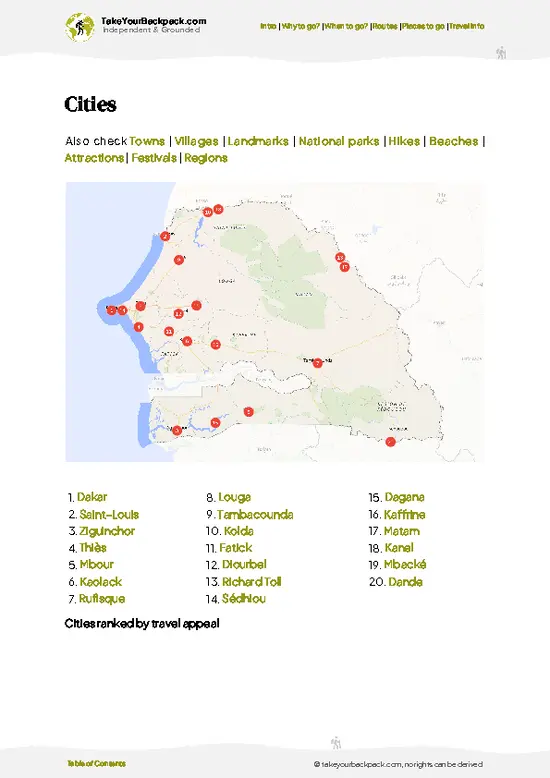
Loading the map 🌍
CLICK TO FILTER
cities
towns
villages
landmarks
national parks
hikes
beaches
attractions
festivals
regions
SHOW COUNTRY’S BESTSHOW ALL

✨ Why go?
Ranked #19 town in Senegal
What makes it a must-see town

Koungheul is a strategic stop for backpackers exploring Senegal. Its walkable streets make it easy to navigate, while small-scale hostels and guesthouses offer a cozy, communal vibe. The town serves as a gateway to nearby hikes and cultural sites, perfect for those who want to immerse themselves in local life. Expect friendly faces and a relaxed atmosphere, ideal for solo travelers or small groups seeking connection. Most visitors linger a few days, enjoying local food experiences and the chance to recharge before heading to the coast or deeper into the country. It’s a place where the journey feels as rewarding as the destination.
Want to include Koungheul in your Senegal route?
Create a personalized Senegal itinerary that includes Koungheul and the places that fit your trip — based on your travel style, budget, and available time. Get your route in seconds.

Generate my trip

💡 HighlightsWhat this place is best known for

  1. Koungheul Railway Station (Gare) — The working station on the Dakar-Niger line is more than transport: it’s a living slice of Sahelian travel culture, with slow arrivals, vendors, and a great spot to watch local rhythms and people come and go.
  2. Marché central de Koungheul (Central Market) — Colorful, noisy and indispensable: fresh produce, fabrics, phone credit stalls and small restaurants; perfect for sampling street food and picking up cheap textiles or spices.
  3. Place du Marché & big baobab meeting spot — The market square under large shade trees (often a baobab) is where locals hang out, trade stories and organize business — great for people-watching and informal photo opportunities.
  4. La Grande Mosquée (Main Mosque) — The spiritual and social heart of town; visiting outside prayer times
read more 👉
  1. Koungheul Railway Station (Gare) — The working station on the Dakar-Niger line is more than transport: it’s a living slice of Sahelian travel culture, with slow arrivals, vendors, and a great spot to watch local rhythms and people come and go.
  2. Marché central de Koungheul (Central Market) — Colorful, noisy and indispensable: fresh produce, fabrics, phone credit stalls and small restaurants; perfect for sampling street food and picking up cheap textiles or spices.
  3. Place du Marché & big baobab meeting spot — The market square under large shade trees (often a baobab) is where locals hang out, trade stories and organize business — great for people-watching and informal photo opportunities.
  4. La Grande Mosquée (Main Mosque) — The spiritual and social heart of town; visiting outside prayer times lets you appreciate local religious life, architecture and the cadence of Friday gatherings.
  5. Marché aux bestiaux (Livestock Market) — A weekly livestock market where cattle, sheep and goats are traded; it’s noisy, earthy and a genuine window into rural economics and local customs.
  6. Artisan quarter (blacksmiths, leatherworkers, tailors) — Small workshops clustered near the market turn metal and leather into everyday tools and goods; watching artisans at work and buying directly supports local skills.
  7. Mairie and colonial-adjacent administrative buildings — The town hall and nearby offices show the small-scale municipal life of Koungheul; architecture and plaques hint at the administrative history that shaped the town.
  8. Stade municipal (local football pitch) — Match days bring the town together with real enthusiasm; even a casual afternoon visit gives you a feel for community spirit and local rivals.
  9. Women’s cooperative/peanut-oil presses — Small cooperatives where women process groundnuts into oil are common and visitable; you’ll see traditional techniques and can buy authentic, locally made products.
  10. Traditional neighbourhoods and daaras (Quranic schools) — The Fulani and other local quarters, plus modest daaras, offer insight into everyday family life, education and oral traditions — visit respectfully and you’ll often be invited to chat.
A few good day-trip options close to Koungheul are Kaolack (big markets and access to the Sine-Saloum), the regional centre Kaffrine, and excursions into the nearby parts of the Sine-Saloum delta for mangroves and island visits.
Spotted a mistake or missing something? Contact us.

Things to do near Koungheul

Ratings based on Tripadvisor reviews. When you book through this link, you support our work at no extra cost to you.

🏘️ NeighborhoodsUnderstanding the local layout

Koungheul is a vibrant hub that offers a unique blend of culture and community, perfect for backpackers seeking an authentic experience.

Centre Ville: This is the heartbeat of Koungheul. Expect bustling markets and local eateries. It’s walkable, making it easy to explore on foot. Costs are low, and the nightlife is lively, with street vendors and music filling the air. Ideal for short stays.

Quartier Soudou: A quieter residential area, perfect for those wanting a more laid-back vibe. It’s less touristy, offering a genuine glimpse into daily life. Transport options are limited, but it’s a short walk to the Centre Ville. Great for longer stays if you want to immerse yourself.

Zone Industrielle: This area is more utilitarian, with factories and workshops. It’s not the most picturesque, but … read more 👉
Koungheul is a vibrant hub that offers a unique blend of culture and community, perfect for backpackers seeking an authentic experience.

Centre Ville: This is the heartbeat of Koungheul. Expect bustling markets and local eateries. It’s walkable, making it easy to explore on foot. Costs are low, and the nightlife is lively, with street vendors and music filling the air. Ideal for short stays.

Quartier Soudou: A quieter residential area, perfect for those wanting a more laid-back vibe. It’s less touristy, offering a genuine glimpse into daily life. Transport options are limited, but it’s a short walk to the Centre Ville. Great for longer stays if you want to immerse yourself.

Zone Industrielle: This area is more utilitarian, with factories and workshops. It’s not the most picturesque, but it’s a good spot for budget accommodations. Less nightlife, but easy access to transport for day trips. Suitable for those on a tight schedule.

⌛️ 1 dayHow to make the most of one day

Koungheul, Senegal, is a vibrant tapestry of daily life, where the scent of spices mingles with the sounds of laughter and conversation. Start your morning at the bustling local market, where vendors sell fresh produce and handmade crafts. The energy is infectious, and you can grab a warm, flaky “boulangerie” pastry while soaking in the lively atmosphere.

In the afternoon, wander through the narrow streets of the Médina neighborhood. Here, the colorful murals tell stories of the town’s history. Don’t miss the small, tucked-away art gallery run by local artists; it’s a treasure trove of creativity that often flies under the radar.

As the sun begins to set, head to the banks of the nearby river. The golden light reflecting off the water creates a serene backdrop for a picnic dinner. Grab … read more 👉
Koungheul, Senegal, is a vibrant tapestry of daily life, where the scent of spices mingles with the sounds of laughter and conversation. Start your morning at the bustling local market, where vendors sell fresh produce and handmade crafts. The energy is infectious, and you can grab a warm, flaky “boulangerie” pastry while soaking in the lively atmosphere.

In the afternoon, wander through the narrow streets of the Médina neighborhood. Here, the colorful murals tell stories of the town’s history. Don’t miss the small, tucked-away art gallery run by local artists; it’s a treasure trove of creativity that often flies under the radar.

As the sun begins to set, head to the banks of the nearby river. The golden light reflecting off the water creates a serene backdrop for a picnic dinner. Grab some grilled fish from a local vendor and enjoy the peaceful ambiance. This day in Koungheul isn’t just about sights; it’s about immersing yourself in the rhythm of life, making every moment feel like a rewarding adventure.
Turn your Koungheul visit into an Senegal adventure
Build a complete Senegal route with Koungheul, hidden gems, must-see destinations, and realistic travel times included.

Generate my trip

🌤️ When to go?When to go for the best experience


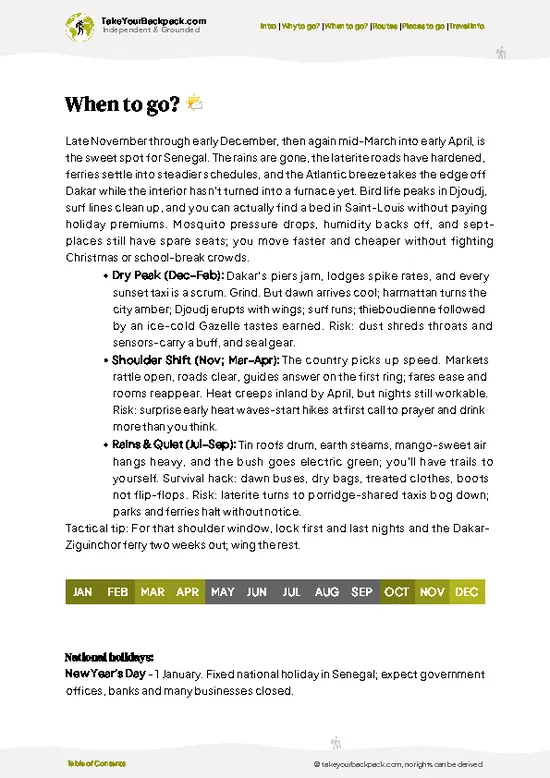
  • Weather: The dry season from November to May is your best bet—clear skies, minimal rain, and dusty earth that crunches underfoot. The wet season (June to October) brings heavy rains that can turn roads to mud, slowing travel and dampening plans.

  • Temperature: Expect daytime highs around 30-35°C (86-95°F) in the dry season, with cooler nights dropping to 18-22°C (64-72°F). The wet season is slightly cooler but more humid, making the heat feel heavier.

  • Daylight Hours: Daylight stays steady year-round, roughly 12 hours, but the dry season’s clearer skies mean more reliable sunlight for trekking and exploring without sudden downpours.

  • Crowds: Koungheul isn’t a tourist hotspot, so crowds are minimal year-round. However, local markets and festivals peak in the dry season, offering a livelier
read more 👉

  • Weather: The dry season from November to May is your best bet—clear skies, minimal rain, and dusty earth that crunches underfoot. The wet season (June to October) brings heavy rains that can turn roads to mud, slowing travel and dampening plans.

  • Temperature: Expect daytime highs around 30-35°C (86-95°F) in the dry season, with cooler nights dropping to 18-22°C (64-72°F). The wet season is slightly cooler but more humid, making the heat feel heavier.

  • Daylight Hours: Daylight stays steady year-round, roughly 12 hours, but the dry season’s clearer skies mean more reliable sunlight for trekking and exploring without sudden downpours.

  • Crowds: Koungheul isn’t a tourist hotspot, so crowds are minimal year-round. However, local markets and festivals peak in the dry season, offering a livelier atmosphere without overwhelming numbers.

  • Seasonal Activities: Dry months are ideal for walking tours, market visits, and cultural immersion. The wet season’s lush greenery is tempting but often impractical for backpackers due to slippery paths and fewer open venues.

  • Price Fluctuations: Accommodation and transport costs remain relatively stable, but expect slightly higher prices during the dry season when demand rises among regional travelers and locals.


Pro-tip: Aim for late November to early March—when the air is crisp, the earth smells dry, and the town hums with local life, making every step feel earned.


source: climatestotravel.comJANJanuary: excellent for travelingFEBFebruary: excellent for travelingMARMarch: excellent for travelingAPRApril: highly recommended for travelingMAYMay: highly recommended for travelingJUNJune: fair for travelingJULJuly: below average for travelingAUGAugust: below average for travelingSEPSeptember: fair for travelingOCTOctober: fair for travelingNOVNovember: excellent for travelingDECDecember: excellent for traveling
when-to-go

✈️ The backpacker research shortcutSenegal Travel Guide

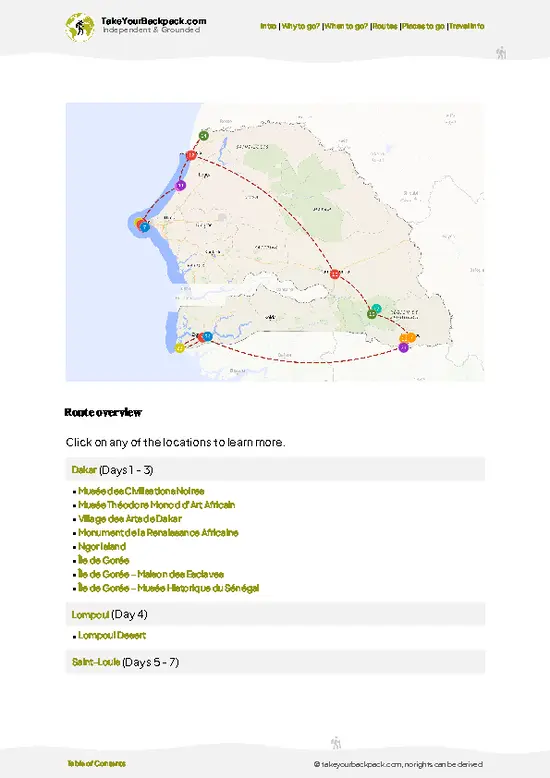
An offline-friendly backpacking guide with optimized travel routes, ranked highlights, transport advice, and the best areas to stay.
example page 0 from our offline Travel Guide for Senegal
example page 1 from our offline Travel Guide for Senegal
example page 2 from our offline Travel Guide for Senegal
example page 3 from our offline Travel Guide for Senegal
example page 4 from our offline Travel Guide for Senegal
example page 5 from our offline Travel Guide for Senegal
example page 6 from our offline Travel Guide for Senegal
example page 7 from our offline Travel Guide for Senegal
The digital guide (380 pages) contains:
93 highlights, ranked by travel appeal
Optimized 5, 10 & 15-day travel routes
Cities, national parks, landmarks, beaches
How to get around
Offline-friendly for travel without Wi-Fi
👉 Click to see all 30+ guide features

📅 Plan smarter in minutes, not weeks
Month by month travel advice
Festivals & national holidays
Budget expectations

🗺️ Go to the right places, skip the overrated ones
Honest pros & cons of destinations
Top hikes, parks & viewpoints
Lesser-known places most travelers miss
Clear “worth it vs skip it” guidance

🛏️ Travel smoothly without rookie mistakes
Best areas to stay
Transport systems explained simply
Common scams & safety advice
SIM cards, money & practical tips

🌍 Understand the country, not just visit it
Culture & traditions
52 Essential phrases & customs
Festivals worth planning around
Traveler-friendly historical context
Insights that make places more meaningful

📱 Built for real travel conditions
Fully downloadable PDF
Works completely offline
Optimized for phone use
Useful in remote areas & buses
Everything in one place
Save weeks of stressful planning
Get instant access to your full guide. 30‑day money-back guarantee.
+ Add another guide for just US$7.80

By proceeding you agree to our terms.
Sent to your inbox immediately after payment • 100% Secure Checkout
Best Backpacking Travel Advisor 2025 tourism awardBest Backpacking
Travel Advisor
2025
What others say about Take Your Backpack Guides:
⭐⭐⭐⭐⭐
Fantastic, amazing amount of information!
⭐⭐⭐⭐⭐
My goodness this is amazing, it's what I've been looking for hats off too you!
⭐⭐⭐⭐⭐
I think this is absolutely BRILLIANT
⭐⭐⭐⭐
Very complete and informative. It's still missing places, but I gotta to commend you
⭐⭐⭐⭐⭐
This is truly amazing, thank you, can't wait to explore it with my kids!
⭐⭐⭐⭐⭐
Awesome resource, thank you!
⭐⭐⭐⭐⭐
This is amazing! Can't wait to explore the ones I haven't seen
⭐⭐⭐⭐
I love this! Well done, great idea.
⭐⭐⭐⭐⭐
Thanks for taking the time to make this gem!
⭐⭐⭐⭐⭐
This might be the best website I've ever seen.
⭐⭐⭐⭐⭐
Congratulations, and thank you so much for your work; it's incredibly valuable.
⭐⭐⭐⭐
In all seriousness I think you did a great job pointing out the important spots
⭐⭐⭐⭐⭐
10/10 very good
⭐⭐⭐⭐⭐
As someone who's only just starting to visit regularly this is awesome, thank you.
⭐⭐⭐⭐
Thank you very much! I'm going to visit my dad, it's going to be very useful!
⭐⭐⭐⭐⭐
This is really cool! We'll be travelling for the first time and this definitely come in handy.
⭐⭐⭐⭐⭐
You are now our minister of culture, congratulations 👨‍💼
⭐⭐⭐⭐⭐
Just wanted to tell you that this is a pearl! Going to follow your recommendations.
⭐⭐⭐⭐⭐
This is so cool. I'll definitely be using the resource for my travels soon.
⭐⭐⭐⭐⭐
This is very impressive! Good work.
⭐⭐⭐⭐⭐
This is an amazing and informative site. Very well done!

🛏️ Where to stay?Where staying makes the most sense

In Koungheul, the heart of the action for backpackers pulses around the town center near the main market and bus station. This area hums with daily life—the scent of fresh millet bread mingles with dust and diesel, and locals gather under acacia trees to swap stories. It’s safe, well-trodden by travelers, and social by default. Hostels here are modest but reliable, offering a chance to connect with other budget adventurers before the sun dips low and the heat softens. Venturing farther out means quieter streets but fewer chances to mingle or find affordable lodging, so stick close to the lively core for that authentic, grounded experience.

🚌 Getting aroundTransportation options and practical tips

Koungheul moves at its own rhythm—less a clock’s tick and more the slow sway of baobab branches in the Sahel wind. The town’s pulse isn’t dictated by strict timetables but by the ebb and flow of daily life, where markets burst to life mid-morning and fade as the sun dips low, leaving behind the scent of dust and grilled fish. Here, patience isn’t just a virtue; it’s the key to unlocking the town’s genuine character. The streets hum with a mix of motorbikes, clattering carts, and barefoot locals, all weaving through a dance that’s part chaos, part choreography. Understanding this flow means you don’t just get from A to B—you arrive ready to soak in the texture of Koungheul.


  • Walking: The most reliable and immersive way to navigate Koungheul. Distances are short, and the town’s compact layout
read more 👉
Koungheul moves at its own rhythm—less a clock’s tick and more the slow sway of baobab branches in the Sahel wind. The town’s pulse isn’t dictated by strict timetables but by the ebb and flow of daily life, where markets burst to life mid-morning and fade as the sun dips low, leaving behind the scent of dust and grilled fish. Here, patience isn’t just a virtue; it’s the key to unlocking the town’s genuine character. The streets hum with a mix of motorbikes, clattering carts, and barefoot locals, all weaving through a dance that’s part chaos, part choreography. Understanding this flow means you don’t just get from A to B—you arrive ready to soak in the texture of Koungheul.


  • Walking: The most reliable and immersive way to navigate Koungheul. Distances are short, and the town’s compact layout invites exploration on foot, letting you catch the scent of spices and the chatter of market vendors up close.

  • Local Bush Taxis: These shared yellow taxis run on flexible schedules, often filling up before departure. Fares are low, but expect a bumpy ride and stops to pick up passengers along the way. They’re the fastest way to reach nearby villages.

  • Motorbike Taxis (Jakarta): Ideal for short hops within town or to outskirts. Prices are negotiable, and rides offer a breeze through dusty streets, but helmets are rare, so hold tight and brace for the dust.

  • Intercity Buses: Departing mainly in the early morning, these buses connect Koungheul to larger hubs like Kaolack. They’re affordable but can be crowded and slow, so bring patience and water for the journey.

👛 Costs (as of 3 September 2026)What things cost and how to budget

Backpacking in Koungheul, Senegal, offers a raw, authentic experience where costs remain modest but vary with your style and choices. Here’s a grounded breakdown of what you can expect to spend daily.
  • Dorm Accommodation: Koungheul is a small town with limited formal hostels. Expect to pay around €5-€10 per night for a basic guesthouse or shared room. These places are simple, often family-run, with minimal amenities but clean enough to rest after a day in the sun.
  • Meals: Street food and local eateries dominate. A filling meal of grilled fish or chicken with rice and vegetables will cost about €1.50-€3. Fresh fruit and snacks are even cheaper. If you opt for a more tourist-oriented restaurant, prices can rise to €5-€7, but the local spots deliver the real flavor and atmosphere.
  • Local Transport:
read more 👉
Backpacking in Koungheul, Senegal, offers a raw, authentic experience where costs remain modest but vary with your style and choices. Here’s a grounded breakdown of what you can expect to spend daily.
  • Dorm Accommodation: Koungheul is a small town with limited formal hostels. Expect to pay around €5-€10 per night for a basic guesthouse or shared room. These places are simple, often family-run, with minimal amenities but clean enough to rest after a day in the sun.
  • Meals: Street food and local eateries dominate. A filling meal of grilled fish or chicken with rice and vegetables will cost about €1.50-€3. Fresh fruit and snacks are even cheaper. If you opt for a more tourist-oriented restaurant, prices can rise to €5-€7, but the local spots deliver the real flavor and atmosphere.
  • Local Transport: Transport is mostly by bush taxis or shared minivans. Short rides within town or to nearby villages typically cost €0.50-€1.50. For longer trips, like heading to regional hubs, expect to pay €3-€7. Walking is common and practical for exploring the town itself, letting you soak in the dusty streets and market buzz.
  • Basic Activities/Entry Fees: Koungheul is not a tourist hotspot with formal entry fees. Most cultural experiences come from wandering markets, chatting with locals, or visiting nearby villages, which are free or require a small tip (€0.50-€1) if you hire a guide or driver.
  • Miscellaneous Expenses: This includes bottled water, snacks, phone credit, and occasional small purchases. Budget around €1-€3 daily. Water is essential in the dry heat, and local SIM cards are cheap and reliable for staying connected.

All told, a realistic daily budget for Koungheul ranges from about €10 on the leanest days to €25 if you lean into a bit more comfort or convenience. This keeps your trip grounded in local life without surprises, letting you focus on the textures of the town—the dry earth scent after rain, the chatter in Wolof, the slow rhythm of daily life.


source: senegal-tourism.com
⚠️ Prices can change and everyone travels differently, so take this as a rough guide. Hope it helps you plan your adventure!

🚌 Day tripsBest day trips from Koungheul

Koungheul is a fantastic launchpad for exploring the heart of Senegal. The vibrant local culture and stunning landscapes are just a bus ride away. Here are some day trips that will elevate your experience.

Lac Rose
This surreal pink lake is a must-see. The vibrant hue comes from algae, and it’s best viewed in the early morning light. The journey takes about two hours by bush taxi, costing around 1,500 CFA. Bring a picnic; the atmosphere is serene, with salt flats stretching endlessly. Many first-timers miss the chance to dip their toes in the water, so don’t forget your sandals.
👉 Explore Lac Rose

Bandia Reserve
A wildlife haven, Bandia is home to giraffes, zebras, and antelopes. It’s about a 90-minute drive from Koungheul, with entry fees around 5,000 CFA. Go early to catch the animals … read more 👉
Koungheul is a fantastic launchpad for exploring the heart of Senegal. The vibrant local culture and stunning landscapes are just a bus ride away. Here are some day trips that will elevate your experience.

Lac Rose
This surreal pink lake is a must-see. The vibrant hue comes from algae, and it’s best viewed in the early morning light. The journey takes about two hours by bush taxi, costing around 1,500 CFA. Bring a picnic; the atmosphere is serene, with salt flats stretching endlessly. Many first-timers miss the chance to dip their toes in the water, so don’t forget your sandals.
👉 Explore Lac Rose

Bandia Reserve
A wildlife haven, Bandia is home to giraffes, zebras, and antelopes. It’s about a 90-minute drive from Koungheul, with entry fees around 5,000 CFA. Go early to catch the animals at their most active. The scent of acacia trees fills the air, and the thrill of spotting wildlife is palpable. A common mistake is to rush through; take your time to soak in the sounds of nature.


Toubakouta
This charming fishing village offers a glimpse into local life. It’s roughly a two-hour trip, costing about 2,000 CFA. The village is known for its vibrant markets and friendly locals. Try the fresh fish grilled to perfection. Many backpackers overlook the cultural richness here, so take a moment to chat with the fishermen.
👉 Explore Toubakouta
Want to know what more Senegal offers?
The Senegal Travel Guide describes 93 highlights, from cities to national parks, from beaches to hikes

Get the Travel Guide -

🛡️ SafetyScams, Hazards, and Annoyances

Koungheul is generally safe, but a few practical tips can enhance your experience. Stay aware in crowded markets; pickpockets can be sneaky. If you’re solo, avoid wandering too far after dark—stick to well-lit areas and familiar paths.

Common scams include overly friendly locals offering unsolicited help, which often leads to unexpected fees. A polite but firm “no, thank you” usually suffices. Carry yourself confidently, and engage with locals on your terms. This approach not only keeps you safe but also opens doors to genuine connections.

FAQCommon questions from travelers

Koungheul is primarily a stopover rather than a destination for extended visits, as it is a small town with limited tourist attractions. It serves as a transit point on the Dakar-Niger railway and offers a glimpse of rural Senegalese life. Visitors usually pass through rather than stay long.
One day is sufficient to experience Koungheul, mainly to rest or explore the local market and nearby rural areas. There are no major sights requiring multiple days, so a short stay of 24 hours is adequate.
Yes, Koungheul can be visited as a day trip from nearby cities like Tambacounda, which is about 100 kilometers away. The journey by road takes around 2 to 3 hours each way, making a day trip feasible for travelers with early departures.
⚠️ Things can change over time, so always validate details locally before you go.

Other Senegalese towns near Koungheul

Explore more nearby:

  • Nioro du Rip—Religious center, peanut basin, Sufi shrines| 108 km away
  • Velingara (Kolda)—Casamance crossroads, cotton fields, ethnic diversity| 119 km away
  • Guinguinéo—Rail junction, peanut warehouses, Wolof heartland| 127 km away

💡 Not sure where to go next?
Create a personalized itinerary for Senegal including Koungheul and the places that fit your trip.

Generate my itinerary

👉 Discover all towns

Or checkout all Senegal has to offer (think cities, towns, villages, national parks, hikes, beaches, festivals)
Country photo of Senegal

We 💚 feedbackKey takeaways before you go

Koungheul has a raw, vibrant energy that pulses through its bustling markets and warm smiles. The best surprise? The local food—spicy, rich, and utterly unforgettable. Just be ready for the heat, both in the dishes and the sun. Embrace it; it’s part of the charm.

✍️ Help improve this page!
The information on this page is based on in-depth research, insights shared by experienced travelers, and feedback from the local travel community in Senegal. While every effort is made to keep the information accurate and current, conditions can change — so if you spot anything incorrect or outdated, please get in touch.


🙋‍♂️ Give feedback

👋 Meet the founderWho’s Behind Take Your Backpack?

Johan, backpacker and founder of TakeYourBackpackHi, I’m Johan (Netherlands 🇳🇱), the creator of TakeYourBackpack. Over the past decade, I’ve backpacked through 80+ countries across six continents, gaining extensive experience with independent travel, long-term trips, and overland routes.

This site is built on a combination of firsthand travel experience and carefully curated insights from other backpackers. Many guides are based on places I’ve personally visited, while others bring together tips, observations, and practical advice shared by trusted travelers I’ve met along the way.

The goal is to provide realistic, experience-driven guidance — not generic itineraries — so you can explore destinations with better context, clearer expectations, and more confidence.

Get full Senegal guide •
Instant download • 93 highlights • Full Offline guide