
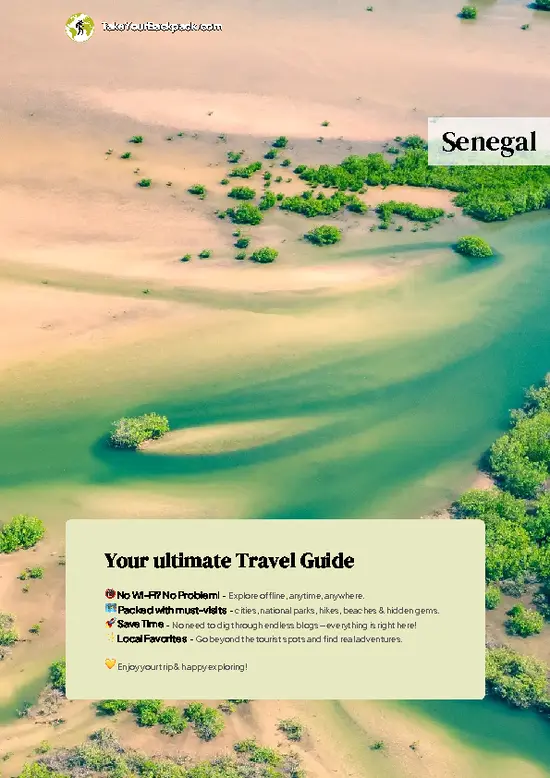
The Shell Island Cemetery
Let’s cut through the travel-brochure fog: the cemetery on Fadiouth Island is not just “unique”—it’s a direct confrontation with the way we think about life and death. Here, Christians and Muslims are buried side by side, their graves marked by crosses and crescent moons, all set atop a hill made entirely of crushed seashells. No manicured lawns, no marble angels—just the crunch of shells underfoot and the Atlantic wind. It’s a place that forces you to slow down and consider the real meaning of coexistence, not just as a slogan but as a lived, daily reality. It’s beautiful, but not in the way Instagram wants you to believe. It’s honest.
The Shell Paths and Houses of Fadiouth
Forget the “quaint fishing village” clichés. Fadiouth is built on millions of discarded shells, … read more 👉
The Shell Island Cemetery
Let’s cut through the travel-brochure fog: the cemetery on Fadiouth Island is not just “unique”—it’s a direct confrontation with the way we think about life and death. Here, Christians and Muslims are buried side by side, their graves marked by crosses and crescent moons, all set atop a hill made entirely of crushed seashells. No manicured lawns, no marble angels—just the crunch of shells underfoot and the Atlantic wind. It’s a place that forces you to slow down and consider the real meaning of coexistence, not just as a slogan but as a lived, daily reality. It’s beautiful, but not in the way Instagram wants you to believe. It’s honest.
The Shell Paths and Houses of Fadiouth
Forget the “quaint fishing village” clichés. Fadiouth is built on millions of discarded shells, and you feel it with every step. The ground crunches, the air smells faintly briny, and the houses themselves are patched together with shell and wood. This isn’t a theme park—locals actually live here, and the shells aren’t just for show. Kids play soccer on them, elders chat in the shade, and the whole place hums with a lived-in energy that’s impossible to fake. If you want a place that feels like nowhere else on earth, this is it.
The Wooden Footbridge
You don’t just stroll into Fadiouth; you cross a long, slightly wobbly wooden bridge from Joal. It’s not glamorous, but it’s a rite of passage. The bridge is the great equalizer—tourists, locals, goats, and wheelbarrows all share the same planks. The view is pure Senegal: mangroves, pirogues, and the occasional heron. It’s the moment you realize you’re not in a curated attraction, but a real community that happens to be extraordinary.
The Grain Granaries on Stilts
Here’s a detail you won’t find in most travel write-ups: the villagers store their millet and rice in granaries perched on stilts above the water. It’s practical—keeps the rats out—but it’s also visually striking, especially at low tide when the stilts are exposed. These granaries are a reminder that ingenuity isn’t always flashy. Sometimes it’s just about surviving, and doing it with style.
The Joal Fish Market
If you’re allergic to crowds, brace yourself. The Joal fish market is chaos, color, and commerce in its rawest form. Fishermen haul in their catch, women haggle, and the air is thick with salt and ambition. It’s not sanitized for tourists, and that’s the point. This is the economic engine of the region, and you’re witnessing the real deal—no filters, no soft focus, just life in motion. If you want to understand Senegal, skip the souvenir stalls and spend an hour here.
Spotted a mistake or missing something? Contact us.

Taxi DSS to DAKAR,SALY,RIU HOTEL,SOMONE ( please check Options)

7 Days in Senegal Private Tour package

Gorée Island - Pink Lake excursion 2 persons minimum

Senegal private tour 7 days 6 nights-minimum 2 people to book it

2 days Joal Fadiouth and Saloum Delta Private Tour package

Private Tour: Kedougou, Senegal

Dakar Gorée scooter immersion between sea faith and daily life

Senegal Discovery Private Eight Day Tour

Cultural Excursions ( Goree Island and Lac Rose) with SENEXPAT


 Best Backpacking
 Hi, I’m Johan (Netherlands 🇳🇱), the creator of TakeYourBackpack. Over the past 3 decades, I’ve backpacked through 90+ countries across six continents, gaining extensive experience with independent travel, long-term trips, and overland routes.