

×

Senegal🇸🇳 | beachesCap SkirringCasuarina shade, Kabrousse walk, Casamance oysters, beach horse rides | things to do and best time to go

Explore Musée de la Mer de Joal-FadiouthExplore Lac Rose

Backpacking in Cap Skirring
🏆 Top pickbeach ranked #1
By Johan Kruseman 🇳🇱 | Updated October 22, 2026

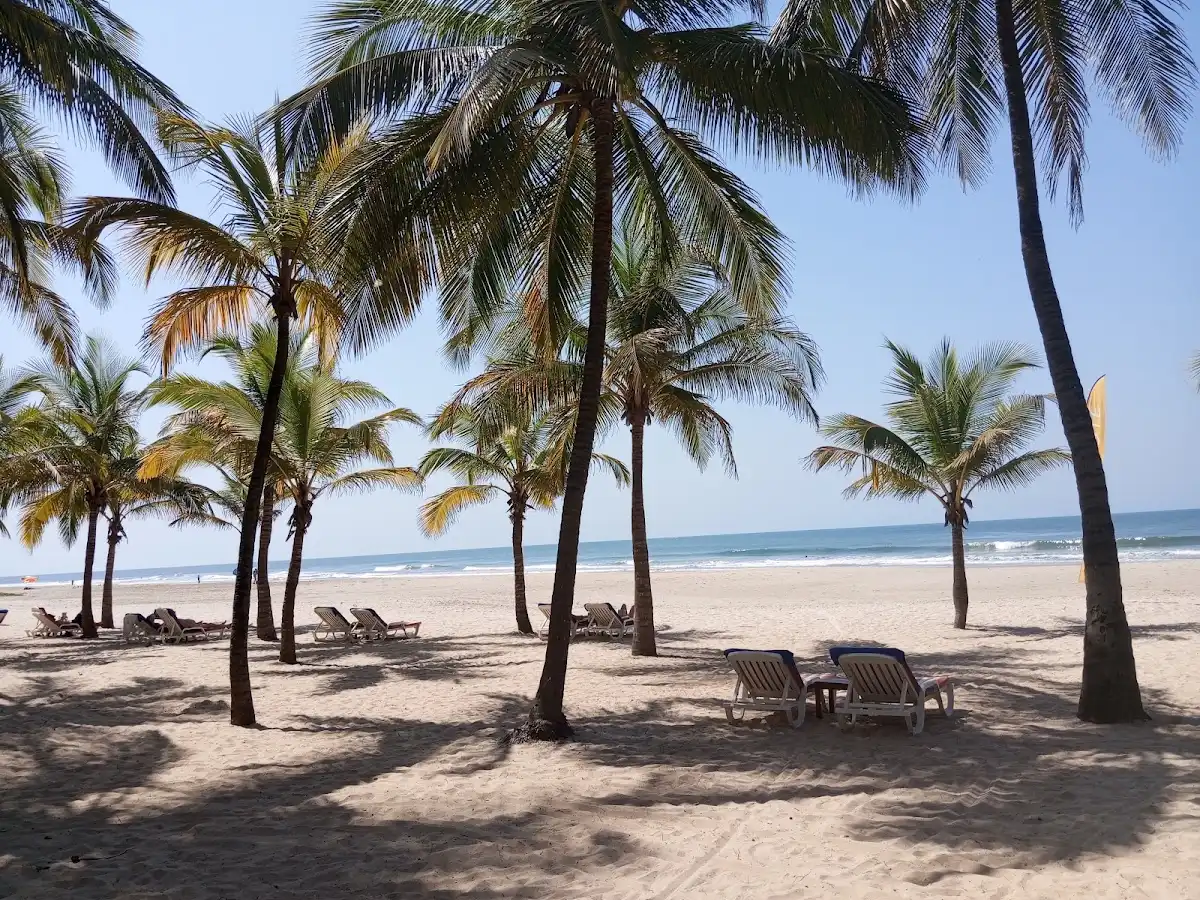
Warm sand squeaks under your feet, a pirogue scrapes up the shore, and somebody is already grilling the morning catch over charcoal while the Atlantic hisses in. That is Cap Skirring beach, in the far southwest of Senegal, in the Casamance region southwest of Ziguinchor. The sand is pale, wide and mostly clean, and the palms and casuarinas behind it give you shade without a single sun lounger crowding the view. Crowds are thin even when the tourist season peaks. Swimming is good on calm days, but the surf can pull, so read the water before you wade in. Snorkeling is poor; come for the walking, not the reef. Skip the strip right outside the larger resorts if you want character, and head for the stretches near the fishing landing, where guesthouses and simple restaurants cost little. The best detail is the afternoon line of fishermen hauling a net by hand, singing to keep time.

Discover everything you want to know in the 📖 Senegal Travel Guide.


example page 0 from our offline Travel Guide for Senegal
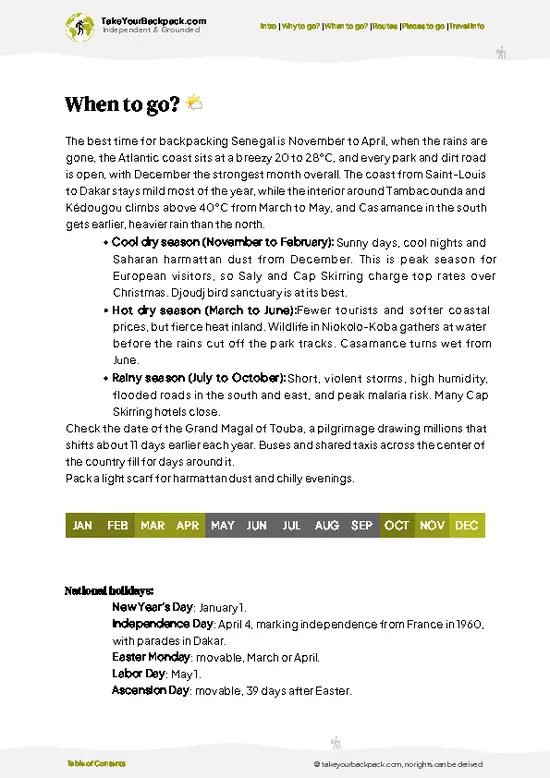
example page 1 from our offline Travel Guide for Senegal
example page 2 from our offline Travel Guide for Senegal
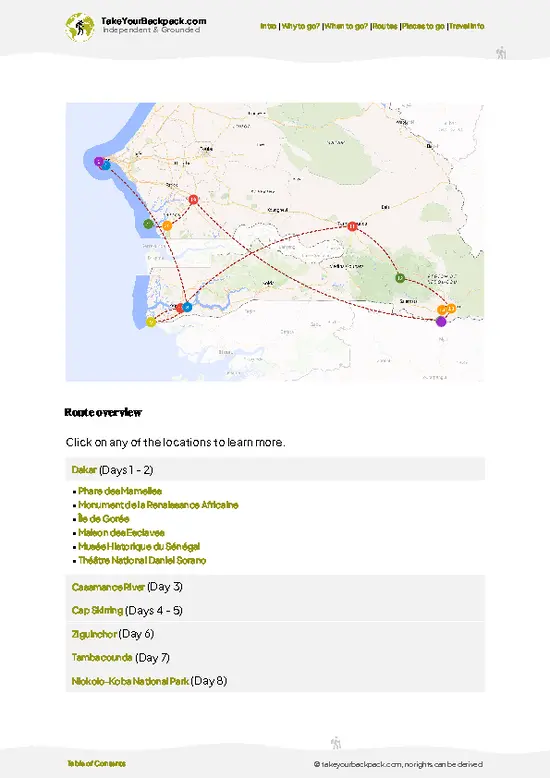
example page 3 from our offline Travel Guide for Senegal
example page 4 from our offline Travel Guide for Senegal
example page 5 from our offline Travel Guide for Senegal
example page 6 from our offline Travel Guide for Senegal
example page 7 from our offline Travel Guide for Senegal
Loading the map 🌍
CLICK TO FILTER
cities
towns
villages
landmarks
national parks
beaches
attractions
festivals
regions
SHOW COUNTRY’S BESTSHOW ALL

✨ Why go?
Ranked #1 beach in Senegal
What makes this beach worth visiting

Cap Skirring beach is where backpackers go to stop moving for a few days, and the reason is the mood of the Casamance itself. Life here is greener, slower and more Diola than the dry north of Senegal, and the beach is the easiest place to feel that. Palm trees, rice fields and mangrove creeks sit just behind the sand, so a swim can be followed by a walk into village life.

The second pull is the long, nearly empty sand toward Kabrousse. You can walk for an hour with only fishermen, a few horses and the odd stray dog for company, which is rare on the West African coast. Cheap guesthouses and beach shacks serving fresh fish keep a few nights easy on the wallet.

It also works as a connector. Flights land at a small airport close by, and the road runs back toward Ziguinchor, so the beach is a … read more 👉
Cap Skirring beach is where backpackers go to stop moving for a few days, and the reason is the mood of the Casamance itself. Life here is greener, slower and more Diola than the dry north of Senegal, and the beach is the easiest place to feel that. Palm trees, rice fields and mangrove creeks sit just behind the sand, so a swim can be followed by a walk into village life.

The second pull is the long, nearly empty sand toward Kabrousse. You can walk for an hour with only fishermen, a few horses and the odd stray dog for company, which is rare on the West African coast. Cheap guesthouses and beach shacks serving fresh fish keep a few nights easy on the wallet.

It also works as a connector. Flights land at a small airport close by, and the road runs back toward Ziguinchor, so the beach is a natural end point for a Casamance loop. Travelers heading on to Guinea-Bissau use it as a final rest before the border region, and many stay longer than planned.

💡 HighlightsWhat this place is best known for

  1. The main beach at Cap Skirring: This is the headline stretch, a broad swath of pale sand with palms and casuarinas at its back. Swim on calm mornings, then sit under the trees as pirogues come in. Surf breaks here suit confident swimmers only, so check the current before going out.
  2. Walk to Kabrousse: Heading south along the shoreline takes you to the village of Kabrousse, close to the Guinea-Bissau border. Low tide gives you firm sand, and you will pass fishing nets, grazing horses and almost no other travelers. Bring water and a hat, because shade is patchy.
  3. Diembéring village: A short ride inland, this Diola village is known for its traditional compounds and its Catholic mission. Walking its sandy lanes gives a clear sense of Casamance culture away from the resorts, and a local guide can explain
… read more 👉
  1. The main beach at Cap Skirring: This is the headline stretch, a broad swath of pale sand with palms and casuarinas at its back. Swim on calm mornings, then sit under the trees as pirogues come in. Surf breaks here suit confident swimmers only, so check the current before going out.
  2. Walk to Kabrousse: Heading south along the shoreline takes you to the village of Kabrousse, close to the Guinea-Bissau border. Low tide gives you firm sand, and you will pass fishing nets, grazing horses and almost no other travelers. Bring water and a hat, because shade is patchy.
  3. Diembéring village: A short ride inland, this Diola village is known for its traditional compounds and its Catholic mission. Walking its sandy lanes gives a clear sense of Casamance culture away from the resorts, and a local guide can explain customs and sacred sites with more nuance than any sign could.
  4. The fishing landing and fresh seafood: In the afternoon, boats arrive and buyers crowd the sand to haggle over the catch. Watch the unloading, then eat grilled fish or Casamance oysters at a beachside restaurant. The oysters, gathered from the mangroves, are a regional specialty and rarely found elsewhere in Senegal.
  5. Horse riding and sunset beach evenings: Local stables offer rides along the shoreline, which is most fun when the tide is out and the sand is hard. Evenings are low-key: bonfires, a drum or kora player at a beach shack, and a cold drink on the sand. Nightlife stays small, which suits most backpackers.
Start with the walk toward Kabrousse early in the morning, because the sand is cool, the light is soft and the shoreline is almost empty before the day heats up. For Cap Skirring beach, that early window is the best way to see its quiet side.
Spotted a mistake or missing something? Contact us.
🌤️ When to go?Best time to visit Cap Skirring

  • Peak Season (December to February): Days run 29 to 32°C (84 to 90°F), nights drop to 18 to 21°C (64 to 70°F), and the harmattan haze can soften the horizon. Rain is absent, the sea is calm and the beach bars are fully open. Beds cost the most, roughly €25 to 45 for a basic room.
  • Warm Dry Months (March to May): Highs reach 32 to 35°C (90 to 95°F), with sea breezes keeping the coast bearable. Crowds thin out after Easter, and rates ease.
  • Rainy Season (June to October): Expect 28 to 33°C (82 to 91°F), heavy humidity and downpours that peak in August and September. Casamance turns intensely green, but many seasonal lodges close and some dirt roads become muddy. Prices drop to €15 to 30 for basic rooms.
  • Early Dry Season (November): Rains have stopped, the landscape is lush and the beach is nearly
… read more 👉
  • Peak Season (December to February): Days run 29 to 32°C (84 to 90°F), nights drop to 18 to 21°C (64 to 70°F), and the harmattan haze can soften the horizon. Rain is absent, the sea is calm and the beach bars are fully open. Beds cost the most, roughly €25 to 45 for a basic room.
  • Warm Dry Months (March to May): Highs reach 32 to 35°C (90 to 95°F), with sea breezes keeping the coast bearable. Crowds thin out after Easter, and rates ease.
  • Rainy Season (June to October): Expect 28 to 33°C (82 to 91°F), heavy humidity and downpours that peak in August and September. Casamance turns intensely green, but many seasonal lodges close and some dirt roads become muddy. Prices drop to €15 to 30 for basic rooms.
  • Early Dry Season (November): Rains have stopped, the landscape is lush and the beach is nearly empty. Daylight stays steady at about 11 to 12 hours across the year.
Book ahead for Christmas and New Year, when French visitors fill the coast.


source: climatestotravel.comJANJanuary: excellent for travelingFEBFebruary: excellent for travelingMARMarch: excellent for travelingAPRApril: highly recommended for travelingMAYMay: highly recommended for travelingJUNJune: fair for travelingJULJuly: below average for travelingAUGAugust: below average for travelingSEPSeptember: fair for travelingOCTOctober: fair for travelingNOVNovember: highly recommended for travelingDECDecember: excellent for traveling
senegal-beach-cap-skirring v1
© Google |

✈️ The backpacker research shortcutSenegal Travel Guide

An offline-friendly backpacking guide with optimized travel routes, ranked highlights, transport advice, and the best areas to stay.
example page 0 from our offline Travel Guide for Senegal
example page 1 from our offline Travel Guide for Senegal
example page 2 from our offline Travel Guide for Senegal
example page 3 from our offline Travel Guide for Senegal
example page 4 from our offline Travel Guide for Senegal
example page 5 from our offline Travel Guide for Senegal
example page 6 from our offline Travel Guide for Senegal
example page 7 from our offline Travel Guide for Senegal
The digital guide (360 pages) contains:
✅ 85 highlights, ranked by travel appeal
✅ Optimized 5, 10 & 15-day travel routes
✅ Cities, national parks, landmarks, beaches
✅ How to get around
✅ Offline-friendly for travel without Wi-Fi
👉 Click to see all 30+ guide features

📅 Plan smarter in minutes, not weeks
✅ Month by month travel advice
✅ Festivals & national holidays
✅ Budget expectations

🗺️ Go to the right places, skip the overrated ones
✅ Honest pros & cons of destinations
✅ Top hikes, parks & viewpoints
✅ Lesser-known places most travelers miss
✅ Clear “worth it vs skip it” guidance

🛏️ Travel smoothly without rookie mistakes
✅ Best areas to stay
✅ Transport systems explained simply
✅ Common scams & safety advice
✅ SIM cards, money & practical tips

🌍 Understand the country, not just visit it
✅ Culture & traditions
✅ 52 Essential phrases & customs
✅ Festivals worth planning around
✅ Traveler-friendly historical context
✅ Insights that make places more meaningful

📱 Built for real travel conditions
✅ Fully downloadable PDF
✅ Works completely offline
✅ Optimized for phone use
✅ Useful in remote areas & buses
✅ Everything in one place
Stop searching, start planning
Get instant access to your full guide. 30‑day money-back guarantee.
+ Add another guide for just

By proceeding you agree to our terms.
Sent to your inbox immediately after payment • 100% Secure Checkout
Best Backpacking Travel Advisor 2025 tourism awardBest Backpacking
Travel Advisor
2025
What others say about Take Your Backpack Guides:
⭐⭐⭐⭐⭐
Fantastic, amazing amount of information!
⭐⭐⭐⭐⭐
My goodness this is amazing, it's what I've been looking for hats off too you!
⭐⭐⭐⭐⭐
I think this is absolutely BRILLIANT
⭐⭐⭐⭐
Very complete and informative. It's still missing places, but I gotta to commend you
⭐⭐⭐⭐⭐
This is truly amazing, thank you, can't wait to explore it with my kids!
⭐⭐⭐⭐⭐
Awesome resource, thank you!
⭐⭐⭐⭐⭐
This is amazing! Can't wait to explore the ones I haven't seen
⭐⭐⭐⭐
I love this! Well done, great idea.
⭐⭐⭐⭐⭐
Thanks for taking the time to make this gem!
⭐⭐⭐⭐⭐
This might be the best website I've ever seen.
⭐⭐⭐⭐⭐
Congratulations, and thank you so much for your work; it's incredibly valuable.
⭐⭐⭐⭐
In all seriousness I think you did a great job pointing out the important spots
⭐⭐⭐⭐⭐
10/10 very good
⭐⭐⭐⭐⭐
As someone who's only just starting to visit regularly this is awesome, thank you.
⭐⭐⭐⭐
Thank you very much! I'm going to visit my dad, it's going to be very useful!
⭐⭐⭐⭐⭐
This is really cool! We'll be travelling for the first time and this definitely come in handy.
⭐⭐⭐⭐⭐
You are now our minister of culture, congratulations 👨‍💼
⭐⭐⭐⭐⭐
Just wanted to tell you that this is a pearl! Going to follow your recommendations.
⭐⭐⭐⭐⭐
This is so cool. I'll definitely be using the resource for my travels soon.
⭐⭐⭐⭐⭐
This is very impressive! Good work.
⭐⭐⭐⭐⭐
This is an amazing and informative site. Very well done!

🛏️ Where to stay?Best areas and accommodation options

The stretch of village just behind Cap Skirring beach is the best place for backpackers to stay, because the sand, the shops and the evening bars are all within a ten-minute walk of each other. Stay along the main road that runs from the small roundabout toward the sea, and you can walk to everything without a taxi. This is where the few budget guesthouses and simple bungalows cluster, with dorm-style or basic double rooms from about €10 to 25 a night. It is also where other solo travelers end up, so you meet people easily at the open-air restaurants and the one or two beachfront bars.

The northern … read more 👉
The stretch of village just behind Cap Skirring beach is the best place for backpackers to stay, because the sand, the shops and the evening bars are all within a ten-minute walk of each other. Stay along the main road that runs from the small roundabout toward the sea, and you can walk to everything without a taxi. This is where the few budget guesthouses and simple bungalows cluster, with dorm-style or basic double rooms from about €10 to 25 a night. It is also where other solo travelers end up, so you meet people easily at the open-air restaurants and the one or two beachfront bars.

The northern end of the beach, toward the larger resort hotels, is quieter and much pricier, so it suits you only if you want space and are happy to pay €60 and up. The southern stretch toward Kabrousse is calmer and more rural. Small family-run campements there offer rooms for €15 to 30 and a slower pace, though evenings are sleepy and you will need a short taxi or moto ride into the village for variety. For first-timers I would choose the village center, then move toward the quieter edges if you want peace.

🛡️ SafetyTraveler Safety Guide

Cap Skirring beach is one of the calmer, easier stretches of coast in West Africa, and most visitors swim here without incident. The sand is wide and gently sloping, and waves are usually moderate, though the Atlantic can produce stronger surf and a pull of current at times, especially around the turn of the tide and in the wetter months. Swim in front of the hotels and bars where other people are in the water, and avoid going far out. There are no formal lifeguard flags in most places, so watch how locals behave. Sun is the biggest everyday issue: the glare is intense by late morning, so bring a hat and strong sunscreen, and shift to shade around midday. Jellyfish are rare. Petty theft is occasional, so keep phones and cash out of sight and never leave a bag unattended while you swim. Persistent … read more 👉
Cap Skirring beach is one of the calmer, easier stretches of coast in West Africa, and most visitors swim here without incident. The sand is wide and gently sloping, and waves are usually moderate, though the Atlantic can produce stronger surf and a pull of current at times, especially around the turn of the tide and in the wetter months. Swim in front of the hotels and bars where other people are in the water, and avoid going far out. There are no formal lifeguard flags in most places, so watch how locals behave. Sun is the biggest everyday issue: the glare is intense by late morning, so bring a hat and strong sunscreen, and shift to shade around midday. Jellyfish are rare. Petty theft is occasional, so keep phones and cash out of sight and never leave a bag unattended while you swim. Persistent vendors approach on the sand, and a polite, firm no is usually enough. Evening walks back to the village are generally fine, but a flashlight helps on unlit paths.

FAQFrequently asked questions about Cap Skirring

Fly or drive to reach Cap Skirring beach, which lies in the far southwest of Senegal. Air Sénégal and sometimes other carriers run flights from Dakar to Cap Skirring airport, taking about 1 hour and costing roughly €100 to 180 one way, and the beach is a 5 to 10 minute taxi ride from the airstrip. By road, shared taxis go from Ziguinchor, about 70 km away, in around 1.5 hours for €4 to 8. The Dakar to Ziguinchor ferry takes about 12 to 14 hours overnight and costs about €15 to 35.
Cap Skirring beach is good for swimming and relaxed sunbathing, with wide, gently sloping sand and typically moderate waves. Surfing is possible but minor, as there are only occasional beginner-friendly waves and a limited rental scene, so bring your own board if you are serious. Snorkeling is not a highlight here because the water is often cloudy and there is no real reef at the beach. Fishing boat or pirogue trips toward the Casamance mangroves and nearby islands cost around €15 to 40.
Yes, Cap Skirring beach is free to visit, and there is no entry fee for walking or swimming on the public sand. Beachfront bars and restaurants expect you to buy a drink or meal if you use their loungers, with a beer or soft drink costing roughly €1.50 to 3. Parking is not an issue for most backpackers, since the beach is a short walk from the village center. Hiring a guide or pirogue for excursions is extra.
⚠️ Things can change over time, so always validate details locally before you go.

Other Senegalese beaches near Cap Skirring

Explore more nearby:

  • Pointe Sarène—Fish landing, wide firm sand, mangrove lagoon, bodyboard waves| 215 km away
  • Popenguine—Marian shrine, baobab reserve, calm bay, village stalls| 248 km away
  • Ngor Island—Pirogue crossing, car-free lanes, wall murals, sheltered cove| 280 km away

💡 Not sure where to go next?
Create a personalized itinerary for Senegal including Cap Skirring and the places that fit your trip.

Generate my itinerary

👉 Discover all beaches

Or checkout all Senegal has to offer (think cities, towns, villages, national parks, hikes, beaches, festivals)
Country photo of Senegal

We 💚 feedbackKey takeaways before you go

Cap Skirring beach suits travelers who want to slow down, read, swim and wander without a schedule, and it works best for couples, solo travelers and anyone worn out from the road north. Party seekers will find it too quiet. I would bring cash, since machines are scarce, and plan a few nights more than you think you need, because the village walks and the evening fish grills have a way of stretching the stay.

✍️ Help improve this page!
The information on this page is based on in-depth research, insights shared by experienced travelers, and feedback from the local travel community in Senegal. While every effort is made to keep the information accurate and current, conditions can change — so if you spot anything incorrect or outdated, please get in touch.


🙋‍♂️ Give feedback

👋 Meet the founderWho’s Behind Take Your Backpack?

Johan, backpacker and founder of TakeYourBackpackHi, I’m Johan (Netherlands 🇳🇱), the creator of TakeYourBackpack. Over the past 3 decades, I’ve backpacked through 90+ countries across six continents, gaining extensive experience with independent travel, long-term trips, and overland routes.

This site is built on a combination of firsthand travel experience and carefully curated insights from other backpackers. Many guides are based on places I’ve personally visited, while others bring together tips, observations, and practical advice shared by trusted travelers I’ve met along the way.

The goal is to provide realistic, experience-driven guidance — not generic itineraries — so you can explore destinations with better context, clearer expectations, and more confidence.