v2.webp)
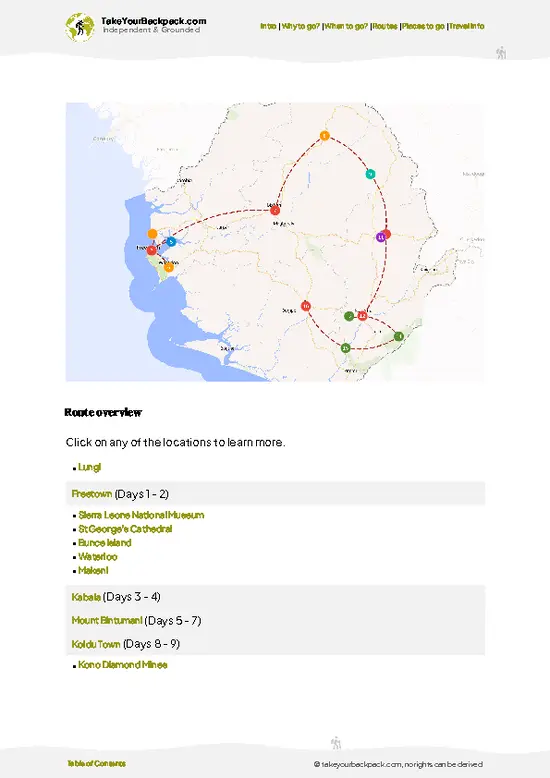
- Surfing the main beach break: This is what Bureh Beach is known for. The waves are mostly soft, rolling peaks over sand, which makes them friendlier than rocky points elsewhere in West Africa. Boards and lessons are available at the beach, and the local instructors know where the rips pull hardest.
- Bureh Town fishing village: Walk to the far end of the sand, where wooden canoes are hauled up and nets are laid out to dry. Boats come in with the day’s catch, and women carry it up the beach for sorting and smoking. Ask before taking photos of people.
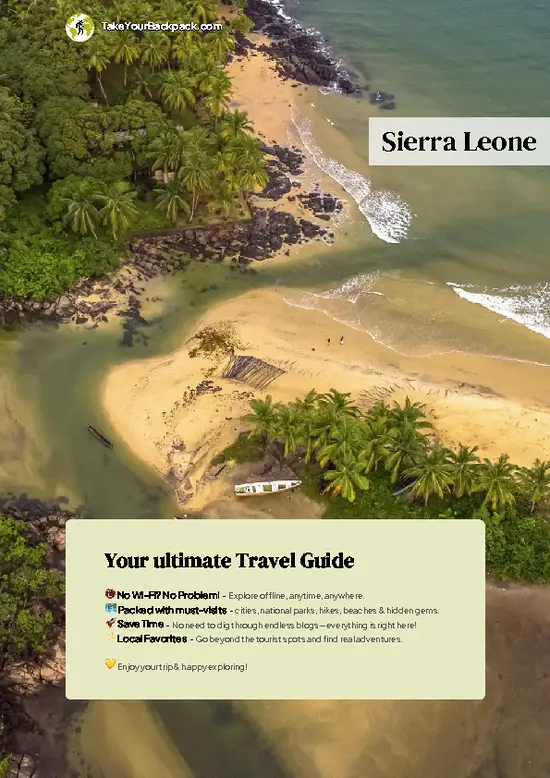
- The river mouth and tidal flats: Where fresh water meets the ocean, the sand shifts, birds work the shallows and the light flattens at low tide. It is a good, quiet place for a long barefoot walk, and the water here is calmer than the surf zone.
- Grilled
- Surfing the main beach break: This is what Bureh Beach is known for. The waves are mostly soft, rolling peaks over sand, which makes them friendlier than rocky points elsewhere in West Africa. Boards and lessons are available at the beach, and the local instructors know where the rips pull hardest.
- Bureh Town fishing village: Walk to the far end of the sand, where wooden canoes are hauled up and nets are laid out to dry. Boats come in with the day’s catch, and women carry it up the beach for sorting and smoking. Ask before taking photos of people.
- The river mouth and tidal flats: Where fresh water meets the ocean, the sand shifts, birds work the shallows and the light flattens at low tide. It is a good, quiet place for a long barefoot walk, and the water here is calmer than the surf zone.
- Grilled fish at the beach shacks: Small stalls and shacks cook the morning’s catch over charcoal, usually served with rice, cassava or plantain and a hot pepper sauce. Order whatever came in that day. It is the most direct way to taste the coast.
- Evening on the sand: With little light pollution, the sky fills with stars once the generators go quiet. Some nights there is a driftwood fire, a drum or a guitar near the surf camp, and the surf is loud enough to talk over. There is no club scene, which is the point.
Spotted a mistake or missing something? Contact us.

 Best Backpacking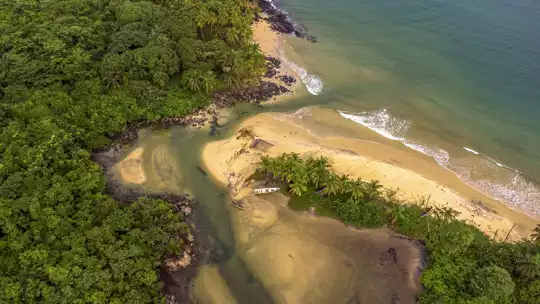
.jpg) Hi, I’m Johan (Netherlands 🇳🇱), the creator of TakeYourBackpack. Over the past 3 decades, I’ve backpacked through 90+ countries across six continents, gaining extensive experience with independent travel, long-term trips, and overland routes.
Hi, I’m Johan (Netherlands 🇳🇱), the creator of TakeYourBackpack. Over the past 3 decades, I’ve backpacked through 90+ countries across six continents, gaining extensive experience with independent travel, long-term trips, and overland routes.