How many beaches to visit: Plan on
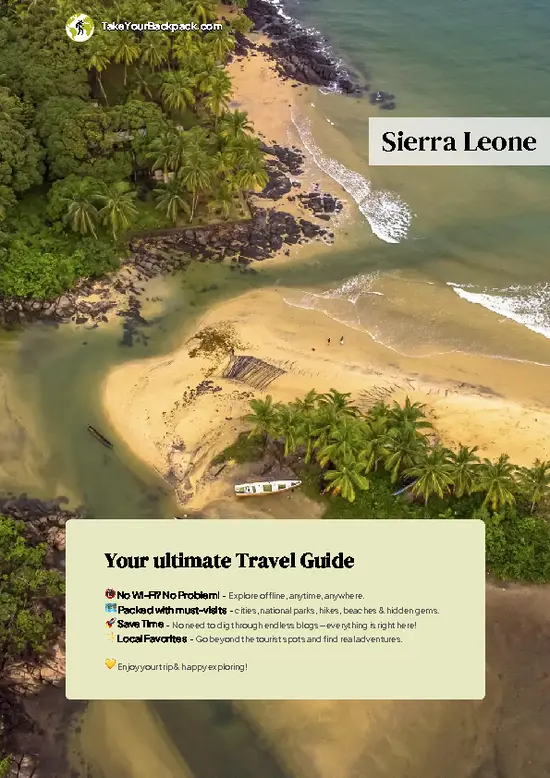
three or four beaches in total. Travel in Sierra Leone eats hours, and each move means shared taxis, a boat or both. With that count you can still spend whole days on the sand, rather than watching the road. You get time for a swim at dawn, a plate of grilled fish by the water and a slow evening as the generators hum on.
Choosing between kinds: If you are short on time or new to West Africa, choose the
peninsula beaches: guesthouses, beach bars, English-speaking staff and easy transport. If you like surf, pick a spot with a local surf community and rent a board. Travelers with more time and patience should add one
island or southern coast stop, where you sleep in simple rooms, swim off pale sandbars and hear almost nothing but waves and birds.
What it costs: …
read more 👉 How many beaches to visit: Plan on
three or four beaches in total. Travel in Sierra Leone eats hours, and each move means shared taxis, a boat or both. With that count you can still spend whole days on the sand, rather than watching the road. You get time for a swim at dawn, a plate of grilled fish by the water and a slow evening as the generators hum on.
Choosing between kinds: If you are short on time or new to West Africa, choose the
peninsula beaches: guesthouses, beach bars, English-speaking staff and easy transport. If you like surf, pick a spot with a local surf community and rent a board. Travelers with more time and patience should add one
island or southern coast stop, where you sleep in simple rooms, swim off pale sandbars and hear almost nothing but waves and birds.
What it costs: Budget about
US$35 to 60 a day for a backpacker who sleeps in guesthouses and eats local food, though prices run above the regional norm. Rooms cost roughly US$15 to 40, a grilled fish meal US$4 to 10, and a beer about US$1.50 to 3. Some beaches charge a small
entry or parking fee, often US$1 to 5. Shared taxis from Freetown cost US$3 to 10, a private car US$40 to 80, and a boat to an island US$10 to 50 depending on distance and whether you charter it. Local guides or fishermen ask about US$10 to 25 for a half-day trip. Bring cash, as cards are rarely accepted.
Safety and local etiquette: The sea is the main hazard.
Rip currents are strong and lifeguards rarely exist, so swim where locals swim, stay in your depth and avoid it when the surf is heavy. Walking beaches alone after dark is unwise, and valuables should stay locked at the guesthouse. Sierra Leone is a mostly Muslim and Christian country, and people dress modestly away from resort areas; wear a shirt or sarong over swimwear when walking through villages. Always ask before photographing fishermen or their boats, and expect a small tip or a purchase of fish in return. Respect the fishing grounds by keeping clear of nets and launching canoes. Drink only bottled or filtered water and pack malaria prophylaxis, since mosquitoes come out at dusk.

 Best Backpacking
 Hi, I’m Johan (Netherlands 🇳🇱), the creator of TakeYourBackpack. Over the past 3 decades, I’ve backpacked through 90+ countries across six continents, gaining extensive experience with independent travel, long-term trips, and overland routes.