
×

Singapore🇸🇬 | townsJoo ChiatColorful shophouses, heritage murals, kueh shops | things to do and best time to go

Explore KatongExplore Geylang

Backpacking in Joo Chiat
👍 Recommendedtown ranked #6
By Johan Kruseman 🇳🇱 | Updated September 23, 2026

Joo Chiat is not for anyone chasing skyscraper skylines, rooftop pools, or big-night-out clubbing. It’s for when you want Singapore to feel human-sized. East of the city center, near Geylang and a short bus or MRT+bus ride from downtown, Joo Chiat is a low-rise strip of shophouses, Peranakan terraces, and food smells that hit you before you see the signboards. As a backpacker base, it’s better for slow days than checklist sightseeing: cheap-ish local food, kopi in old-school cafés, small hostels and guesthouses, and streets that actually invite walking. Nights are mellow, more supper than party. It’s cheaper and more characterful than Marina Bay, but not as gritty as Geylang. Safe, easy to navigate, and well-linked by buses, it works best as a calm, cultural side-base to the rest of Singapore.

Discover everything you want to know in the 📖 Singapore Travel Guide.


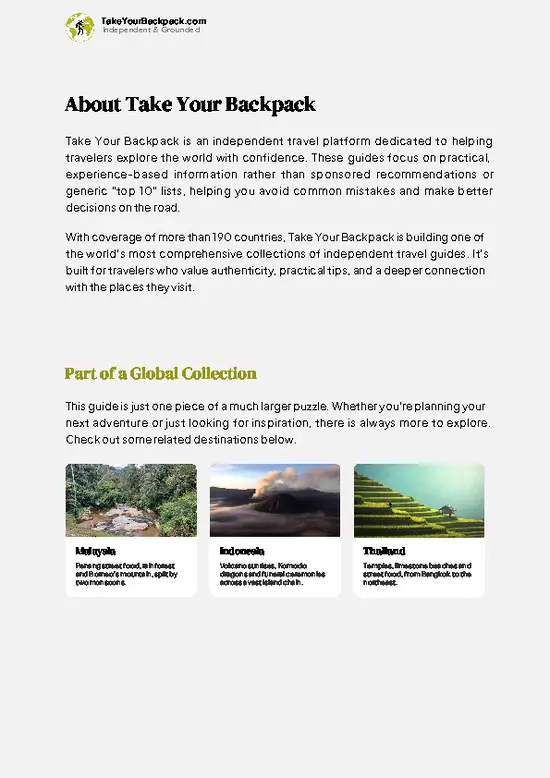
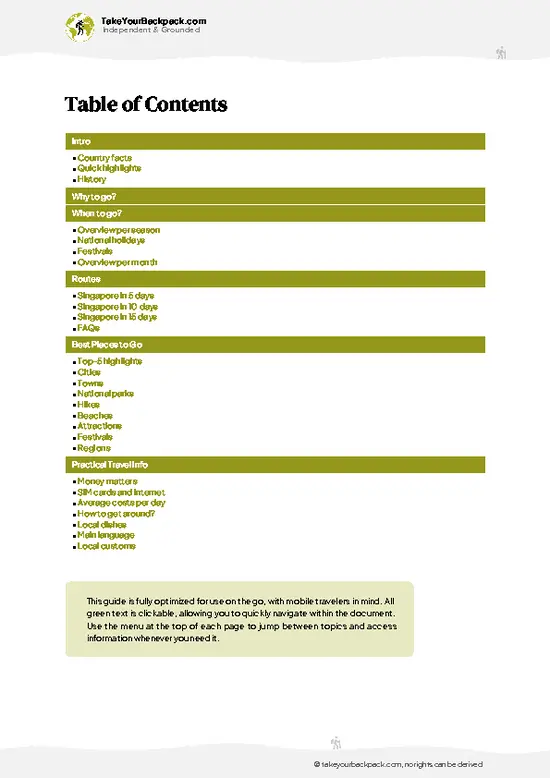
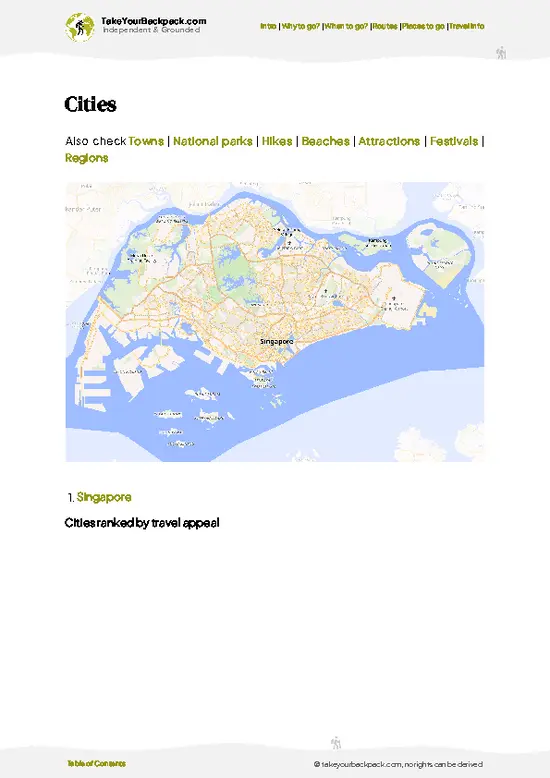
example page 0 from our offline Travel Guide for Singapore
example page 1 from our offline Travel Guide for Singapore
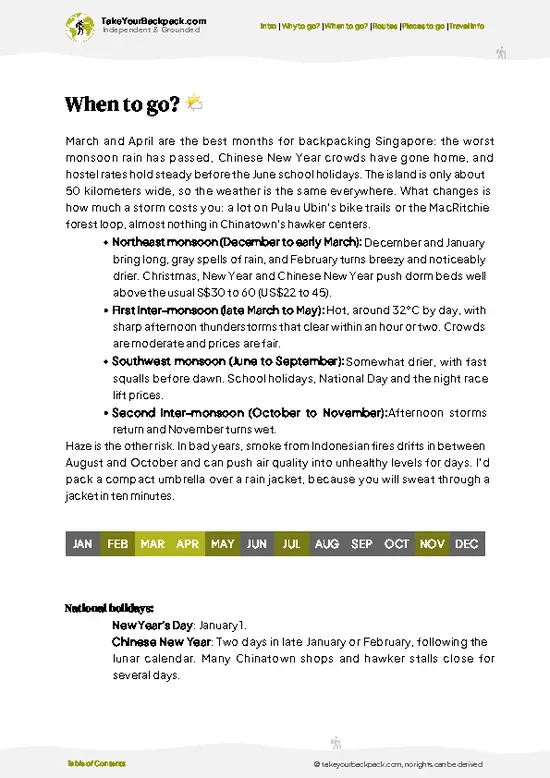
example page 2 from our offline Travel Guide for Singapore
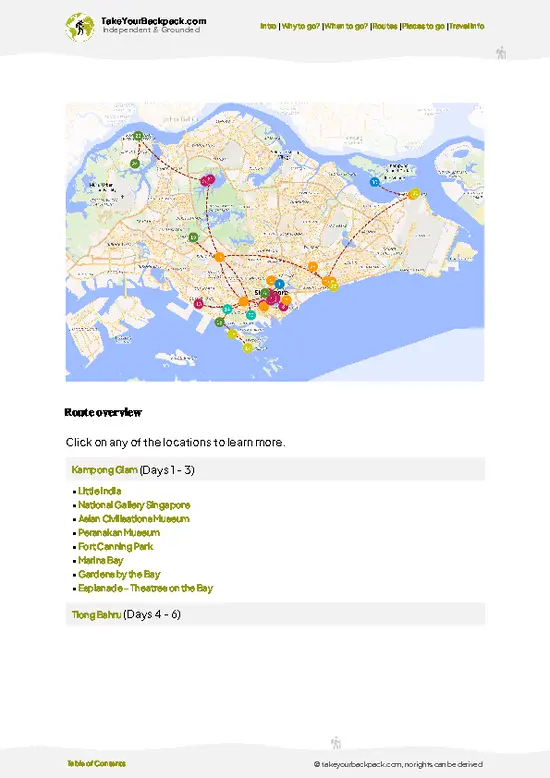
example page 3 from our offline Travel Guide for Singapore
example page 4 from our offline Travel Guide for Singapore
example page 5 from our offline Travel Guide for Singapore
example page 6 from our offline Travel Guide for Singapore
example page 7 from our offline Travel Guide for Singapore
Loading the map 🌍
CLICK TO FILTER
cities
towns
national parks
hikes
beaches
attractions
festivals
regions
SHOW COUNTRY’S BESTSHOW ALL

✨ Why go?
Ranked #6 town in Singapore
What makes it a must-see town

Backpackers flock to Joo Chiat for its unique blend of convenience and character. This neighborhood serves as a gateway to nearby hikes and beaches, making it easy to escape the urban hustle. The small-scale hostels and guesthouses here offer a cozy, intimate vibe, perfect for solo travelers or small groups looking to connect. Streets are walkable, lined with local food stalls where the scent of satay and nasi lemak fills the air, inviting you to linger over meals.

While some travelers might just pass through, many find themselves staying a few days to soak in the cultural richness. The atmosphere is friendly but not overwhelming, ideal for those who appreciate a slower pace. Whether you’re a hiker eager to explore or a slow traveler wanting to savor local life, Joo Chiat provides a refreshing … read more 👉
Backpackers flock to Joo Chiat for its unique blend of convenience and character. This neighborhood serves as a gateway to nearby hikes and beaches, making it easy to escape the urban hustle. The small-scale hostels and guesthouses here offer a cozy, intimate vibe, perfect for solo travelers or small groups looking to connect. Streets are walkable, lined with local food stalls where the scent of satay and nasi lemak fills the air, inviting you to linger over meals.

While some travelers might just pass through, many find themselves staying a few days to soak in the cultural richness. The atmosphere is friendly but not overwhelming, ideal for those who appreciate a slower pace. Whether you’re a hiker eager to explore or a slow traveler wanting to savor local life, Joo Chiat provides a refreshing contrast to Singapore’s more commercial areas. It’s a place where the journey feels as rewarding as the destination.

💡 HighlightsDon't-miss highlights and experiences

  1. The Intan — A private Peranakan home-museum run by a collector; stepping inside feels like visiting a living Peranakan household full of ceramics, costumes and heirlooms. Book ahead, take the guided tour and you’ll get stories you won’t read on a plaque.
  2. Joo Chiat Road shophouse strip — The stretch of ornate, tile-clad Peranakan shophouses that defines the neighbourhood: great for wandering, window-shopping and photographing those iconic porches and ceramic panels.
  3. Koon Seng Road terraces — A quieter residential lane famous for its colourful pre-war terraces and intricate facades; it’s the kind of street where you slow down, look up and notice the tiny details.
  4. Joo Chiat Complex (market & hawker stalls) — Old-school wet market upstairs and no-frills hawker food downstairs; go for the
… read more 👉
  1. The Intan — A private Peranakan home-museum run by a collector; stepping inside feels like visiting a living Peranakan household full of ceramics, costumes and heirlooms. Book ahead, take the guided tour and you’ll get stories you won’t read on a plaque.
  2. Joo Chiat Road shophouse strip — The stretch of ornate, tile-clad Peranakan shophouses that defines the neighbourhood: great for wandering, window-shopping and photographing those iconic porches and ceramic panels.
  3. Koon Seng Road terraces — A quieter residential lane famous for its colourful pre-war terraces and intricate facades; it’s the kind of street where you slow down, look up and notice the tiny details.
  4. Joo Chiat Complex (market & hawker stalls) — Old-school wet market upstairs and no-frills hawker food downstairs; go for the local breakfast, kueh stalls and the messy, honest dishes you won’t find in glossy food courts.
  5. Sri Senpaga Vinayagar Temple — A lively Hindu temple on Joo Chiat Road that’s especially atmospheric during festivals; the ornate gopuram and street rituals give a real sense of the area’s multicultural life.
  6. Haig Road / local Peranakan bakeries and kopitiams — The blocky, long-running bakeries and kopi shops around Haig Road are where locals grab kueh, kaya toast and coffee. They feel authentic, inexpensive and deliciously unpretentious.
  7. Joo Chiat heritage plaques & self-guided trail — Walk the neighbourhood and follow the heritage markers and interpretive signs; they turn a simple stroll into a mini history lesson about Peranakan life, trade and architecture.
  8. Street art & mural pockets along East Coast Road / Joo Chiat lanes — Small murals and creative shopfronts pop up between the shophouses; they’re not huge tourist attractions, but they add colour and modern character to the heritage backdrop.
  9. Independent boutiques, Peranakan boutiques and craft shops — Scattered around the stretch are small stores selling Peranakan ceramics, textiles, bespoke gifts and lifestyle goods — useful for picking up something locally made rather than a generic souvenir.
  10. Community landmarks and places of worship cluster — Beyond the famous temple, the area’s churches, clan associations and smaller shrines reveal the layered, lived-in culture of Joo Chiat; they’re worth popping into respectfully for atmosphere and history.
A few nearby, visitable highlights just outside Joo Chiat that make easy day trips: East Coast Park for cycling and seaside chill (personal favourite), Katong’s laksa stalls (think 328 Katong Laksa and surrounding eateries), and the Geylang Serai market for Malay food and culture.
Spotted a mistake or missing something? Contact us.

Things to do near Joo Chiat

Ratings based on Tripadvisor reviews. When you book through this link, you support our work at no extra cost to you.

🏘️ NeighborhoodsWhere things are and how it's laid out

Joo Chiat is a vibrant tapestry of culture, food, and history, making it a must-visit for backpackers seeking authenticity in Singapore.

Joo Chiat Road: This is the heart of the neighborhood, where the scent of laksa and kaya toast fills the air. It’s walkable and packed with colorful shophouses. Perfect for short stays, you can easily explore local eateries and boutiques. The nightlife is low-key, with cozy cafes and bars that invite you to linger.

East Coast Road: A bit busier, this stretch offers a mix of local dining and shopping. It’s great for those who want a lively atmosphere without the chaos of the city center. Public transport is accessible, making it easy to hop around. Ideal for longer stays, you can enjoy the beach at East Coast Park nearby.

Peranakan Place: This area is … read more 👉
Joo Chiat is a vibrant tapestry of culture, food, and history, making it a must-visit for backpackers seeking authenticity in Singapore.

Joo Chiat Road: This is the heart of the neighborhood, where the scent of laksa and kaya toast fills the air. It’s walkable and packed with colorful shophouses. Perfect for short stays, you can easily explore local eateries and boutiques. The nightlife is low-key, with cozy cafes and bars that invite you to linger.

East Coast Road: A bit busier, this stretch offers a mix of local dining and shopping. It’s great for those who want a lively atmosphere without the chaos of the city center. Public transport is accessible, making it easy to hop around. Ideal for longer stays, you can enjoy the beach at East Coast Park nearby.

Peranakan Place: This area is steeped in heritage, showcasing the unique Peranakan culture. The vibe is quieter, perfect for those seeking a more relaxed experience. It’s a short walk from Joo Chiat Road, making it easy to explore both areas. Suitable for all lengths of stay, it offers a peaceful retreat after a day of adventure.

Chai Chee: Slightly off the main tourist path, this residential area offers a glimpse into local life. It’s less walkable but provides a more authentic experience. Transport options are available, but it’s better for longer stays if you want to immerse yourself in the local scene.

⌛️ 1 daySeeing the highlights in 24 hours

Joo Chiat is a vibrant tapestry of culture, history, and culinary delights, a neighborhood that tells the story of Singapore’s Peranakan heritage. The streets are lined with colorful shophouses, their intricate tiles whispering tales of the past. The air is rich with the scent of spices and freshly baked goods, inviting you to explore.

Start your morning at the famous Chin Mee Chin Confectionery. The moment you step inside, the aroma of kaya toast and freshly brewed kopi envelops you. Grab a seat and savor the fluffy, buttery toast slathered with coconut jam, paired with soft-boiled eggs. It’s a local ritual that sets the tone for your day.

After breakfast, wander down Joo Chiat Road, where the pastel-hued shophouses stand like sentinels of history. Don’t miss the nearby Katong Antique House, … read more 👉
Joo Chiat is a vibrant tapestry of culture, history, and culinary delights, a neighborhood that tells the story of Singapore’s Peranakan heritage. The streets are lined with colorful shophouses, their intricate tiles whispering tales of the past. The air is rich with the scent of spices and freshly baked goods, inviting you to explore.

Start your morning at the famous Chin Mee Chin Confectionery. The moment you step inside, the aroma of kaya toast and freshly brewed kopi envelops you. Grab a seat and savor the fluffy, buttery toast slathered with coconut jam, paired with soft-boiled eggs. It’s a local ritual that sets the tone for your day.

After breakfast, wander down Joo Chiat Road, where the pastel-hued shophouses stand like sentinels of history. Don’t miss the nearby Katong Antique House, a small but charming museum that showcases Peranakan culture through artifacts and stories. It’s often overlooked by tourists, but the warmth of the owner’s stories makes it a hidden treasure.

As the afternoon sun warms the streets, head to East Coast Park. Rent a bike and pedal along the coastline, where the salty breeze and the sound of waves crashing create a refreshing backdrop. Stop for a coconut drink from a local vendor; the sweet, cool water is a perfect pick-me-up.

As evening approaches, return to Joo Chiat for dinner at 328 Katong Laksa. The rich, spicy broth and thick rice noodles are a must-try. The atmosphere buzzes with locals enjoying their meals, and you’ll feel the community spirit.

End your day with a stroll through the neighborhood, where the soft glow of lanterns lights up the streets. Joo Chiat isn’t just a place to visit; it’s a sensory experience that lingers long after you leave.

🌤️ When to go?Seasonal considerations and timing

  • Topic: Weather and Temperature - Singapore’s equatorial climate means Joo Chiat is hot and humid year-round, averaging 27-31°C (81-88°F). The dry season from February to April offers slightly less oppressive humidity, making wandering the colorful shophouses and street art more comfortable.
  • Topic: Daylight Hours - Daylight stays steady around 12 hours daily, roughly 7 AM to 7 PM. This consistency means you can plan your explorations without worrying about early sunsets cutting your street-level adventures short.
  • Topic: Crowds - Tourist traffic peaks during Singapore’s major holidays and festivals, especially Chinese New Year (January/February) and the Great Singapore Sale (June-July). Visiting just outside these windows means quieter streets and more breathing room in local eateries.
… read more 👉
  • Topic: Weather and Temperature - Singapore’s equatorial climate means Joo Chiat is hot and humid year-round, averaging 27-31°C (81-88°F). The dry season from February to April offers slightly less oppressive humidity, making wandering the colorful shophouses and street art more comfortable.
  • Topic: Daylight Hours - Daylight stays steady around 12 hours daily, roughly 7 AM to 7 PM. This consistency means you can plan your explorations without worrying about early sunsets cutting your street-level adventures short.
  • Topic: Crowds - Tourist traffic peaks during Singapore’s major holidays and festivals, especially Chinese New Year (January/February) and the Great Singapore Sale (June-July). Visiting just outside these windows means quieter streets and more breathing room in local eateries.
  • Topic: Seasonal Activities - Joo Chiat’s Peranakan culture shines during the Chingay Parade (February) and Hari Raya Puasa (varies), offering vibrant street performances and food stalls. Timing your visit to catch these adds cultural depth but expect lively crowds.
  • Topic: Price Fluctuations - Accommodation and flight prices spike around major festivals and school holidays. Booking in the shoulder months of May or September can save money while still enjoying warm, manageable weather.
Pro-tip: Aim for late February to early March—humidity eases, crowds thin post-Chinese New Year, and the streets still buzz with cultural energy without the tourist crush.


source: climatestotravel.comJANJanuary: good for travelingFEBFebruary: highly recommended for travelingMARMarch: excellent for travelingAPRApril: highly recommended for travelingMAYMay: highly recommended for travelingJUNJune: good for travelingJULJuly: good for travelingAUGAugust: good for travelingSEPSeptember: highly recommended for travelingOCTOctober: highly recommended for travelingNOVNovember: highly recommended for travelingDECDecember: good for traveling
singapore-city-joo-chiat
© Google |

✈️ The backpacker research shortcutSingapore Travel Guide

An offline-friendly backpacking guide with optimized travel routes, ranked highlights, transport advice, and the best areas to stay.
example page 0 from our offline Travel Guide for Singapore
example page 1 from our offline Travel Guide for Singapore
example page 2 from our offline Travel Guide for Singapore
example page 3 from our offline Travel Guide for Singapore
example page 4 from our offline Travel Guide for Singapore
example page 5 from our offline Travel Guide for Singapore
example page 6 from our offline Travel Guide for Singapore
example page 7 from our offline Travel Guide for Singapore
The digital guide (246 pages) contains:
✅ 63 highlights, ranked by travel appeal
✅ Optimized 5, 10 & 15-day travel routes
✅ Cities, national parks, landmarks, beaches
✅ How to get around
✅ Offline-friendly for travel without Wi-Fi
👉 Click to see all 30+ guide features

📅 Plan smarter in minutes, not weeks
✅ Month by month travel advice
✅ Festivals & national holidays
✅ Budget expectations

🗺️ Go to the right places, skip the overrated ones
✅ Honest pros & cons of destinations
✅ Top hikes, parks & viewpoints
✅ Lesser-known places most travelers miss
✅ Clear “worth it vs skip it” guidance

🛏️ Travel smoothly without rookie mistakes
✅ Best areas to stay
✅ Transport systems explained simply
✅ Common scams & safety advice
✅ SIM cards, money & practical tips

🌍 Understand the country, not just visit it
✅ Culture & traditions
✅ Local customs
✅ Festivals worth planning around
✅ Traveler-friendly historical context
✅ Insights that make places more meaningful

📱 Built for real travel conditions
✅ Fully downloadable PDF
✅ Works completely offline
✅ Optimized for phone use
✅ Useful in remote areas & buses
✅ Everything in one place
Stop searching, start planning
Get instant access to your full guide. 30‑day money-back guarantee.
+ Add another guide for just

By proceeding you agree to our terms.
Sent to your inbox immediately after payment • 100% Secure Checkout
Best Backpacking Travel Advisor 2025 tourism awardBest Backpacking
Travel Advisor
2025
What others say about Take Your Backpack Guides:
⭐⭐⭐⭐⭐
Fantastic, amazing amount of information!
⭐⭐⭐⭐⭐
My goodness this is amazing, it's what I've been looking for hats off too you!
⭐⭐⭐⭐⭐
I think this is absolutely BRILLIANT
⭐⭐⭐⭐
Very complete and informative. It's still missing places, but I gotta to commend you
⭐⭐⭐⭐⭐
This is truly amazing, thank you, can't wait to explore it with my kids!
⭐⭐⭐⭐⭐
Awesome resource, thank you!
⭐⭐⭐⭐⭐
This is amazing! Can't wait to explore the ones I haven't seen
⭐⭐⭐⭐
I love this! Well done, great idea.
⭐⭐⭐⭐⭐
Thanks for taking the time to make this gem!
⭐⭐⭐⭐⭐
This might be the best website I've ever seen.
⭐⭐⭐⭐⭐
Congratulations, and thank you so much for your work; it's incredibly valuable.
⭐⭐⭐⭐
In all seriousness I think you did a great job pointing out the important spots
⭐⭐⭐⭐⭐
10/10 very good
⭐⭐⭐⭐⭐
As someone who's only just starting to visit regularly this is awesome, thank you.
⭐⭐⭐⭐
Thank you very much! I'm going to visit my dad, it's going to be very useful!
⭐⭐⭐⭐⭐
This is really cool! We'll be travelling for the first time and this definitely come in handy.
⭐⭐⭐⭐⭐
You are now our minister of culture, congratulations 👨‍💼
⭐⭐⭐⭐⭐
Just wanted to tell you that this is a pearl! Going to follow your recommendations.
⭐⭐⭐⭐⭐
This is so cool. I'll definitely be using the resource for my travels soon.
⭐⭐⭐⭐⭐
This is very impressive! Good work.
⭐⭐⭐⭐⭐
This is an amazing and informative site. Very well done!

🛏️ Where to stay?Best areas to stay in Singapore

Joo Chiat is a backpacker’s sweet spot in Singapore because it strikes a rare balance: it’s lively without the chaos of downtown, and it’s rich in culture without feeling like a museum. The best areas to stay here are just a short walk from East Coast Road and Koon Seng Road. These streets pulse with local life—think the scent of kaya toast and kopi wafting from corner cafes, the chatter of hawker stalls firing up for lunch, and the colorful shophouses casting long shadows in the late afternoon light.

Compared to the sterile high-rises of the central business district, Joo Chiat’s neighborhoods … read more 👉
Joo Chiat is a backpacker’s sweet spot in Singapore because it strikes a rare balance: it’s lively without the chaos of downtown, and it’s rich in culture without feeling like a museum. The best areas to stay here are just a short walk from East Coast Road and Koon Seng Road. These streets pulse with local life—think the scent of kaya toast and kopi wafting from corner cafes, the chatter of hawker stalls firing up for lunch, and the colorful shophouses casting long shadows in the late afternoon light.

Compared to the sterile high-rises of the central business district, Joo Chiat’s neighborhoods feel human-scaled and inviting. They’re safe, with a steady stream of locals and travelers mingling, which means you’re never alone but never overwhelmed. Hostels here tend to be small, cozy, and social hubs where you can swap stories over shared tables or communal kitchens. This is where you get the authentic Singaporean vibe without the tourist gloss—perfect for solo backpackers craving connection and budget travelers wanting character. Staying here means you’re plugged into a neighborhood that’s both a living history lesson and a launchpad for exploring the city’s east side.

🚌 Getting aroundGetting around like a local

Joo Chiat moves at its own rhythm—part old-school charm, part modern pulse. The streets hum with the scent of spices and the occasional hiss of a kopi steam wand, but don’t expect a rigid timetable here. It’s a neighborhood where locals stroll with purpose but without rush, where the flow is dictated more by the sun’s angle and the clink of hawker stalls opening than by strict schedules. This relaxed vibe means you can’t just show up and expect everything to line up perfectly. Instead, you learn to read the subtle cues: the light fading, the crowd thickening, the bus pulling up just as you’re ready. Mastering Joo Chiat’s transit is about syncing with its natural tempo—knowing when to move fast and when to savor the pause.
  • Walking: The best way to soak in Joo Chiat’s character. Streets are
… read more 👉
Joo Chiat moves at its own rhythm—part old-school charm, part modern pulse. The streets hum with the scent of spices and the occasional hiss of a kopi steam wand, but don’t expect a rigid timetable here. It’s a neighborhood where locals stroll with purpose but without rush, where the flow is dictated more by the sun’s angle and the clink of hawker stalls opening than by strict schedules. This relaxed vibe means you can’t just show up and expect everything to line up perfectly. Instead, you learn to read the subtle cues: the light fading, the crowd thickening, the bus pulling up just as you’re ready. Mastering Joo Chiat’s transit is about syncing with its natural tempo—knowing when to move fast and when to savor the pause.
  • Walking: The best way to soak in Joo Chiat’s character. Streets are pedestrian-friendly, with colorful shophouses and street art around every corner. Walking costs nothing and lets you catch the aroma of laksa or the chatter from kopitiams. It’s slow but immersive—perfect for budget travelers who want to feel the neighborhood’s pulse.
  • MRT (Eunos Station): About a 10-minute walk from central Joo Chiat, the MRT is your fastest link to the rest of Singapore. Trains run roughly every 5 minutes from 5:30 AM to midnight. A single trip costs around SGD 1.50, making it a quick, affordable option if you’re hopping between neighborhoods.
  • Bus 16 and 70: These buses thread through Joo Chiat’s main roads, connecting you to nearby hubs like Katong and Marine Parade. Buses run from about 6 AM to midnight, with fares under SGD 1.50. They’re slower than the MRT but drop you closer to specific spots, saving you walking time when the sun is high and the humidity thick.
  • Shared E-Scooters: A popular, flexible choice for short hops. You can unlock scooters via apps, paying by the minute (around SGD 0.30/min). They’re faster than walking and let you breeze through quieter lanes, but watch for uneven pavements and pedestrian traffic—safety first.
  • Taxi/Grab: When you’re hauling gear or running late, taxis and Grab rides are reliable but pricier. Expect fares starting around SGD 8 from the city center. Use sparingly if you’re budget-conscious, but they’re a solid fallback when timing is tight or the weather turns.

👛 Costs (as of 23 September 2026)Travel costs and budget guide for Joo Chiat

Backpacking in Joo Chiat, Singapore, means immersing yourself in a neighborhood where old-school charm meets modern city life, but it comes with a price tag that reflects Singapore’s overall cost-conscious vibe.
  • Dorm Accommodation: Expect to pay around $20 to $35 USD per night for a bed in a shared dorm. Joo Chiat itself has fewer hostels than central Singapore, so many backpackers opt for nearby areas like Geylang or Lavender, where prices hover in this range. The rooms are clean and basic, often with air conditioning—a must in Singapore’s humid heat.
  • Meals: Food here is a highlight, but not dirt cheap. Hawker centers offer meals from $3 to $6 USD. Think laksa, chicken rice, or char kway teow served with the scent of spices and the buzz of chatter. If you want to eat at a casual café or
… read more 👉
Backpacking in Joo Chiat, Singapore, means immersing yourself in a neighborhood where old-school charm meets modern city life, but it comes with a price tag that reflects Singapore’s overall cost-conscious vibe.
  • Dorm Accommodation: Expect to pay around $20 to $35 USD per night for a bed in a shared dorm. Joo Chiat itself has fewer hostels than central Singapore, so many backpackers opt for nearby areas like Geylang or Lavender, where prices hover in this range. The rooms are clean and basic, often with air conditioning—a must in Singapore’s humid heat.
  • Meals: Food here is a highlight, but not dirt cheap. Hawker centers offer meals from $3 to $6 USD. Think laksa, chicken rice, or char kway teow served with the scent of spices and the buzz of chatter. If you want to eat at a casual café or small restaurant, budget $8 to $15 USD per meal. Street food is your best bet for authentic flavor without breaking the bank.
  • Local Transport: Getting around is straightforward with the MRT and buses. A single trip costs between $0.80 and $1.50 USD, depending on distance. A daily transport budget of $5 to $7 USD covers multiple rides, including a quick hop to the city center or nearby neighborhoods. The air-conditioned vehicles are a relief from the tropical heat.
  • Basic Activities/Entry Fees: Joo Chiat itself is more about wandering and soaking in the atmosphere than paying for attractions. However, if you visit nearby museums or cultural sites, expect entry fees around $5 to $10 USD. Walking tours or heritage trails are often free or low-cost, letting you explore the colorful shophouses and Peranakan culture at your own pace.
  • Miscellaneous Expenses: This covers bottled water, snacks, occasional coffee, or small souvenirs. Budget around $3 to $7 USD daily. Singapore’s tap water is safe, but many travelers prefer bottled water due to the heat and humidity.

All told, a realistic daily budget for backpacking in Joo Chiat lands between $35 and $60 USD. It’s not the cheapest spot in Southeast Asia, but the vibrant street life, rich culture, and easy access to the rest of Singapore make it worth the investment. Keep your meals hawker-style and your transport smart, and you’ll stretch your dollars while soaking in the neighborhood’s unique vibe.


source: visitsingapore.com
⚠️ Prices can change and everyone travels differently, so take this as a rough guide. Hope it helps you plan your adventure!

🚌 Day tripsExploring the surroundings

Joo Chiat is a vibrant launchpad for day trips, offering a mix of culture, nature, and culinary delights. With its colorful Peranakan shophouses and the scent of local hawker food wafting through the air, it’s a backpacker’s dream base.

East Coast Park
Just a short bus ride away, East Coast Park is a haven for sun-seekers and outdoor enthusiasts. Rent a bike for about SGD 8 and cruise along the coast, where the salty breeze mingles with the aroma of barbecued seafood from nearby stalls. The park’s sprawling beaches are perfect for a picnic or a dip in the sea. Aim for late afternoon to catch the sunset; it’s a sight that makes the effort worthwhile. Many first-timers miss the hidden trails that lead to quieter spots, so explore beyond the main paths.
👉 Explore East Coast Park

Pulau Ubin … read more 👉
Joo Chiat is a vibrant launchpad for day trips, offering a mix of culture, nature, and culinary delights. With its colorful Peranakan shophouses and the scent of local hawker food wafting through the air, it’s a backpacker’s dream base.

East Coast Park
Just a short bus ride away, East Coast Park is a haven for sun-seekers and outdoor enthusiasts. Rent a bike for about SGD 8 and cruise along the coast, where the salty breeze mingles with the aroma of barbecued seafood from nearby stalls. The park’s sprawling beaches are perfect for a picnic or a dip in the sea. Aim for late afternoon to catch the sunset; it’s a sight that makes the effort worthwhile. Many first-timers miss the hidden trails that lead to quieter spots, so explore beyond the main paths.
👉 Explore East Coast Park

Pulau Ubin
Hop on a bumboat from Changi Point Ferry Terminal for a quick SGD 3 ride to Pulau Ubin, a slice of rustic Singapore. The island feels like a time capsule, with its old-school kampongs and lush greenery. Rent a bike for around SGD 10 and explore the trails, where the sounds of nature envelop you. The best time to visit is early morning when the air is fresh and the wildlife is active. A common mistake is underestimating the island’s size; give yourself at least half a day to soak it all in.
👉 Explore Pulau Ubin

Changi Village
Changi Village is a charming escape that’s just a bus ride away. Known for its hawker center, you can feast on local dishes like Nasi Lemak for under SGD 5. Stroll along the waterfront and take in the views of the nearby islands. The vibe is laid-back, perfect for a leisurely afternoon. Many backpackers overlook the nearby Changi Boardwalk, which offers a scenic path for sunset views.
👉 Explore Changi Village

Little India
A quick MRT ride transports you to Little India, where the vibrant colors and rich scents of spices create an immersive experience. Visit the Sri Veeramakaliamman Temple, a feast for the eyes with its intricate carvings. Grab a meal at a local eatery for around SGD 6. The best time to visit is during festivals when the area is alive with celebrations. First-timers often miss the small shops selling unique textiles and crafts, so take your time to explore.
👉 Explore Little India

🛡️ SafetyScams, Hazards, and Annoyances

Joo Chiat is generally safe, but a few practical tips can enhance your experience. Stay aware in crowded spots, especially near food stalls and markets where distractions can lead to minor annoyances. If you’re solo, the streets are well-lit, but stick to main roads after dark; the vibrant atmosphere shifts a bit, and it’s wise to keep your phone handy for navigation.

Scams are rare, but be cautious of overly friendly strangers offering unsolicited help. Politely decline and trust your instincts. The occasional hawker might try to upsell you, but a firm “no, thank you” usually suffices.

Overall, carry yourself confidently, engage with locals, and savor the rich scents of the area. Embrace the quirks; they’re part of Joo Chiat’s charm.

FAQTraveler FAQ

Yes, Joo Chiat is worth visiting for its rich Peranakan heritage, colorful shophouses, and vibrant food scene. It offers a unique cultural experience distinct from central Singapore. Many travelers find it more than just a stopover due to its local charm and authentic eateries.
One full day is sufficient to explore Joo Chiat thoroughly, including its heritage trails, local cafes, and street art. This allows time to enjoy meals and visit key spots like the Eurasian Heritage Centre. Two days can be considered if you want a more relaxed pace or to explore nearby Katong.
Yes, Joo Chiat can be visited as a day trip from nearby cities like Singapore's central area, which is about 10 kilometers away. Public transport options like MRT and buses make it accessible within 30-40 minutes. This makes it convenient for travelers based in Singapore or nearby urban centers.
⚠️ Things can change over time, so always validate details locally before you go.

Other Singaporean towns near Joo Chiat

Explore more nearby:

  • Katong—Peranakan terraces, laksa stalls, pastel facades| 0 km away
  • East Coast—Seaside park, cycling paths, hawker centres| 1 km away
  • Geylang—Late-night eateries, durian stalls, shophouse lanes| 2 km away

💡 Not sure where to go next?
Create a personalized itinerary for Singapore including Joo Chiat and the places that fit your trip.

Generate my itinerary

👉 Discover all towns

Or checkout all Singapore has to offer (think cities, towns, villages, national parks, hikes, beaches, festivals)
Country photo of Singapore

We 💚 feedbackIs it worth it?

Joo Chiat pulses with a rich blend of cultures, where the air is thick with the scent of laksa and the vibrant murals tell stories of the past. It’s a feast for the senses, but be ready for the humidity—it can be stifling. Embrace the sweat; it’s part of the experience. The payoff? Authentic street food and a glimpse into Singapore’s heart that you won’t find in the glossy brochures.

✈️ When did I visit Singapore?
During a short stop-over, I was able to celebrate Chinese New Year in 2016.

✍️ Help improve this page!
The information on this page is based on my own backpacking experience in Singapore, supplemented with up-to-date research and feedback from other travelers. Travel details can change, so if you notice anything outdated or incomplete, feel free to let me know.


🙋‍♂️ Give feedback

👋 Meet the founderWho’s Behind Take Your Backpack?

Johan, backpacker and founder of TakeYourBackpackHi, I’m Johan (Netherlands 🇳🇱), the creator of TakeYourBackpack. Over the past 3 decades, I’ve backpacked through 90+ countries across six continents, gaining extensive experience with independent travel, long-term trips, and overland routes.

This site is built on a combination of firsthand travel experience and carefully curated insights from other backpackers. Many guides are based on places I’ve personally visited, while others bring together tips, observations, and practical advice shared by trusted travelers I’ve met along the way.

The goal is to provide realistic, experience-driven guidance — not generic itineraries — so you can explore destinations with better context, clearer expectations, and more confidence.