
×

Singapore🇸🇬 | festivalsThaipusamdevotional procession, body piercings, Hindu rituals, temple routes | things to do and best time to go

Explore Singapore Night FestivalExplore Deepavali

Backpacking in Thaipusam
👍 Recommendedfestival ranked #8
By Johan Kruseman 🇳🇱 | Updated October 4, 2026

Most people assume Thaipusam is some wild tourist spectacle where you just rock up with a camera and wander through chaos. Wrong. In Singapore it’s tightly organized, deeply devotional, and you’re a guest in someone’s sacred marathon, not the star of the show. The action runs from Sri Srinivasa Perumal Temple in Little India to Sri Thendayuthapani Temple on Tank Road, and the whole route hums with drums, chanting, and the clatter of bare feet on asphalt. You’ll see kavadis, piercings, and families walking all night, plus a mix of local devotees, diaspora Indians, and a smaller crowd of respectful backpackers. It’s intense, not “fun,” but it’s worth it if you want to feel a city’s spiritual engine, not just its skyline and cocktail bars.

Discover everything you want to know in the 📖 Singapore Travel Guide.


example page 0 from our offline Travel Guide for Singapore
example page 1 from our offline Travel Guide for Singapore
example page 2 from our offline Travel Guide for Singapore
example page 3 from our offline Travel Guide for Singapore
example page 4 from our offline Travel Guide for Singapore
example page 5 from our offline Travel Guide for Singapore
example page 6 from our offline Travel Guide for Singapore
example page 7 from our offline Travel Guide for Singapore
Loading the map 🌍
CLICK TO FILTER
cities
towns
national parks
hikes
beaches
attractions
festivals
regions
SHOW COUNTRY’S BESTSHOW ALL

✨ Why go?
Ranked #8 festival in Singapore
Why Thaipusam should be on your travel list

Backpackers flock to Singapore for Thaipusam because it’s a whirlwind of social energy and cultural immersion. This vibrant festival transforms the streets into a pulsating community, where you can witness the intensity of devotion and the colorful rituals that bind people together. It’s not just a spectacle; it’s a chance to connect with locals and fellow travelers, creating a temporary family in the chaos.

Planning your route around Thaipusam is a savvy move. The festival offers an affordable experience compared to other global events, allowing you to dive deep without breaking the bank. Plus, it fits seamlessly into longer travel plans, adding a unique flavor to your journey. Embrace the challenge of navigating the crowds, and you’ll find that the energy you invest pays off in unforgettable moments.

💡 HighlightsThe experiences that define the visit

  1. Kavadi procession and acts of devotion — Devotees carry elaborately decorated kavadis (sometimes with body piercings or skewers) and walk long distances as a vow of penance. It’s raw, intimate and theatrical at once: you’ll see immense physical commitment being performed publicly, which is what makes Thaipusam in Singapore viscerally unforgettable. (Personal favorite.)
  2. Little India street atmosphere — The whole neighborhood turns into a living, breathing festival: flower-sellers, garland stalls, temporary shrines, and food carts create a dense, colorful melee. It’s where ritual meets everyday life — great for soaking up sights, smells and street energy between the formal ceremonies.
  3. Rhythmic music, drums and chanting — Traditional percussion, nadaswaram and devotional singing follow the
… read more 👉
  1. Kavadi procession and acts of devotion — Devotees carry elaborately decorated kavadis (sometimes with body piercings or skewers) and walk long distances as a vow of penance. It’s raw, intimate and theatrical at once: you’ll see immense physical commitment being performed publicly, which is what makes Thaipusam in Singapore viscerally unforgettable. (Personal favorite.)
  2. Little India street atmosphere — The whole neighborhood turns into a living, breathing festival: flower-sellers, garland stalls, temporary shrines, and food carts create a dense, colorful melee. It’s where ritual meets everyday life — great for soaking up sights, smells and street energy between the formal ceremonies.
  3. Rhythmic music, drums and chanting — Traditional percussion, nadaswaram and devotional singing follow the pilgrims and kavadis, setting a trance-like tempo that carries the procession. The live soundscape gives the event its heartbeat — louder and more contagious than any announcement or billboard.
  4. Paal (milk) abhishekam and ritual offerings — Pouring milk over statues or offering milk pots, along with fruits and flowers, is a calming, ceremonial counterpoint to the procession’s intensity. These acts of devotion are tactile and visual, and they’re a good moment to watch the quieter, reverent side of the festival.
  5. The pilgrimage walk and communal support — Many devotees walk barefoot or with minimal gear, and volunteers line the route with water, food and first aid. Watching the logistics and care — the way strangers help pilgrims get through difficult stretches — highlights the deep community aspect that makes Thaipusam more than just spectacle.
Spotted a mistake or missing something? Contact us.

Things to do around Thaipusam

Ratings based on Tripadvisor reviews. When you book through this link, you support our work at no extra cost to you.

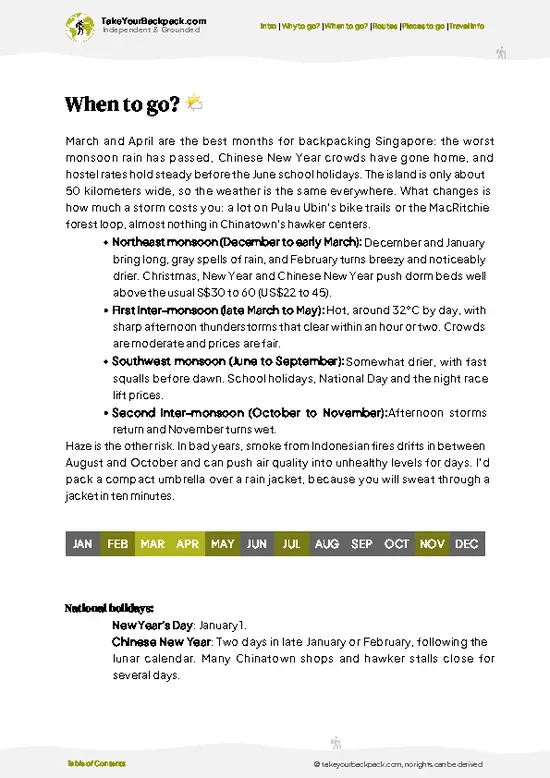
🌤️ When to go?When is the celebration of Thaipusam?

  • Topic: Weather - Thaipusam falls in late January or early February, smack in Singapore’s wet season. Expect heavy, sudden downpours that can soak you in minutes. Pack a lightweight rain jacket and waterproof your gear to keep moving without losing momentum.
  • Topic: Temperature - Temperatures hover around 26-31°C (79-88°F), sticky and humid. Dress light, breathe easy, and stay hydrated. The heat adds to the festival’s intensity but can drain your energy fast if you’re not prepared.
  • Topic: Daylight Hours - Days stretch about 12 hours, sunrise near 7 AM and sunset around 7 PM. The main procession kicks off early, so plan to be on your feet before dawn to catch the full spectacle without the midday scorch.
  • Topic: Crowds - This is one of Singapore’s biggest religious events, drawing massive
… read more 👉
  • Topic: Weather - Thaipusam falls in late January or early February, smack in Singapore’s wet season. Expect heavy, sudden downpours that can soak you in minutes. Pack a lightweight rain jacket and waterproof your gear to keep moving without losing momentum.
  • Topic: Temperature - Temperatures hover around 26-31°C (79-88°F), sticky and humid. Dress light, breathe easy, and stay hydrated. The heat adds to the festival’s intensity but can drain your energy fast if you’re not prepared.
  • Topic: Daylight Hours - Days stretch about 12 hours, sunrise near 7 AM and sunset around 7 PM. The main procession kicks off early, so plan to be on your feet before dawn to catch the full spectacle without the midday scorch.
  • Topic: Crowds - This is one of Singapore’s biggest religious events, drawing massive crowds. Arrive early to secure a good vantage point and avoid the claustrophobic crush that builds as the day progresses.
  • Topic: Seasonal Activities - Thaipusam is a singular event, but it coincides with Chinese New Year preparations. The city buzzes with extra energy, markets, and street food stalls—perfect for layering your cultural experience.
  • Topic: Price Fluctuations - Accommodation and flights spike sharply around Thaipusam. Book months ahead or consider staying in nearby neighborhoods to dodge the premium and keep your budget intact.
Pro-tip: Time your visit to catch the early morning rituals—when the air is cooler, the energy is raw, and you’ll avoid the midday crush that can sap your spirit and slow your pace.


source: climatestotravel.comJANJanuary: excellent for travelingFEBFebruary: not recommended for travelingMARMarch: not recommended for travelingAPRApril: not recommended for travelingMAYMay: not recommended for travelingJUNJune: not recommended for travelingJULJuly: not recommended for travelingAUGAugust: not recommended for travelingSEPSeptember: not recommended for travelingOCTOctober: not recommended for travelingNOVNovember: not recommended for travelingDECDecember: not recommended for traveling

✈️ The backpacker research shortcutSingapore Travel Guide

An offline-friendly backpacking guide with optimized travel routes, ranked highlights, transport advice, and the best areas to stay.
example page 0 from our offline Travel Guide for Singapore
example page 1 from our offline Travel Guide for Singapore
example page 2 from our offline Travel Guide for Singapore
example page 3 from our offline Travel Guide for Singapore
example page 4 from our offline Travel Guide for Singapore
example page 5 from our offline Travel Guide for Singapore
example page 6 from our offline Travel Guide for Singapore
example page 7 from our offline Travel Guide for Singapore
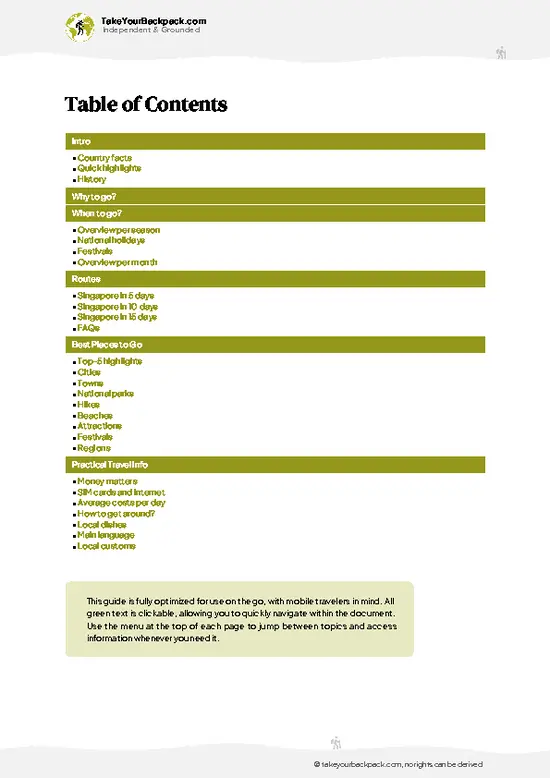
The digital guide (246 pages) contains:
✅ 63 highlights, ranked by travel appeal
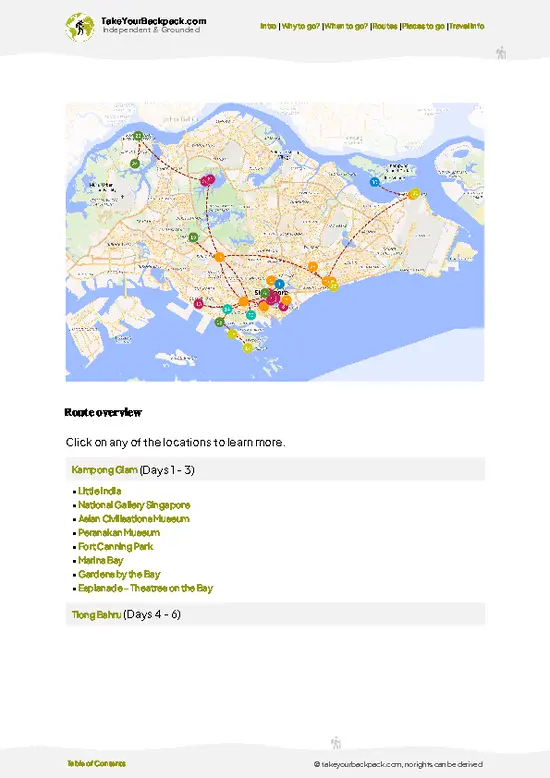
✅ Optimized 5, 10 & 15-day travel routes
✅ Cities, national parks, landmarks, beaches
✅ How to get around
✅ Offline-friendly for travel without Wi-Fi
👉 Click to see all 30+ guide features

📅 Plan smarter in minutes, not weeks
✅ Month by month travel advice
✅ Festivals & national holidays
✅ Budget expectations

🗺️ Go to the right places, skip the overrated ones
✅ Honest pros & cons of destinations
✅ Top hikes, parks & viewpoints
✅ Lesser-known places most travelers miss
✅ Clear “worth it vs skip it” guidance

🛏️ Travel smoothly without rookie mistakes
✅ Best areas to stay
✅ Transport systems explained simply
✅ Common scams & safety advice
✅ SIM cards, money & practical tips

🌍 Understand the country, not just visit it
✅ Culture & traditions
✅ Local customs
✅ Festivals worth planning around
✅ Traveler-friendly historical context
✅ Insights that make places more meaningful

📱 Built for real travel conditions
✅ Fully downloadable PDF
✅ Works completely offline
✅ Optimized for phone use
✅ Useful in remote areas & buses
✅ Everything in one place
Stop searching, start planning
Get instant access to your full guide. 30‑day money-back guarantee.
+ Add another guide for just

By proceeding you agree to our terms.
Sent to your inbox immediately after payment • 100% Secure Checkout
Best Backpacking Travel Advisor 2025 tourism awardBest Backpacking
Travel Advisor
2025
What others say about Take Your Backpack Guides:
⭐⭐⭐⭐⭐
Fantastic, amazing amount of information!
⭐⭐⭐⭐⭐
My goodness this is amazing, it's what I've been looking for hats off too you!
⭐⭐⭐⭐⭐
I think this is absolutely BRILLIANT
⭐⭐⭐⭐
Very complete and informative. It's still missing places, but I gotta to commend you
⭐⭐⭐⭐⭐
This is truly amazing, thank you, can't wait to explore it with my kids!
⭐⭐⭐⭐⭐
Awesome resource, thank you!
⭐⭐⭐⭐⭐
This is amazing! Can't wait to explore the ones I haven't seen
⭐⭐⭐⭐
I love this! Well done, great idea.
⭐⭐⭐⭐⭐
Thanks for taking the time to make this gem!
⭐⭐⭐⭐⭐
This might be the best website I've ever seen.
⭐⭐⭐⭐⭐
Congratulations, and thank you so much for your work; it's incredibly valuable.
⭐⭐⭐⭐
In all seriousness I think you did a great job pointing out the important spots
⭐⭐⭐⭐⭐
10/10 very good
⭐⭐⭐⭐⭐
As someone who's only just starting to visit regularly this is awesome, thank you.
⭐⭐⭐⭐
Thank you very much! I'm going to visit my dad, it's going to be very useful!
⭐⭐⭐⭐⭐
This is really cool! We'll be travelling for the first time and this definitely come in handy.
⭐⭐⭐⭐⭐
You are now our minister of culture, congratulations 👨‍💼
⭐⭐⭐⭐⭐
Just wanted to tell you that this is a pearl! Going to follow your recommendations.
⭐⭐⭐⭐⭐
This is so cool. I'll definitely be using the resource for my travels soon.
⭐⭐⭐⭐⭐
This is very impressive! Good work.
⭐⭐⭐⭐⭐
This is an amazing and informative site. Very well done!

🛏️ Where to stay?Best areas to stay in Singapore

For the Thaipusam festival in Singapore, you want to be close to Little India. This vibrant neighborhood pulses with energy, making it a prime spot for backpackers. The streets are alive with the sounds of traditional music and the aroma of spicy street food.

Staying here means you’re just a short walk from the festival’s main events. You’ll find budget-friendly hostels buzzing with fellow travelers, perfect for swapping stories and tips.

Another solid option is the Kampong Glam area. It’s a bit quieter but still close enough to the action. The mix of cultures here adds a unique flavor to … read more 👉
For the Thaipusam festival in Singapore, you want to be close to Little India. This vibrant neighborhood pulses with energy, making it a prime spot for backpackers. The streets are alive with the sounds of traditional music and the aroma of spicy street food.

Staying here means you’re just a short walk from the festival’s main events. You’ll find budget-friendly hostels buzzing with fellow travelers, perfect for swapping stories and tips.

Another solid option is the Kampong Glam area. It’s a bit quieter but still close enough to the action. The mix of cultures here adds a unique flavor to your experience. Plus, the local cafes and shops are great for unwinding after a day of festivities.

Both areas are safe and social, ensuring you can explore freely while keeping your energy and budget intact for the unforgettable moments that await.

👛 Costs (as of 4 October 2026)How expensive it really is

Thaipusam in Singapore is an electrifying experience, but navigating the costs can feel like a maze. Here’s how to budget wisely so you can focus on the vibrant atmosphere and spiritual energy.
  • Festival Tickets: Entry to Thaipusam is free, but if you want to participate in guided tours or special events, expect to pay around €20 to €50 ($22 to $55). These tours can enhance your experience, offering insights into the rituals and history.
  • Accommodation: Prices vary widely. Budget hostels start at about €15 to €30 ($16 to $33) per night. Mid-range hotels can range from €70 to €150 ($77 to $165) per night. Book early to secure a spot close to the festival route, as places fill up fast.
  • Local Transport: Singapore’s public transport is efficient. A single trip on the MRT costs around €1 to €2 ($1.10
… read more 👉
Thaipusam in Singapore is an electrifying experience, but navigating the costs can feel like a maze. Here’s how to budget wisely so you can focus on the vibrant atmosphere and spiritual energy.
  • Festival Tickets: Entry to Thaipusam is free, but if you want to participate in guided tours or special events, expect to pay around €20 to €50 ($22 to $55). These tours can enhance your experience, offering insights into the rituals and history.
  • Accommodation: Prices vary widely. Budget hostels start at about €15 to €30 ($16 to $33) per night. Mid-range hotels can range from €70 to €150 ($77 to $165) per night. Book early to secure a spot close to the festival route, as places fill up fast.
  • Local Transport: Singapore’s public transport is efficient. A single trip on the MRT costs around €1 to €2 ($1.10 to $2.20). Consider getting an EZ-Link card for unlimited travel, which can save you time and hassle. Budget about €10 to €20 ($11 to $22) for a few days of travel.
  • Food & Drinks: Street food is a highlight. Expect to spend about €3 to €6 ($3.30 to $6.60) per meal at hawker centers. If you opt for sit-down restaurants, prices can jump to €15 to €30 ($16.50 to $33). Budget around €20 to €40 ($22 to $44) per day for food to enjoy a mix of both.
  • Miscellaneous Expenses: This includes souvenirs, offerings, or any spontaneous experiences. Set aside about €10 to €30 ($11 to $33) for these extras. It’s easy to get caught up in the moment, so having a little extra cash can enhance your experience.

Keep these figures in mind as you plan. The key is to balance your budget while immersing yourself in the festival’s rich culture.


source: visitsingapore.com
⚠️ Prices can change and everyone travels differently, so take this as a rough guide. Hope it helps you plan your adventure!

🍲 FoodEating & Drinking in Thaipusam

At the Thaipusam festival in Singapore, food and drinks are as vibrant as the celebrations. You’ll find stalls brimming with local specialties like putu mayam (rice flour noodles) and vada (savory lentil donuts). Don’t miss the sweet treats like kuih and jaggery, which are perfect for recharging after all that walking.

For drinks, grab a cup of teh tarik—the frothy, pulled tea that’s a festival staple. It’s sweet, creamy, and a must-try. If you’re feeling adventurous, look for coconut water served straight from the shell; it’s refreshing and hydrating.

A quirky aspect of the festival is the sharing culture. Don’t hesitate to join a group and share dishes; it’s all about community. Be prepared for lines, especially at popular stalls, and remember to bring cash—some vendors don’t accept cards. … read more 👉
At the Thaipusam festival in Singapore, food and drinks are as vibrant as the celebrations. You’ll find stalls brimming with local specialties like putu mayam (rice flour noodles) and vada (savory lentil donuts). Don’t miss the sweet treats like kuih and jaggery, which are perfect for recharging after all that walking.

For drinks, grab a cup of teh tarik—the frothy, pulled tea that’s a festival staple. It’s sweet, creamy, and a must-try. If you’re feeling adventurous, look for coconut water served straight from the shell; it’s refreshing and hydrating.

A quirky aspect of the festival is the sharing culture. Don’t hesitate to join a group and share dishes; it’s all about community. Be prepared for lines, especially at popular stalls, and remember to bring cash—some vendors don’t accept cards. Serving sizes can vary, so don’t be shy about sampling a bit of everything. This is about savoring the experience, not just the food!

FAQTraveler FAQ

Thaipusam in Singapore usually takes place in January or February, depending on the Tamil calendar. The festival is celebrated on the full moon day of the Tamil month of Thai, lasting one day.
Attending Thaipusam in Singapore is free of charge. Costs may arise only if you choose to buy food, souvenirs, or transportation to the event.
No, you do not need tickets in advance to attend Thaipusam in Singapore. The festival is a public event held mainly at the Sri Srinivasa Perumal Temple and along the procession route.
⚠️ Things can change over time, so always validate details locally before you go.

Other Singaporean festivals near Thaipusam

Explore more nearby:


💡 Not sure where to go next?
Create a personalized itinerary for Singapore including Thaipusam and the places that fit your trip.

Generate my itinerary

👉 Discover all festivals

Or checkout all Singapore has to offer (think cities, towns, villages, national parks, hikes, beaches, festivals)
Country photo of Singapore

We 💚 feedbackFinal thoughts on celebrating the Thaipusam

Thaipusam in Singapore is a sensory overload of devotion and color, a chance to witness incredible acts of faith that pulse with energy. But brace yourself for the crowds; navigating through throngs can drain your stamina. Embrace the chaos, though. It’s all part of the experience, and those moments of connection and celebration are what you’ll remember long after the festival ends.

✈️ When did I visit Singapore?
During a short stop-over, I was able to celebrate Chinese New Year in 2016.

✍️ Help improve this page!
The information on this page is based on my own backpacking experience in Singapore, supplemented with up-to-date research and feedback from other travelers. Travel details can change, so if you notice anything outdated or incomplete, feel free to let me know.


🙋‍♂️ Give feedback

👋 Meet the founderWho’s Behind Take Your Backpack?

Johan, backpacker and founder of TakeYourBackpackHi, I’m Johan (Netherlands 🇳🇱), the creator of TakeYourBackpack. Over the past 3 decades, I’ve backpacked through 90+ countries across six continents, gaining extensive experience with independent travel, long-term trips, and overland routes.

This site is built on a combination of firsthand travel experience and carefully curated insights from other backpackers. Many guides are based on places I’ve personally visited, while others bring together tips, observations, and practical advice shared by trusted travelers I’ve met along the way.

The goal is to provide realistic, experience-driven guidance — not generic itineraries — so you can explore destinations with better context, clearer expectations, and more confidence.