

The Painted Wooden Houses
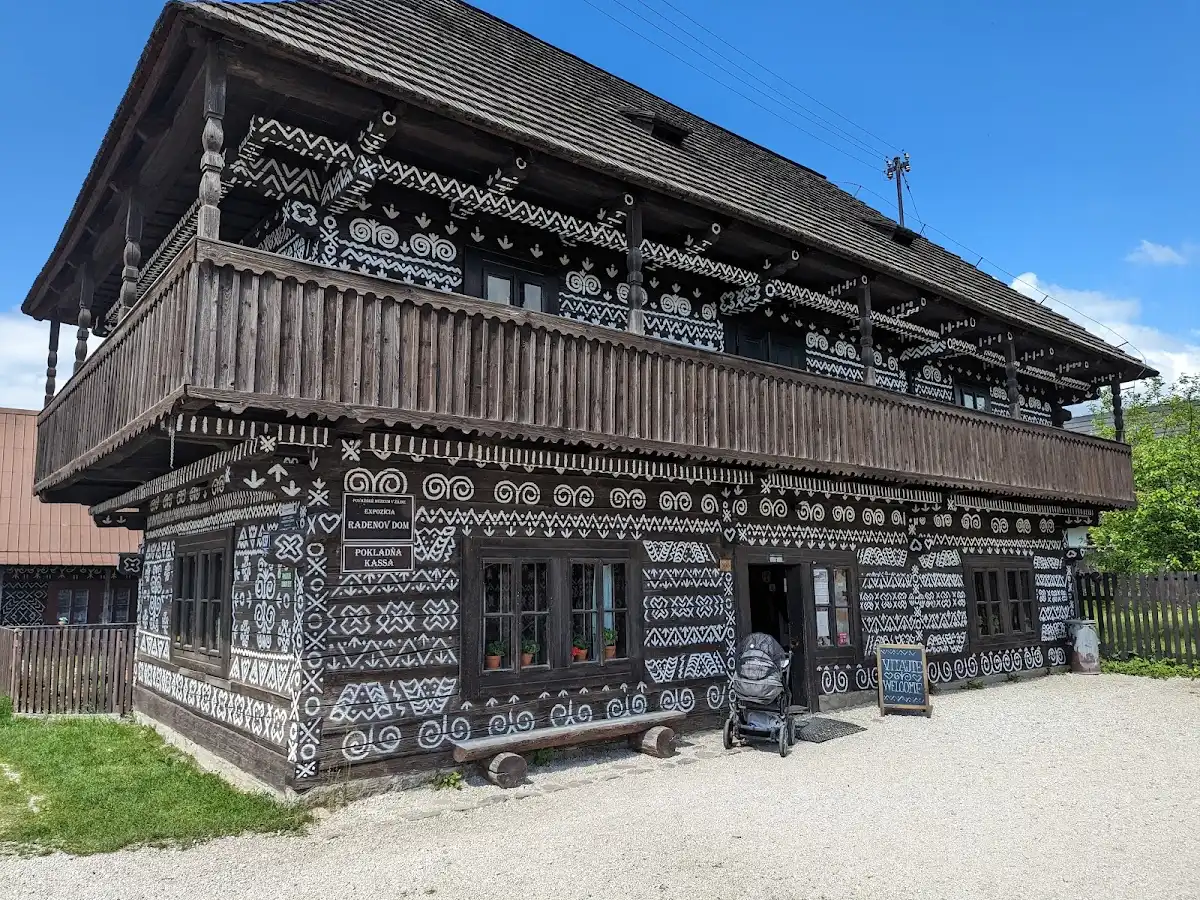
Let’s cut through the Instagram haze: yes, the black-and-white houses really do look like something out of a fever dream. But the magic isn’t in the symmetry or the “fairy tale” aesthetic—it’s in the fact that these geometric patterns are living folk art, not museum props. Locals still repaint the motifs by hand, using lime and natural pigments, and every swirl and zigzag has a meaning: fertility, protection, luck. Walk the lanes early or late to dodge the bus tours and you’ll hear the creak of wood, the echo of footsteps, and maybe catch a resident tending their garden. This isn’t a theme park. It’s a village that’s stubbornly alive.
Čičmany Folk Museum (Radenov dom)
If you want to actually understand what you’re seeing—not just snap a photo—step inside the Folk … read more 👉
The Painted Wooden Houses
Let’s cut through the Instagram haze: yes, the black-and-white houses really do look like something out of a fever dream. But the magic isn’t in the symmetry or the “fairy tale” aesthetic—it’s in the fact that these geometric patterns are living folk art, not museum props. Locals still repaint the motifs by hand, using lime and natural pigments, and every swirl and zigzag has a meaning: fertility, protection, luck. Walk the lanes early or late to dodge the bus tours and you’ll hear the creak of wood, the echo of footsteps, and maybe catch a resident tending their garden. This isn’t a theme park. It’s a village that’s stubbornly alive.
Čičmany Folk Museum (Radenov dom)
If you want to actually understand what you’re seeing—not just snap a photo—step inside the Folk Museum. It’s set in one of the oldest houses, and it’s packed with relics that tell the story of how people survived in this mountain pocket: embroidered costumes, carved tools, and wedding chests that look like they could swallow a small child. The staff are usually locals, and they’ll talk your ear off (in Slovak, but with enough gestures to get the point across) about everything from sheep farming to the village’s near-destruction by fire. This is where the “why” behind the patterns comes alive.
Traditional Folk Costumes
Skip the tourist shops selling polyester knock-offs. If you’re lucky enough to visit during a festival or a wedding, you’ll see the real deal: hand-embroidered blouses, thick wool vests, and headscarves so intricate they look like lacework. These aren’t costumes for show—they’re family heirlooms, worn with a kind of pride that doesn’t need an audience. If you get invited to a celebration, say yes. You’ll never forget the sight of a whole village swirling in color and song.
Hiking the Surrounding Hills
Most visitors never leave the main street, but the real payoff is up in the hills. The Strážovské vrchy mountains wrap Čičmany like a green amphitheater, and the trails are blissfully empty. You’ll pass wildflower meadows, old shepherd huts, and maybe a few sheep who look like they own the place. The air smells like pine and earth, and the only soundtrack is wind and cowbells. This is Slovakia unplugged—no filters, no crowds, just you and the landscape.
Local Hospitality (and Slivovica)
Čičmany’s secret weapon isn’t its architecture—it’s the people. If you linger, someone will eventually offer you homemade bread, cheese, or a shot of slivovica (plum brandy that could strip paint). Accept it. These moments—awkward, hilarious, and deeply human—are the real souvenirs. You’ll leave with a story, not just a selfie.
Spotted a mistake or missing something? Contact us.

Private One Day Tour to the UNESCO Heritage Village and The High Tatras from Bratislava

Private Magic Christmas Tour in Bojnice

Banská Data eSIM 0.5GB daily to 50GB 30 Days
Žilina Data eSIM 0.5GB daily to 50GB 30 Days

Bojnice Heritage and Nature : Private Walking Tour

Bojnice to Bratislava Airport (BTS) - Departure Private Transfer

Bojnice to Vienna Airport (VIE) - Departure Private Transfer

Bojnice’s Romantic Embrace Private Walking Tour
Slovakia Data eSIM from 0.5GB daily to 50GB 30 Days

 Best Backpacking
 Hi, I’m Johan (Netherlands 🇳🇱), the creator of TakeYourBackpack. Over the past 3 decades, I’ve backpacked through 90+ countries across six continents, gaining extensive experience with independent travel, long-term trips, and overland routes.