v2.webp)
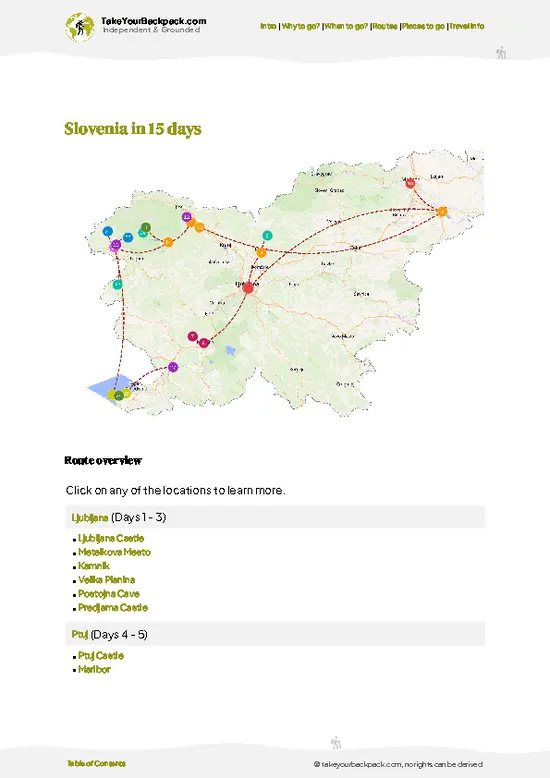
- Underground canyon carved by the Reka River — A raw, jaw-dropping gorge miles underground where the Reka crashes and disappears; the scale is hard to appreciate until you stand on the rim and hear the river echo. This dramatic water-carved canyon is the spine of Škocjan and what makes the caves so geologically spectacular.
- Martel’s Chamber — One of the largest known subterranean chambers in the world, named after speleologist Édouard-Alfred Martel. The sheer size and echoing space feel cathedral-like; photographers and spelunkers will nerd out over the scale and light play.
- Big and Little Collapse Dolines (Velika in Mala dolina) — Giant sinkholes where the roof has fallen in, creating forested amphitheaters with steep cliffs and bird’s-eye views into the cave system. They’re a great contrast
- Underground canyon carved by the Reka River — A raw, jaw-dropping gorge miles underground where the Reka crashes and disappears; the scale is hard to appreciate until you stand on the rim and hear the river echo. This dramatic water-carved canyon is the spine of Škocjan and what makes the caves so geologically spectacular.
- Martel’s Chamber — One of the largest known subterranean chambers in the world, named after speleologist Édouard-Alfred Martel. The sheer size and echoing space feel cathedral-like; photographers and spelunkers will nerd out over the scale and light play.
- Big and Little Collapse Dolines (Velika in Mala dolina) — Giant sinkholes where the roof has fallen in, creating forested amphitheaters with steep cliffs and bird’s-eye views into the cave system. They’re a great contrast to the tight, dark cave passages — cliffs, trees, and sky right above an underground river.
- Stone and wooden bridges across the canyon — Historic-looking bridges and walkways that cross the underground gorge give you vertigo and amazing sightlines to the river below. They’re practical, atmospheric, and perfect for dramatic photos (or for pretending you’re in an adventure movie).
- Karst phenomena and disappearing river (the ponor) — Watching the Reka vanish into the ponor is a textbook karst moment: surface water going underground and re-emerging later. It’s why the area was protected and UNESCO-listed — a living classroom for geology and hydrology.
- Cave formations, rimstone pools and micro-habitats — From delicate flowstones to small terraced pools, the cave preserves a surprising variety of mineral forms and tiny ecosystems, including cave-adapted fauna. It’s less glittery than show caves with stalagmites, but richer in unusual, fragile features.
- Human history and cultural landscape — Evidence of prehistoric use, old shepherd paths, and the centuries-old relationship between people and karst make Škocjan more than a geological wonder; it’s a cultural landscape. The guided tours weave natural history with local stories, giving context to what you’re seeing.
- Viewpoints above the caves (personal favorite) — My favorite spot is the rim viewpoints above the great collapse where you can take the whole system in: cliffs, forest, and the tiny thread of river disappearing below. It’s simple, quiet, and gives the best “how on earth did that happen?” moment.
Spotted a mistake or missing something? Contact us.

Slovenia's Wonders: UNESCO Škocjan caves, Predjama Castle & Piran

UNESCO Škocjan Caves & Piran from Ljubljana (small group, max 8)

Škocjan Caves and the city of Piran from Ljubljana

Skocjan Cave Day Tour From Ljubljana

Skocjan caves, Piran & Predjama castle | Private trip from Ljubljana

UNESCO's Skocjan Caves, Europe's largest underground canyon, Half Day Trip from Ljubljana

Lipica and Škocjan Caves Full Day Private Tour from Ljubljana

Piran Day Trip & Škocjan Caves

Lipica Stud Farm and Skocjan Caves Half Day Trip from Ljubljana


 Best Backpacking
.jpg) Hi, I’m Johan (Netherlands 🇳🇱), the creator of TakeYourBackpack. Over the past 3 decades, I’ve backpacked through 90+ countries across six continents, gaining extensive experience with independent travel, long-term trips, and overland routes.
Hi, I’m Johan (Netherlands 🇳🇱), the creator of TakeYourBackpack. Over the past 3 decades, I’ve backpacked through 90+ countries across six continents, gaining extensive experience with independent travel, long-term trips, and overland routes.